

I’ve been cutting fades for over 20 years, and this is still the most-requested category in my chair. Whether you want a subtle low fade or a dramatic skin fade, the right variation depends on your face shape, hair type, and how much maintenance you’re willing to commit to. Here’s every fade style worth knowing — and which one actually suits you.
Not sure which fade style suits your face? Our Haircut Finder Quiz matches you with the right cut in 60 seconds — just answer 5 quick questions.
- Fade haircuts come in three main heights — low, mid, and high — each creating a different level of contrast
- Your face shape determines the ideal fade height: high fades elongate round faces, low fades soften angular ones
- Skin fades need touch-ups every 1-2 weeks; shadow fades last 3-4 weeks between visits
- Always bring reference photos to your barber — “just a fade” is too vague for a precise cut
- This guide covers 40+ fade variations organized by height, face shape, and specialty technique
Sharp contrast between skin and hair creates visual impact unlike any other cut.
Your face shape determines which fade height frames your features best.
Walk into any barbershop requesting “just a fade” and watch confusion unfold. There are dozens of variations, and every barber will interpret that request differently—knowing what to ask for saves everyone time in the chair.
What Is A Fade Haircut?
Plain English: a fade haircut is a gradual transition from short to longer hair, typically starting from skin or near-skin length at the sides and back, blending seamlessly upward. The technique creates a clean, polished look that works with virtually any hair type or face shape.
Concerned about thinning? Our Hair Loss Risk Quiz helps you understand where you stand — 8 quick questions, no email needed.
The three things your barber needs to know: how high you want the fade to start (low, mid, or high), how short you want it at the bottom (skin or tapered), and what you’re doing on top. Nail those three and you’ll walk out happy.

Low Fade Variations
Low fades start their transition about an inch above the ear, maintaining more coverage on the sides. This conservative approach suits professional environments while still delivering modern style.
The subtlety makes low fades perfect for first-timers exploring gradient cuts
Hair texture plays a big role here — I approach low fades on Black hair differently than low fades on Asian hair because density and growth patterns change the blending technique entirely. Even blonde hair needs adjusted guard settings since lighter strands show the fade line differently.

Classic Low Fade
The classic low fade begins just above the ear line, blending gradually into longer lengths. Guards typically start at #1 or #2, creating subtle graduation.
This timeless variation works exceptionally well with side parts and slicked-back styles.

Low Skin Fade
Starting at zero guard or razor length, the low skin fade creates dramatic contrast while keeping the bald area minimal. The skin-level section stays confined below the temple.
This hits the sweet spot for guys who want that clean skin-level finish but don’t want it climbing too far up the head. It’s also one of the easier fades to maintain at home between visits—the regrowth blends in naturally because the bald area is so small.

Low Drop Fade
The drop fade curves downward behind the ear, following your head‘s natural contour. This arc creates a more organic flow than straight-line fades.
Athletes and active professionals appreciate how drop fades complement neck movement.

Low Taper Fade
Taper fades maintain longer lengths throughout, never reaching skin level. The gradient stays subtle, typically using #2 guard minimum.
Conservative offices often approve taper fades when stricter skin fades violate dress codes.

Low Burst Fade
Burst fades create a semicircle effect around the ear, leaving length at the neckline. This unique shape adds dimension without full commitment.
Mohawk and faux hawk styles particularly benefit from burst fade foundations.

Mid Fade Styles
Mid fades strike the perfect balance, starting their transition at temple height. This versatile placement complements most face shapes and hair textures.
Barbers often recommend mid fades as the safest universal option.
- Temple start: Fade begins directly at temple level
- Balanced proportions: Equal coverage above and below fade line
- Style flexibility: Works with pompadours, quiffs, and textured cuts
- Maintenance every 2-3 weeks keeps lines crisp
Standard Mid Fade
The standard mid fade starts exactly at temple level, creating even proportions. Guards progress from #0 to #3 through the blend zone.
This foundational cut adapts to virtually any top style you choose.
Mid Fade With Hard Part
A razor-carved part line adds geometric precision to the mid fade foundation. The hard part typically sits where natural parts fall.
Business professionals appreciate this combination’s sharp, intentional appearance that commands respect.

Mid Fade Pompadour
Volume and height on top contrast beautifully with the clean mid fade sides. The pompadour requires 3-4 inches minimum length for proper styling.
Strong-hold pomade and blow-drying technique create the signature swept-back silhouette.
🧠 Expert Advice
Request your barber to stretch the mid fade blend zone slightly wider than normal. This creates a softer gradient that grows out more gracefully between appointments. The extended blend also prevents that harsh demarcation line that appears after week two.
Mid Fade With Textured Top
Choppy, piece-y texture on top plays against the fade’s clean lines. Point-cutting and texturizing shears create natural movement and dimension.
Sea salt spray or texture powder enhances the tousled, effortless finish.

Mid Fade Quiff
The quiff combines pompadour height with forward-swept direction, requiring strategic length distribution. Front sections need 4-5 inches while maintaining shorter crown areas.
Blow-dry forward first, then push back for maximum lift and control.
High Fade Options
High fades make bold statements, starting their transition well above the temples. This aggressive placement elongates face shape and maximizes contrast.
Confidence is mandatory when rocking high fade variations.
I cut a lot of high fades for boys too — parents love how clean they look, and kids love that they need zero styling in the morning.
High fades expose more scalp, requiring commitment to frequent maintenance. Budget for touch-ups every 10-14 days to maintain that fresh-cut appearance.
High Skin Fade
Maximum contrast defines the high skin fade, with bare skin reaching nearly to the crown. The dramatic transition demands precise blending skills from your barber.
Summer months see increased requests for this cooling, low-maintenance option.

High Fade With Line Up
Crisp edge work frames the high fade, creating architectural precision around hairlines and temples. Fresh line-ups require steady hands and quality trimmers.
Daily edge maintenance with enhancement products keeps lines sharp between visits.

High Fade Buzz Cut
Combining a high fade with buzzed top creates ultimate simplicity and cleanliness. Guards #1-3 on top provide just enough texture without requiring styling.
Military personnel and athletes gravitate toward this no-nonsense combination.
⚠️ Common Mistake
Asking for a high fade without considering your cowlicks and growth patterns leads to awkward grow-out phases. Your barber needs to adjust the fade angle to work with, not against, your natural hair direction for longevity.
High Fade With Waves
Wave patterns pop dramatically against high fade foundations, especially with proper brushing technique. Consistent wave training and durag use develop defined patterns.
Pomade or wave cream maintains pattern definition throughout the day.

High Fade Crew Cut
The crew cut‘s uniform top length pairs perfectly with high fade graduation. Front sections stay slightly longer for subtle styling options.
This combination delivers professional polish with minimal morning preparation required.

Which Fade Suits Your Face Shape?
Your face shape changes which fade looks best on you. Answer 5 quick questions and we’ll match you with the right style — including what to tell your barber.
Take the Haircut Finder Quiz →
Fade Haircuts For Round Faces
Round faces benefit from height and vertical lines that create elongating illusions. Strategic fade placement and top styling work together for facial balance.
Avoid excessive width at the temples which emphasizes roundness.

High Fade With Volume On Top
Maximizing vertical height while minimizing side bulk creates ideal proportions for round faces. Blow-drying with round brushes builds necessary lift and direction.
Keep sides tight with weekly fade maintenance to preserve the elongating effect.

Textured Crop Fade
Forward-styled texture adds angles that break up circular face shapes. The crop’s choppy fringe creates asymmetry and visual interest.
Matte clay or paste products enhance texture without adding shine or weight.

Pompadour Fade
The pompadour’s dramatic height perfectly counterbalances round face width. Strong-hold products and proper blow-drying technique maintain elevation all day.
Request extra length through the front sections during initial consultation.
Faux Hawk Fade
Central height with tapered sides creates vertical emphasis without full mohawk commitment. The faux hawk‘s versatility allows professional and casual styling options.
Gradually shorter lengths toward the sides enhance the streamlined silhouette.

Fade Haircuts For Square Faces
Square faces possess strong jawlines that benefit from softer, rounded styling elements. Avoiding harsh lines and excessive height prevents overemphasizing angular features.
Texture and movement on top balance masculine bone structure.

Low Fade With Side Swept Hair
Diagonal movement softens square jaw angles while the low fade maintains fullness. Side-swept styles create asymmetry that breaks up facial symmetry.
Light hold products preserve natural movement without stiff, geometric shapes.

Textured Fringe Fade
Piece-y fringe sections soften the forehead area while adding casual sophistication. Point-cutting techniques create natural separation and movement.
The fringe length should graze eyebrows without completely covering them.

Layered Top With Mid Fade
Multiple length layers create dimension and movement that complement strong facial features. Layering techniques prevent bulk while maintaining versatile styling options.
Request slide-cutting for seamless layer blending and natural flow.

Fade Haircuts For Oval Faces
Oval faces enjoy maximum versatility, suiting virtually any fade height or style combination. This balanced proportion allows experimentation without proportion concerns.
Focus on personal preference and lifestyle requirements rather than corrective styling.

Classic Taper Fade
The timeless taper fade showcases oval face symmetry without disruption. Gradual transitions maintain harmony while adding contemporary refinement.
This safe choice works across all professional and social settings.

Slick Back Fade
Sleek, controlled styling emphasizes oval face advantages without creating imbalance. Medium-hold pomade provides control while maintaining natural shine.
Comb placement and tension determine the final silhouette’s formality level.
Messy Top Fade
Intentionally disheveled texture adds personality without compromising oval face harmony. Fingers work better than combs for achieving authentic messiness.
Matte products prevent the greasy appearance that ruins carefully crafted chaos.

Fade Haircuts For Oblong Faces
Oblong faces require width and fullness to balance vertical length. Lower fades preserve side coverage while avoiding excessive top height.
Horizontal styling elements create proportion-correcting width.

Low Fade With Full Sides
Maintaining substantial length above the fade line adds crucial width. The low starting point preserves maximum coverage for balance.
Avoid tight fades that emphasize face length through stark contrast.

Caesar Cut Fade
Forward-styled fringe with minimal height prevents further elongation. The Caesar’s horizontal lines create width-enhancing effects.
Short, uniform length requires minimal styling while maximizing facial balance.

French Crop Fade
The French crop‘s textured fringe adds width while the fade keeps sides neat. Forward styling and piece-y texture break up length.
Request slightly longer fringe sections for maximum corrective effect.

Fade Haircuts For Heart-Shaped Faces
Heart-shaped faces benefit from fullness around the jaw area to balance wider foreheads. Mid to low fades preserve necessary coverage.
Avoid excessive height that emphasizes forehead width.

Textured Mid Fade
Textured styling adds volume without creating excessive height or width. The mid fade starting point maintains proportion-friendly coverage.
Sea salt spray enhances natural texture for effortless, balanced appearance.
Side Part Fade
Asymmetrical parting breaks up forehead width while adding sophisticated structure. The side part works with natural growth patterns.
Light pomade defines the part without creating helmet-like stiffness.

Brushed Up Fade
Subtle upward styling adds controlled height without width emphasis. Brushed styles maintain movement and natural flow.
Pre-styling mousse provides lift without weight or excessive hold.

Specialty Fade Techniques
Advanced fade variations require experienced barbers with specialized skills. These techniques elevate standard fades into artistic expressions.
Communication and reference photos ensure proper execution.
The skin fade is the most demanding of these — going all the way to bare scalp requires flawless blending with zero margin for error.

Temple Fade
Temple fades focus transition exclusively around the temple area, leaving sideburns and neckline longer. This targeted approach creates unique contrast patterns.
The technique works particularly well with full beards and longer hairstyles.

Shadow Fade
Shadow fades create subtle gradients using primarily scissor work over clippers. The softer transition appears more natural and grows out gracefully.
This technique suits clients preferring understated sophistication over stark contrast.

Bald Fade
Bald fades achieve completely smooth skin at the lowest points using razors. The ultra-clean finish requires expert blending to avoid harsh lines.
Daily moisturizing prevents irritation and maintains healthy scalp condition.

Scissor Fade
Scissor-over-comb techniques create the entire fade without clipper assistance. This traditional method produces softer, more organic transitions.
Premium barbershops often charge extra for this time-intensive specialty service.

Fade Maintenance Essentials
Proper maintenance extends fade longevity while preserving crisp lines between appointments. Strategic product use and technique preserve professional appearance.
Investing in quality tools pays dividends through improved results.

Weekly Touch-Up Schedule
Week one requires minimal intervention beyond regular washing and styling. Week two benefits from edge cleanup using detail trimmers.
Week three demands decision time between professional touch-up or continued home maintenance.

Home Maintenance Tools
Quality detail trimmers handle edge work and neckline cleanup between visits. Handheld mirrors provide necessary visibility for back sections.
Guard attachments prevent accidentally cutting too short during DIY maintenance.

Product Selection For Fades
Lightweight, water-based products are your best friend with a fade. Heavy waxes and oil-based pomades tend to sit on the shorter hair and create visible buildup right along the fade line—exactly where you don’t want attention as it grows out.
A matte clay or paste applied to towel-dried hair gives the most natural finish. Start with less than you think you need—a fingertip amount for short crops, a thumbnail-sized amount for longer tops. You can always add more, but overloading short hair looks greasy fast.
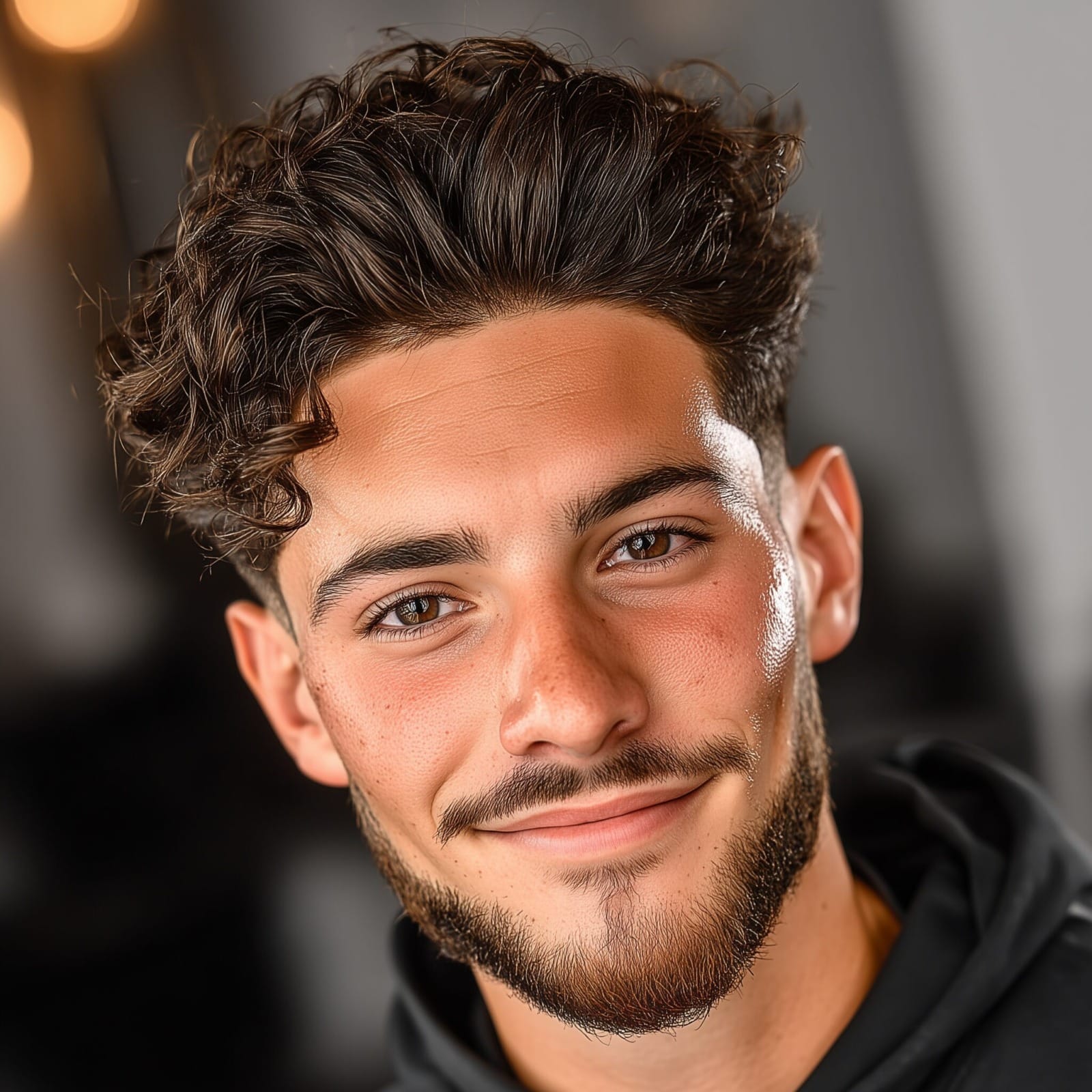
Edge Up Techniques
Natural hairline enhancement requires steady hands and quality trimmer blades. Following existing hairline curves prevents unnatural, boxy appearances.
Enhancement products like edge control help maintain sharp lines throughout the day.

Professional Fade Tips
Understanding barbering fundamentals helps communicate effectively during consultations. Technical knowledge ensures realistic expectations and optimal results.
These insights improve client-barber collaboration.

Guard Selection Guidelines
Guards range from #0 (1/16 inch) through #8 (1 inch), with half-guards between. Most fades utilize #0-#4 for optimal gradient creation.
Open versus closed lever positions create additional length variations.

Blending Techniques
The rocking technique is where most of the magic happens—tilting the clipper blade outward as you move up through the blend zone. The higher you go, the more you open the blade angle, and that’s what creates the seamless gradient rather than visible guard lines.
Multiple passes at slightly different angles clean up any remaining lines. A good barber will also use the clipper lever between open and closed positions to create half-guard lengths that fill in gaps between standard guards.

Clipper Over Comb Method
This technique creates custom lengths beyond standard guard limitations. Comb angle and clipper distance determine final length.
Master barbers prefer this method for precision work and natural blending.

Fade Line Placement
Initial guide lines establish fade height and must account for head shape. Adjustment during cutting ensures symmetry from all angles.
Reference points like ears and occipital bone maintain consistency.

Modern Fade Combinations
Contemporary styling merges fades with additional elements for personalized expression. These combinations showcase individual style while maintaining fade foundations.
Creativity and technical skill produce Instagram-worthy results.
One of the hottest combinations right now is pairing a low fade with hair designs — from simple line-ups to geometric patterns. For length contrast, try a short top with a low fade for minimal maintenance or a long top with a low fade for maximum drama.

Fade With Design
Carved designs add artistic flair through geometric patterns or curved lines. Design complexity ranges from simple lines to elaborate artwork.
Designs typically last 1-2 weeks before growing out.

Fade With Beard Blend
Seamlessly connecting sideburns into beard creates cohesive facial framing. The blend point requires careful attention to density differences.
Pairing a fade with a beard? Our Beard Style Quiz finds the best beard shape for your face — takes 5 questions.
Regular maintenance keeps both elements synchronized and professional.

Fade With Color
Hair color adds dimension and personality to fade foundations. Bleaching or dyeing the longer top sections creates striking contrast.
Professional colorists ensure even application and scalp protection.

Fade With Undercut
Combining disconnected undercut elements with fade transitions creates hybrid styles. The contrast between lengths adds dramatic visual impact.
This advanced technique requires experienced barbers familiar with both methods.

How to Ask Your Barber for a Fade
I hear “just give me a fade” every day — and it tells me almost nothing. Here’s what to communicate instead:
And if you’re not sure whether you want a taper or a fade, you’re not alone — I wrote a full breakdown of taper vs fade because it’s the most common mix-up I hear.
- Fade height: Say “low,” “mid,” or “high” — this is the starting point of the blend
- Skin or no skin: A skin fade goes to bare scalp. If you don’t want that, say “no skin” or “shadow fade”
- Top length and style: Specify what you want up top — textured, slicked back, pompadour, buzz
- Bring reference photos: Even as a barber with decades of experience, a photo eliminates guesswork. Show 2-3 angles if possible
- Mention your lifestyle: If you can’t come in every 2 weeks, avoid skin fades — they grow out fast
Ready to Find Your Perfect Fade?
You’ve seen the styles. Now find the one that fits YOUR face shape, hair type, and lifestyle.
FAQs
How Often Should I Get My Fade Haircut Touched Up?
Most fades require professional touch-ups every 2-3 weeks to maintain crisp lines. High skin fades need attention every 10-14 days, while low taper fades can stretch to 3-4 weeks. Your hair growth rate and desired sharpness determine optimal scheduling.
What’s The Difference Between A Fade And A Taper?
Fades gradually blend down to skin level, creating dramatic contrast and complete exposure. Tapers maintain length throughout, never reaching skin, typically staying at #2 guard minimum. Think of tapers as conservative fades that preserve coverage while adding subtle graduation.
Can I Get A Fade Haircut With Curly Hair?
Curly hair creates stunning fade effects with proper technique and adjusted guard selection. Your barber should go one guard longer than they would on straight hair to account for curl shrinkage—a #2 on curly hair will look closer to a #1 once it springs back. Tension cutting and working on dry hair give the most accurate results. The texture transitions on curly fades are actually more striking than on straight hair because the curl pattern adds visual depth to the gradient.
How Much Does A Professional Fade Haircut Cost?
Fade prices range from $20-$80 depending on location, shop quality, and barber experience. Specialty fades with designs or beard work command premium pricing. Factor in 15-20% gratuity for exceptional service, bringing typical totals to $25-$100.
Which Fade Style Works Best For Thinning Hair?
Low to mid fades work best for thinning hair, maintaining coverage while adding structure. Avoid high fades that emphasize contrast between thin top sections and thick sides. Textured styling on top creates fullness illusion, while matte products prevent shine that highlights scalp.
REFERENCES:
Fades have been around forever and they’re not going anywhere soon, so you might be curious about trying one out for the first time. Source
A fade or Jersey is a hairstyle. In a fade, a barber cuts the hairs at the back of the neck and sides of the head short and there is longer hair on the top of the head. source
Was this article helpful?

Khamis Maiouf is a professional barber who graduated from Hinckley College in England with a Level 3 qualification in hairdressing. With over 20 years of experience, he is an award-winning barber who has mentored numerous students and styled thousands of clients. A recognised expert featured on StyleCraze (20M+ readers).
Credentials: Level 3 Hairdressing (Hinckley College, UK) • 20+ Years Professional Experience • Featured Expert on StyleCraze • Founder of Book of Barbering