

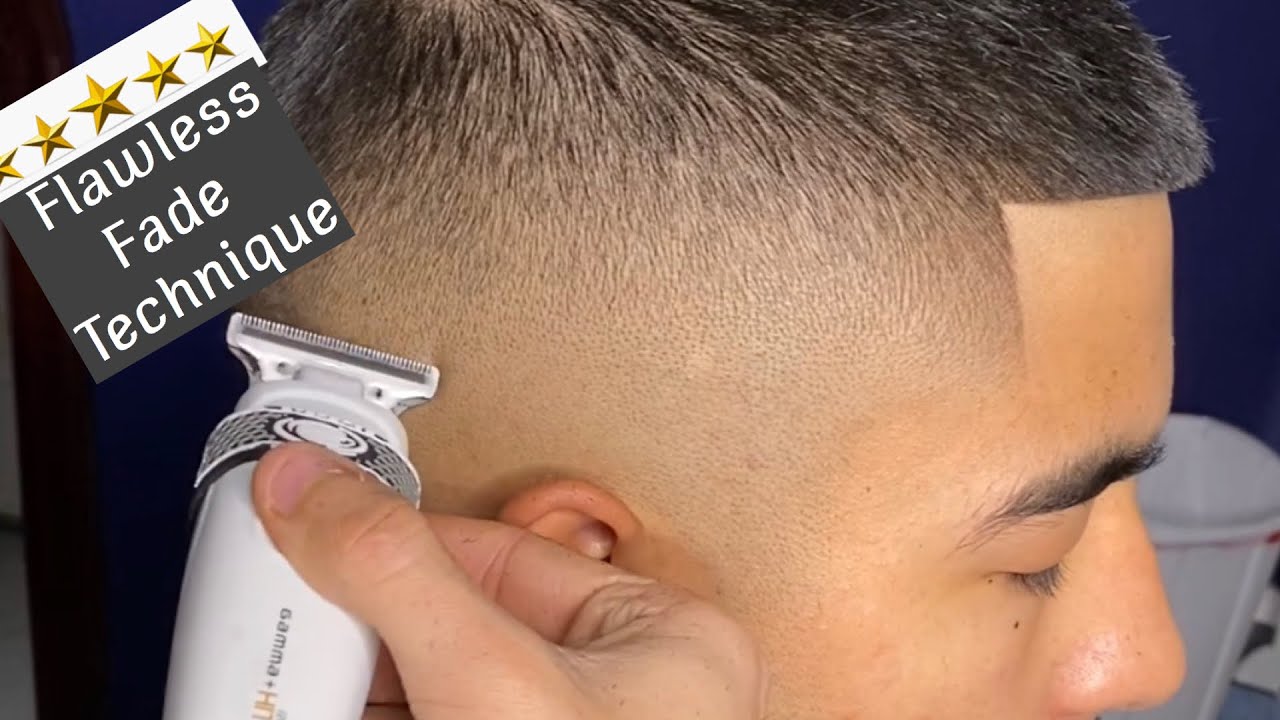
Every week a guy sits in my chair and asks for “something clean but dramatic” — nine times out of ten, I reach for the high bald fade. This cut takes the sides down to bare skin above your temples, creating the boldest contrast of any fade style out there.
Whether you pair it with a textured crop, slick back, or buzz, the high bald fade makes any top length look intentionally sharp.
Concerned about thinning? Our Hair Loss Risk Quiz helps you understand where you stand — 8 quick questions, no email needed.
Key Takeaways
- A high bald fade takes the sides down to bare skin above your temples — the most dramatic contrast of any fade style
- Works with any top length from a buzz cut to 6+ inches, so versatility is built in
- Book touch-ups every 2-3 weeks — high fades show regrowth faster than low or mid fades
- Bring a reference photo to your barber and specify “high bald fade starting at the temple line”
- Best for oval and square faces — the added height balances round faces and sharpens features
What Is A High Bald Fade?
A high bald fade creates the cleanest contrast in barbering. The skin-bare sides start at or above your temple line, then blend into longer hair on top.
Your barber uses clippers without guards or a straight razor to achieve completely bare skin. This aggressive fade height exposes more scalp than mid or low variations.
- Fade zone: Starts 2-3 inches above ear tops
- Blend point: Typically at temple level or higher
- Skin exposure: Maximum bare scalp visibility
- Works with any top length from buzz to 6+ inches
Classic High Bald Fade Styles
Classic interpretations of the high bald fade never go out of rotation. These timeless cuts balance modern precision with traditional barbering fundamentals.
Each style maintains its vintage roots while incorporating today’s fade techniques. Your barber can adjust the top styling to match your personal aesthetic.
Traditional High Bald Fade With Textured Top
The textured top adds movement without requiring heavy products. Your barber point-cuts into the crown area, creating natural separation and dimension.
This cut works especially well with medium-density hair. The texture disguises any thinning while the high fade creates a fuller appearance overall.
Clean High Bald Fade With Side Part
A razor-sharp part line defines this professional style. The part sits naturally where your hair grows, usually following your crown’s rotation pattern.
Keep the part width consistent—about 1/8 inch works best. The high fade amplifies the clean lines, making this perfect for business settings.
Disconnected High Bald Fade
No blending occurs between the top and sides—it’s an intentional hard stop. This bold choice creates maximum contrast and works best with 2+ inches on top.
The disconnection line follows your head’s natural curve. Some barbers add a subtle line-up at the transition point for extra definition.

High Bald Fade With French Crop
The French crop’s signature fringe sits just above your eyebrows. Your barber texturizes the front heavily while keeping the crown shorter for balance.
This cut frames round faces exceptionally well. The high fade pulls attention upward while the fringe adds horizontal lines.

Sharp High Bald Fade With Line Up
Precise edge work defines every angle of this cut. Your barber uses a trimmer to create perfectly straight lines at the hairline, temples, and neckline.
Weekly touch-ups keep those edges crispy. The combination of geometric lines and high fade creates an architectural aesthetic.

Textured High Bald Fade Cuts
Texture transforms a basic high fade into something special. These cuts embrace natural movement and work with your hair’s characteristics rather than against them.
Your barber uses various cutting techniques—point cutting, slicing, or razor work—to achieve different texture effects.
“The key to great texture is cutting with the hair’s natural growth pattern, not against it. This creates movement that practically styles itself.” – Master Barber Tony Sullivan

Messy Top High Bald Fade
Controlled chaos defines this relaxed style. Your barber cuts varying lengths throughout the top, creating pieces that naturally fall in different directions.
Sea salt spray enhances the disheveled look. The high fade provides structure, preventing the messy top from looking unkempt.
Wavy Hair High Bald Fade
Natural waves get maximum impact with this cut. The length stays longer—about 2-3 inches—to maintain wave pattern without frizzing.
Lightweight curl cream defines waves without weighing them down. The high fade removes bulk from sides where waves often look poufy.

Curly Top High Bald Fade
Natural curls create instant volume and dimension above a high bald fade. Your barber leaves 2-4 inches on top to preserve the curl pattern while taking the sides to skin.
A quality fade technique keeps the transition smooth where curls meet bare skin. Use a lightweight curl cream to define without frizz — heavy products flatten the texture that makes this cut stand out.
Length-Based High Bald Fade Options
Top length dramatically changes the high fade‘s overall impact. These variations demonstrate how different lengths create entirely different aesthetics.
Consider your daily routine when choosing length. Longer tops need more styling time but offer greater versatility.
Long Top High Bald Fade
Four inches or more on top creates dramatic contrast. This length allows for multiple styling options—slicked back, side-swept, or even man bun variations.
The extreme contrast between bare sides and long top makes a bold statement. Regular trims maintain the shape without sacrificing length.

Medium Length High Bald Fade
Two to three inches offers maximum versatility without high maintenance. This sweet spot allows both casual and formal styling options.
Most hair types handle this length well. The medium top provides enough weight to control cowlicks while staying manageable.
Short Buzz High Bald Fade
A #2 or #3 guard on top creates the ultimate low-maintenance cut. The uniform length requires zero styling products or morning routine.
This military-inspired option works in any professional setting. The high fade adds interest to what would otherwise be a basic buzz cut fade.

High Bald Fade Finishing Techniques
The tools and methods used for finishing determine the fade’s final quality. Each technique creates different textures and longevity.
Your barber’s expertise with various tools affects the outcome. Discuss their preferred method for your hair type.
Not sure which style suits you best? Our Haircut Finder Quiz matches you with the right cut based on your face shape and hair type — takes 60 seconds.
Razor-Finished High Bald Fade
Straight razor work creates the smoothest possible finish. The blade removes every trace of stubble, leaving completely bare skin that lasts longer.
This technique requires significant skill and time. The result justifies the investment with superior smoothness and definition.
Clipper-Only High Bald Fade Method
Using only clippers speeds up the process while maintaining quality. Your barber employs various guards and clipper-over-comb techniques for seamless blending.
This method works best for sensitive skin. Clippers cause less irritation than razors while still achieving clean results.
Specialty High Bald Fade Variations
These unique interpretations push creative boundaries. Specialty fades require experienced barbers who understand advanced techniques.
Each variation serves specific aesthetic goals. Consider these options when standard fades don’t capture your vision.

High Bald Fade With Beard Blend
The fade continues seamlessly into facial hair. Your barber gradually transitions from skin to beard, creating one continuous gradient.
This technique requires both haircut and beard expertise. The unified look appears intentional and well-groomed rather than accidentally connected.

Temple High Bald Fade Focus
Extra attention at the temples creates a unique profile. The fade curves dramatically around this area, emphasizing facial structure and creating lift.
This variation flatters narrow faces particularly well. The temple emphasis adds width and balance to longer face shapes.

⚠️ Common Mistake
Attempting DIY maintenance between appointments ruins the fade’s precision—those bathroom touch-ups with your trimmer create visible lines and uneven patches. Even “just cleaning up the edges” disrupts the professional blend. Save home trimming for emergencies only, and book appointments every 2-3 weeks instead.
Check Your Hair Loss Risk
Wondering if what you’re seeing is normal? Get a personalised assessment in under 2 minutes.
How to Ask Your Barber for a High Bald Fade
Walk in with a photo reference — this prevents the most common miscommunication about fade height. Knowing how to ask for a haircut clearly makes all the difference. Tell your barber you want the fade starting at or above your temple line, going down to skin.
Use these specific terms: “high bald fade” or “high skin fade” (they mean the same thing), specify your top length in inches or guard numbers, and mention whether you want a disconnected or blended transition. If you want the sides razor-finished for maximum smoothness, say so upfront — not every barber includes razor work as standard.
First time getting this cut? Start with a slightly lower fade line than you think you want. You can always go higher at your next visit, but you cannot undo a fade that is too aggressive. A good barber — and choosing the right one matters — will guide you based on your head shape and hair density.
FAQs
How Often Should I Get My High Bald Fade Touched Up?
Most guys need touch-ups every 2-3 weeks to maintain crispness. Fast-growing hair might require weekly visits, while slower growth extends to monthly appointments.
The high fade shows growth more obviously than lower fades. Book standing appointments to maintain consistency without scrambling for availability.
What Face Shapes Work Best With High Bald Fades?
Oval and square faces handle high fades best—the added height elongates round faces nicely. Oblong faces should consider mid fades to avoid excessive length.
Your barber can adjust the fade’s angle to flatter any face. Communication about concerns helps achieve the most complementary result.
Can I Request Different Fade Heights On Each Side?
Absolutely—asymmetric fades are trending hard right now. Different heights can balance uneven growth patterns or create intentional artistic asymmetry.
Discuss your vision clearly with photo references if possible. This ensures your barber understands whether you want subtle or dramatic differences.
What’s The Difference Between High Bald And High Skin Fade?
They’re essentially the same cut with regional naming differences. Both terms describe fading to completely bare skin starting high on the head.
Some barbers distinguish “bald” as clipper-work only versus “skin” including razor finishing. Most use the terms interchangeably in everyday conversation.
How Much Should I Tip For A High Bald Fade Service?
Standard tipping runs 15-20% of the service price. Complex fades requiring extra time or design work merit 20-25% to acknowledge the additional skill.
Building relationships through consistent tipping ensures priority booking. Your barber remembers generous clients when squeezing in last-minute appointments.
Was this article helpful?

Khamis Maiouf is a professional barber who graduated from Hinckley College in England with a Level 3 qualification in hairdressing. With over 20 years of experience, he is an award-winning barber who has mentored numerous students and styled thousands of clients. A recognised expert featured on StyleCraze (20M+ readers).
Credentials: Level 3 Hairdressing (Hinckley College, UK) • 20+ Years Professional Experience • Featured Expert on StyleCraze • Founder of Book of Barbering