

When a client sits in my chair and says “I want something clean but not too extreme,” I reach for the mid fade every time. It sits right between subtle and bold — starting halfway up the sides — and it’s the most balanced cut in my book. Here’s how to make it work for your hair.
- The mid fade starts halfway up the sides, hitting the sweet spot between low fade subtlety and high fade drama
- The safest choice if you’re unsure — it flatters every face shape and hair type
- Maintenance sits at a comfortable 2-3 weeks between visits
- Pairs perfectly with pompadours, quiffs, and textured crops for a polished-but-modern look
- The go-to recommendation for first-time fade clients in my chair
Yesterday, three clients asked me why their home fades looked uneven — the answer lies in understanding fade placement.
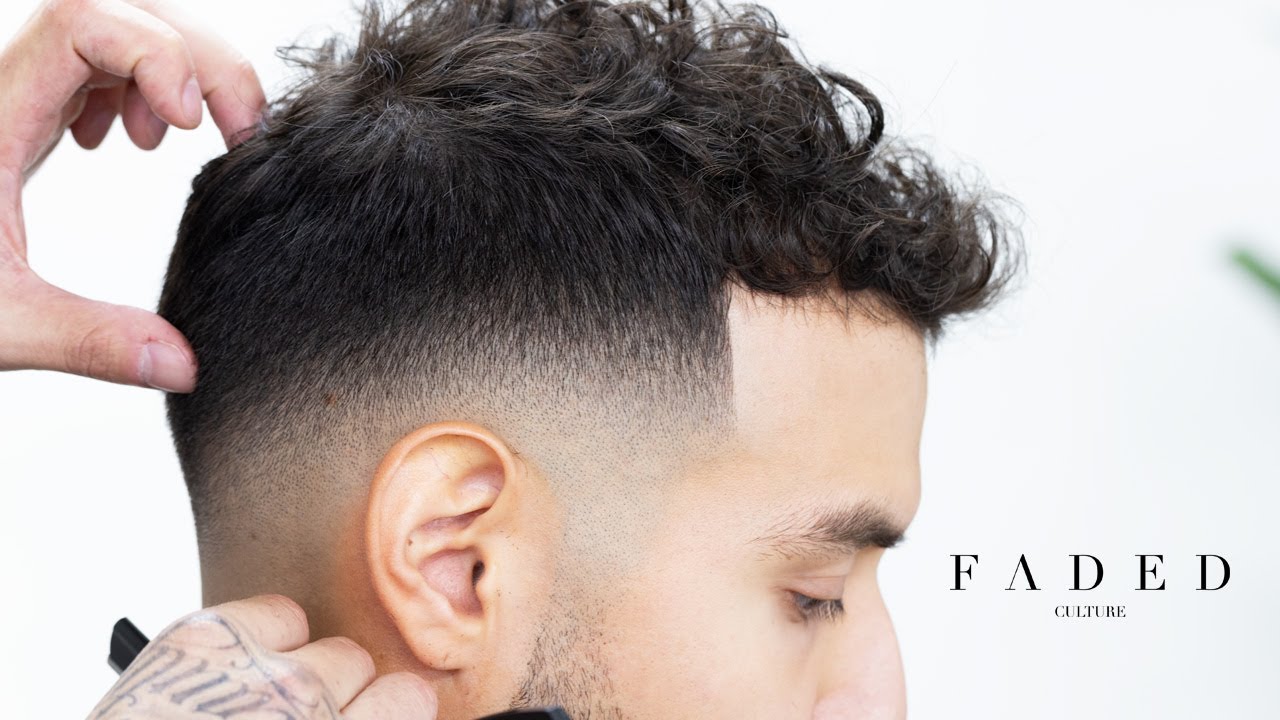
What Is A Mid Fade?
In simple terms, a mid fade is a graduated haircut where the hair tapers from longer on top to shorter on the sides, with the fade line starting approximately at temple height — right between your ear top and temple.
Classic Mid Fade Variations
Traditional Mid Fade
The traditional mid fade maintains uniform graduation from a #2 guard up to scissor length. This timeless cut works for conservative offices and formal events.
Most barbers blend this style using clipper-over-comb techniques for seamless transitions between lengths.
Textured Mid Fade
Adding texture through point cutting creates natural movement and dimension in the hair. The choppy layers on top contrast beautifully with clean fade lines.
Request texturizing shears for added definition, especially if you have thick, straight hair that needs volume.
 fade haircuts – textured mid fade” class=”wp-image-54727″/>
Natural Blend Mid Fade
Soft transitions without harsh lines characterize the natural blend approach. The fade flows organically from dark to light using freehand clipper techniques.
Perfect for guys wanting a low-key professional look that grows out gracefully between cuts.
Mid Fade With Different Top Lengths
Short Top Mid Fade
Keeping the top at 1-2 inches creates a military-inspired, athletic aesthetic. The short length emphasizes facial features and requires minimal daily styling.
Use matte paste for texture or leave natural for that fresh-from-the-barber look.

Medium Length Mid Fade
Three to four inches on top offers maximum styling versatility. You can slick it back for meetings or tousle it forward for weekend casual.
This length works with pomades, clays, or sea salt sprays depending on your desired finish.
Long Top Mid Fade
Five to six inches creates dramatic contrast against the faded sides. The length allows for man buns, top knots, or flowing textured styles.
Blow-dry with heat protectant and use medium-hold products to control movement without stiffness.

Extra Long Contrast Mid Fade
Seven inches or more on top makes a bold statement piece. The extreme contrast between long and short sections turns heads everywhere.
Regular trims keep the weight balanced while maintaining that eye-catching length differential you’re after.

🧠 Expert Advice
Match your top length to your morning routine — if you have five minutes for styling, stick with 3-4 inches max. Longer lengths need 10+ minutes of blow-drying and product application to look intentional rather than messy.

Modern Mid Fade Styles
Disconnected Mid Fade
A hard line separates the top completely from the faded sides. This bold choice creates an edgy, fashion-forward statement for confident guys.
The disconnection works best with 3+ inches on top for proper contrast definition.

Mid Fade Pompadour
Classic pompadour height meets modern fade techniques for timeless sophistication. Volume at the front gradually decreases toward the crown.
Strong-hold pomade and blow-drying upward and back achieves that iconic Elvis-inspired silhouette.

Quiff Mid Fade
The quiff pushes hair up and slightly forward for casual coolness. Less formal than pompadours, quiffs offer effortless style with minimal product.
Matte clay provides natural texture while maintaining the signature upward sweep all day.
⚠️ Common Mistake
Using heavy products on fine hair kills your mid fade‘s natural movement — the weight pulls everything flat against your scalp. Switch to lightweight mousses or texture sprays that add grip without the grease factor.
Specialty Mid Fade Techniques
Shadow Mid Fade
Gradual darkness creates shadow effects without harsh lines. The technique uses guard sizes incrementally for seamless blending.
This subtle approach works perfectly for first-timers nervous about dramatic fades or conservative workplaces.
Burst Mid Fade
The fade curves around your ear in a semicircle pattern. This technique adds visual interest while maintaining length at the neckline.
Burst fades complement round faces by adding angular elements to your overall silhouette.

Drop Mid Fade
The fade line drops behind your ear creating an arc effect. This elongates your head shape and adds contemporary edge.
Drop fades work especially well with disconnected tops and longer hairstyles requiring dramatic contrast.

Temple Mid Fade
Concentrated fading around temples only leaves the back fuller. This targeted approach suits guys with cowlicks or difficult growth patterns.
The selective fading maintains fullness where needed while cleaning up problem areas specifically.
Bald Mid Fade
Skin-tight fading creates maximum contrast against longer hair. The zero-guard bottom requires confidence and frequent maintenance.
Expect touch-ups every 5-7 days to maintain that fresh-from-the-chair appearance consistently.
Not sure what your face shape is? Our Face Shape Detector figures it out in 4 quick questions.

Seasonal Mid Fade Adaptations
Summer Mid Fade
Shorter lengths provide cooling relief during hot months. The exposed skin helps sweat evaporate quickly.
Consider going one guard size shorter than usual for extra ventilation and comfort.

Winter Mid Fade
Leave slightly more length for warmth without sacrificing style. The extra coverage protects against cold winds.
Moisturizing products combat winter dryness that makes hair brittle and harder to style.

Spring Fresh Mid Fade
Brighten your look with crisp lines and fresh texture for renewal season. Add subtle highlights if you’re feeling adventurous.
This transitional cut bridges the gap between winter’s longer styles and summer’s shorter preferences.

Explore More Fade Styles
Fade Haircuts (Complete Guide)
Low Fade
High Fade
Skin Fade
Drop Fade
Taper Fade
Low Fade for Black Men
Blonde Low Fade
Low Fade Designs
Short Hair + Low Fade
Long Hair + Low Fade
Curly Hair + Low Fade
High Fade for Boys
Asian Low Fade
Buzz Cut
Taper vs Fade
🎬 SUPER CLEAN MID DROP FADE HAIRCUT TUTORIAL!
Ready to Find Your Perfect Cut?
You’ve read about the styles. Now find the one that fits YOUR face shape, hair type, and lifestyle.
FAQs
How Often Should I Get My Mid Fade Touched Up?
Most guys need touch-ups every 2-3 weeks to maintain crisp lines. If you prefer a more relaxed look, you can stretch it to 4 weeks.
Your hair growth rate and desired sharpness level determine the ideal schedule.
What’s The Difference Between A Mid Fade And A Low Fade?
A mid fade starts at temple height, roughly halfway up your head’s side. Low fades begin just above the ears, keeping more length overall.
Mid fades offer more dramatic contrast while low fades provide subtle, professional graduation.
Can I Get A Mid Fade With Thinning Hair?
Yes, mid fades actually help disguise thinning by removing bulk from sides. The contrast makes remaining top hair appear fuller and denser.
Work with your barber to find the optimal length that maximizes coverage without emphasizing thin spots.
What Guard Sizes Are Used For A Mid Fade?
Typically starts with 0 or 1 at the bottom, blending through 2, 3, and 4 guards. The top might use scissors or guards 5-8.
Your barber adjusts sizes based on your hair density and desired contrast level.
How Much Does A Quality Mid Fade Cost?
Expect $25-60 depending on location, barber experience, and shop atmosphere. High-end barbershops in major cities charge $75-100+.
Remember that skilled fade work takes 30-45 minutes, justifying higher prices for expertise.
REFERENCES:
Getting a fade haircut is simple: Any barber in the country will go straight to work if you sit in the chair and ask for one. source
A fade or Jersey is a hairstyle. In a fade, a barber cuts the hairs at the back of the neck and sides of the head short and there is longer hair on the top of the head. source
Was this article helpful?

Khamis Maiouf is a professional barber who graduated from Hinckley College in England with a Level 3 qualification in hairdressing. With over 20 years of experience, he is an award-winning barber who has mentored numerous students and styled thousands of clients. A recognised expert featured on StyleCraze (20M+ readers).
Credentials: Level 3 Hairdressing (Hinckley College, UK) • 20+ Years Professional Experience • Featured Expert on StyleCraze • Founder of Book of Barbering