

The ducktail is the most underrated beard shape in barbering. It works on almost every face, grows out gracefully, and walks the line between rugged and polished better than any other style I know.
These 25 ducktail variations cover everything from short professional versions you can wear to the office to bold full-length points that turn heads. If you’re ready to move beyond the standard beard types, start here.
Key Takeaways
- The ducktail beard tapers to a pointed chin while keeping fuller sides — a balanced look that suits almost every face shape
- Short ducktails need only 4–6 weeks of growth; full-length versions require 4–8 months of patience
- Trim every 5–7 days with scissors to maintain the point — clippers alone can’t achieve the precise taper
- Beard oil and wax are essential for training the hair downward toward the point
- The ducktail is one of the most professional-friendly pointed styles — subtle enough for the office, sharp enough for the weekend
Sculpt a Sharp Ducktail Beard
The ducktail lives on a pointed, sculpted shape — you need conditioning to keep it soft and a trimmer to hold that clean taper.
Viking Revolution Beard Oil
A few drops a day softens the hair, kills the itch and stops the flakes. The cheapest habit that makes any beard look intentional.
Check it on Amazon →Viking Revolution Ultimate Beard Kit
Oil, balm, boar brush, comb and scissors in one box. If you’re serious about the look, this is the whole routine sorted — my pick for most men.
Check it on Amazon →Philips Norelco Beard Trimmer
Sharp cheek and neck lines are what separate “groomed” from “scruffy.” A trusted trimmer makes them easy to hold week to week.
Check it on Amazon →As an Amazon Associate, I earn from qualifying purchases — at no extra cost to you. Current price and availability are shown on Amazon.
What Is A Ducktail Beard?
A ducktail beard features a pointed bottom that resembles a duck’s tail, created by trimming the sides shorter while maintaining central length and volume. This
How To Shape A Ducktail Beard
Shaping a ducktail requires strategic trimming that gradually narrows from the cheeks to the chin. Start by establishing your desired length at the point, then use clippers or scissors to taper the sides progressively shorter.
The cheek lines should angle inward while maintaining fullness through the chin area. Regular maintenance every 5-7 days keeps the distinctive shape intact, focusing on preserving the point while controlling side growth.
Short Ducktail Beard
The short ducktail maintains the signature point at just 1-2 inches of length, perfect for professional environments or beard beginners. This compact version requires only 4-6 weeks of growth and offers easy maintenance with weekly trimming. The subtle taper creates definition without overwhelming your features, making it ideal for first-time ducktail wearers or those with slower growth patterns.

Long Ducktail Beard Style
A long ducktail beard extends 4-6 inches or more, creating dramatic impact with its pronounced point. This bold variation requires at least 6-8 months of dedicated growth and works best with naturally straight or wavy hair textures. The extended length allows for more dramatic tapering from sides to point, though it demands daily grooming with beard oil and regular professional shaping to maintain its distinctive silhouette.

Medium Length Ducktail
The medium ducktail strikes the perfect balance at 2-3 inches, offering noticeable style without excessive maintenance. This versatile length works across most face shapes and professional settings while still making a statement.
Growing time ranges from 2-4 months, and the moderate length allows for easy home maintenance between barber visits. It’s currently the most requested ducktail variation among men seeking manageable distinction.
Pointed Ducktail Beard
The pointed ducktail emphasizes an ultra-sharp tip that creates maximum visual impact. This precision style requires careful scissor work to achieve the perfect point, often trimmed to a near-triangular shape.
Best suited for men with dense facial hair that holds shape well, this variation makes a bold statement. Weekly touch-ups maintain the sharp point, while daily brushing downward reinforces the dramatic taper.

Rounded Ducktail Style
A rounded ducktail softens the traditional point into a gentle curve, creating a more approachable aesthetic. This variation suits men who want the ducktail’s tapering effect without the aggressive point.
The rounded bottom works particularly well with curly or coarse beard textures that naturally resist sharp angles. Maintenance focuses on preserving the curved shape while preventing the bottom from becoming too blunt or square.

Full Ducktail Beard
The full ducktail combines maximum coverage with the signature pointed shape, featuring dense growth throughout. This substantial style requires excellent genetics or several months of growth to achieve proper thickness.
The fullness through the cheeks gradually tapers to the point, creating an impressive silhouette. Regular conditioning with beard balm helps manage the volume while maintaining the distinctive ducktail shape that defines this bold variation.
Ducktail With Handlebar Mustache
Pairing a ducktail beard with a handlebar mustache creates vintage sophistication with modern edge. The upward curl of the handlebar contrasts beautifully with the downward point of the ducktail, drawing attention to both features.
This combination requires commitment to daily mustache wax application and regular beard maintenance. The dramatic styling works best for special occasions or men comfortable making bold grooming statements.

Tapered Ducktail Beard
The tapered ducktail features a gradual fade from the sideburns down to the pointed tip. This smooth transition creates a sleek, modern appearance that works exceptionally well with contemporary haircuts.
The tapering technique requires skilled clipper work to blend lengths seamlessly. Professional barbers recommend this variation for men wanting a polished look that transitions naturally from haircut to beard.

Ducktail With Fade
Incorporating a fade into your ducktail creates seamless integration with your hairstyle. The fade typically starts at the sideburns, gradually increasing density toward the chin point.
This modern technique works particularly well with skin fades or undercut hairstyles. The precision required makes professional maintenance essential every 2-3 weeks to keep the fade crisp while preserving the ducktail’s distinctive shape.

Thick Ducktail Beard
A thick ducktail showcases maximum density while maintaining the characteristic pointed shape. This powerful variation suits men blessed with naturally thick facial hair who want to maximize their beard’s visual impact.
The substantial volume requires daily brushing and regular oil application to prevent tangling. Despite its fullness, careful shaping ensures the ducktail point remains defined rather than becoming a shapeless mass.
Narrow Ducktail Style
The narrow ducktail keeps width minimal through the cheeks while maintaining length toward the point, creating an elongated diamond shape. This slimming variation works exceptionally well for men with wider faces or those preferring a more subtle beard presence.
The controlled width requires precise trimming along the sides while preserving central length. It’s particularly flattering for professional settings where fuller beards might seem overwhelming.

Wide Ducktail Beard
A wide ducktail maintains broader coverage through the cheeks before tapering to the point, creating a substantial triangular silhouette. This variation suits men with narrow faces who want to add width and presence.
The wider profile requires careful shaping to prevent looking unkempt while maintaining the essential ducktail taper. Regular trimming keeps the width proportional while preserving the pointed bottom that defines the style.

Ducktail With Chevron Mustache
Combining a ducktail beard with a chevron mustache creates classic masculinity with timeless appeal. The thick, angled chevron mustache complements the beard’s pointed shape while maintaining distinct separation.
This pairing works best when both elements are kept at similar density levels for visual balance. The combination requires minimal styling products, making it perfect for men wanting impressive facial hair without complex maintenance routines.
Natural Ducktail Beard
The natural ducktail embraces your beard’s organic growth patterns while gently shaping the characteristic point. Rather than forcing strict lines, this relaxed approach works with your facial hair’s natural tendencies.
Minimal trimming focuses on enhancing the existing taper rather than creating dramatic angles. This low-maintenance option suits men whose beards naturally grow into a pointed shape or those preferring a more rugged aesthetic.

Sculpted Ducktail Style
A sculpted ducktail features precise geometric shaping that creates an almost architectural appearance. Every line is deliberately crafted, from the sharp cheek lines to the perfectly symmetrical point.
This high-maintenance style requires professional shaping every 2-3 weeks plus daily grooming to maintain its precision. The sculpted approach works best with straight, manageable beard hair that holds its shape between maintenance sessions.

Ducktail With Soul Patch
Adding a soul patch to your ducktail creates layered visual interest below the lower lip. The small patch of hair bridges the gap between mustache and beard point, adding definition to the chin area.
This combination works particularly well with shorter ducktails where the soul patch helps emphasize the vertical lines. Keep the soul patch neatly trimmed to prevent it from blending completely into the beard.
Salt and Pepper Ducktail
The salt and pepper ducktail celebrates natural graying patterns within the distinctive pointed shape. The mix of dark and silver hairs creates sophisticated depth that younger beards can’t replicate.
This distinguished variation benefits from quality beard oil to enhance the contrast between colors. Many mature men specifically choose the ducktail shape because its defined lines showcase their gray patterns beautifully while maintaining a sharp, intentional appearance.

Curly Ducktail Beard
Creating a ducktail with curly facial hair requires strategic length management to achieve the signature point. The natural volume of curls works advantageously for fullness, though achieving the taper demands extra attention.
Not sure what your face shape is? Our Face Shape Detector figures it out in 4 quick questions.
Regular conditioning with beard balm helps control curl pattern while maintaining shape. Leave extra length at the point to account for curl shrinkage, and consider using a heated brush for special occasions when you want maximum definition.
Straight Hair Ducktail
Straight beard hair creates the cleanest ducktail lines with minimal effort, naturally falling into the desired pointed shape. This hair type holds the taper exceptionally well between trims, requiring less product for maintenance.
The main challenge involves adding volume through the cheeks if your straight hair tends to lie flat. Strategic layering during trimming creates dimension while preserving the smooth taper to the point.

Ducktail With Sharp Lines
The sharp-lined ducktail emphasizes razor-defined edges along the cheeks and neckline. These crisp boundaries create strong contrast against the skin, framing the ducktail’s natural taper.
Maintaining sharp lines requires touch-ups every 3-4 days with a precision trimmer or straight razor. This modern interpretation works especially well with darker hair colors where the contrast is most visible, creating an almost graphic effect.
Professional Ducktail Beard
The professional ducktail balances style with workplace appropriateness through controlled length and neat maintenance — a standout among professional beard styles. Typically kept at 1-2 inches with subtle tapering, this version avoids extreme points in favor of gentle shaping.
Daily grooming with beard balm keeps everything in place during long workdays. The professional ducktail proves you can maintain personality in your appearance while respecting corporate grooming standards.

Rugged Ducktail Style
A rugged ducktail combines the signature pointed shape with deliberately rough textures for outdoorsy appeal. Rather than perfect symmetry, this variation embraces slight irregularities while maintaining the overall taper.
Minimal product use allows natural texture to show through, though strategic trimming preserves the ducktail silhouette. This style suits men who want the ducktail’s distinctive shape without appearing overly groomed or precious about their beard.
Ducktail With Disconnected Mustache
The disconnected mustache ducktail features a clear separation between the mustache and beard, creating distinct facial hair zones. This modern styling choice emphasizes each element independently while maintaining overall harmony.
The gap typically measures 5-10mm and requires precise maintenance to keep clean. This variation works particularly well for men with patchy connection points who want to embrace the separation rather than trying to force connection.
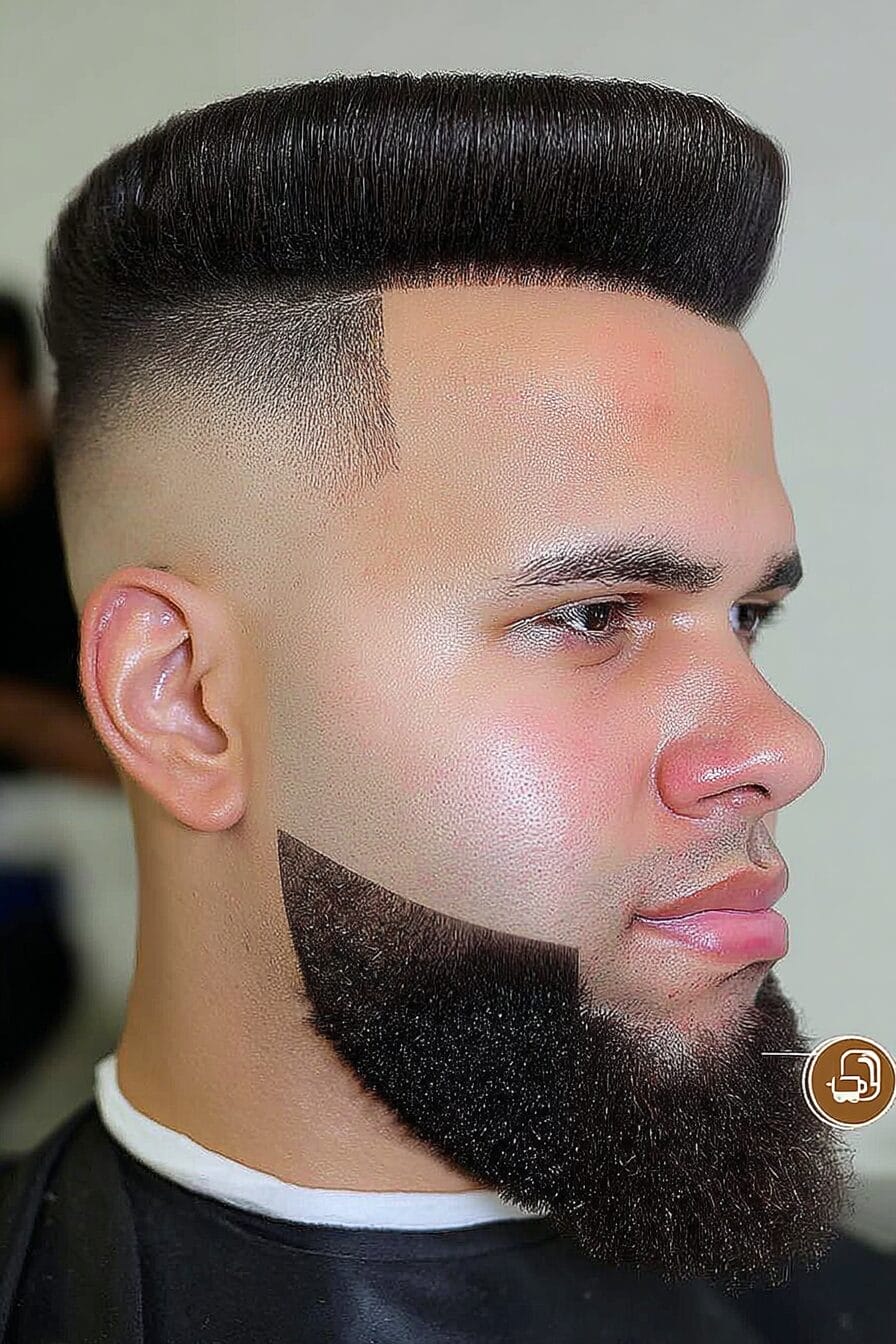
Heavy Stubble Ducktail
The heavy stubble ducktail maintains the pointed shape at just 5-10mm length, perfect for men wanting the style without commitment. This ultra-short variation requires trimming every 3-4 days to maintain the ducktail silhouette before it becomes shapeless stubble.
Despite its minimal length, careful shaping still creates the characteristic taper from cheeks to chin. It’s ideal for testing whether the ducktail suits your face before growing longer.
🎬 $270 BEARD LINE UP \u0026 SHAPING #labarber #losangelesbarber #hollywoodbarber #beard
FAQs: Ducktail Beard Styles
How long does it take to grow a ducktail beard?
Growing a proper ducktail beard typically requires 6-12 weeks for a short version and 3-6 months for longer styles. The minimum length needed to create the distinctive point is about 1 inch, achievable for most men within 6-8 weeks.
During growth, resist the urge to trim too early—wait until you have sufficient length to establish the tapered shape. Regular conditioning with beard oil throughout the growing phase ensures healthy hair that’s easier to shape once you reach target length.
What face shape suits a ducktail beard best?
Ducktail beards work exceptionally well with round and square faces because the pointed shape creates lengthening visual lines. The downward taper adds definition to soft jawlines while the controlled width prevents adding bulk to wide faces.
Oval faces can wear any ducktail variation successfully. Men with rectangular faces should choose wider, less pointed versions to avoid excessive face elongation. The key is adjusting the angle and width of your ducktail to complement your natural face proportions.
How do I maintain the point on my ducktail beard?
Maintaining the ducktail’s signature point requires weekly precision trimming focusing on the bottom center of your beard. Use sharp barber scissors to carefully shape the point, trimming upward at an angle from each side toward the center.
Between trims, daily brushing downward reinforces the pointed shape. Apply beard balm after showering to help train the hair into position. Many men find that trimming less than they think necessary prevents accidentally removing too much from the crucial point area.
What products do I need for styling a ducktail beard?
Essential ducktail styling products include beard oil for daily conditioning, beard balm for shape control, and a quality boar bristle brush for training hair direction. Sharp trimming scissors are crucial for maintaining the point, while electric clippers with guards help taper the sides.
A precision trimmer handles edge work and cleanup. For special occasions, beard wax provides extra hold for keeping your ducktail’s shape intact throughout the day. Start with oil and balm as basics, adding other products as your styling needs evolve.
Is a ducktail beard professional?
Yes — the ducktail is one of the most professional-friendly beard styles you can wear. The shorter versions (1–2 inches) are subtle enough for corporate environments while still looking intentional. The key is keeping the lines clean, trimming regularly, and avoiding an overly dramatic point. Many executives and business professionals wear a ducktail because it projects confidence without looking unkempt.
Was this article helpful?
Find Your Perfect Beard Style
You’ve seen the options. Now find the one that actually suits YOUR face shape and growth pattern.
Take the Quiz →
Khamis Maiouf is a professional barber who graduated from Hinckley College in England with a Level 3 qualification in hairdressing. With over 20 years of experience, he is an award-winning barber who has mentored numerous students and styled thousands of clients. A recognised expert featured on StyleCraze (20M+ readers).
Credentials: Level 3 Hairdressing (Hinckley College, UK) • 20+ Years Professional Experience • Featured Expert on StyleCraze • Founder of Book of Barbering