

— Award-Winning Barber · 20+ Years Experience · Level 3 Qualified
Right now half the men sitting in my chair show me the same thing on their phone: a slicked-back, sharp-sided Italian cut from a TikTok “old money” or mob-boss edit. It’s the most-requested look of 2026, and the good news is you don’t need Italian genes to pull it off.
After more than 20 years behind the chair, I can tell you the secret is proportion, not heritage — clean lines at the temples, real length and movement on top, and a matte or low-shine product instead of stiff gel. Get those three right and almost any face shape or hair type can wear an Italian style.
Key Takeaways
- The Italian look is built on proportion, not genetics — sharp temple lines plus soft, natural texture on top
- The viral “old money” Italian cut is a low taper (not a skin fade) with 3–4 inches on top, worn in a middle or side part
- Ask for scissor work on the sides and a soft blend with no hard lines — that’s what separates it from a generic fade
- Use pomade, cream, or matte clay — never stiff gel — for shine without the helmet look
- These cuts suit straight, wavy, and curly hair; a barber visit every 3–4 weeks keeps them sharp
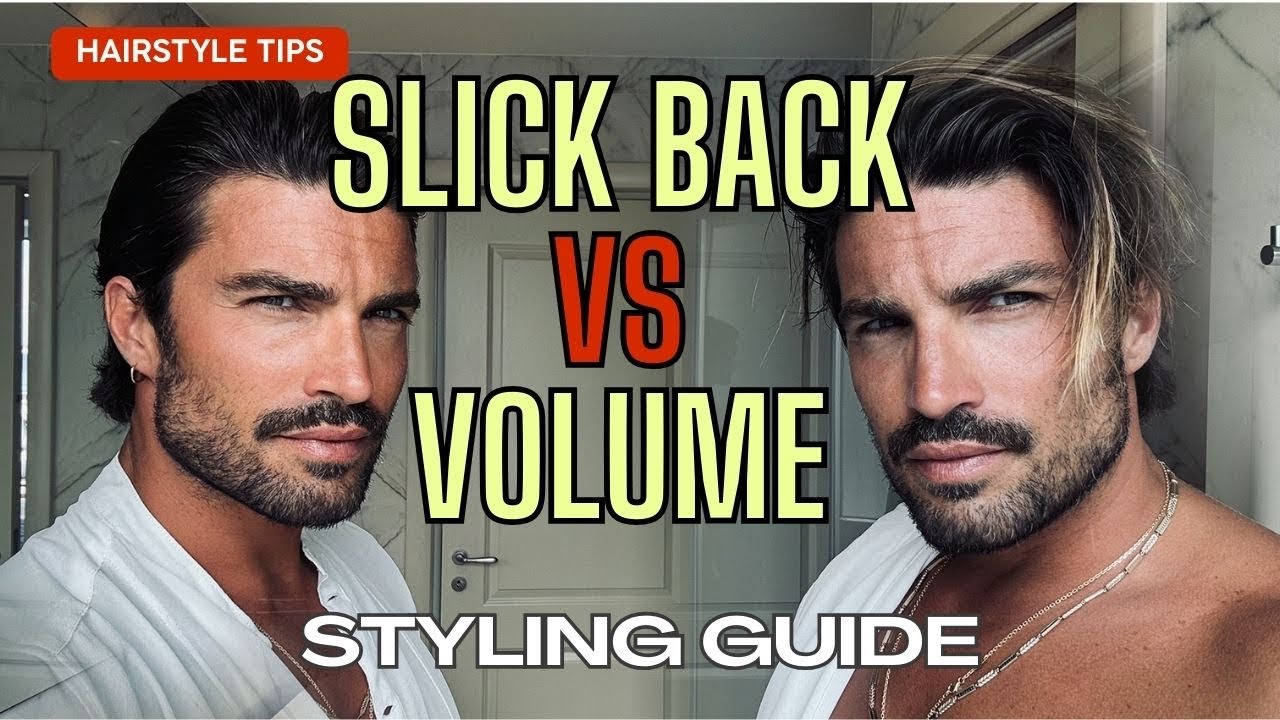
Italian style aside, you can compare 25 haircut styles for men ranked by face shape and lifestyle.
Italian Haircut vs Canadian Haircut: What’s the Difference?
Clients ask me this weekly, because at a glance the two look identical — short sides, length on top. The real difference is texture and finish.
Not sure which style suits you best? Our Haircut Finder Quiz matches you with the right cut based on your face shape and hair type — takes 60 seconds.
The Canadian (the “Canadienne”) keeps the top smooth, swept back, and uniform — it’s the boardroom version. The Italian cut leaves in deliberate movement: more wave, more texture, more of that “I ran my fingers through it at a café” looseness.
Both start from similar proportions, but the Italian finish leans on cream or pomade rather than hard-hold product. If your hair has natural wave or curl, the Italian cut works with your texture instead of fighting it. If it’s poker-straight and lies flat, the structured Canadian finish is easier to hold.
The “Old Money” Italian Cut Everyone’s Asking For in 2026
This is the one driving the trend, so I’ll be specific about how to get it. The “old money” or Italian mafia slick-back is really a low taper with 3–4 inches left on top, styled straight back or into a middle part. It reads expensive because it’s understated — no hard lines, no flashy fade.
Here’s exactly how to ask your barber for it, in plain words that avoid the usual mix-ups: “Low taper on the sides — not a skin fade — scissor work up top, keep 3 to 4 inches for styling, and blend it soft with no hard parting line.” If you learn one phrase from this whole guide, make it that one. Most botched “old money” cuts happen because the client says “fade” and walks out with harsh, buzzed sides that kill the classic feel.
It suits oval, oblong, and square faces especially well, and a low taper keeps a round face from looking wider. Style it with a coin-sized scoop of pomade or cream through damp hair, comb back or part it, and finish with a cool blow-dry. Bring a reference photo — and if you want to nail the vocabulary, our haircut terminology guide translates every barber term.
Classic Italian Cuts
The Slick Back (Italy’s “Old Money” Signature)
The slicked back is the cut most people picture when they think “Italian,” and it’s the backbone of the old-money trend. You want 4–5 inches on top so the hair actually sweeps back and holds, with the sides kept tight by a scissor or low taper.
Work a pea-to-coin-sized amount of pomade or cream through damp — not soaking — hair, then comb straight back. It flatters straight and wavy textures best, and it’s the one I’d hand a groom before a wedding. Skip it if your hairline is receding sharply, since pulling everything back highlights the temples; a loose side sweep hides them better.

Side Part With Precision
The side part is the office-friendly Italian cut. Ask for a natural part along your existing cowlick line and light-hold pomade — the whole look lives or dies on one clean, defined line.
Keep about 2–3 inches on top and taper the sides to your comfort level. It sharpens the jaw and is especially strong on oval and square faces. If your hair fights the part, have your barber add a subtle scissor channel — it trains the hair to fall the same way every morning.

Modern Italian Hairstyles
Textured Crop
The textured crop is the low-maintenance end of Italian style — short, layered, and slightly windswept. Ask for point-cutting through the top to break up weight, leaving roughly 1.5–2.5 inches, with a fringe you can wear down.
Finish with a matte clay, not shiny pomade — a dime-sized amount finger-raked through dry hair is all it takes. It’s my go-to recommendation for men with thick or medium-density hair who want to look put-together in under a minute. Fine hair benefits too, since the layering fakes extra volume.

Messy Quiff
The messy quiff trades the rigid pompadour for carefree lift — Italian cool without the effort showing. Start with a blow-dryer to build height at the roots, then break the shape up with a knob of matte wax so it looks lived-in rather than sculpted.
It reads young and approachable and pairs perfectly with stubble underneath. Keep 3–4 inches at the front to get real movement; anything shorter and it flattens into a plain crop. Wavy hair takes to this fastest.

Disconnected Undercut
The disconnected undercut is the boldest Italian option — a hard jump from long top to buzzed sides with no blend. Italian barbers soften it slightly around the crown so it frames the face instead of looking like a helmet.
It’s made for thick hair, where the density holds volume on top. Ask for a #2 or #3 guard on the sides against 4–5 inches up top, and decide up front whether you’ll style it slick or textured — it’s a high-contrast look that demands you actually style it each morning. Not one for low-effort weeks.

Italian Fade Styles
Low Fade With Slick Back
A low fade is the softer cousin of the taper — it starts just above the ear and drops cleanly to the neckline, keeping all the attention up top. It’s the most wearable way to modernise a slick back without the severity of a high fade.
This is my pick for weddings and events where you want polish without shouting. Ask for the fade to start no higher than the top of the ear so it stays “old money” rather than trendy-sharp. It suits nearly every face shape because the contrast is gentle.

Mid Fade With Side Part
The mid fade lifts the fade line to the temple and pairs it with a defined side part. It’s the most versatile Italian fade — modern enough for a younger crowd, tidy enough for the office.
The higher fade line draws the eye upward and lengthens rounder faces. Ask your barber to carve a hard part line only if you want the sharp, styled version; leave it as a natural part for a softer everyday finish. Works on straight and wavy hair alike.
High Fade With Pompadour
High fades are for men who want maximum contrast and drama — the sides go short high on the head, throwing all the weight into a tall pompadour on top. It’s the closest thing to vintage Italian cinema you can walk out with.
Be honest with yourself about upkeep: a high fade blurs within two weeks and the pompadour needs a blow-dry and strong-hold product daily. It sharpens cheekbones and the jaw, but it’s the highest-maintenance look on this list. Skip it if your mornings are rushed.
Curly Italian Hairstyles
Curly hair might be the most authentically Italian texture of all, and the trick is working with the curl, not flattening it. Start every style with moisture — a leave-in conditioner or curl cream defines the shape without the crunch you get from gel.
Ask your barber to remove weight from the sides while leaving length on top, so the curls stack up instead of spreading into a triangle. Insist the cut is done on dry hair — wet curls stretch out and spring back shorter than expected, which is how men end up too short. Done right, curly Italian cuts look effortlessly expensive.

Italian Beard Pairings
Stubble With Slick Back
Stubble under a slick back is the pairing I recommend most, because the rough texture below balances the polish on top. Keep the stubble at a 3–5mm trimmer guard and, more importantly, keep the neckline and cheek line clean — that one detail is what makes stubble look designed rather than lazy.
It’s the easiest combo to maintain on this list: a two-minute trim every few days and you’re set. It suits almost everyone and instantly adds a few years of authority to a baby face.
Full Beard With Medium Cut
A full beard under a medium Italian cut is the power look — volume top and bottom, framing the whole face. The key is proportion: keep the beard shaped and the sides of the hair tight, or the head starts to look round.
This one asks for real beard care — daily oil, a boar-bristle brush, and a monthly shape-up from your barber. Reward is a commanding, unmistakably Italian silhouette. It’s best on men who can grow even density; patchy growth looks better with the stubble option above.

Goatee With Side Part
A goatee under a precise side part adds personality without the commitment of a full beard. The defined chin hair sharpens the profile while the clean part keeps the whole thing tidy and intentional.
Keep the goatee tight and symmetrical — check it in a mirror from both sides after every trim. It’s a strong pick for men who want a little edge but need to stay boardroom-appropriate, and it flatters longer and oval faces by adding shape to the chin.

Casual Italian Styles
Messy Fringe
The messy fringe is the off-duty Italian look — hair falling forward across the forehead with just enough control to look intentional. Ask for a soft, textured fringe rather than a blunt one, and style it with a small amount of cream or paste through dry hair.
It’s youthful, forgiving, and my recommendation for anyone wanting a break from styling every strand. It’s especially kind to high foreheads and receding hairlines, since the fringe covers rather than exposes them.
Loose Side Sweep
The loose side sweep is the side part’s relaxed brother — same direction, none of the rigidity. You push the hair across with your fingers instead of a comb, so it stays soft and approachable.
It works best on medium lengths and fine-to-medium textures, and it’s the most flattering option for a receding hairline because it drapes across the temples instead of pulling away from them. A pump of light cream is all the product it needs.
Maintenance Tips For Italian Hairstyles
Regular Barber Visits
Book a touch-up every three to four weeks. Tapers and fades blur first, and it’s the sideburn and neckline that quietly ruin a sharp Italian cut once they grow out.
The rule I give every client: come in before it looks like it needs it. If you wait until the cut is obviously overgrown, you’ve already spent a week looking unkempt. Staying on schedule is the single cheapest way to look like you spend more on your hair than you do.
Proper Shampoo And Conditioner
Mediterranean and thick hair types tend toward dryness, so hydration matters. Shampoo two or three times a week — not daily — and condition every wash to keep the cuticle smooth and the shine natural rather than greasy.
Over-washing is the most common mistake I see: it strips the oils that give Italian styles their healthy sheen and leaves the hair frizzy and hard to control. Let your scalp do some of the work.
Daily Styling Routine
A good Italian style takes about two minutes a day. Towel-dry, work a small amount of your chosen product through the mid-lengths and ends, set the part or sweep, and finish with a cool blow-dry to lock the shape.
Less product than you think is the secret — start small and add only if you need it. Piling on pomade is what turns “effortless” into “greasy,” and it’s almost always the reason a cut that looked great in the chair falls flat at home.
FAQs
What Makes Italian Men Hairstyles Unique?
Italian hairstyles merge precision with natural flow — sharp lines at the temples, soft movement on top. The look has to appear intentional but never stiff, and that balance is exactly why it adapts to almost any face shape or occasion, from the office to a night out.
What Is the “Old Money” Italian Haircut?
It’s a low taper (not a skin fade) with 3–4 inches left on top, worn slicked back or in a middle or side part, and finished with a soft blend and no hard lines. The understated, expensive-looking result is why it went viral in 2026 under names like “old money” and “Italian mafia slick back.”
Which Italian Hairstyles Work Best For Thick Hair?
Medium layered cuts and textured crops are ideal for thick hair, because they remove excess weight while keeping shape and movement. Ask your barber to add tapering or point-cutting to control density — with thick hair, strong growth becomes an advantage rather than a problem.
How Do I Maintain A Slick Back Without Grease?
Use a lightweight pomade or cream — not gel — and apply a pea-sized amount to damp, not wet, hair before combing back. That gives you a controlled sheen instead of greasy build-up. Wash two or three times a week to keep it fresh, and always start with less product than you think you need.
Are Italian Hairstyles Suitable For Curly Hair?
Absolutely — curly hair is arguably the most authentically Italian texture. Curly fades, medium curly flows, and defined natural curls all highlight the texture instead of hiding it. Use a curl cream or leave-in for shape, and have the cut done on dry hair so the length lands where you expect.
What Face Shape Suits Italian Hairstyles Best?
Oval and oblong faces suit them most naturally, but the style is more versatile than people assume. A textured crop adds height to round faces, while a side part complements a square jaw. The trick is adjusting the volume and length ratio, not avoiding the style.
How Do I Ask My Barber for an Italian Haircut?
Be specific: “a medium-length cut, tapered or scissor sides, natural texture on top, and a soft blend with no hard lines.” Say whether you want a fade or a scissor taper, and bring a reference photo — Italian cuts range from slick backs to messy fringes, so a picture communicates what words often can’t.
Can I Style an Italian Hairstyle Without Using Product?
Some can go product-free if your hair is naturally wavy or thick — a messy fringe or loose side sweep will air-dry well. But slick backs and pompadours need cream or pomade to hold their shape. For a minimal approach, use a pea-sized amount of lightweight cream just to add direction and cut frizz.
Was this article helpful?
Ready to Find Your Perfect Cut?
You’ve read about the styles. Now find the one that fits YOUR face shape, hair type, and lifestyle.

Khamis Maiouf is a professional barber who graduated from Hinckley College in England with a Level 3 qualification in hairdressing. With over 20 years of experience, he is an award-winning barber who has mentored numerous students and styled thousands of clients. A recognised expert featured on StyleCraze (20M+ readers).
Credentials: Level 3 Hairdressing (Hinckley College, UK) • 20+ Years Professional Experience • Featured Expert on StyleCraze • Founder of Book of Barbering