✓ Written & Reviewed by Khamis Maiouf — Award-Winning Barber · 20+ Years Experience · Level 3 Qualified
Short fades are the backbone of modern barbering — they make up the majority of cuts I do every single week. The difference between a good short fade and a great one comes down to choosing the right fade height and clipper guard transition for your head shape. Below are 25 short fade styles I cut regularly, broken down by type so you can tell your barber exactly what you want.
Below are 25 short fade styles I cut regularly, each one with the guard numbers and blending technique so you can walk into any barbershop and get exactly what you want.
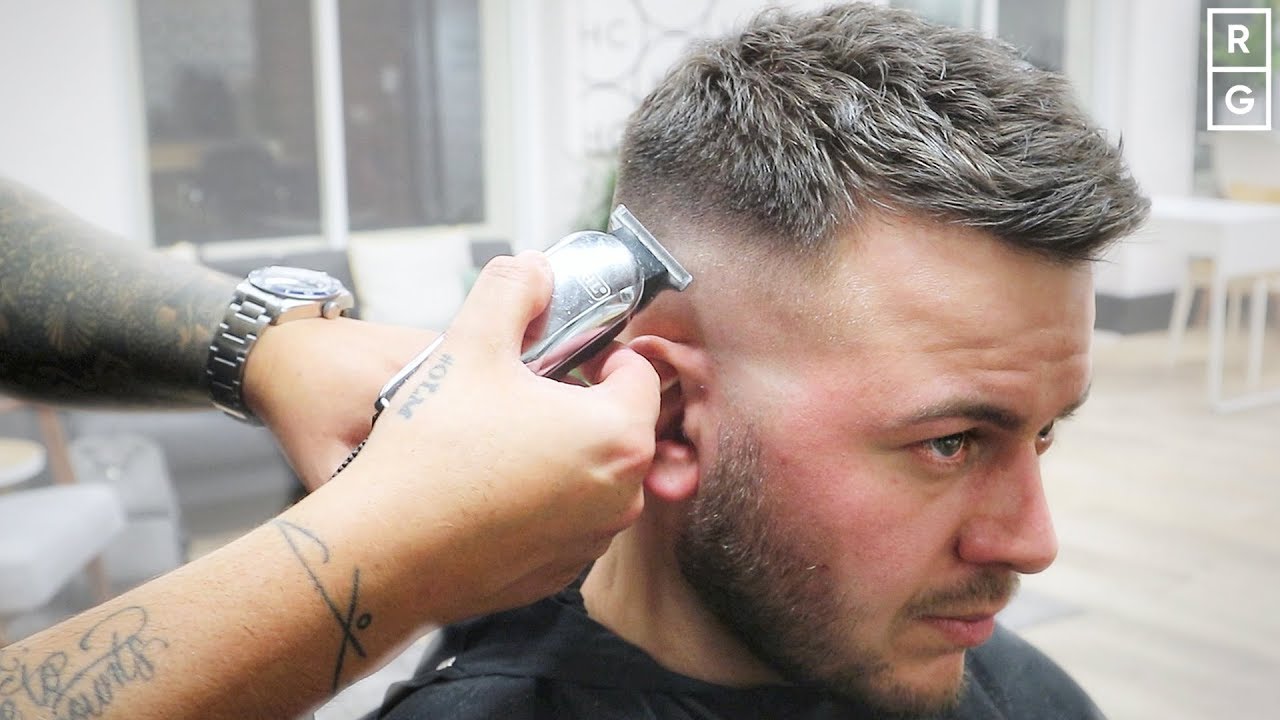
A short fade gradually blends hair from skin-level at the sides to longer lengths on top. The technique uses clipper guards to create seamless transitions between different hair lengths.
Most short fades keep the top under two inches, making them perfect for low-maintenance styling. The fade itself starts anywhere from the temple to just above the ears.
Classic Short Fades
Classic short fades have stood the test of time in barbershops worldwide. These traditional cuts form the foundation of modern barbering techniques.
Each classic style offers a distinct look that suits different face shapes and personal preferences. The key lies in understanding which variation complements your features best.
Low fade: Starts just above the ears for subtle blending
Mid fade: Begins at temple level for balanced proportions
High fade: Creates dramatic contrast with more scalp exposure
Taper fade: Gradually reduces length without showing skin
Low Skin Fade
The low skin fade starts its blend just above the ear, creating a subtle transition. This conservative approach works perfectly for professional environments where dramatic cuts aren’t appropriate.
The skin-level base typically extends only an inch above the ear before blending begins. Most barbers use a zero guard or razor to achieve that clean finish.
Mid Fade With Texture
Mid fades strike the perfect balance between subtle and statement-making styles. The fade begins at temple height, creating an even distribution of short and longer hair.
Adding texture on top with point cutting or texturizing shears creates movement and dimension. This combination works especially well for guys with straight or wavy hair.
High And Tight Fade
Military-inspired high and tight fades keep everything ultra-clean and minimal. The fade starts well above the temples, leaving only a small patch of longer hair on top.
This aggressive fade requires confidence to pull off but delivers maximum impact. Weekly maintenance keeps those high fade lines looking sharp and professional.
Traditional Taper Fade
The traditional taper fade gradually reduces length without exposing any skin. This timeless technique uses longer guard sizes, typically starting with a #2 or #3.
Barbers blend the taper using clipper-over-comb techniques for seamless transitions. The result looks polished without being too aggressive for conservative settings.
Bald Fade Classic
Bald fades take the skin fade concept to its absolute limit. The hair completely disappears at the base, creating stark contrast against longer top sections.
Achieving a perfect bald fade requires expert blending skills and multiple guard sizes. Most barbers finish with a straight razor for that glass-smooth feel.
Modern Textured Fades
Modern textured fades combine traditional cutting with contemporary styling techniques. These cuts emphasize natural hair movement and touchable, lived-in finishes.
The texture creates visual interest without requiring heavy styling products. Sea salt spray or lightweight paste enhances the natural movement perfectly.
Textured Crop Fade
The textured crop fade features choppy, horizontal fringe with graduated sides. French crop influences meet modern fade techniques for this trending style.
Point cutting creates the signature piecey texture that defines this look. The contrast between textured top and clean fade makes this cut incredibly versatile.
Messy Top Short Fade
Messy top fades embrace controlled chaos with deliberately tousled styling. The fade provides structure while the disheveled top adds personality and edge.
Matte clay or texture powder gives that perfectly imperfect finish. This style works best with medium-density hair that holds texture naturally.
Choppy Fringe Fade
Choppy fringe fades feature irregular, jagged edges across the forehead. This edgy approach softens angular face shapes while adding youthful energy.
The fringe typically sits between eyebrow and mid-forehead length for maximum impact. Texturizing paste applied with fingertips creates that perfectly imperfect separation.
Disconnected Texture Fade
Disconnected texture fades eliminate the blend between top and sides completely. This bold line creates dramatic contrast that demands attention.
The hard part or weight line runs parallel to your natural part. This architectural approach works best with thick, straight hair that holds sharp lines.
Buzz Cut Fade
The buzz cut fade combines uniform top length with graduated sides. A single guard size covers the entire top, usually between #2 and #4.
This no-nonsense approach takes five minutes to style each morning. The fade adds just enough detail to elevate the basic buzz.
Crew Cut With Fade
Crew cuts with fades keep slightly more length than buzz cuts. The front typically measures a half-inch longer than the crown area.
This subtle graduation creates natural forward movement without requiring product. The fade keeps everything looking fresh and intentional rather than grown out.
Military Regulation Fade
Military regulation fades meet strict armed forces grooming standards perfectly. The fade stays high and tight while maintaining professional appearance requirements.
These cuts typically feature zero-guard sides with no more than two inches on top. The precise lines and clean edges project discipline and attention to detail.
Ivy League Fade
The Ivy League fade adds collegiate polish to the traditional crew cut. The front keeps enough length for a subtle side part.
This refined take on athletic cuts works perfectly in business-casual environments. A small amount of pomade adds just enough shine without looking overdone.
Business Professional Fades
Business professional fades balance modern style with corporate appropriateness. These cuts project competence while avoiding anything too trendy or distracting.
The key lies in subtle blending and conservative fade heights. Natural-finish products maintain polish without obvious styling effort.
“The best business fade is one your CEO notices for looking sharp, not for being trendy.” – Master Barber wisdom
Executive Taper Fade
Executive taper fades offer maximum sophistication with minimal flash. The gradual taper never shows skin, maintaining complete professional coverage.
This boardroom-ready style works with natural parts and classic styling. Light pomade or cream provides control without visible product buildup.
Side Part Fade
Side part fades combine timeless parting with contemporary fade techniques. The hard part option adds definition without being too aggressive.
This versatile style transitions seamlessly from morning meetings to evening events. Medium-hold pomade keeps the part crisp throughout long workdays.
Curly Hair Short Fades
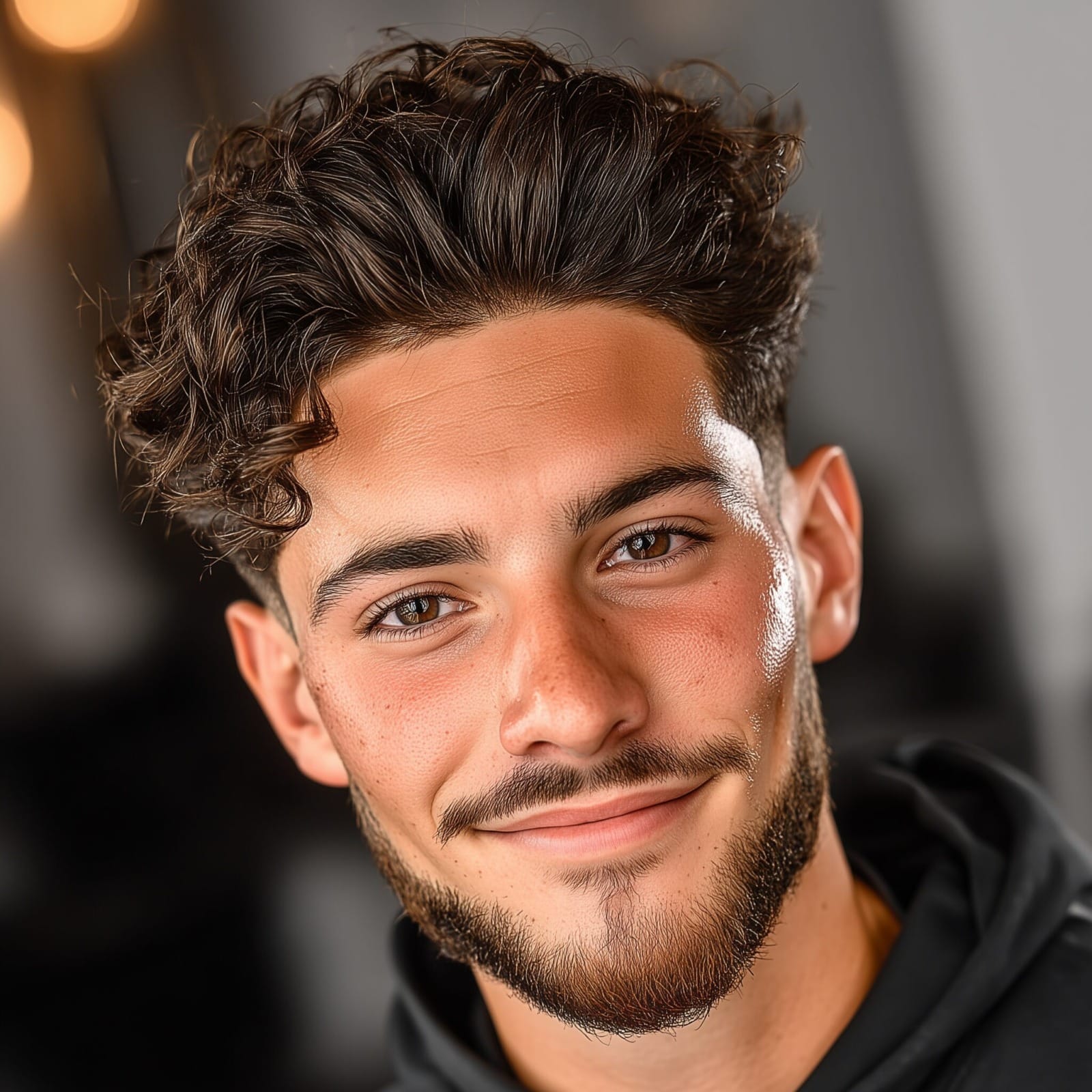
Curly hair fades require specialized techniques to manage texture transitions. The natural volume creates different visual effects than straight hair fades.
Proper tension and cutting angles prevent uneven curl patterns. Moisturizing products keep curls defined while maintaining the fade structure.
Maintenance Level Fades
Maintenance requirements vary dramatically between different fade styles. Understanding upkeep demands helps choose sustainable options for your lifestyle.
Consider both home styling time and professional maintenance frequency. The right choice balances desired appearance with realistic commitment levels.
Low Maintenance Fade
Low maintenance fades grow out gracefully without frequent touch-ups. These cuts maintain their shape for three to four weeks easily.
Natural textures and longer tops hide growth between appointments. Minimal product requirements save time during morning routines.
Weekly Touch-Up Fade
Weekly touch-up fades require regular barbershop visits for crisp lines. These high-maintenance cuts always look freshly done.
The frequent upkeep ensures perfect edges and consistent fade quality. This commitment level suits those prioritizing immaculate grooming standards.
Not sure what your face shape is? Our Face Shape Detector figures it out in 4 quick questions.
Grow-Out Friendly Fade
Grow-out friendly fades transition smoothly as hair lengthens naturally. The initial cut anticipates growth patterns for extended wearability.
These strategic cuts maintain proportion even after several weeks. The fade height and blend accommodate growth without looking unkempt.
Daily Styling Fade
Daily styling fades require morning product application and blow-drying. These high-impact looks demand commitment to achieve properly.
The effort pays off with dramatic, head-turning results. Multiple products often layer to achieve desired texture and hold.
Best Short Fade for Your Face Shape
Oval faces — you’ve hit the genetic jackpot. Any fade on this list works. Go with whatever appeals to you.
Round faces need height. Go for a high fade with textured top or a pompadour fade — the volume up top elongates your face. Avoid buzz cut fades that emphasize roundness.
Square faces pair well with mid fades and textured crops. The angular jawline already provides structure, so the fade just needs to complement it without competing. Long faces benefit from low fades that preserve some side volume. A crew cut with fade or a low skin fade keeps proportions balanced.
Choosing a Fade for Your Hair Type
Thick hair holds texture beautifully — textured crops and messy top fades are your best bet. The natural density gives structure without heavy product.
Fine hair needs strategic cuts. Ask for a disconnected texture fade or an ivy league fade — these create the appearance of fullness. Avoid super short tops that expose the scalp.
Curly hair adds instant texture to any fade. A mid fade with your natural curl pattern on top is one of the lowest-maintenance looks I do. Let the curls do the work. Straight hair excels with clean, precise styles like the side part fade or executive taper.
Styling Your Short Fade
Most short fades need under a minute of styling — that’s their biggest selling point. For textured looks, work a pea-sized amount of matte clay through damp hair and let it air dry. For sleeker styles like the side part or executive taper, use a medium-hold pomade and comb into place.
The number one mistake I see: too much product. Short fades should look effortless, not helmeted. Start with less than you think you need and add more only if necessary.
Maintenance: Most fades look sharp for about 2 weeks. By week 3, the contrast between lengths starts blurring. Budget for a trim every 2-3 weeks if you want that fresh-from-the-barber look.
Ready to Find Your Perfect Cut?
You’ve read about the styles. Now find the one that fits YOUR face shape, hair type, and lifestyle.
Most short fades need touching up every two to three weeks to maintain crisp lines. High skin fades and bald fades show growth faster, requiring visits every 10-14 days.
Your hair growth rate and desired sharpness determine exact timing. Budget-conscious clients can stretch to four weeks with proper home maintenance.
What Guard Sizes Work Best For Short Fades?
Standard short fades use guards from 0 to 3, with half-sizes for smooth blending. Start with 0 or 0.5 at the bottom, blend through 1 and 1.5 in the middle.
Top sections typically use guard 2 or 3 for short styles. Your barber adjusts these based on your hair density and desired contrast.
Can Short Fades Work With Thinning Hair?
Short fades actually enhance thinning hair by creating intentional contrast. The shorter sides make remaining top hair appear fuller by comparison.
Avoid going too short on top, which emphasizes thin spots. Strategic length placement and texturizing products maximize coverage.
What’s The Difference Between A Fade And A Taper?
Fades blend down to skin level, while tapers maintain hair coverage throughout. Tapers gradually reduce length but never expose scalp completely.
Fades create more dramatic contrast and require frequent maintenance. Tapers offer subtler transitions and grow out more gracefully.
How Much Should A Quality Short Fade Cost?
Quality short fades range from $25-75 depending on location and barber experience. Major cities and high-end shops charge premium prices for expert work.
Factor in tip and maintenance frequency when budgeting. Investing in skilled barbers prevents costly fixes from botched cuts.
References:
A fade or Jersey is a hairstyle. In a fade, a barber cuts the hairs at the back of the neck and sides of the head short and there is longer hair on the top of the head. source
Getting a fade haircut is simple: Any barber in the country will go straight to work if you sit in the chair and ask for one. source
Which short fade is best for a round face?
For round faces, I always recommend a high fade or high-and-tight. The higher fade placement removes bulk from the sides and creates vertical lines that elongate your face. Pair it with some height on top — a textured crop or short pompadour — to add even more length to your overall silhouette.
Can I fade my own hair at home with clippers?
You can maintain a basic fade at home with adjustable clippers and a hand mirror, but I’d recommend getting the initial cut done by a professional barber. Home fading works best for simple one-guard-length fades rather than multi-guard blends. Start with the longest guard and work down gradually — you can always take more off, but you can’t put it back.
What’s the difference between a short fade and a skin fade?
A short fade keeps hair visible at the shortest point, usually starting at a #0.5 or #1 guard. A skin fade goes all the way down to bare skin at the bottom, creating a sharper contrast. Skin fades look cleaner but grow out faster, typically needing a touch-up every 10–14 days versus 2–3 weeks for a standard short fade.
Khamis Maiouf is a professional barber who graduated from Hinckley College in England with a Level 3 qualification in hairdressing. With over 20 years of experience, he is an award-winning barber who has mentored numerous students and styled thousands of clients. A recognised expert featured on StyleCraze (20M+ readers).
Credentials: Level 3 Hairdressing (Hinckley College, UK) • 20+ Years Professional Experience • Featured Expert on StyleCraze • Founder of Book of Barbering