

— Award-Winning Barber · 20+ Years Experience · Level 3 Qualified
Growing a beard with Asian hair genetics is a completely different game. I’ve been grooming Asian beards for over 20 years, and the biggest misconception is that sparse growth means you can’t rock facial hair. The truth is the opposite — lower density means every hair you do grow has more visual impact when it’s properly shaped.
The styles that work aren’t about hiding what you don’t have; they’re about making what you do have look intentional. Here are 35 styles that prove it.
Key Takeaways
Want to know which beard style actually works with your face? Take the Beard Style Quiz — 5 questions to find out.
- Asian beard growth tends to be sparser with straighter individual hairs — working with this texture rather than against it is key
- Goatees, chin straps, and soul patches work best because they concentrate growth where Asian men tend to have the most density
- Strategic grooming turns patchy growth into a deliberate, sculpted look — clean edges make all the difference
- Patience is essential: Asian beards often fill in later (mid-20s to 30s) than other ethnicities
- Pair with the right haircut — a clean fade draws attention to facial hair and makes even light growth stand out
What Is An Asian Beard Style?
An Asian beard style refers to facial hair grooming techniques optimized for Asian hair characteristics, which typically include straighter, coarser texture and specific growth patterns. These styles work with natural Asian facial structure and hair density, often focusing on clean lines and deliberate shaping. Modern Asian beard styles range from subtle stubble to full beards, adapted to complement Asian features while addressing common challenges like patchiness or uneven growth distribution.

How To Grow An Asian Beard
Growing an Asian beard requires patience and proper technique, as Asian facial hair often grows slower and sparser than other ethnicities. Start by committing to at least 8-12 weeks without shaving to assess your natural growth pattern.
Use beard growth oils with biotin and maintain a protein-rich diet to maximize follicle health. Regular derma rolling can stimulate dormant follicles, while keeping skin moisturized prevents ingrown hairs common with coarse Asian beard texture.

Best Face Shapes For Asian Beard Styles
Asian beard styles work differently across various face shapes common in Asian men. Oval and oblong faces suit almost any beard style, from goatees to full beards.
Round faces benefit from angular styles like Van Dykes or pointed goatees that add length. Square faces look great with softer, rounded beard shapes that balance strong jawlines. Diamond-shaped faces should focus on chin coverage while keeping cheeks trimmed for optimal proportion.

Short Asian Beard
The short Asian beard maintains 10-15mm length for a neat, controlled appearance that works perfectly with professional dress codes. This style maximizes the natural density of Asian facial hair while minimizing maintenance requirements.
Regular trimming every 5-7 days keeps the shape crisp, and the shorter length helps disguise any patchiness. It’s particularly flattering for men with strong jawlines who want subtle facial hair enhancement.

Asian Stubble Beard
Asian stubble creates rugged appeal at just 2-5mm length, ideal for men with patchy or slow growth. The deliberately short length provides consistent coverage without revealing thin spots, while daily or every-other-day trimming maintains the perfect shadow. This low-maintenance style adds masculine definition to softer facial features and pairs excellently with both casual and business-casual wardrobes.

Full Asian Beard Style
A full Asian beard showcases complete facial coverage from sideburns to neck, requiring 4-6 months of dedicated growth. This style works best for men with naturally dense growth patterns, though strategic trimming can create fullness even with moderate coverage.
Regular beard oil application is essential to manage the coarse texture typical of Asian facial hair. The full beard particularly suits rectangular and oval face shapes.

Asian Goatee Style
The Asian goatee focuses growth around the chin and mouth area, perfect for men with stronger chin growth than cheek coverage. This classic style requires minimal maintenance while creating significant facial definition.
The concentrated hair placement draws attention to the lower face, making it ideal for round faces needing elongation. Most Asian men can achieve a solid goatee within 6-8 weeks of targeted growth.

Patchy Asian Beard Options
Patchy Asian beards can be styled strategically to maximize existing growth while minimizing sparse areas. Options include disconnected styles that separate mustache from chin hair, stubble lengths that create even coverage, or focused styles like goatees that avoid problem areas.
The key is working with your natural pattern rather than forcing full coverage. Many successful patchy styles actually look more intentional and stylish than struggling for complete density.
Asian Beard With Mustache
Combining an Asian beard with a mustache creates balanced facial framing that suits most face shapes. The mustache adds upper lip definition while the beard provides lower face coverage, creating harmonious proportions.
This versatile combination works from stubble to full length, with the mustache often kept slightly shorter than the beard for clean eating and drinking. It’s currently trending among Asian professionals seeking distinguished yet approachable looks.

Thin Asian Beard Look
The thin Asian beard embraces naturally lighter density for a refined, minimalist aesthetic. Rather than fighting sparse growth, this style keeps facial hair deliberately wispy and well-groomed, creating an artistic, intellectual vibe.
Regular conditioning keeps the finer hairs soft and manageable, while precise trimming maintains intentional shaping. This sophisticated look particularly complements slim faces and angular features.

Dense Asian Beard
Men blessed with dense Asian beard growth can create impressive full coverage that rivals any ethnicity’s facial hair. This thick growth pattern allows for versatile styling options from neat corporate beards to bold statement lengths.
The naturally coarse texture provides excellent structure for shaping, though daily beard balm application helps manage the density. Dense Asian beards often grow faster than average, requiring weekly maintenance.

Asian Circle Beard
The Asian circle beard connects a rounded goatee to a mustache, forming a continuous circle around the mouth. This polished style works exceptionally well with Asian facial structure, providing definition without requiring full cheek coverage.
The contained shape makes it perfect for professional environments while still offering substantial facial hair presence. Most men achieve the necessary growth for a circle beard within 6-10 weeks.

Straight Hair Asian Beard
Straight hair Asian beards offer unique styling advantages with their naturally sleek texture that lies flat against the face. This hair type creates clean, geometric shapes easily and maintains sharp lines without excessive product.
The straight texture works particularly well for professional styles and minimalist looks. Regular brushing downward enhances the natural flow, while beard oil prevents the dry, wiry feeling that straight beard hair can develop.

Asian Van Dyke Style
The Asian Van Dyke combines a pointed goatee with a disconnected mustache for artistic sophistication. This style particularly flatters round Asian faces by creating vertical lines that elongate facial proportions.
The deliberate gap between mustache and chin hair requires precise maintenance but offers a distinctive, cultured appearance. It’s become increasingly popular among creative professionals and artists in Asian communities.

Professional Asian Beard
A professional Asian beard maintains corporate-appropriate length at 15-25mm with meticulously groomed edges. This style balances personal expression with workplace expectations, featuring clean cheek lines and a defined neckline.
Daily beard oil keeps the appearance polished while weekly edge-ups maintain crisp boundaries. The professional Asian beard works across industries, adding maturity and gravitas without appearing unkempt or rebellious.

Asian Beard With Fade
Integrating an Asian beard with a fade haircut creates seamless facial framing that modernizes traditional beard styles. The fade gradually blends from hairline to sideburns to beard, eliminating harsh disconnection lines.
This contemporary technique works especially well with shorter Asian beards, creating cohesive grooming from top to bottom. Professional barbers recommend bi-weekly maintenance to keep the fade transition sharp.

Disconnected Asian Beard And Mustache
The disconnected style separates beard and mustache with visible skin gaps, perfect for patchy growth between these areas. This intentional separation creates a modern, edgy aesthetic while working with natural growth patterns rather than against them.
The style offers flexibility in length combinations—full beard with thin mustache or heavy stubble with prominent mustache. It’s particularly flattering for angular face shapes.

Asian Chin Strap Beard
The Asian chin strap runs along the jawline from ear to ear, creating defined facial architecture without cheek or mustache coverage. This precise style requires careful maintenance to keep lines sharp but offers maximum impact with minimal hair.
The chin strap particularly benefits round faces by creating angular definition. Weekly lineup appointments or steady-handed home maintenance keeps this geometric style looking intentional rather than patchy.

Natural Asian Beard Style
The natural Asian beard style embraces organic growth patterns without forcing unnatural shapes or density. This approach works with your unique facial hair distribution, simply keeping edges tidy while letting the beard find its natural form.
Regular oil and balm application maintains health without over-styling. This authentic look has gained popularity as men embrace their natural characteristics rather than trying to replicate other ethnicities’ beard styles.

Groomed Asian Beard
A groomed Asian beard prioritizes meticulous maintenance over length or density, creating polish through precision rather than size. This style involves daily brushing, regular oil application, and bi-weekly professional shaping to maintain perfect form.
The emphasis on grooming over growth makes this ideal for any density level. Even patchy beards look intentional and sophisticated when properly groomed with sharp lines and conditioned texture.

Asian Anchor Beard
The Asian anchor beard combines a pointed chin beard with a mustache, creating a nautical-inspired shape that flatters most face types. The style extends along the jawline slightly, providing more coverage than a standard goatee while maintaining easy maintenance.
This distinctive look adds character without requiring full facial coverage, making it perfect for men with moderate growth density. The anchor shape particularly complements round and heart-shaped faces.

Heavy Stubble Asian Style
Heavy stubble at 5-10mm length bridges the gap between clean-shaven and bearded, offering masculine texture without commitment. This versatile length works with any growth pattern, as the deliberate roughness disguises patchiness while adding rugged appeal.
Trimming every 3-4 days maintains optimal length, while daily moisturizer prevents the itchiness common at this stage. Heavy stubble has become the go-to choice for Asian men wanting effortless style.

Asian Beard With Soul Patch
Adding a soul patch to an Asian beard creates focal point emphasis below the lower lip, adding personality to any beard style. This small detail works whether paired with a full beard, goatee, or standalone with stubble.
The soul patch can be shaped triangular, rectangular, or naturally rounded depending on growth pattern and personal preference. It’s particularly effective for men wanting subtle facial hair that makes a statement.

Extended Asian Goatee
The extended Asian goatee expands traditional boundaries by including partial jawline coverage beyond the chin area. This style offers more substance than a standard goatee while avoiding full beard commitment.
The extended coverage helps balance facial proportions and works especially well for men with strong chin growth but weaker cheek density. Regular trimming keeps the extended portions from becoming unruly while maintaining the style’s structured appearance.

Asian Balbo Beard
The Asian Balbo features a floating mustache separate from a beard that covers the chin and extends along the jawline. This sophisticated Italian-inspired style creates interesting facial geometry while working with common Asian growth patterns that may have gaps between mustache and beard.
The Balbo requires precise maintenance but offers distinguished elegance. It particularly flatters square and rectangular face shapes by softening angular features.

Tapered Asian Beard Style
A tapered Asian beard gradually decreases in length from bottom to sides, creating natural face-framing contours. This technique adds dimension to straight Asian facial hair while maintaining a polished appearance.
The taper can be subtle for professional settings or dramatic for bold styling. Regular barbershop visits every 2-3 weeks maintain the gradient effect. This versatile approach works with any beard length from heavy stubble to full beards.

Asian Beard With Undercut
Pairing an Asian beard with an undercut hairstyle creates striking contrast between clean-shaved sides and facial hair. This modern combination emphasizes facial structure while maintaining easy maintenance on both hair and beard.
The sharp distinction between shaved and bearded areas creates bold, contemporary aesthetics. The style particularly suits younger Asian men wanting edgy, fashion-forward looks that stand out in creative or casual environments.

Coarse Hair Asian Beard
Coarse hair Asian beards require specialized care techniques to manage their naturally wiry texture. Daily beard oil application softens bristles while regular brushing trains hair direction.
Not sure what your face shape is? Our Face Shape Detector figures it out in 4 quick questions.
The coarse texture actually provides excellent structure for shaping and holds styles well without excessive product. Deep conditioning treatments weekly prevent brittleness. This texture works particularly well for defined, geometric styles that benefit from hair that maintains its shape.

Asian Mutton Chops Style
Asian mutton chops extend sideburns down to the jaw corners while keeping the chin clean-shaven, creating bold vintage appeal. This distinctive style works surprisingly well with Asian facial structure, adding width to narrow faces while creating memorable personal branding.
The style requires consistent maintenance to keep edges defined and length balanced. Modern variations often incorporate fades or disconnected elements for contemporary updates to this classic look.
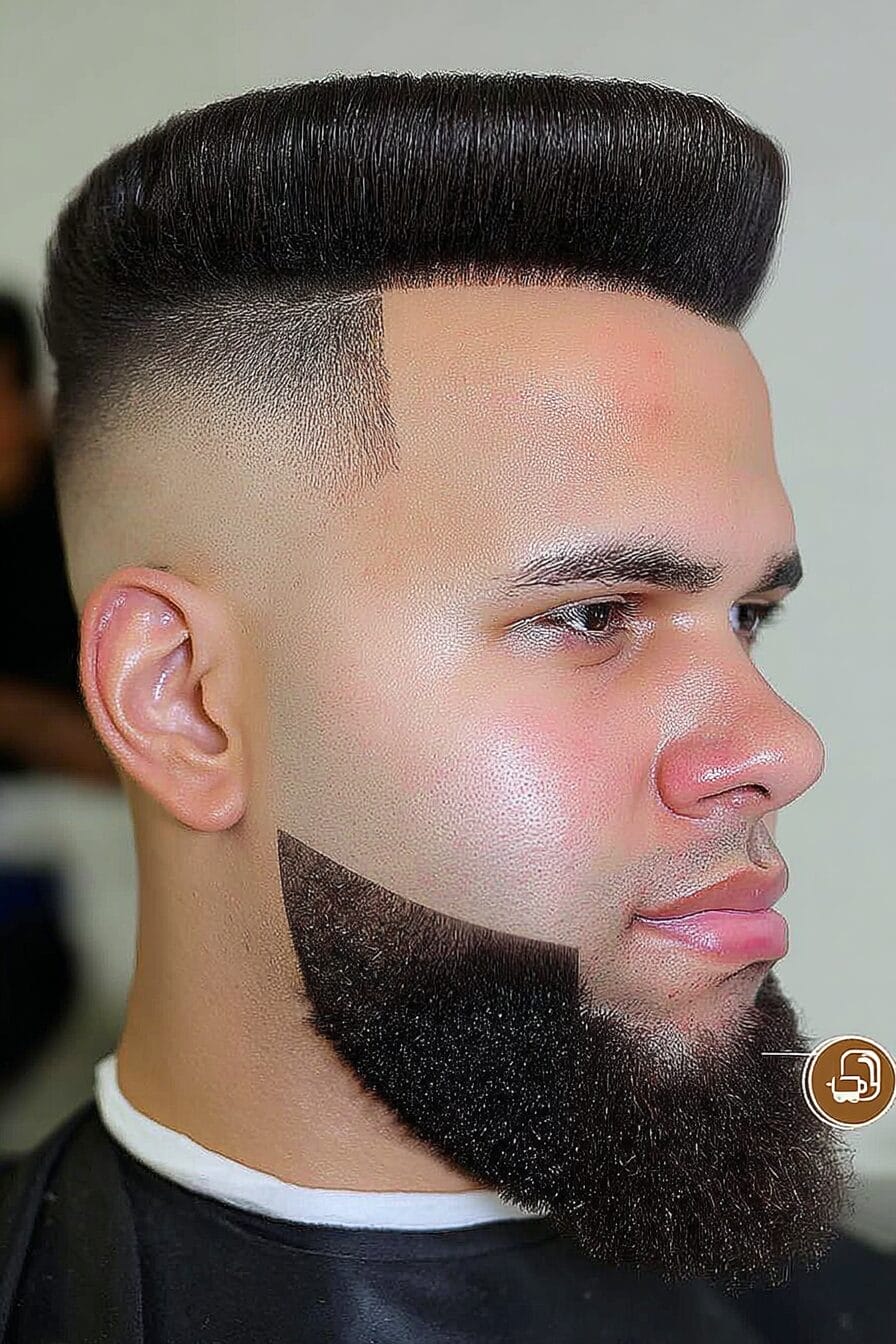
Square Asian Beard
The square Asian beard features geometric bottom edges rather than natural rounding, creating architectural facial framing. This style works exceptionally well with straight Asian facial hair that naturally maintains clean lines.
The square shape adds masculinity and structure, particularly benefiting round or oval faces needing angular definition. Precise trimming every week maintains the square silhouette, while daily brushing keeps sides flat and neat.

Asian Beard For Round Face
Round-faced Asian men benefit from beard styles that create vertical elongation and angular definition. Options include pointed goatees, Van Dykes, or longer beards trimmed narrower on sides.
Avoiding wide, rounded styles prevents emphasizing face width. The key is maintaining length below the chin while keeping sides shorter or tapered. These techniques create optical illusions that balance proportions and add masculine definition to softer facial features.

Teen Asian Beard Style
Teen Asian beard styles work with developing growth patterns that may be patchy or slow-growing. Light stubble or focused goatees maximize available growth without highlighting sparse areas.
These age-appropriate styles avoid forcing fullness before natural maturation. Regular grooming teaches good habits while working with current growth rather than against it. Most Asian teens see significant improvement in density and coverage by their early twenties.

Mature Asian Beard Look
Mature Asian beard styles embrace distinguished gray patterns and fuller growth that comes with age. Salt-and-pepper coloring adds character while improved density allows for substantial beards previously unachievable.
These sophisticated styles benefit from quality grooming products that condition aging hair and skin. The mature Asian beard commands respect and authority, particularly in professional settings where experience matters. Regular conditioning prevents coarse gray hairs from becoming unruly.

Asian Hipster Beard
The Asian hipster beard features deliberately unkempt styling with artistic shaping that appears effortlessly cool. This style typically combines fuller growth with creative elements like handlebar mustaches or unusual length distributions.
Despite the casual appearance, maintenance involves careful product selection and strategic trimming to achieve organized chaos. The hipster aesthetic particularly suits creative industries and casual environments where personality expression is valued.

Sculpted Asian Beard Style
Sculpted Asian beards feature precise artistic shaping that transforms facial hair into geometric art. This high-maintenance style requires professional barber visits every 1-2 weeks to maintain crisp lines and intentional angles.
The sculpting technique works especially well with dense, coarse Asian hair that holds shapes effectively. Popular sculpted elements include sharp cheek lines, defined necklines, and creative fade integrations that showcase grooming as personal artistry.

Asian Beard With Sharp Lines
Sharp-lined Asian beards emphasize razor-precise edges for maximum definition and modern appeal. This style requires either steady home maintenance or regular barber visits to keep lines crisp.
The contrast between natural beard texture and geometric boundaries creates compelling visual interest. Sharp lines work particularly well with Asian facial hair’s straight texture, which maintains clean edges better than curly hair. This polished look elevates any beard length.

Textured Asian Beard
The textured Asian beard uses strategic product application and cutting techniques to add dimension to naturally straight hair. Sea salt sprays, texturizing balms, and varied length trimming create visual interest and movement.
This approach prevents the flat appearance that straight Asian beards can develop. The added texture makes beards appear fuller while creating a more relaxed, approachable aesthetic than perfectly groomed styles.

Asian Beard With Chevron Mustache
Pairing an Asian beard with a chevron mustache creates classic masculine appeal with the thick, angled mustache covering the entire upper lip. This substantial mustache style balances fuller beards while adding retro charm.
The chevron shape works particularly well with Asian facial hair’s natural downward growth pattern. Regular trimming keeps the mustache from interfering with eating while maintaining its bold presence. This combination suits confident men wanting timeless, authoritative style.

FAQs: Asian Beard Styles
How long does it take to grow an Asian beard?
Growing an Asian beard typically requires 2-4 months for substantial coverage, though full beards may need 6-12 months. Asian facial hair often grows slower than other ethnicities, averaging 0.3-0.5mm daily compared to the general 0.5-0.7mm rate.
Genetics play the biggest role—some Asian men achieve full beards quickly while others need patience. Using growth oils with biotin and maintaining proper nutrition can optimize your natural growth rate.
Can Asian men grow full beards?
Yes, many Asian men can grow full beards, though growth patterns vary significantly by genetics and ancestry. East Asians typically have sparser growth than South or Central Asians, but proper time and care often reveal surprising density.
Most men don’t reach full growth potential until their late twenties or thirties. Even with lighter coverage, strategic styling and grooming can create the appearance of fuller beards through proper shaping and maintenance.
What products help Asian beard growth?
Essential products for Asian beard growth include minoxidil for stimulation, biotin supplements for hair health, and derma rollers to increase blood flow. Quality beard oils with jojoba and argan moisturize coarse Asian facial hair while promoting healthy growth.
Beard balms provide styling control for straight textures. Many Asian men find success combining these approaches with patience, as forcing growth rarely works better than supporting natural patterns with proper care.
How do I deal with patchy Asian facial hair?
Managing patchy Asian facial hair involves strategic styling choices that work with your growth pattern. Keep length shorter (stubble to short beard) to minimize obvious gaps, or focus on areas with good growth like goatees.
Using a derma roller twice weekly can stimulate dormant follicles over time. Consider disconnected styles that intentionally separate beard elements. Most importantly, embrace your natural pattern—many stylish beards aren’t perfectly full but are well-groomed and confidently worn.
What’s the best Asian beard style for professional settings?
The best professional Asian beard style maintains conservative length at 10-25mm with immaculate grooming. Corporate-friendly options include short full beards, circle beards, or well-maintained goatees with defined edges.
Daily beard oil keeps appearance polished while weekly edge-ups maintain crisp boundaries. The key is consistency—whatever style you choose should look intentional and well-maintained. Avoid experimental or overly creative styles in conservative industries, saving those for casual settings.
Can Asian men grow full beards?
Some can, but it’s less common and often takes longer than other ethnicities. Asian beard growth tends to be sparser, especially on the cheeks. Many Asian men find their beard fills in more during their late 20s and 30s. In the meantime, styles that concentrate on chin and mustache areas work best since those tend to have the most growth.
Was this article helpful?
Find Your Perfect Beard Style
You’ve seen the options. Now find the one that actually suits YOUR face shape and growth pattern.

Khamis Maiouf is a professional barber who graduated from Hinckley College in England with a Level 3 qualification in hairdressing. With over 20 years of experience, he is an award-winning barber who has mentored numerous students and styled thousands of clients. A recognised expert featured on StyleCraze (20M+ readers).
Credentials: Level 3 Hairdressing (Hinckley College, UK) • 20+ Years Professional Experience • Featured Expert on StyleCraze • Founder of Book of Barbering