
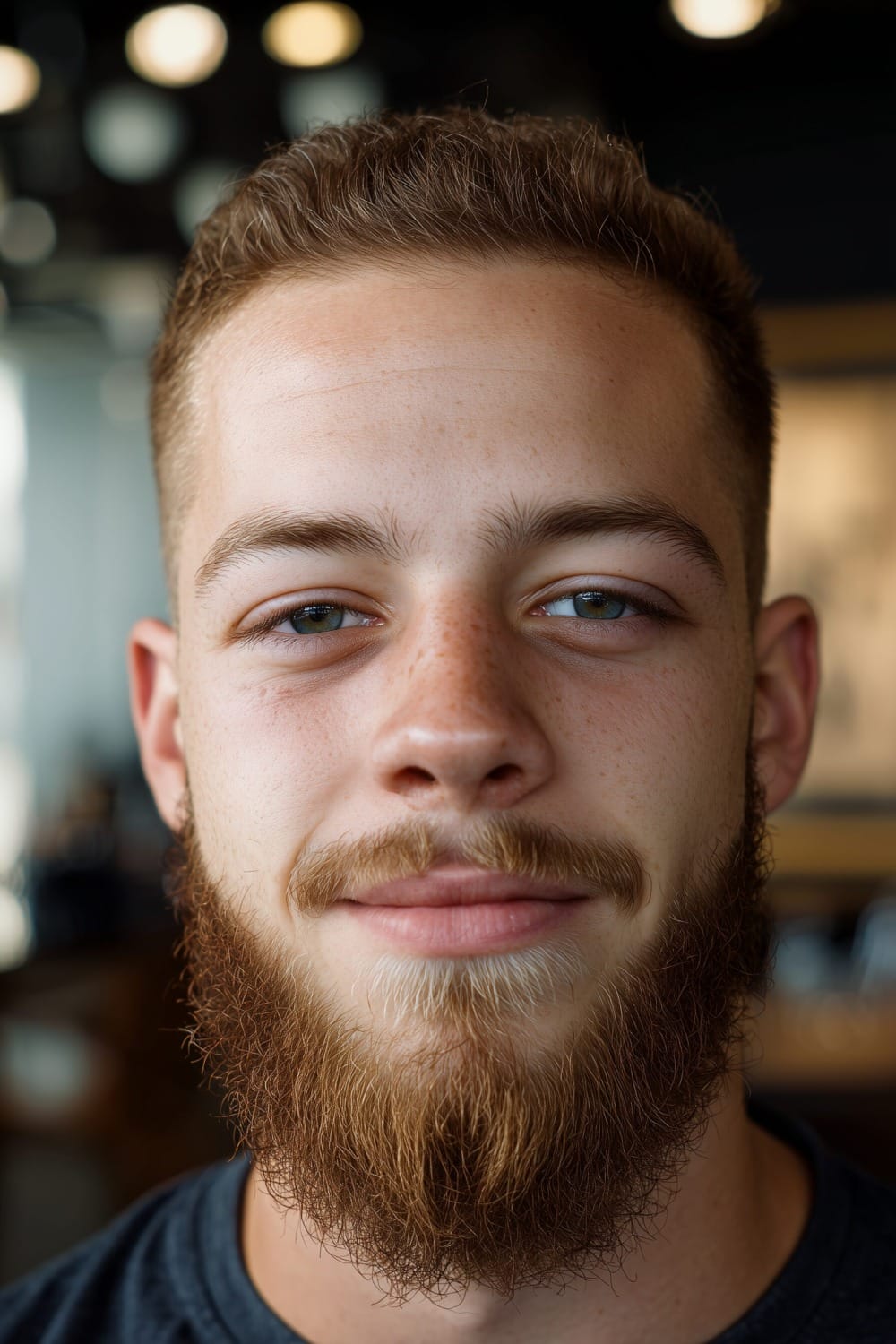
— Award-Winning Barber · 20+ Years Experience · Level 3 Qualified
The faded beard is the single most requested grooming technique in my chair right now, and for good reason—it turns any beard into a clean, sculpted work of art. By blending your facial hair from skin to full density with precise clipper work, a beard fade creates structure that flatters every face shape. Here are 30 faded beard styles I cut regularly, with the exact techniques to pull each one off.
Key Takeaways
- A faded beard creates a seamless gradient from skin to full beard density, adding structure and a polished edge to any facial hair length
- Low, mid, and high fade placements each create different effects—low fades look subtle and professional, while high fades deliver maximum contrast
- Beard fades require maintenance every 1-2 weeks to keep the gradient looking sharp, making them higher-maintenance than standard beard styles
- Round and square face shapes benefit most from faded beards because the gradient creates visual definition along the jawline
- You can fade any beard style—from stubble to full Viking length—the technique works with every density and growth pattern
Best Haircut Pairings For A Faded Beard
One thing I always tell my clients: a faded beard looks best when it connects to the right haircut. The fade on your beard should flow naturally into your hairstyle for a cohesive, intentional look. A skin fade haircut paired with a skin fade beard creates one seamless line from your temples to your jawline—that’s the cleanest combination I do.
For something less aggressive, a taper fade haircut with a low beard fade keeps things professional while still looking sharp. If you’re rocking a buzz cut or bald head, a high fade beard adds dimension to your face and draws attention to your jawline. The key is matching the intensity of your hair fade to your beard fade so neither one overpowers the other.
What Is A Faded Beard?
A faded beard is a grooming technique that gradually transitions beard length from shortest to longest, typically starting near the ears and cheeks. This creates a gradient effect that blends seamlessly with your haircut while maintaining fuller coverage on the chin and jaw. The fade can be subtle or dramatic, depending on your preference, and works with beard lengths from stubble to 3 inches. Professional barbers achieve this look using multiple clipper guards in sequence.

How To Get A Beard Fade
Creating a beard fade requires systematic clipper work using progressively longer guards from bottom to top. Start with your shortest setting (usually 0-1) near the ears, then work through 2-3 intermediate lengths before reaching your desired beard length.
The key is blending each transition zone for seamless graduation without visible lines. Most barbers recommend practicing on longer beards first, as mistakes are easier to correct with more length to work with.

Face Shapes For Faded Beard Styles
Faded beards complement virtually every face shape when tailored correctly. Round faces benefit from high fades that elongate the face, while square jaws look best with low fades that maintain width.
Oval faces can rock any fade variation, but triangular faces should opt for mid-fades that balance proportions. The fade’s starting point and gradient angle can be adjusted to enhance your best features while minimizing less favorable ones.

Low Fade Beard
The low fade beard starts its transition just above the jawline, maintaining maximum coverage while adding subtle definition. This conservative style suits professional environments perfectly, offering polish without dramatic contrast.
The gradual blend typically spans 1-2 inches, creating a natural-looking gradient that enhances your jaw structure. It’s ideal for first-timers wanting to experiment with fades without committing to a more dramatic look.

High Fade Beard Style
A high fade beard begins its transition near the cheekbone level, creating dramatic contrast between skin and beard. This bold style elongates round faces and adds definition to softer features.
The fade typically drops from skin to full length within a compact zone, making maintenance crucial for keeping lines crisp. Popular among younger professionals and creatives, it pairs exceptionally well with modern haircuts like quiffs and pompadours.

Mid Fade Beard
The mid fade beard strikes the perfect balance, starting its gradient at mid-cheek level. This versatile option works with most face shapes and beard densities, offering noticeable definition without extreme contrast.
The transition zone typically spans 2-3 inches, allowing for smooth blending that’s forgiving of minor imperfections. It’s currently trending among men seeking a polished look that transitions seamlessly from office to evening.

Skin Fade Beard
The skin fade beard features an ultra-close transition that starts at bare skin before graduating to fuller length. This precision style requires expert clipper work and frequent maintenance to keep the gradient sharp.
The dramatic contrast creates striking definition, particularly effective for men with dense beard growth. Professional barbers typically use trimmers without guards at the starting point, gradually working up through multiple guard sizes.

Taper Fade Beard
A taper fade beard offers the subtlest gradient option, with length reducing gradually over a wider area. Unlike sharper fades, the taper maintains some hair throughout the transition zone, never reaching skin level.
This classic approach suits conservative professionals and mature men who want refinement without flash. The extended blend zone makes it more forgiving between maintenance appointments, typically lasting 2-3 weeks before needing touch-ups.

Drop Fade Beard Style
The drop fade beard follows a curved arc that drops behind the ear, creating a unique silhouette. This contemporary variation adds visual interest while maintaining professional appeal.
The fade line curves naturally with your head shape, typically starting higher at the temple and dropping lower toward the neck. It works particularly well with longer beards, as the curved gradient creates better proportion between facial hair and hairstyle.

Faded Beard With Sharp Line Up
Combining a fade with razor-sharp cheek lines creates maximum definition and structure. This style requires precise edging work above the fade transition, typically achieved with a straight razor or precision trimmer.
The crisp lines contrast beautifully with the soft gradient below, offering both geometric precision and organic flow. Maintenance is essential, with most men needing touch-ups every 3-5 days to maintain those clean edges.

Short Faded Beard
The short faded beard maintains an overall length of 5-15mm while incorporating gradient techniques. Perfect for men who prefer minimal facial hair but want added definition, this style creates subtle contouring without bulk.
The fade typically runs from 1mm to your chosen length, providing structure to even the shortest beards. It’s ideal for patchy growth patterns, as the fade disguises inconsistencies while maintaining a groomed appearance.

Long Beard With Fade
Incorporating a fade into a long beard (3+ inches) adds modern sophistication to a classic style. The fade typically affects only the upper cheek area, maintaining full length through the jaw and chin.
This combination prevents the “wild man” look while preserving impressive length. The contrast between faded sides and flowing bottom creates a distinctive silhouette that’s currently trending among beard enthusiasts seeking contemporary updates to traditional styles.

Faded Goatee Style
The faded goatee modernizes this classic style by adding gradient transitions around the edges. Instead of harsh lines where the goatee ends, the fade creates a subtle blend into the surrounding skin.
This technique works especially well for men with patchy cheek growth who want to focus attention on stronger chin coverage. The fade typically extends 0.5-1 inch beyond the traditional goatee boundary, softening the overall appearance.

Full Beard Fade
A full beard fade maintains complete facial coverage while incorporating gradient techniques on the cheeks and sideburns. This style offers the masculine presence of a full beard with added refinement through strategic fading.
The transition typically starts at ear level, gradually increasing to your desired beard length by the jawline. It’s perfect for professional men who want substantial facial hair without sacrificing polish.

Stubble Fade Beard
The stubble fade creates definition even with minimal growth of 1-5mm. This ultra-low maintenance option uses subtle gradients to add structure to designer stubble.
The fade runs from near-skin at the edges to your preferred stubble length at the center, creating shadow and dimension. Ideal for men who can’t commit to longer beards but want more than basic stubble, it requires trimming every 2-3 days.

Faded Beard With Handlebar Mustache
Pairing a faded beard with a styled handlebar mustache creates striking contrast between modern and vintage elements. The clean fade keeps the overall look contemporary while the waxed mustache adds personality and flair.
This combination works best with medium-length beards that don’t compete with the mustache for attention. The fade should complement the mustache width, typically starting higher for wider handlebars to maintain visual balance.

Bald Fade Beard Style
The bald fade beard features an aggressive transition from completely bare skin to full beard. Also called a “zero fade,” this high-contrast style creates dramatic definition and requires expert blending skills.
The transition zone is typically compact, moving from skin to substantial length within 1-2 inches. This bold choice suits confident men with dense beard growth and works particularly well with bald or closely shaved heads.

Faded Beard With Waves
Men with naturally wavy beard texture can enhance their pattern with strategic fading. The fade creates structured contrast that highlights the wave pattern in longer sections while maintaining neat edges.
This style typically features a low to mid fade that doesn’t interfere with the natural texture display. Proper beard cream or balm helps define waves while the fade provides the framework that prevents an unkempt appearance.

Box Fade Beard
The box fade beard combines a squared-off bottom with faded sides for geometric precision. This structured style creates a strong, masculine silhouette that enhances weak chins and adds definition to round faces.
The fade typically starts mid-cheek while maintaining the characteristic flat bottom through careful trimming. Popular in urban barbershops, this style requires skilled shaping to achieve the perfect boxy proportions without looking unnatural.

Faded Viking Beard
The faded Viking beard modernizes the warrior look with contemporary barbering techniques. While maintaining impressive length (4+ inches) at the chin and jaw, the fade adds refinement to the cheeks and sideburns.
This prevents the traditionally wild Viking appearance while preserving its powerful presence. The gradual transition from faded sides to full bottom creates better proportion, especially when paired with modern hairstyles rather than traditional long hair.

Burst Fade Beard Style
A burst fade beard features a semicircular gradient that radiates from behind the ear. Unlike traditional linear fades, this creates a curved transition that follows the natural contours of your face.
The fade “bursts” outward in a sunburst pattern, typically covering a wider area than standard fades. This artistic variation adds visual interest and works exceptionally well with creative hairstyles and for men wanting something beyond conventional fade patterns.

Faded Beard With Undercut
Combining a faded beard with an undercut hairstyle creates seamless continuity between hair and facial hair. The beard fade flows naturally into the undercut’s short sides, often using matching clipper lengths for perfect harmony.
This cohesive approach eliminates the disconnect between haircut and beard, creating one fluid silhouette. The style works best when both elements are maintained simultaneously, requiring visits to your barber every 2-3 weeks.

Temple Fade Beard
The temple fade beard focuses the gradient specifically around the temple and sideburn area. This subtle technique creates connection between haircut and beard without affecting the entire cheek area.
The fade typically extends 1-2 inches below the temple, blending naturally into fuller beard coverage. It’s perfect for men who want minimal fading while still achieving that polished, intentional look that separates styled beards from natural growth.

Faded Circle Beard
The faded circle beard softens the traditional hard edges of this classic goatee-mustache combo. Instead of defined borders, the fade creates a gradual transition from the circle beard into the surrounding skin.
This modern interpretation maintains the style’s sophisticated appeal while eliminating harsh lines. The fade typically extends 0.5-1 inch beyond the traditional circle boundary, creating a more natural, less severe appearance.

Scissor Fade Beard Style
A scissor fade beard achieves gradient effects using only scissors and comb, no clippers required. This traditional barbering technique creates softer, more organic transitions than clipper fades.
Master barbers use this method for ultimate precision and customization, particularly on longer beards where clippers might cause damage. The process takes considerably longer but produces a more natural, textured fade that many consider superior to machine cutting.

Faded Beard For Black Men
Faded beards complement Black men’s facial hair texture beautifully, with the gradient technique highlighting natural curl patterns. The fade works especially well with coarse, tightly curled beard hair, creating defined structure without fighting natural texture.
Not sure what your face shape is? Our Face Shape Detector figures it out in 4 quick questions.
Popular variations include high skin fades that showcase contrast against darker skin tones, and low fades that maintain maximum texture display. Regular moisturizing with beard butter keeps both the fade and texture looking sharp.

Shadow Fade Beard
The shadow fade beard maintains visible stubble throughout the transition zone rather than fading to skin. This creates a softer, shadow-like gradient that’s less dramatic than traditional fades.
Starting at approximately 0.5mm and building to your desired length, it offers subtle definition perfect for conservative environments. The technique works particularly well for men with lighter hair colors where skin fades might appear too stark.

Faded Beard With Quiff
Pairing a faded beard with a quiff hairstyle creates vintage-modern fusion. The beard fade provides contemporary edge while complementing the quiff’s classic height and volume.
The fade typically starts higher on the face to balance the quiff’s upward movement, creating harmony between hair and beard. This combination has become increasingly popular among style-conscious professionals who appreciate the contrast between retro hair and modern beard techniques.

Disconnected Fade Beard
The disconnected fade beard features a deliberate gap between the beard fade and haircut fade. This creates two distinct zones rather than one continuous gradient, adding visual interest through contrast.
The disconnect typically occurs at the sideburn area, with a clean line or small gap separating hair from beard. This bold style makes a statement and works best with precise maintenance to keep both fades and the disconnect line sharp.

Faded Anchor Beard
The faded anchor beard modernizes this nautical-inspired style with gradient techniques around its distinctive shape. Rather than hard lines defining the anchor’s outline, the fade creates soft transitions that maintain the style’s character with added sophistication.
The fade typically affects the upper portions while preserving the anchor’s pointed bottom. This update makes the traditionally bold style more wearable for professional settings.

Clean Fade Beard Style
A clean fade beard emphasizes pristine execution with no visible transition lines or uneven spots. This requires expert blending technique and often multiple passes with different guards to achieve seamless graduation.
The result is an immaculate gradient that looks almost airbrushed in its smoothness. Regular maintenance every 5-7 days keeps this precise style looking fresh, as even minimal growth can disrupt the clean aesthetic.

Textured Fade Beard
The textured fade beard incorporates intentional irregularity for a more organic, lived-in appearance. Rather than pursuing perfect smoothness, this style embraces natural beard texture within the fade structure.
Barbers achieve this by point-cutting or using texturizing techniques during the fade process. It’s ideal for men with wavy or curly beards who want definition without losing their natural texture, creating a more relaxed alternative to precision fades.
Faded Van Dyke Style
The faded Van Dyke updates this classic pointed beard with modern gradient techniques. Instead of the traditional sharp edges, the fade creates subtle transitions around the Van Dyke’s distinctive shape.
The mustache remains disconnected from the chin beard, but both elements incorporate fading for cohesion. This sophisticated variation maintains the style’s artistic flair while softening its sometimes severe appearance, making it more versatile for contemporary wear.

🎬 Beard Trim Technique to Help Face Look Thinner
FAQs: Faded Beard Styles
How often should I maintain my beard fade?
Most beard fades require maintenance every 7-10 days to stay sharp, though this varies by fade type and growth rate. Skin fades and high fades need more frequent touch-ups, often weekly, as new growth quickly disrupts the gradient.
Low fades and taper fades can stretch to two weeks between appointments. Home maintenance between professional visits, like cleaning up the edges with a trimmer, can extend the fresh-fade look by several days.
Can I fade my beard at home?
While possible, fading your beard at home requires quality clippers, multiple guards, and practice. Start with longer guards to avoid mistakes, and work in good lighting with multiple mirrors for checking angles.
The blending technique takes time to master—expect several attempts before achieving professional-looking results. Many men find it easier to maintain an existing fade at home rather than creating one from scratch. YouTube tutorials and patience are your best friends.
What’s the difference between a taper and fade beard?
A taper gradually reduces length over a wider area while maintaining some hair throughout, while a fade typically transitions down to skin. Tapers are subtler, taking 3-4 inches to complete their transition, whereas fades often accomplish dramatic change within 1-2 inches.
Fades create higher contrast and require more frequent maintenance, while tapers offer a classic, conservative look that’s more forgiving as it grows out. Choose based on your lifestyle and maintenance commitment.
What tools do I need for a beard fade?
Essential tools include quality clippers with multiple guards (sizes 0-8 minimum), a detail trimmer for edges, and a handheld mirror for checking angles. You’ll also need a comb for guiding and blending, good lighting, and beard scissors for detail work.
Optional but helpful tools include a straight razor for crisp lines, clipper oil for maintenance, and a cape or towel to catch trimmings. Invest in professional-grade clippers for best results.
Does a faded beard work with patchy growth?
Faded beards can actually minimize the appearance of patchy growth by creating intentional variation in density. The gradient effect draws attention away from naturally thin areas, especially when the fade is positioned strategically.
Low fades work best for patchy cheeks, maintaining coverage where growth is strongest. The key is working with your growth pattern rather than against it, using the fade to create structure where natural density might be lacking.
What face shape looks best with a faded beard?
Round and square face shapes benefit the most from a faded beard. The gradient creates visual definition along the jawline that helps elongate round faces and soften hard angles on square faces. Oval faces work with any fade placement, while oblong faces should keep the fade low to avoid making the face appear longer. I adjust the fade height and density based on each client’s features for the most flattering result.
What is the best haircut to pair with a faded beard?
The best haircut pairing depends on the fade intensity. A skin fade beard connects seamlessly with a skin fade or high fade haircut for maximum impact. Low beard fades pair well with taper haircuts and medium-length styles for a more subtle look. Buzz cuts and bald heads look exceptional with high fade beards because the beard becomes the focal point of your grooming.
How long does a beard need to be to get a fade?
You can fade a beard at almost any length, starting from heavy stubble (about 5mm) up through full beards of several inches. Shorter beards show off a tighter, more defined fade, while longer beards allow for a more gradual, dramatic transition. I recommend at least two weeks of growth before attempting a fade so there is enough density to create a visible gradient.
Was this article helpful?
Find Your Perfect Beard Style
You’ve seen the options. Now find the one that actually suits YOUR face shape and growth pattern.

Khamis Maiouf is a professional barber who graduated from Hinckley College in England with a Level 3 qualification in hairdressing. With over 20 years of experience, he is an award-winning barber who has mentored numerous students and styled thousands of clients. A recognised expert featured on StyleCraze (20M+ readers).
Credentials: Level 3 Hairdressing (Hinckley College, UK) • 20+ Years Professional Experience • Featured Expert on StyleCraze • Founder of Book of Barbering