
Think classic men’s haircuts are old-fashioned? Think again.
The best barbers know these styles survive for a reason: they flatter, they last, and they adapt.
From sharp fades to timeless slick backs, these cuts prove tradition never loses its edge.
Not sure which style suits you best? Our Haircut Finder Quiz matches you with the right cut based on your face shape and hair type — takes 60 seconds.
Not sure which cut is right for you? Try our free Haircut Finder tool — answer 5 quick questions and get personalised recommendations with barber instructions.
Key Takeaways
- Classic men’s haircuts like the crew cut, side part, and pompadour remain popular because they flatter most face shapes and adapt to any setting.
- Matching your cut to your hair texture and face shape is the key to making any classic style look its best.
- A skilled barber can modernize any timeless cut with fades, texture, or updated styling products.
- Most classic haircuts need trimming every 3–4 weeks to stay sharp and well-defined.
What Makes Classic Men’s Haircuts Timeless
Classic men’s haircuts endure because they balance simplicity with structure. They frame the face, highlight masculine features, and adapt to almost any lifestyle. Unlike fleeting trends, these cuts evolve subtly while keeping their recognizable identity.
A fade, a part, or a slick back from decades ago still looks sharp today. Their staying power lies in versatility and universal appeal, offering men reliable styles that age gracefully and suit multiple occasions without demanding reinvention.
Classic cuts work because they complement, not compete, with personal style.

Short Classic Men’s Haircuts
Short classic haircuts are favorites because they’re straightforward, functional, and sharp. They require little maintenance yet always appear deliberate and well-groomed.
These cuts emphasize clean lines and masculine proportions, whether it’s a military-inspired buzz or a subtle Ivy League variation. Short styles are also incredibly adaptable—great for busy men, professionals, or anyone wanting a no-fuss cut that still carries timeless appeal. They’re proof that less hair can still mean more style.
- Efficiency: Quick styling and minimal upkeep daily.
- Professional and casual versatility for any occasion.
- Works with most face shapes and hair types.
Timeless Crew Cut
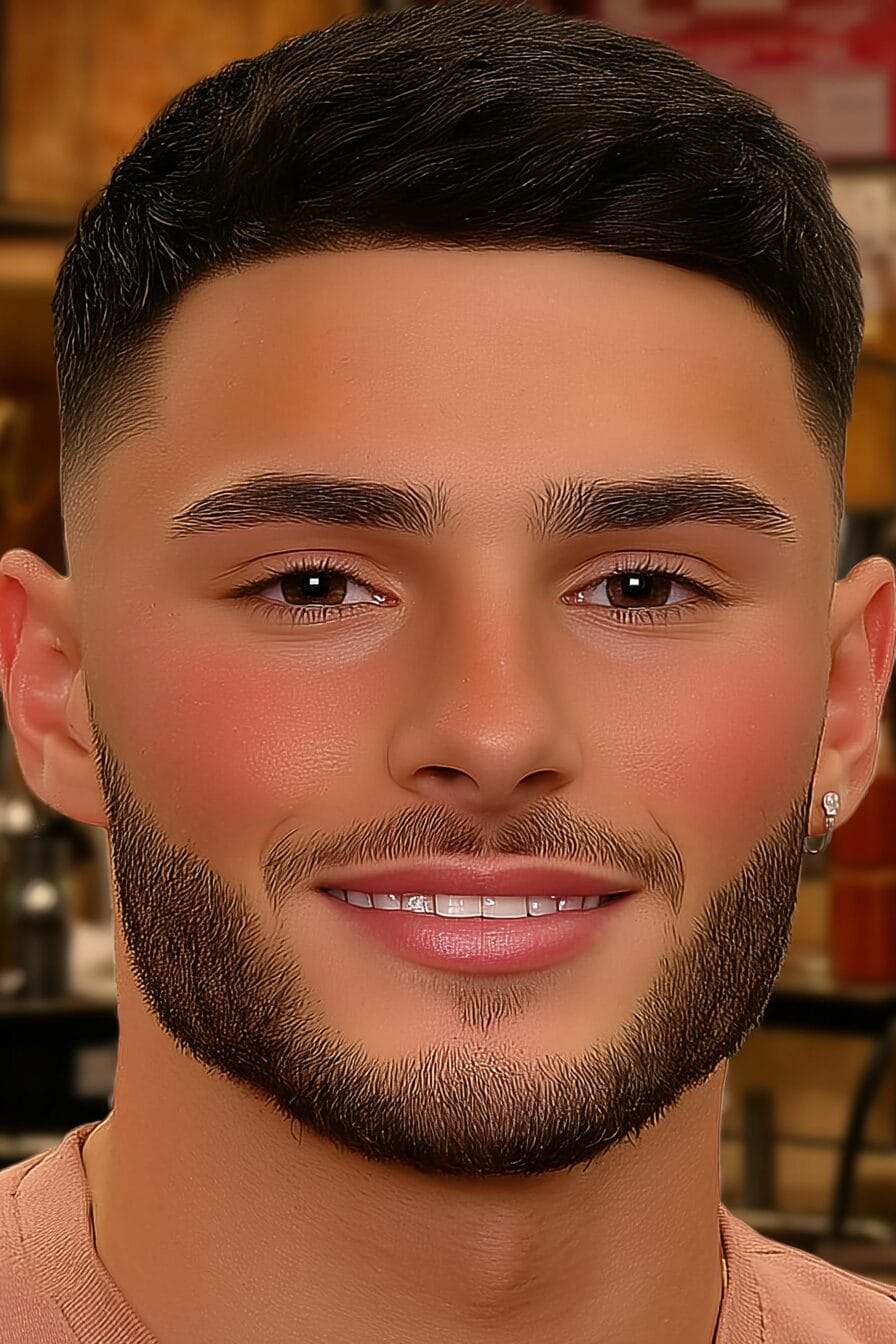
The crew cut remains a go-to because it’s neat, masculine, and low-maintenance. Hair is tapered short at the sides and back while leaving just enough length on top for subtle styling.
Its sharpness lies in clean outlines that define the jawline and forehead. It’s equally at home in a boardroom or on the field. Think of it as the Swiss Army knife of short haircuts—simple, functional, and always dependable.

Traditional Buzz Cut
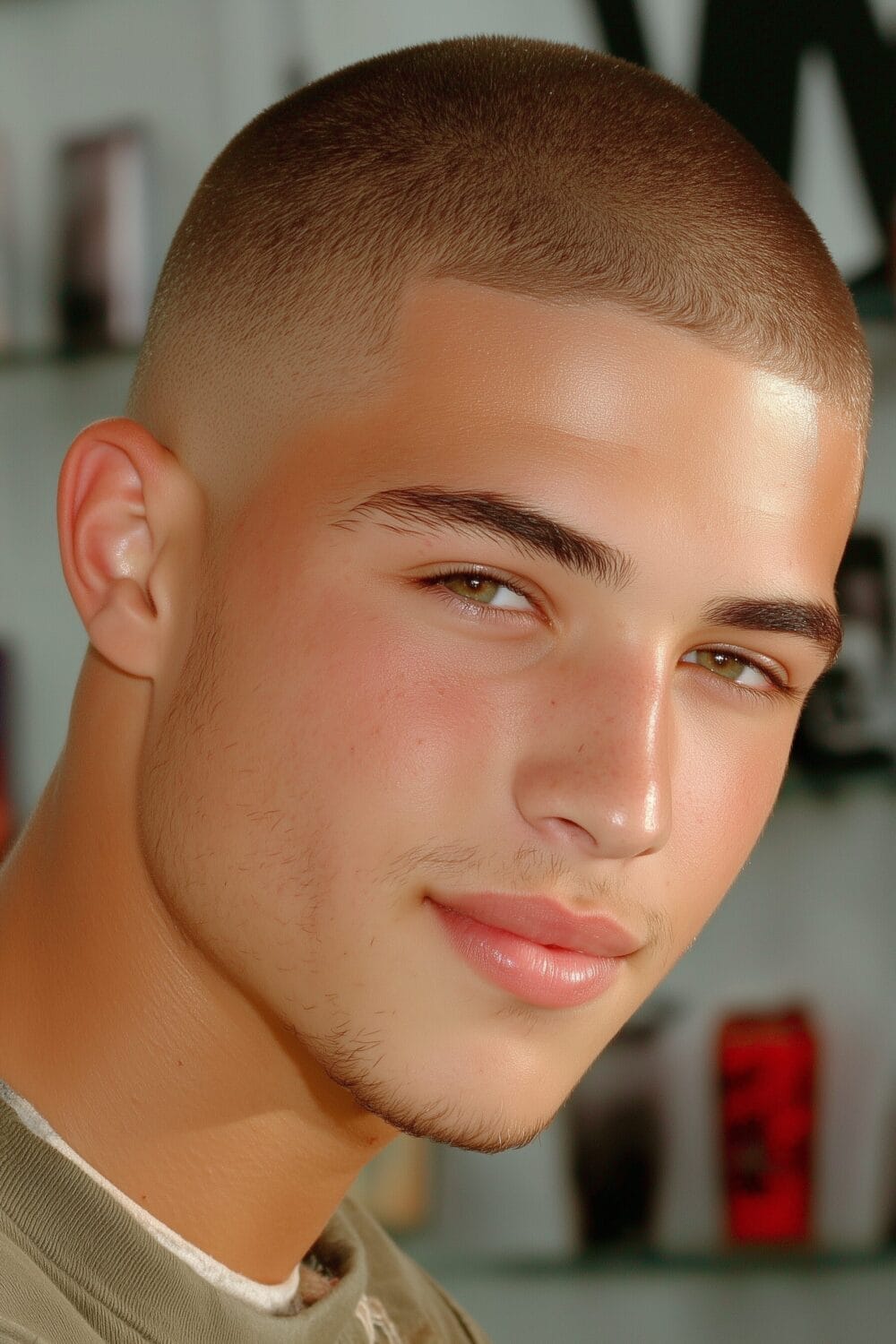
Few cuts convey confidence like the buzz. Inspired by military grooming, it strips everything down to even, ultra-short length. The appeal is its stark simplicity—no fuss, no styling, just raw masculinity.
It also emphasizes bone structure, bringing attention to the jawline and cheekbones. This haircut is ideal for men who want zero maintenance yet still radiate strength. It’s the haircut equivalent of a clean slate: bold, direct, and timelessly sharp.
Ivy League Cut
The Ivy League cut is a slightly longer take on the crew cut, offering more styling flexibility while retaining polish. With neatly tapered sides and extra length on top, it allows a side part or casual sweep.
It bridges formal and relaxed settings effortlessly, perfect for men who value tradition but want modern adaptability. This cut echoes East Coast collegiate style but has matured into a global staple that signals refinement without being stiff.

Classic Caesar Cut
The Caesar cut stands out with its short, even fringe across the forehead and uniform length. Named after Roman emperors, it brings authority and boldness through structure. Its straight fringe frames the face while keeping upkeep simple.
Great for men with thinning hairlines or those preferring strong definition, the Caesar offers a distinct silhouette. Think of it as a helmet of confidence—sturdy, uniform, and undeniably timeless in its commanding presentation.

High And Tight
The high and tight is synonymous with sharpness. With ultra-short sides and a clipped crown, it highlights masculine head shape and emphasizes facial features. Military roots give it an authoritative vibe, but it’s popular far beyond the barracks.
It’s especially practical in hot climates or active lifestyles since there’s little to style. This cut broadcasts discipline and focus. It’s lean, efficient, and consistently clean, like a tailored suit stripped to its essentials.
Medium-Length Classic Men’s Haircuts
Medium-length haircuts strike the sweet spot between versatility and style. They provide enough hair to experiment with parts, texture, and volume without overwhelming daily routines. These looks work for formal events, yet they relax easily for weekends.
What makes them classic is balance—they’re adaptable to different ages, professions, and personal vibes. From refined side parts to voluminous pompadours, medium styles allow men to express personality while keeping timeless structure intact.
- Balance: Professional enough yet casual-friendly in minutes.
- Offers more styling options without high maintenance.
- Flatters most hair textures with slight adjustments.
Side Part Cut
The side part cut is a barbershop staple because it flatters nearly every face shape. It’s structured yet flexible, featuring a defined part and tapered sides.
Wear it sleek with product for formal events or with a looser hand for casual looks. This cut adapts effortlessly between settings, making it ideal for professionals who want reliability without stiffness. It’s a classic sign of polish, like a crisp dress shirt that works everywhere.

Classic Pompadour
The pompadour endures because volume never goes out of style. Hair is swept upward and back, creating height at the front, while sides remain neat. Originally popularized decades ago, this style continues to evolve without losing its iconic silhouette.
It conveys confidence and charisma, drawing attention instantly. Although it needs more styling effort, the reward is a commanding look that exudes timeless flair—imagine it as the equivalent of wearing your best suit daily.

Scissor Cut Layers
Scissor cut layers are a testament to traditional barber craftsmanship. By using only shears, the barber creates natural flow and movement rather than sharp fades. This results in medium-length styles that look effortless yet refined.
Layers allow hair to sit comfortably, adapting to natural growth patterns. It’s ideal for men who want a softer, less mechanical look. This cut feels organic, much like tailoring clothes by hand rather than relying on machines.

Harvard Clip
The Harvard clip is essentially an elongated Ivy League, giving extra styling room. Longer length on top allows comb-overs, side sweeps, or casual messiness, while sides remain tapered neatly. It walks the line between youthful and mature, making it a reliable choice for men who want understated versatility.
It’s especially effective for men transitioning from shorter to longer styles. Think of it as a practical stepping stone—structured, adaptable, and always polished.

Classic Comb Over
The comb over is a versatile classic because it can suit both young professionals and seasoned gentlemen. Hair is combed to one side with a distinct part, while the opposite side is tapered cleanly. It’s professional yet stylish, providing a balance between tradition and modern sharpness.
Properly styled, it highlights hair thickness and shape, avoiding the flatness of simpler cuts. Consider it the middle ground of men’s grooming: reliable, tidy, and adaptable.

Longer Classic Men’s Haircuts
Longer classic cuts prove that length doesn’t have to mean chaos. With the right technique, they bring flow, texture, and controlled movement. These cuts have roots in history—slick backs, shaggy layers, and surfer styles—but they remain relevant by embracing natural growth patterns.
Longer looks require more maintenance, but they reward with personality and presence. They’re ideal for men who want their hair to make a statement without drifting into trend-chasing territory.
Longer haircuts shine when styled with intent rather than left unmanaged.

Slick Back
The slick back is refined and straightforward: hair combed straight back with product for control and shine. It’s a classic boardroom style but also works casually with looser flow.
Best suited for men with medium-to-long straight hair, it creates a smooth silhouette emphasizing confidence. The look resonates because it’s deliberate without being fussy. Imagine it as a polished leather shoe—simple in concept, powerful in execution, and never out of place.
Shoulder-Length Layers
Shoulder-length layers have stood the test of time because they showcase natural texture. With carefully cut layers, hair falls with controlled movement instead of heaviness. This look works well for men with wavy or thick hair who want to embrace their length.
It communicates ease and character while remaining structured enough to avoid messiness. Think of it like tailored casual wear—it looks relaxed but carries intention, blending natural flow with professional structure.

Classic Shag
The shag brings retro appeal with layered texture, usually cut around medium-to-long lengths. It offers natural looseness and volume, allowing hair to move freely without needing excessive styling. Popularized in earlier decades, it continues to resonate because it feels laid-back but stylish. If you love this retro feel, check out our full guide to old school haircuts for more vintage-inspired options.
Men who want personality without rigidity gravitate to this cut. It’s timeless in its casual appeal, much like vintage denim—always familiar, always flattering, and effortlessly cool with minimal effort.
Classic Bro Flow
The bro flow is perfect for medium-to-long hair that grows gracefully. Hair is styled back loosely, following its natural direction, creating an effortless look. The appeal lies in its adaptability—it looks equally good under a cap, at the office, or at a night out.
It’s timeless because it embraces what the hair naturally does rather than fighting it. Consider it the haircut equivalent of coasting downhill—smooth, natural, and confidently unforced.

Classic Surfer Hair
Surfer hair is laid-back, textured, and naturally wavy, recalling sun-kissed coastal lifestyles. While associated with beach culture, it’s a classic because it taps into effortless charm.
Layers help emphasize movement, while length keeps it casual. It works best for men with natural wave or curl, but straight-haired men can mimic it with light product. This cut embodies a sense of freedom—easygoing, approachable, and timeless in its relaxed authenticity.

Classic Fade Haircuts
Fades remain essential in classic barbering because they frame the haircut with clean gradients. Whether low, mid, or high, fades create contrast that highlights the top length.
They modernize traditional cuts while preserving timeless shape. A good fade demonstrates skill and elevates any style from basic to sharp.
From subtle tapers to dramatic bursts, fades keep classic cuts fresh. Think of them as the foundation trim that upgrades almost any men’s hairstyle.
- Precision: Clean blending from skin to length.
- Enhances the visual impact of the top style.
- Adaptable to conservative or bold looks alike.

Low Fade With Side Part
A low fade with a side part creates subtle refinement. The fade begins near the ear and blends softly upward, while the part defines the top neatly.
This combination offers contrast without being aggressive, making it versatile for office or evening wear. It flatters most face shapes by elongating the upper profile. In essence, it’s quiet confidence—a haircut that communicates sharpness through understatement rather than flash.

Mid Fade With Comb Over
The mid fade with comb over strikes balance between boldness and tradition. The fade starts midway up the head, creating noticeable contrast with the styled top. Combing hair over adds direction and polish, avoiding flatness.
This combination works for men who want noticeable detail without committing to extremes. It’s versatile across age groups, too. Think of it as the middle gear of a car: smooth transition, noticeable momentum, always reliable.

High Fade Crew Cut
A high fade crew cut is unapologetically sharp. The fade climbs high, almost to the crown, leaving only a tight strip of hair on top. This emphasizes the upper silhouette while keeping maintenance minimal.
It’s bold, masculine, and eye-catching. Ideal for men who prefer clear definition with little styling effort, it commands attention. Picture it like a strong handshake—simple, firm, and impossible to overlook. It’s classic authority expressed through clean lines.
Taper Fade Ivy League
The taper fade Ivy League merges subtle blending with refined top length. Sides taper gradually, never fully exposing skin, while the longer crown supports parting or combed styling. It’s sophisticated without rigidity, bridging traditional Ivy League charm with modern fade detail.
Perfect for professionals who want edge without losing polish, it reflects timelessness through balance. This cut is like a tailored blazer with modern fabric—classic fit, updated texture, universally appealing.

Burst Fade With Pompadour
The burst fade with pompadour brings energy to a timeless style. The fade curves around the ear, creating a rounded effect that contrasts with the voluminous pompadour above. It’s striking, blending bold flair with structured height.
While it requires more upkeep, the payoff is a confident, standout style. It’s especially effective for men who enjoy making an impression. Think of it as spotlight lighting on stage—focused, dramatic, and impossible to miss.
Classic Textured Haircuts
Texture makes haircuts dynamic, breaking up uniformity and adding natural movement. Classic textured styles balance timeless shapes with relaxed edges, making them versatile and contemporary.
Whether messy, spiky, or tousled, texture introduces personality without straying from tradition. These cuts especially benefit men with thick or wavy hair, showcasing what the hair does naturally. Texture in a classic cut is like seasoning in cooking—it doesn’t replace the main dish, it enhances it beautifully.
- Dimension: Texture prevents flat or lifeless appearances.
- Works with natural wave, curl, or straightness.
- Adapts well to casual or professional styling needs.

Messy French Crop
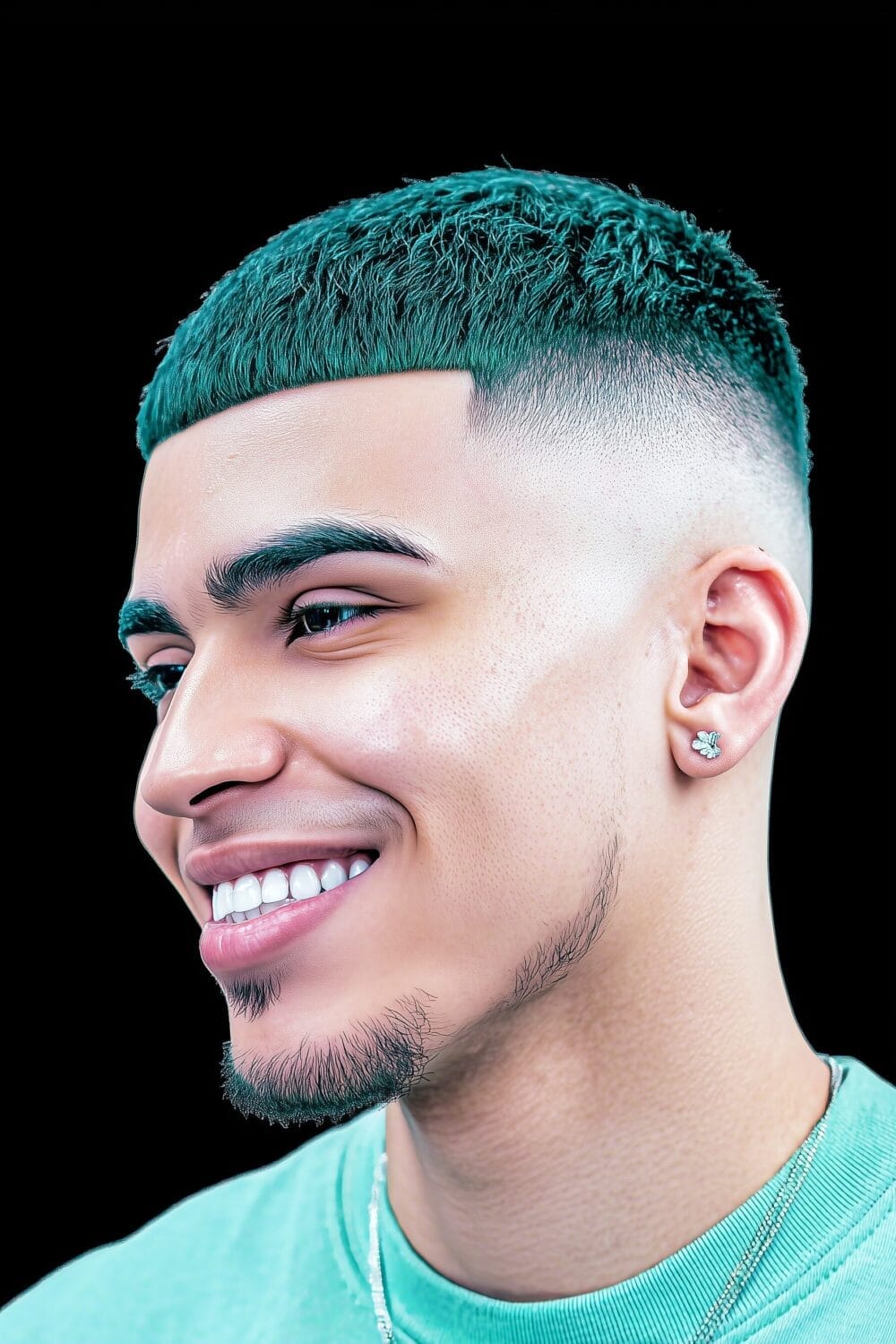
The messy French crop combines a short fringe with textured top layers. It’s controlled yet casual, offering definition at the front while keeping movement above.
The cut works particularly well for men with straight or slightly wavy hair, requiring minimal styling beyond a dab of product. Its appeal lies in the mix of structure and ease—like a well-tailored jacket worn with sneakers. Classic yet approachable, it’s a bold cut with relaxed energy.
Textured Quiff
The textured quiff builds volume at the front but softens it with natural, rough finish. Unlike a slick pompadour, this cut embraces imperfection, giving character through tousled lift. It’s adaptable, suiting casual days or dressed-up evenings.
The quiff flatters most face shapes by elongating the profile. Imagine it as a modern twist on a classic suit—still formal, but with open collar and rolled sleeves for approachable style and personality.

Classic Spiky Hair
Classic spiky hair uses product to lift short strands upward, adding youthful sharpness. It avoids overcomplication while delivering a confident, energetic look.
This cut works best on straight or slightly thick hair, holding spikes neatly in place. It’s timeless because spikes have an edge that’s playful yet masculine. Think of it like a vintage sports car—never fully out of fashion, always turning heads with its spirited, spirited burst of personality and boldness.

Wavy Side Part
The wavy side part merges structured grooming with natural movement. Hair is parted neatly, but waves soften the line for casual elegance.
It’s particularly effective for men with medium-length wavy hair, highlighting texture without chaos. The result is a timeless balance: order meets natural flow. This style is like a jazz riff over classical music—it respects tradition while letting individuality shine through, giving personality to an otherwise straightforward foundation haircut.

Classic Tousled Layers
Classic tousled layers provide texture without needing high precision. Medium-length hair is cut into light layers, allowing natural movement and lift. A small amount of product creates control while keeping softness intact.
This style is great for men who want effortless presence, appearing styled without being overdone. The charm lies in its casual authenticity. Like a weekend linen shirt, it’s clean enough for dinner but relaxed enough for the beach.

Classic Men’s Haircuts With Beard Pairings
Pairing a haircut with the right beard style creates harmony across the entire look. Classic cuts often gain extra impact when matched with facial hair that balances proportions. From buzz cuts with full beards to pompadours with shaped lines, these pairings frame the face more effectively.
The right combination can add strength, softness, or symmetry. Think of it as tailoring not just your suit, but your whole presentation—hair and beard working seamlessly together.
- Balance: Short hair pairs well with fuller beards.
- Defined haircuts benefit from structured beard shapes.
- Casual cuts match neatly with relaxed stubble growth.

Buzz Cut With Full Beard
The buzz cut with a full beard is minimalism on top balanced by ruggedness below. With no styling needed for the hair, the beard becomes the focal point, adding character and masculinity.
This pairing works especially well for men with strong jawlines, enhancing definition. It communicates strength and simplicity in equal measure. Consider it like pairing a plain t-shirt with a bold jacket—understated yet striking through deliberate contrast.

Side Part With Stubble
A side part with stubble strikes the balance between clean and rugged. The structured haircut provides sharpness while the stubble adds approachable edge.
It’s low-maintenance facial hair that doesn’t distract from the polish of the cut but instead softens it. This look works well in both professional and casual settings. It’s the haircut equivalent of wearing a tailored blazer with sneakers—polished, comfortable, and timelessly adaptable for multiple occasions.

Slick Back With Tapered Beard
The slick back with a tapered beard combines refinement with precision. The smooth hair contrasts nicely against a beard that fades cleanly into the sideburns, creating seamless balance. This pairing is ideal for men who want sophistication while keeping edges sharp.
It works especially well in formal or professional environments where detail matters. Think of it as pairing polished shoes with a tailored suit—every element works together for cohesive presentation.
Not sure what your face shape is? Our Face Shape Detector figures it out in 4 quick questions.

Pompadour With Defined Beard
The pompadour with a defined beard is bold but balanced. The height and volume of the pompadour are anchored by a beard that’s shaped cleanly, keeping the look intentional.
This pairing emphasizes masculinity while showcasing personality. It suits men who enjoy making a statement without appearing overdone.
Imagine it like a fine whiskey served in crystal glassware—classic, powerful, and refined in every detail, leaving a lasting impression wherever it goes.

Caesar Cut With Goatee
The Caesar cut with a goatee combines strong structure on the head with focused definition around the mouth. The haircut’s short fringe and even length provide boldness, while the goatee directs attention to facial features.
This pairing suits men who want sharpness without needing full-beard upkeep. It delivers character in a streamlined way.
Picture it as minimalist architecture—nothing wasted, everything intentional, resulting in a confident, memorable aesthetic that always feels timeless.

Classic Haircuts By Hair Texture
Hair texture plays a huge role in determining how a classic cut looks and performs. The same style may appear sleek on straight hair, voluminous on curly hair, or relaxed on wavy strands.
Classic barbering works best when cuts complement rather than fight natural texture. Matching style to texture ensures longevity and authenticity.
It’s like tailoring a suit—fit matters more than fabric, and the right cut makes your natural texture shine effortlessly.
- Curly: Structured cuts enhance natural definition.
- Wavy hair thrives in styles with movement.
- Straight textures look sharp in sleek cuts.

Curly Classic Fade
A curly classic fade blends natural curls on top with tight sides that gradually taper. This emphasizes volume and texture while keeping the overall look clean. The fade prevents curls from overwhelming the face, instead framing them neatly.
It’s a timeless combination of contrast—structured edges with organic top flow. This cut suits men who want to showcase curls without high-maintenance styling. Think of it as framing artwork—contained, highlighted, and always intentional.

Wavy Ivy League
The wavy Ivy League refines natural movement by pairing gentle waves with structured tapering. The cut leaves enough length on top for styling flexibility, while sides remain clean and polished. This enhances wave pattern without letting it look unruly.
It’s timeless because it balances order with individuality, allowing texture to be a feature rather than a problem. Like blending classical music with improvisation, it harmonizes control and character in one reliable style.

Straight Slick Back
A straight slick back is sharpest on naturally straight hair, where shine and precision take center stage. Hair combs neatly backward, emphasizing smoothness and control.
Straight texture prevents flyaways, making the style easy to maintain with product. This cut communicates deliberate sophistication and timeless formality.
It’s the equivalent of polished steel—sleek, strong, and simple. For men with straight hair, the slick back is the ultimate classic that highlights natural strengths effortlessly.

Classic Afro Shape Up
The classic afro shape up celebrates natural volume while refining edges. The hair retains its full, rounded form, but barbers sharpen hairlines for crisp contrast.
This timeless style emphasizes both heritage and precision, offering balance between freedom and control. It’s expressive yet structured, requiring regular maintenance for the outline.
Imagine it as a sculpture—organic material given shape by skilled hands, resulting in a look that’s powerful, authentic, and unmistakably classic.

Classic Textured Crop For Thick Hair
Thick hair benefits from short textured crops because they manage bulk while keeping style intact. Layers and texture break up heaviness, allowing hair to sit comfortably.
The cut remains classic because it’s practical yet stylish, showcasing density without overwhelming. It works for men who struggle with unruly thickness but don’t want to sacrifice character. Think of it like carving stone—reducing weight while revealing a refined, purposeful shape underneath.

How to Ask Your Barber for a Classic Cut
Walking into a barbershop knowing exactly what to say makes all the difference. After two decades behind the chair, I can tell you the clients who get the best results are the ones who communicate clearly — and it’s simpler than you think.
Bring a reference photo. Even if you know the name of the cut, a photo removes any guesswork. Show your barber front and side angles so they can see the taper, the length on top, and the overall shape you want.
Describe the finish, not just the cut. Tell your barber whether you want a clean, polished look or something more textured and natural. Saying “I want a side part with a matte finish” gives far better direction than just “a side part.”
Mention your lifestyle. If you have five minutes to style in the morning, say so. A good barber will adjust the cut so it falls into place with minimal effort. Classic cuts are inherently low-maintenance, but small tweaks make a big difference in daily wear.
Ask about maintenance. Before you leave the chair, ask how often you should come back for a trim and what products will keep the style looking sharp between visits. Most classic cuts hold their shape for 3–4 weeks with the right upkeep.
Classic Finishing Touches
Finishing touches transform a haircut from good to great. Small details like a hard part, product finish, or neckline treatment extend a cut’s lifespan and elevate presentation.
They show intention, signaling you’ve thought beyond the basic cut. Whether it’s shine for a slick back or matte for casual flow, these choices matter.
Just as shoes complete an outfit, finishing touches complete a haircut, ensuring timeless styles feel sharp and personalized.
- Longevity: Clean finishes extend time between trims.
- Product choice defines final texture and shine.
- Details personalize classic cuts uniquely to you.

Hard Part Detail
The hard part adds definition by shaving a precise line into the parting. It sharpens any classic style, from side parts to pompadours, giving extra clarity. This detail shows attention to grooming while requiring minimal upkeep between cuts.
It’s subtle but impactful, much like wearing a watch with a suit. The haircut itself is classic, but the hard part elevates it—transforming tradition with one bold, deliberate stroke of definition.

Classic Tapered Neckline
A tapered neckline is one of the simplest yet most effective details in a classic haircut. Instead of leaving hair blunt, the barber blends it smoothly into the neck for a longer-lasting finish. This clean taper prevents sudden growth lines and extends the time between trims.
It’s subtle but makes a huge difference in overall presentation. Like hemming trousers, it’s the small adjustment that transforms the entire fit and finish instantly.

Scissor Over Comb Finish
The scissor-over-comb finish is a traditional barbering technique that ensures precision and balance. By manually blending hair lengths, it avoids harsh clipper lines and creates a tailored result.
This finish is timeless because it emphasizes craftsmanship—each stroke requires skill and attention. The outcome is natural, flowing, and perfectly balanced with your head shape. Think of it as hand-stitching compared to machine work—classic, artisanal, and undeniably personal in its polished execution.
Ready to Find Your Perfect Cut?
You’ve read about the styles. Now find the one that fits YOUR face shape, hair type, and lifestyle.
🎬 The Best TUTORIAL Classic Medium Men's Haircut With Scissors | by Farley Santiago
FAQs
What is the most versatile classic men’s haircut?
The Ivy League cut is widely considered the most versatile classic men’s haircut. It offers enough length on top for multiple styling options, from polished side parts to relaxed sweeps.
Meanwhile, tapered sides maintain a clean, timeless look. This cut works in professional settings and transitions easily to casual occasions. It adapts to different textures and ages, making it a dependable choice for almost anyone. Think of it as grooming’s ultimate multitasker.
Which classic haircut requires the least maintenance?
The buzz cut requires the least maintenance of all classic haircuts. Its short, uniform length eliminates styling altogether, needing only occasional trims to maintain shape. No products, no combing—just straightforward simplicity.
This makes it ideal for men with busy lifestyles or those preferring no-fuss grooming. It also works well with beards for balance. Essentially, it’s the haircut equivalent of a minimalist lifestyle—streamlined, functional, and undeniably timeless in its simplicity.
How do I choose the right classic cut for my face shape?
Choosing the right cut depends on proportion. Square faces benefit from softer, layered styles to balance sharp lines. Round faces look sharper with added height from pompadours or quiffs.
Oval faces suit nearly all classic cuts, while longer faces do best with cuts that reduce vertical emphasis, like the Caesar. A skilled barber will guide you, but knowing your face shape first helps narrow options effectively. The right match enhances natural strengths subtly.
Can classic men’s haircuts work with modern styling products?
Yes, modern products enhance classic cuts by providing more control and variety. Pomades create shine for slick backs, clays add texture to crops, and pastes balance hold with flexibility.
Using the right product modernizes the finish without changing the haircut’s timeless foundation. Classic cuts are like a canvas, and products are your paint—what you choose determines the final impression. With today’s options, it’s easy to tailor tradition to modern preferences.
How often should I get a trim to maintain a classic haircut?
Most classic cuts need a trim every three to five weeks. Short styles like buzz or crew cuts require more frequent upkeep to stay sharp.
Medium or longer cuts can stretch slightly longer but still benefit from clean maintenance. Regular trimming keeps the shape intact and avoids the messy in-between stage. Think of it like car servicing—small, consistent upkeep ensures lasting performance and keeps your haircut always looking intentional and timeless.
References
You don’t always need to display a new style or even follow the current trends—there are a bunch of time-tested hairstyles out there that look good on pretty much every guy, and many are a good fit even if your hair is on the unruly side, or starting to thin. source
The embodiment of a classic in the flesh. To be a Classic Man is the highest honor one may obtain in a society. source
What classic haircut works best for thinning hair?
The crew cut and textured French crop are the best classic options for thinning hair. Both styles keep length short on top, which reduces the contrast between thick and thin areas. A low or mid fade on the sides draws attention upward and creates the illusion of fuller coverage.
Was this article helpful?

Khamis Maiouf is a professional barber who graduated from Hinckley College in England with a Level 3 qualification in hairdressing. With over 20 years of experience, he is an award-winning barber who has mentored numerous students and styled thousands of clients. A recognised expert featured on StyleCraze (20M+ readers).
Credentials: Level 3 Hairdressing (Hinckley College, UK) • 20+ Years Professional Experience • Featured Expert on StyleCraze • Founder of Book of Barbering