

Caesar cuts deliver that sharp, no-nonsense look every barber knows by heart.
Mine was a disaster until I learned the fringe length makes or breaks everything.
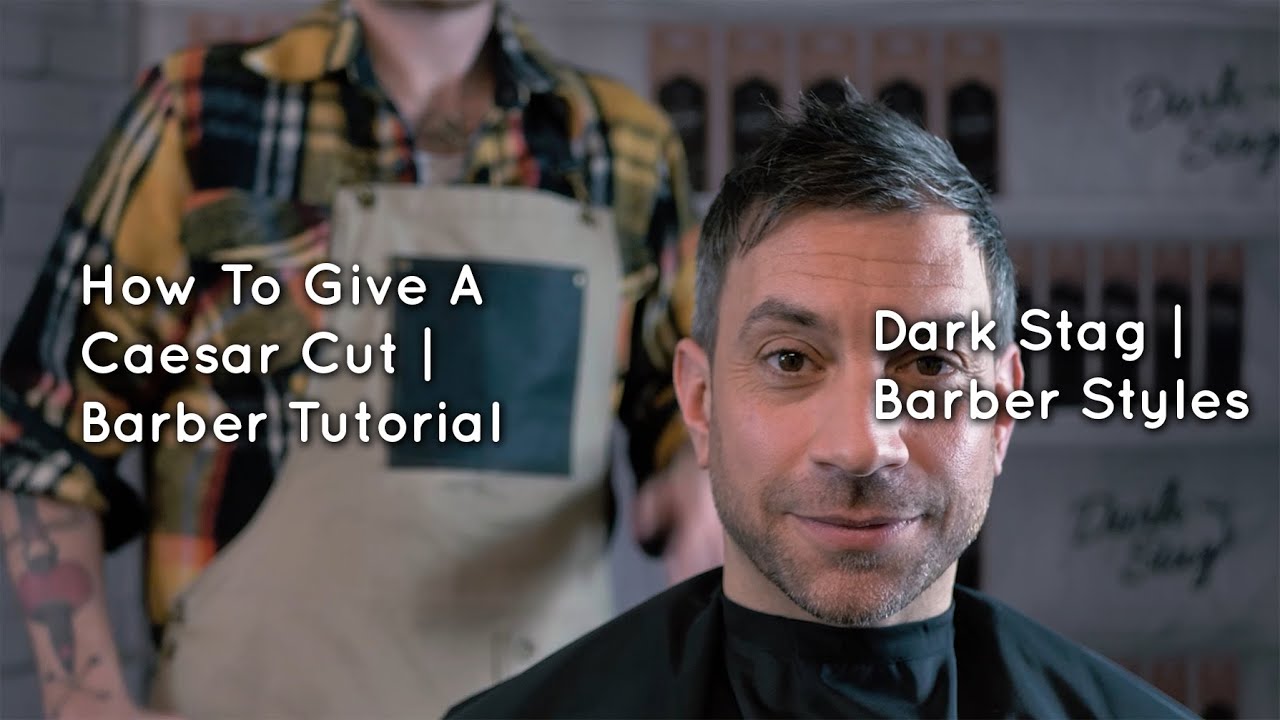
- The Caesar cut features uniform length on top (1–2 inches) with a straight, forward-brushed fringe
- Works on every hair type: straight, curly, and coily textures
- Best for oval, square, and round faces (with adjusted proportions)
- Maintenance: trims every 2–4 weeks depending on hair growth speed
- Modern variations include bald fade, textured, and celebrity-inspired versions
What Is The Caesar Cut?
The Caesar cut features short, horizontally-cut hair with a signature straight fringe sitting 1-3 inches above your eyebrows. Named after Julius Caesar himself, this timeless style combines clean edges with minimal styling needs.
Most barbers cut it between half an inch to two inches on top, keeping sides slightly shorter for that classic Roman emperor silhouette.

Classic Caesar Cut Variations
Traditional Caesar Cut
The traditional Caesar keeps everything uniform at about one inch, with that ruler-straight fringe defining the entire look. Your barber will use scissors over comb technique for precision.
This original version works best with straight to slightly wavy hair textures, giving you that authentic ancient Rome vibe.

Short Caesar Cut
Short Caesars use guard #2 or #3 all over, creating a neat, military-inspired finish that needs zero morning styling. The fringe stays visible but subtle.
Perfect for guys hitting the gym at 5am who can’t waste time on hair products or blow-drying routines.

Textured Caesar Cut
Textured Caesars incorporate point cutting and thinning shears to create movement and dimension throughout the top section. Your barber adds choppy layers while maintaining that forward fringe.
This variation suits thicker hair types, preventing that helmet-like appearance some guys struggle with.

French Crop Caesar
The French crop Caesar blends both styles by keeping the Caesar’s horizontal cut but adding the crop’s longer, textured fringe. Sides typically get a fade treatment.
Think of it as the Caesar’s cooler European cousin who studied abroad and came back with better fashion sense.

Modern Caesar Cut
Modern Caesars break traditional rules with disconnected sides, skin fades, and slightly disheveled fringe styling for contemporary edge. Barbers often incorporate line work.
This updated version lets you rock Caesar vibes while still looking like you belong in 2024, not ancient Rome.

Extended Top Caesar
Extended top Caesars push length limits with 2-3 inches up top while maintaining shorter sides for contrast. The fringe gets piece-y rather than blunt.
Styling becomes essential here; without product, you’ll lose that Caesar structure and end up with generic short hair instead.
Caesar Fade Combinations
Caesar With Low Fade
Low fades start just above the ears, creating subtle graduation that keeps your Caesar looking professional and office-appropriate. The blend begins around temple height.
Conservative guys choose this because it adds modern touch without screaming for attention during Monday morning meetings.

Caesar With Mid Fade
Mid fades begin at temple level, striking the perfect balance between bold and wearable for most Caesar enthusiasts. Your barber blends from skin to full length.
This combination frames your face beautifully while keeping enough hair on sides to avoid that disconnected floating-top look.

Caesar With High Fade
High fades start above the temple line, creating dramatic contrast between your Caesar top and nearly bare sides. The transition happens quickly and boldly.
Athletes and younger guys gravitate toward this combo because it screams confidence without requiring explanation or apology.

Caesar With Skin Fade
Skin fades gradually blend from completely bald skin to your Caesar length, creating the smoothest possible transition. Requires clipper work down to 0.
Weekly touch-ups become necessary since any growth destroys that clean skin-to-hair gradient you paid good money to achieve.

Caesar With Taper Fade
Taper fades keep hair longer overall while gradually shortening toward the neckline and ears for subtle refinement. No skin showing here.
Older gentlemen prefer this combination because it maintains fullness while still looking meticulously groomed and age-appropriate throughout.

Specialty Caesar Cuts
Disconnected Caesar Cut
Disconnected Caesars eliminate the blend between top and sides entirely, creating a harsh line where lengths meet. Bold choice, maximum impact.
The stark contrast makes thin hair appear denser on top while giving thick hair dramatic architectural structure.

Two-Tone Caesar
Two-tone Caesars use hair color to create contrast between the top and sides or within the fringe itself. Bleached tips remain popular.
Maintenance becomes doubled; you’re managing both cut frequency and color touch-ups to keep the look fresh.

Caesar With Hard Part
Hard part Caesars add a shaved line along your natural part, creating permanent separation that doesn’t shift throughout the day. Clean and intentional.
The part line should align with your face’s natural symmetry; forcing unnatural placement looks awkward regardless of execution quality.

Asymmetric Caesar Cut
Asymmetric Caesars deliberately shift the fringe weight to one side or vary lengths between left and right. Artistic rebellion against Caesar conformity.
This style demands confidence; people will notice and comment on the intentional imbalance you’re rocking with authority.

Maintenance And Upkeep
Weekly Touch-Up Schedule
Caesar cuts need edge cleanup every 7-10 days to maintain sharpness, with full cuts every 3-4 weeks maximum. Set recurring appointments.
Between visits, use your trimmer’s edge blade to clean neck hair and maintain sideburn length at home.

Home Maintenance Tips
Invest in quality clippers with multiple guards for DIY touch-ups between professional cuts. Practice on the neckline first before attempting visible areas.
Keep styling products minimal; over-product buildup makes Caesar cuts look greasy and destroys that fresh-cut appearance.

Product Recommendations
Matte clay works for most Caesar styles, providing hold without shine while maintaining touchable texture. Start with dime-sized amounts.
Sea salt spray adds grip to fine hair, while smoothing serum tames coarse textures that fight against Caesar structure.

Growing Out A Caesar
Growing out Caesars requires patience through the awkward helmet phase around week 6-8. Regular trims maintain shape during transition.
Ask your barber to gradually increase top length while maintaining proportional sides to avoid mushroom head syndrome.
Not sure what your face shape is? Our Face Shape Detector figures it out in 4 quick questions.

Caesar Cut vs. Similar Short Styles
The caesar gets confused with other short cuts constantly. Here’s how they actually differ:
| Style | Top Length | Fringe | Best For |
|---|---|---|---|
| Caesar Cut | 1–2 inches, uniform | Short, straight, forward-brushed | Every face shape; receding hairlines |
| Crew Cut | 1–3 inches, longer at front | Styled up or to the side | Oval and square faces; thicker hair |
| Buzz Cut | Under 1 inch, uniform | None | Strong jawlines; minimal maintenance |
| French Crop | 2–4 inches on top | Textured, choppier, sometimes longer | Rounder faces; textured hair |
The biggest difference is the fringe. A caesar always has that signature short, straight fringe brushed forward. A crew cut pushes hair up or to the side.
A buzz cut has no fringe at all. And a French crop’s fringe is choppier and usually longer than a caesar’s.
How to Ask Your Barber for a Caesar Cut
Most guys who sit in my chair and ask for a caesar cut get exactly what they want—because they bring a photo. That one move solves 90% of communication problems before scissors ever touch hair.
But a photo alone isn’t enough. You need to tell your barber four things:
- Fringe length — How far down your forehead the bangs should fall. Half an inch gives a subtle look; one inch or more makes a statement.
- Guard number on top — A #4 guard (half inch) keeps it tight and low-maintenance. A #6 (three-quarters inch) gives you more texture to work with.
- Fade type — Do you want a low fade, mid fade, high fade, or a classic taper? Each changes the overall shape dramatically.
- Neckline — Blocked (straight across), rounded, or tapered. Most caesars look sharpest with a tapered neckline.
One thing I always warn clients about: if you’re prone to razor bumps, tell your barber before they start. A skin fade taken too close on sensitive skin can flare up within hours. A #0.5 guard instead of a bare blade gives you a nearly identical look without the irritation.
Ready to Find Your Perfect Cut?
You’ve read about the styles. Now find the one that fits YOUR face shape, hair type, and lifestyle.
FAQs
How Often Should I Get My Caesar Cut Trimmed?
Most Caesar cuts need professional trimming every 2-3 weeks to maintain their signature clean lines and structured shape. Faster-growing hair might need weekly edge touch-ups.
Faded Caesars require more frequent maintenance than uniform-length versions since any growth immediately shows in the fade graduation.
Can I Get A Caesar Cut With A Receding Hairline?
Caesar cuts actually work brilliantly for receding hairlines since the forward-styled fringe camouflages temple recession naturally. Many men choose Caesars specifically for this benefit.
Just ensure your barber adjusts the fringe angle to complement your hairline rather than fighting against it.
What’s The Difference Between A Caesar And French Crop?
Caesar cuts feature uniform short length with straight, horizontal fringe, while French crops incorporate longer, textured fringe with more dramatic length contrast. Crops allow more styling versatility.
Think of Caesars as the disciplined option and French crops as the artistic interpretation of similar concepts.
Which Face Shapes Look Best With Caesar Cuts?
Square and oval faces naturally suit Caesar cuts best, though skilled barbers adapt the style for any face shape. Round faces need added height.
The key lies in adjusting fringe weight, fade height, and top length to complement your specific facial proportions.
How Much Does A Caesar Cut Typically Cost?
Basic Caesar cuts range from $15-30 at standard barbershops, while specialty versions with fades or designs run $25-50. High-end salons charge $40-80.
Remember that frequent maintenance means budgeting for bi-weekly visits, making Caesars more expensive long-term than longer hairstyles.
What is the best Caesar cut variation for my hair type?
For straight hair, go with the classic Caesar. Curly hair works best with a textured version cut dry. Black or coily hair benefits from specific techniques like dry cutting and wave pairing. The key is finding a barber who adjusts the technique to your texture.
Is the Caesar cut still in style?
The caesar cut has never really gone out of style—it just cycles between trending and classic. In 2026, textured and faded caesars are dominating barbershops because they combine a clean silhouette with modern edge. The cut works because its proportions are timeless: short, structured, and flattering on nearly every face shape.
What clipper guard do you use for a Caesar cut?
Most barbers use a #4 guard (half inch) on top for a classic caesar length. For the sides, it depends on the fade: a low taper might start at a #3 and blend down, while a skin fade goes down to bare blade or a #0.5. The fringe is usually scissor-cut to control the exact length and line.
Does a Caesar cut make hair look thicker?
Yes—the caesar is one of the best cuts for creating the illusion of thicker hair. The uniform length on top avoids exposing thin patches, and the forward-brushed fringe covers a receding hairline naturally. Adding a textured finish with a matte clay enhances the effect by giving fine hair more visual density.
Was this article helpful?

Khamis Maiouf is a professional barber who graduated from Hinckley College in England with a Level 3 qualification in hairdressing. With over 20 years of experience, he is an award-winning barber who has mentored numerous students and styled thousands of clients. A recognised expert featured on StyleCraze (20M+ readers).
Credentials: Level 3 Hairdressing (Hinckley College, UK) • 20+ Years Professional Experience • Featured Expert on StyleCraze • Founder of Book of Barbering