

— Award-Winning Barber · 20+ Years Experience · Level 3 Qualified
Blonde beards have a natural advantage most guys don’t realize—the lighter tone creates a softer, more approachable frame around the face that lets you go fuller without looking overwhelming. After two decades of shaping blonde facial hair in my chair, I’ve learned that the right style and products make the difference between a beard that disappears on camera and one that commands attention.
Key Takeaways
- Blonde beards appear thinner than they are because lighter hair reflects more light—the right products and length offset this
- Keep blonde facial hair at medium length (1-3 inches) for maximum visual density and fullness
- Use beard oil with UV protection since blonde hair lacks melanin and fades quickly in sunlight
- Purple-tinted beard shampoos prevent brassiness and keep blonde tones looking clean and natural
- Pair a blonde beard with a contrasting hairstyle or darker brows to create striking definition
Can You Dye Your Beard Blonde? What Barbers Want You to Know
I’m seeing more and more clients walk in asking to bleach or dye their beard blonde, and I always have an honest conversation before we start. Yes, it’s possible—but beard hair reacts very differently to color than head hair, and rushing the process is the fastest way to end up with orange whiskers and irritated skin.
If your natural beard is dark brown or black, reaching true blonde requires lifting through multiple levels over 2-3 sessions. I never recommend doing it all at once because the bleach sits directly against facial skin, which is far more sensitive than your scalp. A professional colorist or barber experienced with beard bleaching will use a lower-volume developer and shorter processing times to protect both the hair and skin underneath.
For men with medium brown or dirty blonde beards, lightening to a brighter blonde is much simpler—often a single session with a gentle lightener does the job. The results tend to look more natural too, since you’re working within a closer color range. I typically recommend a stubble or short beard style for first-time blonde dyers so you can test the look without committing to a full bleached beard.
Aftercare is critical regardless of your starting shade. Bleached beard hair needs deep conditioning treatments weekly because the lightening process strips natural oils and proteins. Use a sulfate-free beard wash, apply beard oil daily, and avoid hot water on your face—lukewarm only. If you maintain it properly, a dyed blonde beard can look sharp for 3-4 weeks before roots start showing and you’ll need a touch-up.
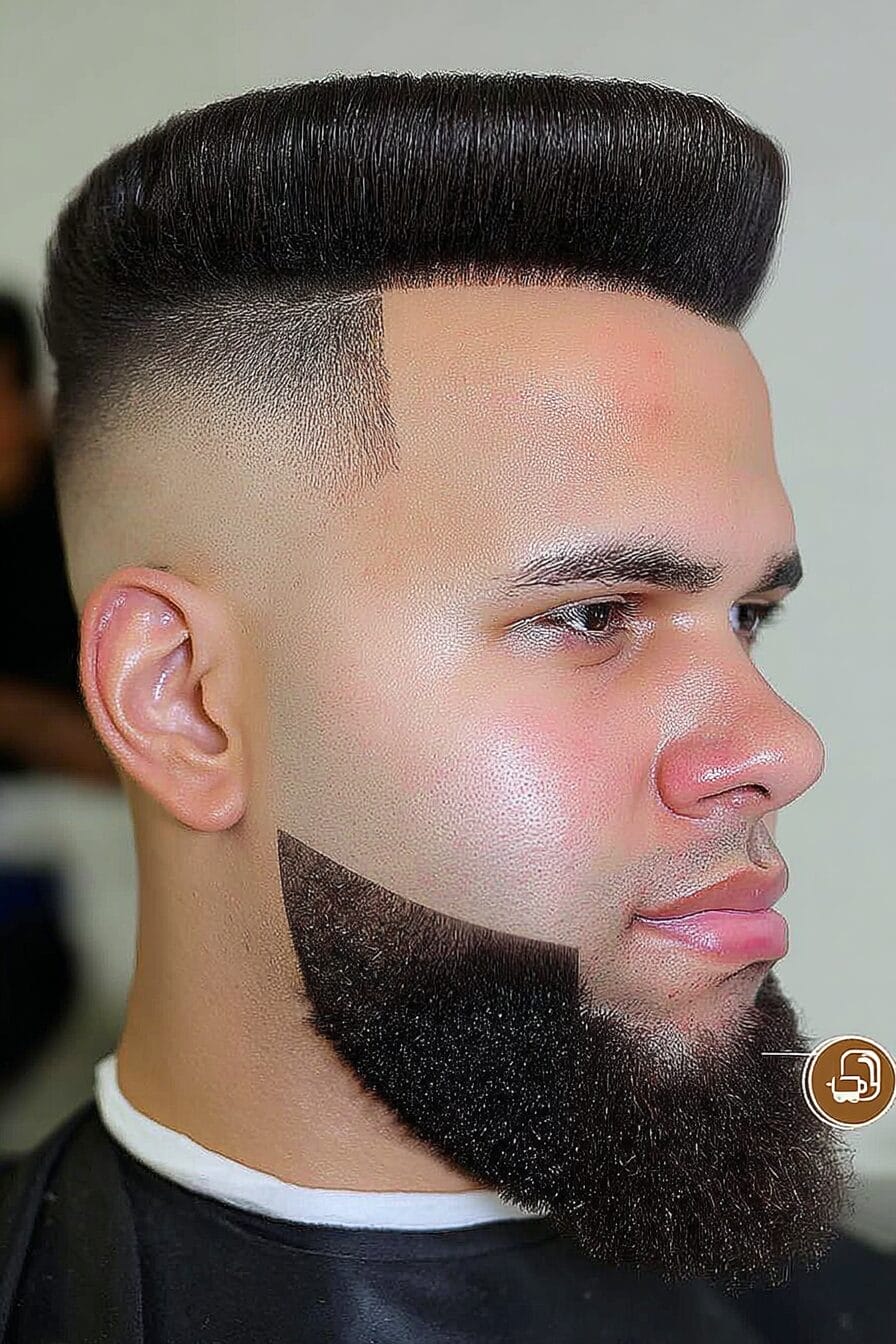
What Is A Blonde Beard?
A blonde beard refers to facial hair ranging from light golden to platinum shades, often containing multiple tone variations. Natural blonde beards typically feature mixed color patterns with darker roots and lighter tips, creating dimensional depth. This coloring occurs due to lower melanin levels in the hair follicles. Many men with brown head hair surprisingly grow blonde or reddish beards due to different genetic expressions in facial hair.
How To Grow A Blonde Beard
Growing a healthy blonde beard requires the same 3-4 month commitment as any beard style, but with extra attention to sun protection. Blonde facial hair is more susceptible to UV damage, making beard oil with natural SPF essential.
Regular conditioning prevents the brittle texture that lighter hair often develops. Patience is crucial—blonde beards often appear thinner initially but fill in nicely with proper care and time.

Best Products For Blonde Beards
Blonde beards benefit from color-enhancing products that prevent yellowing and maintain vibrancy. Purple-tinted beard shampoos neutralize brassy tones while moisturizing oils with argan or jojoba prevent dryness.
Avoid heavy waxes that can darken light hair—opt for light-hold balms instead. Weekly deep conditioning treatments keep blonde whiskers soft and manageable, while vitamin E oils protect against environmental damage that lighter hair is prone to.

Short Blonde Beard
The short blonde beard maintains 1-2 inches of length for a neat, professional appearance. This length showcases blonde tones without overwhelming facial features, making it perfect for corporate settings.
The shorter style requires trimming every 5-7 days to maintain shape. It works exceptionally well for men with patchy growth patterns since the controlled length creates uniform coverage.

Full Blonde Beard Style
A full blonde beard offers complete facial coverage from sideburns to neckline, typically reaching 3-4 inches. This classic style showcases the natural color variations in blonde hair, from darker roots to sun-kissed tips.
Monthly professional shaping keeps the silhouette clean while preserving fullness. The substantial coverage particularly suits oval and rectangular face shapes, creating balanced proportions.

Blonde Stubble Beard
Blonde stubble creates subtle definition at 2-5mm length, perfect for men whose light facial hair might otherwise disappear. This low-maintenance style needs trimming every 3-4 days to prevent uneven growth.
The controlled length makes blonde hair appear denser while maintaining a casual, effortless vibe. It’s particularly effective for enhancing jawline definition without committing to a fuller beard.

Long Blonde Beard
The long blonde beard extends beyond 6 inches, creating an impressive Nordic warrior aesthetic. This length requires dedicated maintenance with daily oiling and weekly deep conditioning to prevent tangling.
The natural color gradation becomes more pronounced with length, often displaying beautiful golden to platinum transitions. Growing this style takes 8-12 months of patience but delivers maximum visual impact.

Blonde Viking Beard
The blonde Viking beard embodies authentic Norse heritage with wild, natural growth reaching 4-8 inches. This powerful style often includes braided sections decorated with traditional beard beads.
The combination of blonde coloring and Viking length creates an unmistakably warrior-like presence. Regular beard balm application tames the wildness while preserving that rugged, untamed character that defines the Viking aesthetic.

Tapered Blonde Beard
A tapered blonde beard features graduated lengths from fuller chin areas to shorter sides. This technique creates facial slimming effects while maintaining substantial coverage where it matters.
The tapering particularly benefits round faces by adding vertical length. Professional barbers recommend this style for blonde beards because the gradient effect enhances natural color variations beautifully.
Blonde Beard With Fade
Combining a blonde beard with a faded haircut creates contemporary contrast and clean lines. The fade typically starts at skin level near the ears, gradually blending into the beard’s fullness.
This modern style requires professional maintenance every 2-3 weeks to keep transitions sharp. The technical precision makes blonde facial hair appear more intentional and well-groomed rather than naturally wispy.

Golden Blonde Beard Style
The golden blonde beard showcases warm honey tones that catch light beautifully. This shade works particularly well with tan or olive skin tones, creating appealing contrast.
Natural golden beards often develop deeper color with sun exposure, though UV protection remains essential. Beard oils with chamomile or honey extracts can enhance these warm tones while providing necessary moisture.

Strawberry Blonde Beard
Strawberry blonde beards blend reddish undertones with golden highlights for unique depth. This naturally occurring shade creates striking visual interest that changes appearance in different lighting.
The copper hints become more pronounced with beard oils containing natural oils. Men with this coloring often find their beards develop more red tones than their head hair, creating an attractive contrast.

Blonde Goatee Style
The blonde goatee concentrates facial hair around the chin and mouth, maximizing impact for lighter hair colors. This focused style prevents blonde whiskers from getting lost across broader facial areas.
Keeping edges sharp with precise trimming every 4-5 days maintains definition. The concentrated coverage works especially well for men with patchy cheek growth but strong chin density.

Dirty Blonde Beard
Dirty blonde beards feature darker base tones mixed with lighter highlights, creating natural dimension. This versatile shade transitions easily between casual and professional settings.
The mixed coloring helps create an appearance of fuller coverage compared to pure blonde shades. Regular conditioning keeps the multiple tones vibrant while preventing the ashiness that can develop in dirty blonde hair.

Blonde Beard With Dark Mustache
The contrast of a blonde beard with dark mustache creates striking facial architecture. This naturally occurring phenomenon happens when different facial zones produce varying pigments.
The two-tone effect adds definition and prevents the wash-out effect that all-blonde facial hair sometimes creates. Styling products should be chosen carefully to enhance rather than mask this unique color combination.

Natural Blonde Beard
A natural blonde beard embraces unaltered color variations from root to tip without any dye or enhancement. These beards often display multiple shades from dark blonde to nearly white, especially after sun exposure.
The key to maintaining natural blonde beauty is proper hydration and protection from environmental damage. Accept the unique patterns—no two natural blonde beards grow exactly alike.

Platinum Blonde Beard Style
The platinum blonde beard features the lightest natural shade or can be achieved through careful bleaching. This ice-blonde tone creates maximum visual impact and requires dedicated maintenance to prevent yellowing.
Purple-toned products are essential for maintaining the cool platinum shade. Whether natural or styled, this dramatic look commands attention and suits confident personalities.

Blonde Circle Beard
A blonde circle beard connects mustache and goatee in a continuous rounded shape around the mouth. This defined style prevents light-colored whiskers from appearing sparse by concentrating coverage.
The circular shape requires precision trimming every 5-6 days to maintain clean lines. It’s an excellent choice for professional environments where full beards might seem too casual.

Thick Blonde Beard
The thick blonde beard showcases dense follicle coverage that dispels myths about blonde hair appearing thin. Proper grooming techniques like blow-drying with round brushes add volume and shape.
This fuller style benefits from layered trimming that prevents bulk while maintaining density. Regular beard balm application defines the thickness while controlling any unruly sections.

Blonde Beard With Handlebar Mustache
Pairing a blonde beard with a handlebar mustache creates vintage gentleman appeal. The upturned mustache ends require daily wax application and styling, which can darken blonde hair slightly.
This combination works best with medium to full beard lengths that balance the mustache’s bold statement. The lighter coloring softens what might otherwise be an overly dramatic style.

Square Blonde Beard Style
The square blonde beard features a flat, angular bottom that creates strong jawline definition. This geometric shape particularly suits round faces by adding angular structure.
Maintaining the square shape requires professional trimming every 2-3 weeks to preserve clean lines. The structured style prevents blonde beards from appearing wispy or undefined.

Pointed Blonde Beard
A pointed blonde beard tapers to a defined triangular tip below the chin, creating facial lengthening effects. This ducktail-inspired style requires at least 3-4 inches of length to achieve proper pointing.
The dramatic shape draws eyes downward, making it ideal for round or square faces. Daily brushing and occasional wax application maintain the pointed silhouette.

Blonde Van Dyke Style
The blonde Van Dyke combines a disconnected goatee and mustache with clean-shaven cheeks. This artistic style named after the Flemish painter creates sophisticated definition.
Not sure what your face shape is? Our Face Shape Detector figures it out in 4 quick questions.
The separation between elements requires precise maintenance every 3-4 days. Blonde coloring gives this classic style a softer, more approachable appearance than darker versions.

Curly Blonde Beard
Curly blonde beards create magnificent texture and volume that straight beards can’t match. The spiral patterns catch light differently at every angle, enhancing blonde tones beautifully.
Managing curls requires leave-in conditioner and wide-tooth combing to prevent tangles. Never try to straighten naturally curly blonde beards—embrace the texture that makes your beard unique.

Straight Blonde Beard
Straight blonde beards offer sleek, manageable styling that showcases color consistency from root to tip. This texture allows for precise shaping and holds styled looks longer than curly variants.
Daily brushing with boar bristle brushes distributes natural oils evenly. The smooth texture particularly benefits from beard oil application, which enhances the natural blonde shine.

Blonde Beard With Undercut
Combining a blonde beard with an undercut hairstyle creates modern contrast between lengths. The short, buzzed sides emphasize the beard’s fullness while maintaining overall balance.
This style requires coordination between barber visits to keep both elements proportional. The dramatic difference in lengths makes blonde facial hair appear more substantial and intentional.

Professional Blonde Beard
The professional blonde beard maintains corporate-appropriate grooming at 1-2 inches length. Clean cheek lines and shaped necklines create polished definition without appearing overly styled.
This versatile length works in conservative offices while maintaining personality. Weekly edge maintenance and daily beard oil keep the professional blonde beard looking intentional rather than unkempt.

Rugged Blonde Beard Style
A rugged blonde beard embraces natural, slightly wild growth while maintaining basic shape. This outdoorsman style allows for some stragglers and uneven texture that adds character.
The key is finding balance between wild and homeless—monthly professional shaping achieves this. The lighter coloring prevents this style from appearing too intimidating while maintaining masculine appeal.


FAQs: Blonde Beard Styles
How do I keep my blonde beard from looking washed out?
Preventing a washed-out appearance requires strategic product selection and grooming techniques. Use beard oils with natural shine enhancers like argan or jojoba to add depth and dimension.
Purple-tinted beard shampoos once weekly neutralize yellow tones that make blonde beards look dull. Consider using a beard darkening balm on roots only to create natural-looking depth. Most importantly, protect your beard from sun damage with SPF-containing products, as UV exposure quickly fades blonde pigments.
What face shapes suit blonde beards best?
Blonde beards work wonderfully with all face shapes when styled appropriately. Oval faces can wear any blonde beard style confidently.
Round faces benefit from longer, pointed blonde beards that add vertical length. Square faces look great with rounded blonde beards that soften angular features. The key advantage of blonde beards is their softer appearance allows for fuller styles without overwhelming facial features—something darker beards might do.
Should I use special products for blonde facial hair?
Yes, blonde beards benefit significantly from specialized products designed for lighter hair. Purple-toned shampoos prevent brassiness while color-depositing conditioners enhance natural golden tones.
Choose lighter hold products like balms over heavy waxes that can darken blonde hair. Oils with UV protection are essential since blonde hair lacks the melanin that protects darker hair from sun damage. Weekly protein treatments strengthen blonde whiskers that tend to be finer than darker hair.
How can I make my blonde beard look thicker?
Creating the appearance of a thicker blonde beard involves strategic grooming and styling. Use a blow dryer on low heat with a round brush to add volume while directing growth patterns. Apply volumizing beard balm to damp whiskers before drying.
Keep your beard at medium length (2-3 inches) where blonde hair appears fullest. Consider using a beard darkening product on just the underlayers to create shadow and depth. Regular trimming actually promotes thicker appearance by removing wispy ends.
Are blonde beards attractive?
Absolutely—and I say that based on what I see in my shop daily, not just personal opinion. Blonde beards stand out because they’re less common, which naturally draws attention.
The lighter tone also creates a softer, warmer frame around the face that many people find appealing. The key is grooming: a well-maintained blonde beard looks striking, while an unkempt one can look invisible. Keep it shaped and conditioned and you’ll get compliments.
Why is my beard blonde when my hair is dark?
This is one of the most common questions I hear. It happens because facial hair and head hair are controlled by different genes—your beard follicles may produce less eumelanin (the pigment responsible for dark color) than your scalp follicles. It’s completely normal and actually creates a naturally striking contrast that many guys pay good money to achieve with dye. Embrace the two-tone look and keep both your hair and beard well-groomed for maximum impact.
How do I make my blonde beard look thicker?
Three tricks I use with blonde-bearded clients: First, blow dry your beard on low heat with a round brush to add volume and train growth direction. Second, keep the length at 2-3 inches where blonde hair looks its fullest—too short and it disappears, too long and it gets wispy. Third, use a tinted beard balm one shade darker than your natural color on the underlayers only. This creates shadow and depth that makes the whole beard appear denser without looking dyed.
Was this article helpful?
Find Your Perfect Beard Style
You’ve seen the options. Now find the one that actually suits YOUR face shape and growth pattern.

Khamis Maiouf is a professional barber who graduated from Hinckley College in England with a Level 3 qualification in hairdressing. With over 20 years of experience, he is an award-winning barber who has mentored numerous students and styled thousands of clients. A recognised expert featured on StyleCraze (20M+ readers).
Credentials: Level 3 Hairdressing (Hinckley College, UK) • 20+ Years Professional Experience • Featured Expert on StyleCraze • Founder of Book of Barbering