

Nine out of ten guys who ask me about going blonde have the same worry: “Will it look natural on me?” The answer depends entirely on one thing most colorists won’t tell you upfront — your skin’s undertone matters more than your current hair color. Match that correctly, and blonde looks like it was always yours. Miss it, and you’ll look washed out no matter how skilled the colorist.
Every shade from icy platinum to warm honey, which ones work for your complexion, and the maintenance that keeps blonde looking intentional instead of accidental.
Key Takeaways
Not sure which style suits you best? Our Haircut Finder Quiz matches you with the right cut based on your face shape and hair type — takes 60 seconds.
- Your skin’s undertone (warm, cool, neutral) determines which blonde shade looks natural — warm skin pairs with golden/honey blondes, cool skin suits ash/platinum
- Going blonde from dark hair takes 2-4 sessions over several weeks — single-session attempts cause breakage and orange brassiness
- Purple shampoo 2x weekly prevents the yellow-orange brassiness that ruins most men’s blonde hair within weeks
- Faded sides with a blonde top create the highest-contrast, most modern pairing — it’s the #1 requested blonde style
- Maintenance-friendly blondes (dirty blonde, honey) need touch-ups every 6-8 weeks; platinum needs touch-ups every 3-4 weeks
What Is Blonde Hair For Men?

Blonde hair encompasses every shade from stark platinum through golden honey to subtle dirty blonde tones. Natural blonde occurs in about 2% of men worldwide, while chemical processing opens endless possibilities.
Modern techniques include balayage, foil highlights, and full bleach-outs that create depth and movement. Each method delivers different results based on your starting color and desired intensity level.
- Platinum: Requires maximum lifting for pale silver-blonde results
- Golden: Warm undertones that complement tan skin perfectly
- Ash: Cool-toned blonde without yellow or orange notes
- Dirty blonde mixes natural brown with lighter streaks
Classic Blonde Cuts

Traditional blonde styles leverage light reflection to enhance structure and movement in every strand. These timeless cuts work across all blonde shades from subtle highlights to bold platinum statements.
Classic cuts provide versatility for both casual and formal occasions while showcasing blonde dimension beautifully.
The Textured Quiff

Height and volume define this iconic style where blonde strands catch light at multiple angles. Product application focuses on root lift while maintaining piece-y separation throughout the crown area.
Blow-drying upward with medium heat sets the foundation before adding matte clay for hold.
Side-Parted Gentleman’s Cut

Sharp parting lines create professional polish while blonde tones soften the overall appearance naturally. Regular trimming every three weeks maintains clean edges that frame your face proportionally.
Pomade application should follow the natural growth pattern for sleek control without stiffness.
Slicked-Back Blonde Style

Smooth surfaces reflect maximum light, making blonde shades appear more vibrant and dimensional overall. Starting with damp hair, apply strong-hold gel from roots through tips evenly.
Comb straight back following your crown’s natural direction for the most flattering finish possible.
Classic Pompadour

Volume concentrated at the front creates dramatic height that blonde hair maintains exceptionally well throughout the day. Round brushing while blow-drying builds the signature pomp shape before setting.
Hairspray locks the style while preserving natural movement and preventing helmet-hair stiffness completely.
🧠 Expert Advice
Schedule blonde touch-ups every 4-6 weeks to maintain vibrancy and prevent obvious root lines. Stretch appointments by using root spray between visits, focusing on your part line and hairline where regrowth shows first.
Short Blonde Styles

Short blonde cuts offer minimal styling time while maximizing the impact of your color choice completely. These lengths showcase blonde tones through clean lines and precise fading techniques.
Maintenance stays simple with weekly edge-ups keeping these styles sharp between full cuts.
Buzz Cut With Blonde Stubble

Ultra-short length reveals scalp contours while blonde stubble creates subtle texture across the entire head. Guard selection between #1-3 determines coverage density and how much skin shows through.
Weekly buzzing at home maintains consistent length without salon visits or complex styling routines.
Crew Cut Blonde

Military precision meets casual wearability in this graduated cut that’s slightly longer on top than sides. Blonde coloring softens the strict lines while maintaining professional appropriateness for any environment.
Styling requires only towel-drying and perhaps light wax for subtle texture definition when desired.
High And Tight Blonde

Extreme contrast between shaved sides and blonde top section creates bold visual impact immediately. The transition line sits high above the temples, leaving minimal length for styling versatility.
This cut demands precision fading every two weeks to maintain its signature sharp appearance.
Textured Crop

Choppy layers throughout create movement and dimension that blonde coloring enhances naturally every day. Point-cutting techniques remove weight while maintaining density for fuller appearance overall.
Sea salt spray amplifies texture without weighing down fine blonde strands or creating greasiness.
⚠️ Common Mistake
Using regular shampoo on blonde hair strips color and creates brassiness within days of coloring. Switch to sulfate-free, color-safe formulas immediately after going blonde, and incorporate purple shampoo twice weekly to neutralize unwanted yellow tones.
Medium-Length Blonde Looks

Medium lengths provide styling flexibility while showcasing blonde’s natural movement and light-catching properties perfectly. These cuts balance professional appropriateness with creative expression through varied textures.
Growing out from shorter styles requires patience but rewards you with versatile blonde options.
Surfer-Style Waves

Natural wave patterns enhanced by blonde highlights create that effortless beach-inspired appearance year-round. Salt spray applied to damp hair and scrunched upward activates texture without heavy products.
Air-drying preserves natural movement while preventing heat damage to processed blonde strands entirely.
Layered Blonde Shag

Multiple layer lengths create volume and movement reminiscent of 1970s rock stars with modern refinement. Razor cutting adds wispy ends that blonde coloring makes appear lighter and more dynamic.
Texturizing spray applied before rough-drying with fingers maintains the shag’s signature disheveled charm.
Blonde Fringe Forward

Longer front sections sweep across the forehead, framing your face with dimensional blonde color beautifully. Regular trimming prevents the fringe from obscuring vision while maintaining style integrity.
Light pomade worked through front pieces provides control without sacrificing natural movement or softness.
Tousled Mid-Length

Intentionally messy styling creates casual appeal that blonde coloring makes appear sun-kissed and natural. Scrunching damp hair with texture cream builds volume without defined patterns or sections.
This low-maintenance approach works especially well with naturally wavy or thick blonde hair.
Fade Combinations With Blonde

Faded sides create striking contrast against blonde tops while adding structure to any style choice. Precision blending techniques ensure smooth transitions that complement your blonde shade perfectly.
Regular fade maintenance every 2-3 weeks keeps these combinations looking fresh and intentional always.
Master barbers recommend choosing fade heights based on head shape – higher fades elongate round faces while lower fades balance longer face shapes.
Skin Fade With Blonde Top

Zero-guard fading creates maximum contrast where skin meets bright blonde sections for dramatic impact. The bald fade line requires expert blending to avoid harsh demarcation between sections.
This bold combination works best with platinum or light blonde shades for strongest visual contrast.
Mid Fade Blonde Transition

Gradual blending from natural roots through blonde ends creates dimensional color flow down the sides. Starting the fade at temple height provides balanced proportions for most face shapes.
This technique works especially well when growing out blonde highlights or balayage treatments naturally.
Low Fade Blonde Accent

Subtle fading near the ears and neckline maintains length while adding clean definition around edges. Conservative fade placement suits professional environments where bold contrasts might seem inappropriate.
Low fades complement darker blonde shades by providing structure without overwhelming the color impact.
Temple Fade With Blonde Texture

Precise fading around temples creates clean lines that highlight textured blonde styling on top sections. This targeted approach maintains fullness through the crown while removing bulk at sides.
Temple fades frame the face effectively while showcasing your blonde color investment maximally every day.
🧠 Expert Advice
Request your barber use different guard sizes when fading blonde hair versus darker shades. Blonde hair appears thinner against skin, so gradual transitions using half-guard increments create smoother blends that won’t show obvious lines as hair grows.
⚠️ Common Mistake
Attempting DIY fade touch-ups between appointments creates uneven lines that professional barbers struggle to fix. Fades require specific techniques and angles that home clippers can’t achieve – save money elsewhere but invest in professional fade maintenance bi-weekly.
Long Blonde Hairstyles

Longer blonde styles showcase color variation and natural movement that shorter cuts can’t achieve fully. These lengths require commitment to maintenance but deliver maximum visual impact with blonde tones.
Protective styling and regular conditioning treatments preserve blonde integrity through extended growth phases.
Shoulder-Length Blonde Flow

Natural movement at shoulder length displays blonde dimension through every head turn and breeze. Layering throughout prevents bottom-heavy appearance while maintaining fullness and body consistently.
Leave-in conditioner applied daily prevents tangling and breakage common with longer blonde lengths.
Man Bun With Blonde Highlights

Pulled-back styles reveal blonde streaks throughout while keeping hair controlled during activities or work. Positioning the bun higher or lower changes your profile dramatically with the same cut.
Elastic selection matters – use snag-free bands to prevent breakage in processed blonde sections.
Blonde Viking Braids

Traditional braiding patterns gain visual interest through blonde color variations within each woven section. Dutch braids, fishtails, and standard three-strand braids all showcase blonde differently.
Braiding slightly damp hair with light hold gel prevents flyaways while maintaining braid integrity.
Flowing Blonde Locks
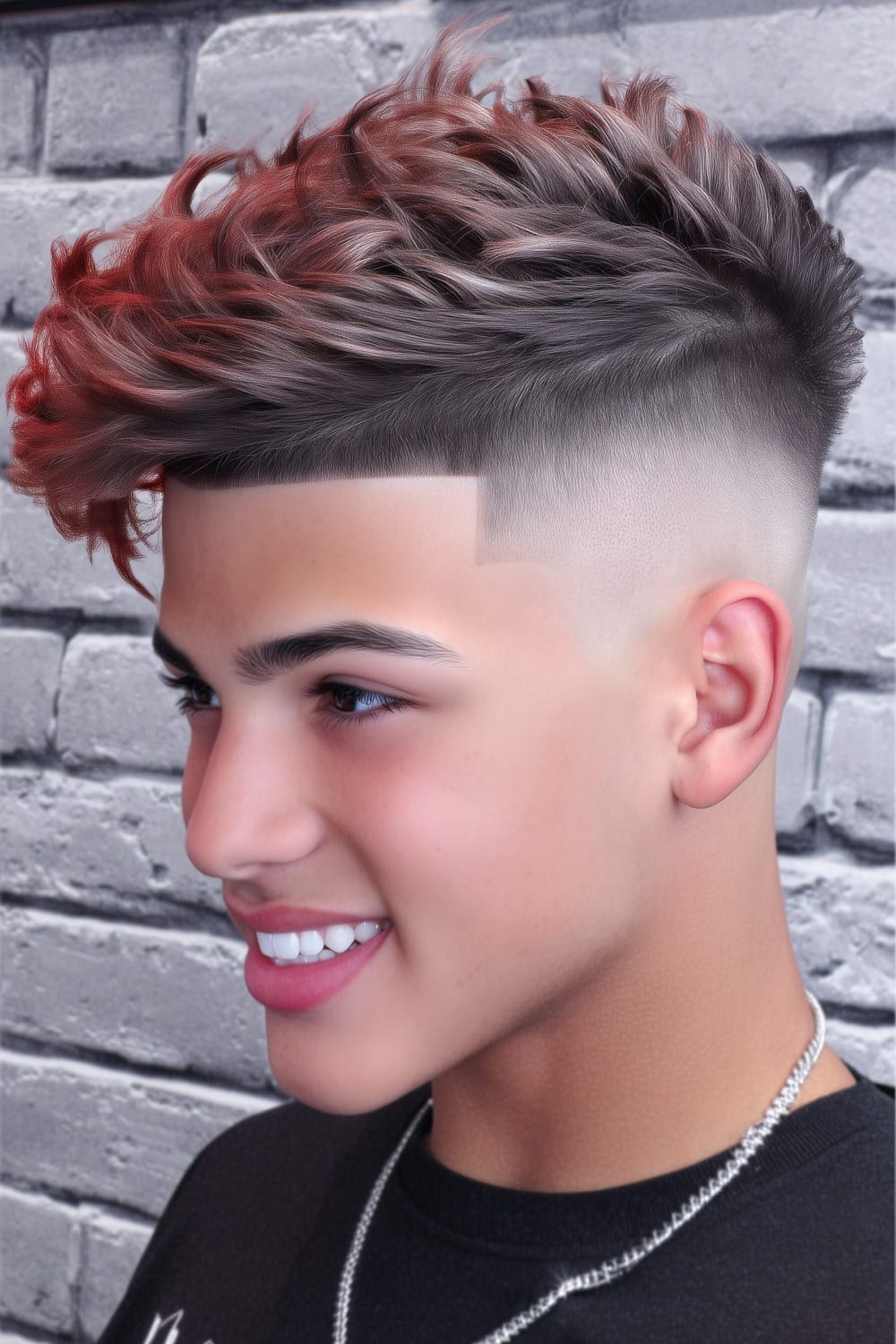
Full length past shoulders creates dramatic movement where blonde gradients shift with every motion naturally. Regular trimming every 8-10 weeks prevents split ends from traveling up the shaft.
Overnight braiding or silk pillowcases reduce friction damage while sleeping with long blonde hair.
Textured Blonde Styles

Texture techniques transform blonde hair from flat to dimensional through strategic cutting and styling methods. These approaches work across all blonde shades while adding visual interest and movement.
Product selection becomes crucial for maintaining texture without weighing down lighter blonde strands.
Messy Blonde Spikes

Piecy separation with matte products creates edgy texture that blonde coloring makes appear naturally sun-bleached. Working product through damp hair before blow-drying upward sets the foundation effectively.
Pinching small sections between fingers while applying heat creates defined spikes without stiffness.
Choppy Blonde Layers

Disconnected cutting creates independent movement sections that blonde highlights emphasize dramatically throughout your style. Point-cutting and slide-cutting techniques remove bulk while maintaining density and coverage.
This cutting method works especially well with straight to wavy blonde hair textures naturally.
Wavy Blonde Texture

Enhanced wave patterns through scrunching and diffusing showcase blonde’s multi-dimensional properties beautifully every time. Curl-enhancing products applied to soaking wet hair provide definition without crunchiness.
Diffusing on low heat preserves wave formation while preventing frizz in processed blonde hair.
Blonde Bedhead Look

Strategic messiness creates that just-woke-up appeal that blonde coloring makes appear effortlessly cool always. Texture powder at roots provides grip and volume without visible product buildup.
Tousling with fingers rather than combing maintains the intentionally disheveled aesthetic throughout the day.
Professional Blonde Cuts

Office-appropriate blonde styles balance personality with workplace expectations through refined cutting and styling techniques. These cuts maintain professional polish while incorporating blonde color tastefully.
Regular maintenance ensures these styles always appear intentional rather than grown-out or unkempt looking.
Executive Contour With Blonde

Precise contouring around the crown and sides creates sophisticated structure suitable for boardroom presentations. Blonde coloring adds approachable warmth to otherwise severe professional cuts naturally.
Matte pomade provides all-day hold without shine that might appear unprofessional in conservative environments.
Blonde Business Casual

Versatile length and styling options transition seamlessly from morning meetings to evening social events. Medium-hold products allow restyling throughout the day as situations require different presentations.
This adaptable cut works with both side parts and brushed-back styles equally well daily.
Clean Blonde Taper

Gradual length reduction from crown to neckline creates polished appearance without harsh lines or contrasts. Blonde coloring softens the taper’s structure while maintaining its professional appropriateness completely.
Weekly neck cleanups between full cuts keep this style looking fresh and intentional always.
Structured Blonde Side Part

Defined parting with controlled volume creates classic professional appearance enhanced by blonde dimension throughout. Establishing the part while hair is wet ensures it stays positioned all day.
Light-hold spray maintains structure without the helmet effect of stronger products or gels.
Edgy Blonde Options

Bold blonde styles push creative boundaries through dramatic cuts and unconventional styling approaches entirely. These options demand confidence and regular maintenance to preserve their impact.
Edgy cuts often require specific blonde shades like platinum or silver for maximum visual effect.
Platinum Mohawk

Strip of platinum blonde running crown to nape creates unmistakable silhouette from every viewing angle. Shaved sides require weekly maintenance while the platinum strip needs monthly toning sessions.
Strong-hold gel or glue keeps the mohawk standing through wind, rain, and vigorous activity.
Blonde Undercut Design

Artistic patterns shaved into blonde sections add personalized detail that grows out within 2-3 weeks. Geometric shapes, lines, and curves all show differently against blonde versus darker backgrounds.
Design complexity determines maintenance frequency – simple lines last longer than intricate patterns do.
Asymmetrical Blonde Cut

Intentionally uneven lengths create visual tension that blonde coloring emphasizes through light play and movement. One side significantly shorter than the other challenges traditional symmetry expectations boldly.
This cut requires precise execution to appear intentional rather than accidentally lopsided or uneven.
Blonde Faux Hawk

Center strip styled upward mimics mohawk aesthetics without committing to shaved sides permanently. Blonde coloring makes the raised center section appear lighter and more prominent naturally.
Styling versatility allows switching between faux hawk and traditional styles based on occasion.
Blonde With Beard Combinations

Coordinating blonde hair with facial hair creates cohesive appearance or intentional contrast for visual interest. These combinations require considering natural coloring and maintenance commitment levels.
Beard care products designed for lighter hair prevent yellowing and maintain color consistency effectively.
Full Blonde Beard Match

Matching blonde tones from scalp through beard creates unified appearance that appears naturally occurring always. Professional colorists ensure seamless blending between hair and beard without obvious demarcation.
Beard oil with UV protection prevents sun damage that causes blonde facial hair to become brittle.
Blonde Hair With Dark Beard

Natural contrast between blonde crown and darker facial hair creates striking masculine appearance effortlessly. This combination often occurs naturally when only head hair lightens with sun exposure.
Embracing the contrast rather than fighting it creates more authentic and manageable style overall.
Blonde Highlights With Stubble

Dimensional blonde on top paired with short facial hair maintains clean appearance without overwhelming contrast. Stubble length between 1-3mm provides definition without requiring beard maintenance routines.
This combination suits professionals who want personality without sacrificing workplace appropriateness or polish.
Blonde Top With Faded Beard

Graduated beard fading mirrors hair fade techniques, creating cohesive styling from top to bottom. Blonde hair contrast against faded beard edges adds dimension and structure simultaneously.
Professional beard fading every two weeks maintains the gradient effect and prevents awkward grow-out.
Maintenance-Friendly Blonde Styles

Low-maintenance blonde options minimize styling time while preserving color investment through strategic cutting techniques. These styles grow out gracefully without requiring frequent salon visits or touch-ups.
Choosing the right blonde shade initially reduces long-term maintenance requirements significantly for everyone.
Natural Blonde Grow-Out

Embracing root progression creates lived-in appearance that many consider more attractive than perfect color. Shadow roots or root smudging techniques blend natural growth with blonde seamlessly.
This approach extends time between appointments from 4-6 weeks to 8-12 weeks comfortably.
Blonde Wash-And-Go

Strategic cutting creates shape that falls into place naturally after washing without heat styling. Blonde coloring adds dimension that disguises any imperfections in daily styling routine.
Air-drying with lightweight leave-in conditioner maintains blonde health without time-consuming styling processes.
Easy Blonde Brush Back

Simple backwards brushing while damp creates polished appearance requiring minimal morning preparation time. Natural blonde oils develop throughout the day, adding hold without product application.
This style works best with medium-thickness blonde hair that has natural body and movement.
Blonde Finger-Styled Texture

Running fingers through blonde hair with minimal product creates effortless texture and separation naturally. Sea salt spray or texture powder provides grip without visible residue or stiffness.
This approach celebrates blonde’s natural properties rather than fighting against them with tools.
Seasonal Blonde Variations

Adjusting blonde tones seasonally keeps your color fresh and complementary to changing wardrobes and environments. These variations work with natural lighting changes throughout the year effectively.
Seasonal adjustments require less dramatic processing than complete color changes while maintaining visual interest.
Summer Beach Blonde

Sun-brightened effects with golden undertones capture vacation vibes even during workweeks in the city. Highlighting techniques mimic natural sun exposure patterns for authentic beachy appearance year-round.
Salt spray and texturizing products enhance the windswept, ocean-dried aesthetic throughout summer months completely.
Winter Ash Blonde

Cooler platinum and silver tones complement winter’s muted palette and indoor lighting conditions perfectly. Toning treatments every 3-4 weeks maintain ash tones without unwanted warmth developing.
These shades pair beautifully with darker winter clothing and create striking contrast against snow.
Spring Honey Blonde

Warm golden blonde with caramel undertones matches spring’s renewal energy and brightening daylight hours. Glossing treatments add shine that makes honey tones appear richer and more dimensional.
This shade transitions perfectly from winter’s cooler tones toward summer’s brighter blonde spectrum.
Fall Dirty Blonde

Deeper blonde with brown lowlights creates sophisticated autumn appearance matching changing leaves naturally. This transitional shade requires less maintenance as roots blend seamlessly with the overall color.
Dirty blonde works especially well for those wanting blonde effects without dramatic bleaching commitment.
Choosing Your Blonde Shade by Skin Tone
This is the conversation I have with every client before any bleach touches their hair. Get this right and the result looks effortless. Get it wrong and no amount of toning fixes it.
Warm undertones (veins appear green, gold jewelry flatters): Golden blonde, honey blonde, caramel blonde, and strawberry blonde all complement your natural warmth. These are the most forgiving shades because they work with your skin rather than against it.
Cool undertones (veins appear blue/purple, silver jewelry flatters): Ash blonde, platinum, silver blonde, and champagne tones create a striking, clean look. Avoid golden shades — they’ll clash with your skin and look artificial.
Neutral undertones (mix of both): You have the widest range. Dirty blonde, natural blonde, and sandy tones look effortlessly natural. You can also pull off both warm and cool extremes depending on the season.
Deeper skin tones: Honey, caramel, and warm golden blondes create beautiful contrast without looking unnatural. Full platinum is a bold statement that works when committed to fully — the key is going light enough that it reads as intentional rather than an accident.
Blonde Hair and Face Shape
Blonde amplifies your hairstyle because lighter colors draw more attention. That makes your face shape pairing even more important.
Round face: Blonde quiffs and pompadours add vertical lines that elongate. Avoid blonde buzz cuts — the light color + short length emphasizes width. See round face haircuts for more.
Oval face: Nearly any blonde style works. The side part in blonde is particularly classic. Full flexibility with shade and length.
Square face: Blonde highlights angular features beautifully. Textured cuts in blonde complement strong jawlines without softening them.
Oblong face: Use blonde styles with side volume. A blonde French crop or textured fringe adds width that balances length. Avoid tall blonde styles that exaggerate face length.
The Blonde Process: What to Expect
Whether you’re naturally dark or already light, here’s what the coloring process actually involves.
Light brown or dirty blonde starting point: Single-session transformation is usually possible. Your colorist lifts 2-4 levels, tones to your target shade, and you’re done in 2-3 hours. Cost: $80-150.
Medium to dark brown: Plan for 2-3 sessions spaced 2-3 weeks apart. Rushing this causes the orange, brassy mess that gives men’s blonde a bad reputation. Each session costs $80-150. Patience here is the difference between looking intentional and looking damaged.
Black hair: The longest journey — expect 3-4+ sessions. Your colorist needs to progressively lift through orange and yellow stages before reaching any clean blonde. A highlights approach is often smarter here: lighter pieces blended with your dark base create dimension without the full-commitment risk.
Already blonde (natural): You’re enhancing, not transforming. Toning adjusts your shade (warmer, cooler, brighter) in a single visit. Highlights add dimension.
Cost: $50-100. This is the lowest-maintenance path.
Ready to Find Your Perfect Cut?
You’ve read about the styles. Now find the one that fits YOUR face shape, hair type, and lifestyle.
🎬 6 60 SECOND HAIRSTYLES ✨ Cute Hairstyles For Long Hair
FAQs
How Often Should I Touch Up My Blonde Color?
Root touch-ups typically need attention every 4-6 weeks, though shadow root techniques extend this to 8-10 weeks. Toning treatments between colorings maintain vibrancy – schedule these every 3-4 weeks.
Your natural growth rate and contrast between natural and blonde determines exact timing needed.
What Products Work Best For Blonde Men’s Hair?
Purple shampoo twice weekly neutralizes brassiness while sulfate-free formulas preserve color between appointments. Leave-in conditioners with UV protection prevent sun damage that yellows blonde.
Protein treatments monthly rebuild structure damaged during bleaching, maintaining blonde hair strength and shine.
Can Any Hair Type Pull Off Blonde?
Every hair type achieves blonde with proper technique, though darker starting points require multiple sessions. Coarse hair lifts easier than fine hair, which needs gentler processing to prevent damage.
Professional consultation determines realistic blonde goals based on your hair’s condition and history.
How Do I Prevent Blonde Hair From Looking Brassy?
Purple-toned products neutralize yellow while blue-based toners combat orange in darker blonde shades. Avoid chlorinated pools, hard water, and excessive heat styling that accelerate brassiness.
Professional glossing treatments every 4-6 weeks maintain true blonde tones between color appointments effectively.
What’s The Best Way To Transition To Blonde From Dark Hair?
Gradual lightening over 3-4 appointments prevents excessive damage while achieving desired blonde results safely. Starting with highlights or balayage creates dimension before committing to full blonde.
Olaplex or similar bond-building treatments during processing protect hair integrity throughout the lightning journey.
Which blonde shade works best for my skin tone?
Your skin’s undertone determines everything. Warm undertones (green veins, gold jewelry flatters) suit golden, honey, and caramel blondes. Cool undertones (blue veins, silver jewelry flatters) look best with ash, platinum, and champagne tones. Neutral undertones have the widest range — dirty blonde and sandy shades look effortlessly natural on neutral skin.
How much does it cost to go blonde?
Single-session blonde transformations from light brown cost $80-150. Dark hair requiring multiple sessions typically totals $250-500 over the full process. Touch-ups run $60-120 every 4-8 weeks depending on your shade. Platinum requires more frequent (and costly) maintenance than natural-looking blondes like dirty blonde or honey.
Related Guides
Was this article helpful?

Khamis Maiouf is a professional barber who graduated from Hinckley College in England with a Level 3 qualification in hairdressing. With over 20 years of experience, he is an award-winning barber who has mentored numerous students and styled thousands of clients. A recognised expert featured on StyleCraze (20M+ readers).
Credentials: Level 3 Hairdressing (Hinckley College, UK) • 20+ Years Professional Experience • Featured Expert on StyleCraze • Founder of Book of Barbering