

Here’s what surprises most guys about highlights: they’re not about changing your hair color. They’re about adding dimension that makes your existing cut look three-dimensional instead of flat. After two decades of coloring men’s hair, the clients who get the most compliments aren’t the ones with the boldest color — they’re the ones whose highlights look so natural that people can’t tell they’ve been colored at all.
Every technique, shade, and placement option worth considering — from barely-there sun-kissed to bold statement highlights.
Key Takeaways
Not sure which style suits you best? Our Haircut Finder Quiz matches you with the right cut based on your face shape and hair type — takes 60 seconds.
- Balayage (hand-painted) highlights look the most natural and grow out gracefully — they’re the #1 technique I recommend for first-timers
- Your base color determines which highlight shades work: dark hair suits caramel and honey tones, light hair works with ash and platinum
- Highlights cause less damage than full bleaching because only select strands are processed
- Touch-ups every 6-8 weeks for foil highlights, 3-4 months for balayage — this makes balayage the most cost-effective long-term
- Highlights add visual texture to fine or thin hair, making flat cuts look thicker and more dynamic
What Are Highlights?

In simple t
The process involves lifting specific sections of hair to a lighter shade than your base color. Modern techniques range from subtle sun-kissed strands to bold statement streaks.
Classic Highlights For Traditional Looks

Classic highlighting techniques have stood the test of time because they enhance natural hair color without screaming for attention. These methods work particularly well for first-timers or professional settings.
Most traditional highlights stay within two to three shades of your natural color. The goal is enhancement, not transformation.
- Placement: Focus on crown and top layers
- Processing: Usually 20-30 minutes with foils
- Maintenance: Touch-ups every 8-10 weeks
- Best for: Conservative work environments
Natural Sun-Kissed Highlights

Sun-kissed highlights mimic what happens when you spend summers at the beach. The technique focuses on the hair that naturally lightens first.
Place these highlights around your face and through the top sections where sun would naturally hit. Keep them subtle and blend seamlessly with your base.
Subtle Brown Highlights On Dark Hair

Dark hair benefits from chocolate, chestnut, or espresso tones that add richness without dramatic contrast. These shades create movement in black or deep brown hair.
The key is choosing a brown that’s warm if you have warm undertones, or cool if you lean ashy.
Golden Blonde Highlights

Golden blonde works best on medium to light brown bases, creating that California surfer vibe. The warmth in golden tones complements most skin types.
Apply these highlights in varying widths for a natural, lived-in appearance that grows out gracefully.
Caramel Highlights For Warmth

Caramel highlights add buttery warmth to brown hair without venturing into blonde territory. They’re perfect for adding dimension to flat-looking hair.
These work exceptionally well on wavy or textured hair where the color variation really shows.
Honey-Toned Highlights

Honey highlights sit between golden blonde and caramel, offering the best of both worlds. They catch light beautifully and suit most men’s skin tones.
Position these highlights strategically through the mid-lengths and ends for maximum impact without obvious regrowth lines.
Bold Statement Highlights

Bold highlights demand attention and show serious style confidence. These dramatic color choices work best when you’re ready to commit to regular maintenance.
Remember that achieving these vivid colors often requires bleaching, especially on darker bases.
Pro tip: Always do a strand test 48 hours before going bold to check for allergic reactions and see the true color result on your hair.
Platinum Blonde Streaks
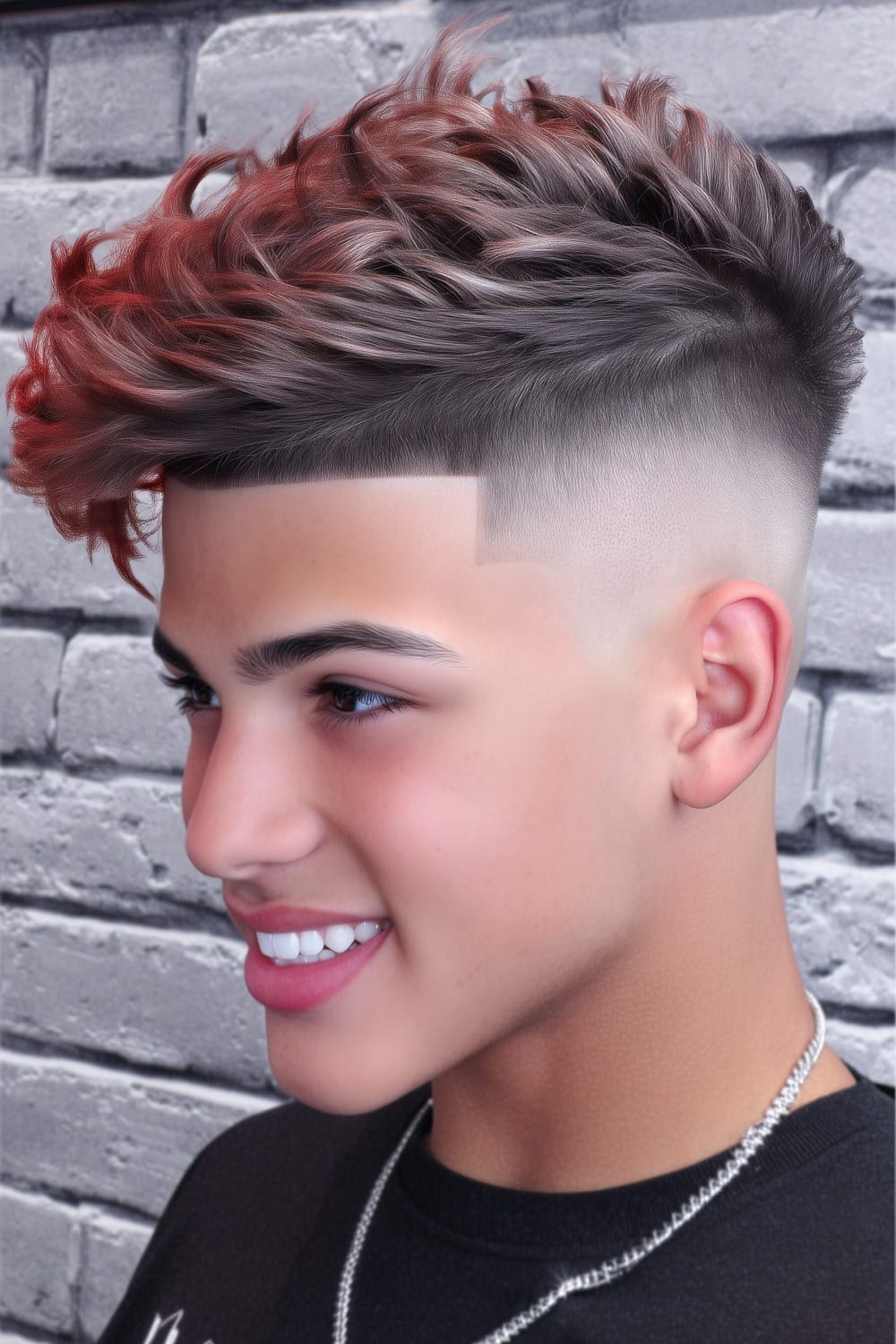
Platinum streaks create maximum contrast, especially on dark hair. The stark difference makes a powerful statement that’s impossible to ignore.
These require the most maintenance of any highlight option, needing toner refreshers every few weeks.
Silver And Gray Highlights

Silver highlights have exploded in popularity, offering an edgy alternative to traditional blonde. They require pre-lightening to pale yellow before toning.
The metallic finish works particularly well with modern, textured cuts and adds serious style credibility.
Icy Blue Highlights

Blue highlights range from subtle steel blue to electric cobalt, depending on your style goals. They fade beautifully into silvery tones over time.
These work best on pre-lightened hair and require color-depositing treatments between salon visits.
🧠 Expert Advice
Bold highlights require pre-lightening for dark hair. I always recommend a strand test first and using Olaplex or similar bond protectors to maintain hair integrity during the bleaching process.
Vibrant Red Highlights

Red highlights span from natural copper to fire-engine red, making them versatile for different style personalities. They add warmth and energy to any base color.
Red pigments fade fastest, so invest in color-protecting products and cooler water temperatures when washing.
Electric Purple Streaks

Purple highlights range from subtle plum to vivid violet, offering creative expression without going full unicorn. They complement both warm and cool skin tones.
These fashion colors typically last 4-6 weeks before needing a refresh, depending on your washing frequency.
Textured Hair Highlights

Textured hair requires special consideration when highlighting to preserve curl patterns and hair health. The natural volume of textured hair makes highlights incredibly impactful.
Processing times vary significantly based on texture, so work with a colorist experienced in your specific hair type.
Highlights For Curly Hair

Curly hair showcases highlights beautifully as the spirals catch light from multiple angles. Paint highlights following the curl pattern for the most natural result.
Moisture is crucial post-highlighting, so double up on deep conditioning treatments to maintain curl definition.
Waves With Dimensional Highlights

Wavy hair benefits from strategic highlight placement that enhances the natural movement. Focus color on the bends where waves naturally catch light.
Balayage techniques work particularly well for waves, creating seamless color transitions that follow your pattern.
Afro-Textured Hair Highlights

Afro-textured hair can handle vibrant colors beautifully but requires gentle processing to prevent damage. Consider using lower-volume developers and extending processing time.
Moisturizing treatments become non-negotiable after highlighting to maintain healthy texture and prevent breakage.
Coily Hair Color Techniques

Coily hair responds best to painting techniques that follow the natural coil pattern. This creates dimension while preserving the hair’s structural integrity.
Pre-treatment with protein masks helps strengthen coils before the highlighting process, ensuring better color uptake.
⚠️ Common Mistake
Overlapping bleach on previously highlighted sections during touch-ups causes severe breakage in textured hair. Always apply product only to new growth and use a barrier cream on existing highlights to prevent double-processing damage.
Face-Framing Highlight Techniques

Face-framing highlights strategically brighten the hair around your face, creating an instant lift to your features. These techniques work with any base color or hair length.
The placement of these highlights can actually alter how your face shape appears to others.
Money Piece Highlights

Money pieces are bold, face-framing streaks that run from roots to ends at the front hairline. They create instant impact and brighten your complexion.
Keep them two to three shades lighter than your base for a natural contrast that’s still noticeable.
Curtain Highlights

Curtain highlights sweep back from your face like parted curtains, creating width and openness. They work especially well for longer hairstyles with natural parts.
Blend these gradually into your base color for a sophisticated, grown-out look that requires less maintenance.
Temple Highlights

Temple highlights target the hair around your temples, adding brightness where graying typically begins first. This technique creates youthful dimension around your face.
Keep these subtle to avoid an unnatural appearance, especially if you have shorter hair.
Sideburn Accent Highlights

Sideburn accents add unexpected detail to your style, especially effective with faded or undercut styles. These small pops of color create visual interest.
Match these to your overall highlight tone or go slightly bolder for an edgier look.
🧠 Expert Advice
Face-framing highlights process faster than the rest of your hair due to body heat from your scalp. Check these sections first during processing and remove foils earlier if needed to prevent over-lightening and maintain even results.
Modern Highlight Placements

Modern highlighting techniques focus on creating lived-in, natural-looking color that grows out beautifully. These methods reduce maintenance while maximizing style impact.
Each technique offers different benefits depending on your lifestyle and maintenance preferences.
- Longevity: 3-4 months between appointments
- Natural growth: No harsh regrowth lines
- Customization: Tailored to your hair’s movement
- Time investment: 2-4 hours initially
Balayage Highlights For Men

Balayage involves hand-painting highlights onto hair for a natural, graduated effect. The technique creates softer regrowth lines than traditional foiling.
This method works exceptionally well for men wanting low-maintenance color that still makes an impact.
Foilyage Technique Highlights

Foilyage combines balayage painting with foil wrapping for maximum lift and precise placement. This hybrid technique offers more control than traditional balayage.
The foils help achieve lighter results while maintaining the natural, painted appearance men prefer.
Hand-Painted Highlights

Hand-painted highlights follow your hair’s natural movement and growth patterns for ultimate customization. Each stroke is deliberately placed for your specific style.
This artistic approach creates unique results that can’t be replicated with standard foiling techniques.
Babylights For Subtle Dimension

Babylights mimic the super-fine highlights children naturally develop from sun exposure. These delicate strands create subtle dimension without obvious color placement.
The technique requires taking ultra-thin sections, making it time-intensive but incredibly natural-looking.
Chunky Highlights Revival

Chunky highlights are making a comeback with modern twists on the early 2000s trend. Today’s version uses softer blending and strategic placement.
These bold sections work best with edgy, textured cuts that embrace the statement-making color.
⚠️ Common Mistake
Choosing highlights that are too warm or too cool for your skin’s undertone creates an unflattering contrast. Test a small section first and evaluate in natural light to ensure the tone complements rather than clashes with your complexion.
Seasonal Highlight Trends

Seasonal highlighting allows you to refresh your look throughout the year while working with your hair’s natural cycles. Each season brings different inspiration and maintenance considerations.
Timing your highlight appointments with seasonal changes helps maintain optimal hair health.
Summer Beach Blonde Highlights

Summer calls for bright, sun-bleached tones that complement tanned skin and outdoor activities. These lighter shades reflect heat and keep you looking fresh.
Add extra conditioning treatments during summer months to combat sun and chlorine damage.
Fall Copper Highlights

Copper highlights echo autumn leaves with warm, rich tones that suit the season’s cozy aesthetic. These shades range from subtle auburn to bold penny copper.
The warmth in copper tones makes them particularly flattering as skin loses its summer tan.
Winter Ash Highlights

Winter highlights lean cooler with ash, pearl, and icy tones that mirror the season. These sophisticated shades add elegance to holiday and formal looks.
Cool-toned highlights require purple-based toners to maintain their ashy appearance and prevent brassiness.
Spring Fresh Highlights

Spring highlights bring renewed brightness with fresh, clean tones that signal new beginnings. Think soft honeys, light caramels, and subtle golden touches.
This season is perfect for gradually lightening your highlights after darker winter months.
Highlights By Hair Length

Hair length dramatically affects how highlights appear and which techniques work best. Shorter styles need strategic placement while longer hair offers more creative freedom.
Consider your styling routine when choosing highlight placement for your specific length.
Short Hair Highlights

Short hair requires precise highlight placement since there’s less hair to work with overall. Focus on the top and crown where highlights make maximum impact.
Buzz cuts and fades can incorporate subtle highlights through the longer sections for unexpected detail.
Medium Length Highlights

Medium length offers the most versatility for highlight techniques and placement options. You have enough length for gradual color transitions and dimensional effects.
This length showcases both subtle and bold highlights equally well, depending on your preference.
Long Hair Highlights For Men

Long hair provides a canvas for complex highlighting techniques like ombré and multi-tonal effects. The length allows for gradual color stories from root to tip.
Consider concentrating highlights through the bottom half to reduce maintenance frequency.
Buzz Cut Color Accents

Buzz cuts can incorporate highlights through creative patterns, designs, or all-over toning. The short length means color grows out quickly but also refreshes fast.
These require touching up every 2-3 weeks to maintain the look’s crispness and definition.
Professional Vs. DIY Highlights
Choosing between professional and at-home highlighting depends on your skill level, budget, and desired results. Each approach has distinct advantages and limitations.
Consider the long-term costs including potential color correction if DIY attempts go wrong.
Salon Highlight Techniques
Professional colorists have access to superior products and techniques that ensure even, predictable results. They can also customize formulas for your specific hair.
The expertise includes understanding undertones, processing times, and how to prevent damage during lightening.
At-Home Highlight Kits
Box kits offer convenience and cost savings for simple highlighting jobs. They work best for subtle changes rather than dramatic transformations.
Always follow instructions exactly and never leave product on longer than recommended for lighter results.
Cap Method Highlights
Highlighting caps pull strands through holes for even distribution throughout your head. This old-school method still works well for all-over dimensional highlights.
The technique is beginner-friendly but limits placement control compared to foiling or painting methods.
Foil Highlights Process
Foiling isolates sections for maximum lift and prevents color bleeding between strands. This method offers the most control over placement and intensity.
Professional foiling techniques create precise results that are difficult to replicate at home.
🧠 Expert Advice
Mix your own toner using purple shampoo and regular conditioner for customized brass-fighting between salon visits. Start with a 1:3 ratio and adjust based on how much warmth you need to neutralize in your highlights.
Maintenance And Care
Proper maintenance extends the life of your highlights and keeps them looking fresh between appointments. Investing in the right products pays off long-term.
Your washing routine and product choices directly impact how long your color lasts.
Purple Shampoo For Blonde Highlights
Purple shampoo neutralizes yellow and brassy tones in blonde and silver highlights. Use it once or twice weekly, leaving on for 3-5 minutes.
Over-use can deposit too much purple pigment, so alternate with regular color-safe shampoo.
Color-Safe Products
Sulfate-free shampoos and conditioners prevent color stripping and maintain vibrancy longer. Look for products specifically formulated for color-treated hair.
Heat protectants become essential since highlighted hair is more vulnerable to styling damage.
Touch-Up Timeline
Most highlights need refreshing every 6-8 weeks for traditional placement or 3-4 months for balayage. Your natural growth rate and contrast level affect timing.
Book appointments in advance to maintain consistency and avoid obvious regrowth lines.
Root Blending Techniques
Root blending softens the line between your natural color and highlights for extended wear. This technique adds 2-3 weeks between necessary touch-ups.
Shadow roots and root melts create intentional depth that grows out more naturally.
Heat Protection For Highlighted Hair
Highlighted hair requires heat protection before any hot tool use to prevent further damage. Apply protectant to damp hair and again before heat styling.
Lower your tool temperatures by 25-50 degrees from what you used on virgin hair.
⚠️ Common Mistake
Washing highlighted hair in hot water opens the cuticle and releases color molecules faster. Switch to lukewarm water for washing and cold water for final rinses to seal the cuticle and lock in color vibrancy.
Skin Tone Matching

Matching highlights to your skin tone ensures a harmonious, flattering result that enhances your natural coloring. Understanding undertones is key to selection.
The right highlight shade can brighten your complexion while the wrong one makes you appear washed out.
Highlights For Fair Skin

Fair skin pairs beautifully with cooler blonde tones like platinum, ash, and beige. Avoid overly warm golds that can wash out pale complexions.
Subtle highlights work best to avoid overwhelming delicate features with too much contrast.
Medium Skin Tone Highlights

Medium skin has the most flexibility, handling both warm and cool highlight tones well. Caramel, honey, and golden blonde all create flattering effects.
This skin tone can support bolder highlight choices without appearing too harsh or unnatural.
Dark Skin Highlight Options

Dark skin glows with warm highlights like copper, bronze, and rich caramel tones. These shades create beautiful contrast without looking disconnected.
Bold fashion colors like burgundy or deep purple also complement deeper skin tones exceptionally well.
Olive Skin Complementary Highlights

Olive skin suits warm highlights that enhance its golden undertones. Think honey, butterscotch, and warm chocolate shades for natural enhancement.
Avoid ashy tones that can make olive skin appear sallow or gray.
Highlight Techniques Explained
Clients often ask for “highlights” without knowing there are fundamentally different techniques that produce very different results. Here’s what each one means:
Foil highlights: The traditional method. Your colorist separates strands, applies bleach, and wraps each section in foil. This gives precise, uniform results with high contrast.
Processing takes 45-90 minutes. Best for guys who want defined, visible streaks.
Balayage: French for “sweeping,” this technique involves hand-painting lightener onto hair freehand. No foils. The result is softer, more natural-looking dimension that mimics how the sun would naturally lighten your hair. It’s my go-to recommendation for first-timers because it grows out beautifully and requires less maintenance.
Cap highlights: Similar to frosted tips — strands are pulled through a perforated cap. This works well for short hair where foils aren’t practical. The results are even and predictable but less customizable than foils or balayage.
Babylights: Ultra-fine highlights that create subtle, natural-looking dimension. They’re named after the fine, light hair children naturally have. Best for guys who want enhancement without an obvious “I got my hair done” look.
Choosing the Right Shade for Your Base Color
The shade conversation is where most men go wrong — they pick a highlight color they like without considering how it interacts with their natural base.
Black or very dark brown base: Caramel, chocolate, and warm copper highlights create the most natural contrast. Avoid going too light — platinum highlights on black hair can look harsh unless that’s the deliberate intent. If you want to go lighter, expect 2+ sessions.
Medium brown base: You have the widest range. Honey, golden, ash brown, and blonde tones all work. This is the easiest base color to highlight because it lightens predictably.
Light brown or dark blonde base: Platinum, ash, and sandy blonde highlights blend seamlessly. You can also go darker with lowlights for depth and contrast.
Red or auburn base: Copper, gold, and strawberry highlights complement your natural warmth. Cool-toned highlights (ash, silver) clash with red undertones unless you’re going for deliberate contrast.
Highlights and Your Haircut: Best Pairings
Highlights look different depending on your cut, and some pairings work dramatically better than others.
Textured cuts: The #1 pairing. Texture creates movement, and highlights catch light on each piece differently. A textured quiff or French crop with subtle highlights looks incredible with minimal effort.
Faded sides with highlighted top: The contrast between dark, clean sides and a highlighted top is striking. A high fade with highlighted textured top is one of the most requested styles in my chair.
Pompadours and slick backs: Highlights add depth to swept-back styles that would otherwise look flat. The lightened pieces catch light as they flow backward, creating visible dimension.
Crew cuts and short styles: Highlights on very short hair need to be subtle — heavy contrast on a 1-inch cut looks artificial. Cap highlights or babylights work best for short hair.
Ready to Find Your Perfect Cut?
You’ve read about the styles. Now find the one that fits YOUR face shape, hair type, and lifestyle.
🎬 Full Head Highlights on Short Hair Tutorial | Back to Back Foiling Technique | Kenra Color
FAQs
How Much Do Men’s Highlights Typically Cost At A Salon?
Salon highlights for men typically range from $50-200 depending on your location, hair length, and technique chosen. Partial highlights cost less than full head applications.
High-end salons in major cities charge premium prices while local barbershops offer more affordable options. Balayage and specialty techniques command higher prices than traditional foiling.
Will Highlights Damage My Hair Permanently?
Highlights cause some damage since they require lifting your natural pigment, but proper care minimizes long-term effects. The damage isn’t necessarily permanent.
Using bond-building treatments and maintaining moisture levels helps hair recover. Severe damage only occurs with over-processing or improper technique.
How Often Should I Touch Up My Highlights?
Touch-up frequency depends on your highlight placement and contrast level with your natural color. Traditional highlights need refreshing every 6-8 weeks.
Balayage and painted techniques can go 3-4 months between appointments. Your personal tolerance for regrowth also factors into timing.
Can I Get Highlights If My Hair Is Already Color-Treated?
Previously colored hair can be highlighted but requires careful assessment by a professional colorist. The existing color affects how highlights will process.
Your colorist may need to adjust formulas or processing times. Be honest about your color history to avoid unexpected results.
What’s The Difference Between Highlights And Lowlights?
Highlights lighten sections of hair while lowlights add darker pieces for depth and dimension. Lowlights create shadow and contrast in over-lightened hair.
Combining both techniques creates the most natural, multi-dimensional results. Lowlights also help blend regrowth during the growing-out phase.
Which highlight technique is best for first-timers?
Balayage is the safest first-timer choice. The hand-painted application creates natural-looking results that don’t require a dramatic commitment. It grows out gracefully without harsh root lines, and touch-ups are needed only every 3-4 months. If you’re unsure about highlights, balayage lets you test the waters without a dramatic change.
Do highlights work on short hair?
Yes, but the technique needs to match the length. Short hair (under 2 inches) works best with cap highlights or subtle babylights rather than foils. Very short buzz cuts can use bleached tips instead of traditional highlights. The key is keeping the contrast subtle on short hair — heavy streaks on a crew cut look artificial.
References
Hair highlighting/lowlighting is changing a person’s hair color, using lightener or haircolor to lift the level or brightness of hair strands. source
Hair coloring, or hair dyeing, is the practice of changing the hair color. source
Related Guides
Was this article helpful?

Khamis Maiouf is a professional barber who graduated from Hinckley College in England with a Level 3 qualification in hairdressing. With over 20 years of experience, he is an award-winning barber who has mentored numerous students and styled thousands of clients. A recognised expert featured on StyleCraze (20M+ readers).
Credentials: Level 3 Hairdressing (Hinckley College, UK) • 20+ Years Professional Experience • Featured Expert on StyleCraze • Founder of Book of Barbering