
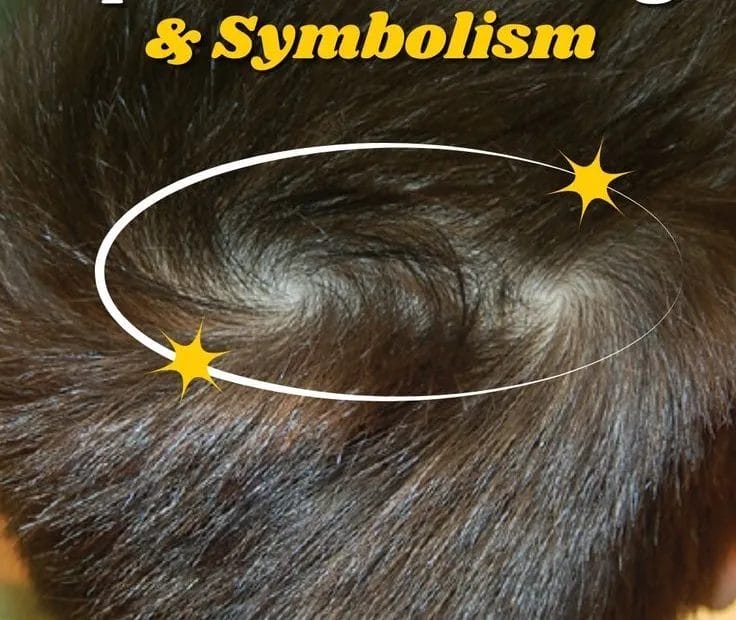
Double crowns are one of the trickiest challenges I face behind the chair — those two competing hair swirls can sabotage an otherwise perfect haircut if your barber doesn’t account for them. About 5% of guys have them, and after cutting thousands of double-crown clients, I can tell you the fix isn’t fighting the growth pattern — it’s choosing a cut that works with it. Here are the styles that actually hold up past lunchtime.
Key Takeaways
- Double crowns create two competing swirl patterns — cutting against them makes cowlicks permanent
- Go short (buzz cut, crew cut) or long (4+ inches) — the 2-3 inch range is where double crowns cause the most trouble
- Matte clay and texture powder work best — avoid gel and pomade which crack and highlight the swirl pattern
- Always tell your barber about your double crowns before they start cutting — it changes the entire technique
- Blow-dry with the natural growth pattern, not against it, then lock in with cool air
Unders
tanding Double Crowns
Double crowns occur when you have two hair growth spirals instead of one, usually positioned close together at your crown area. These competing growth patterns create conflicting directions that make hair stick up or lay flat in unexpected ways.
Most men discover their double crown during their teens when they start styling their own hair. It’s completely genetic – if your dad or grandfather has one, you probably inherited it too. To identify yours, wet your hair and look at the back with a hand mirror—you’ll see two distinct spiral points. Note which direction each one swirls, because your barber needs to know this before they start cutting.
6 Best Haircuts For Double Crowns
Textured Crop
The textured crop uses point-cutting techniques to create choppy layers between 1-2 inches on top. Your barber will cut at different angles to break up the hair’s natural fall pattern.
This works because the irregular lengths prevent hair from clumping together at the crown swirls. The texture disguises any directional conflicts while looking intentionally messy-modern.
Classic Taper Fade
A taper fade gradually shortens from about 2 inches on top down to a #2 guard at the crown area. The fade typically starts at the occipital bone and blends upward.
By keeping the crown area shorter, you minimize the visual impact of competing growth patterns. The graduated length creates a smooth transition that draws the eye away from problem areas.
Buzz Cut Variations
Buzz cuts range from a #1 (1/8 inch) to a #4 (1/2 inch) guard all over. The uniform length completely eliminates directional hair conflicts.
When hair is this short, crown patterns become irrelevant. You can add interest with a skin fade on the sides or a subtle line-up while maintaining easy crown management.
Messy Quiff
The messy quiff keeps 3-4 inches on top with shorter back and sides. Hair gets swept up and back with deliberate texture throughout.
The intentional messiness means your crown’s natural chaos actually enhances the style. Use a matte clay to piece out sections, making any cowlicks look purposeful rather than problematic.
French Crop
A French crop features 2-3 inches on top with a blunt-cut fringe that sits just above the eyebrows. The sides typically get faded or undercut.
By styling everything forward, you completely bypass the crown area’s influence. The weight of the hair moving toward the front naturally flattens any crown irregularities.
Medium Length Layered Cut
This cut maintains 3-5 inches throughout with strategic layers that add weight where needed. Your barber will leave extra length around the crown to weigh down problem areas.
The layers create movement that works with your natural growth patterns rather than against them. With the right product and blow-drying technique, longer hair can actually be easier to manage.
Styling Techniques That Actually Work
Start with damp (not wet) hair and use a concentrator nozzle on your blow dryer. Direct the airflow against your crown’s natural growth pattern while the hair is still moldable.
Apply product before blow-drying, not after. Work a pea-sized amount of lightweight cream through your crown area first, then distribute the rest.
The key is training your hair when it’s most flexible. Once it’s 80% dry, switch to cool air to lock in the direction.
🧠 Expert Advice
Pre-dry your crowns in opposite directions before styling – most clients skip this crucial step. Use your blow dryer on medium heat, pushing one crown clockwise and the other counter-clockwise for 30 seconds each. This neutralizes both swirls before you begin your actual styling, creating a blank canvas that accepts any direction you choose.
Barbershop Communication
Tell your barber exactly where your crowns are located and which directions they swirl. Use phrases like “I have double crowns that swirl clockwise and counter-clockwise about two inches apart.”
Bring photos of failed haircuts too. Showing what doesn’t work is often more helpful than showing what you want. Ask them to “leave extra weight around the crown” or “thin out the conflicting sections.”
Product Selection And Application
Matte clays and texture powders work best for double crowns because they provide hold without shine that highlights problem areas. Look for products labeled “medium hold” with “natural” or “matte” finish.
Apply products in sections, working from the crown outward. Use slightly more product at the crown swirls themselves to encourage cooperation between the competing growth patterns.
⚠️ Common Mistake
Using heavy pomades that separate at the crown – opt for matte clays instead. Pomades and gels clump hair together, making crown swirls more obvious as the product settles throughout the day. Matte clays provide flexible hold that moves naturally, disguising directional changes while maintaining control without that separated, stringy look that screams “cowlick.”
Ready to Find Your Perfect Cut?
You’ve read about the styles. Now find the one that fits YOUR face shape, hair type, and lifestyle.
🎬 3 Ways To Blow Dry Hair To Achieve Various Degrees of Volume
FAQs
Can I grow my hair long with double crowns?
Yes, longer hair can actually be easier to manage because the weight helps control crown swirls. Once hair reaches 6-8 inches, gravity takes over and naturally flattens problem areas.
The awkward phase happens between 3-5 inches when hair is too long to spike but too short to lay flat. Push through this with heavy-hold products and frequent trims to maintain shape.
Not sure what your face shape is? Our Face Shape Detector figures it out in 4 quick questions.
How often should I get trims to manage double crowns?
Every 3-4 weeks for short styles, 5-6 weeks for medium length. Double crowns become more noticeable as hair grows, so regular maintenance is crucial.
Short cuts like fades and crops need frequent touch-ups to maintain the precise lengths that control your crowns. Longer styles can go slightly longer between cuts but need regular shaping to prevent weight imbalances.
What’s the best blow-drying technique for double crowns?
Use a round brush to lift hair at the roots while directing heat against the grain of both swirls. Start at the crown, working in small sections with the dryer pointed downward.
Keep the dryer moving constantly to prevent over-drying any section. Finish with a blast of cool air while holding hair in your desired direction for 10 seconds to set the style.
How does a double crown affect a haircut?
A double crown creates two competing growth directions at the back of the head. This means hair sticks up, parts in unexpected places, and refuses to lay flat at certain lengths. As a barber, I have to map the growth pattern before cutting and adjust my technique — cutting against the grain at a double crown creates permanent cowlicks. The solution is either going short enough that the pattern doesn’t matter, or long enough that weight pulls it flat.
How to style your hair if you have a double crown?
Start with damp hair, apply a matte clay or paste (avoid gel), and blow-dry in the direction your hair naturally wants to go — not against it. For the crown area specifically, direct the blow dryer downward while pressing the hair flat with a brush. Finish with a light hairspray to lock everything in place. The biggest mistake is trying to force the hair in a direction it doesn’t want to go — that’s a battle you’ll lose by lunchtime.
Are double crowns rare?
Double crowns affect roughly 5% of the population, so they’re uncommon but not rare. I see a couple clients with them every week. Some people don’t even realize they have a double crown until a barber points it out — if you’ve always wondered why one spot at the back of your head never lays flat, check with a hand mirror. Two spiral patterns instead of one is the telltale sign.
Low Maintenance Haircuts for Double Crowns
Not everyone wants to spend 10 minutes styling around a double crown every morning. Here are the styles that fight the least with your natural growth pattern:
- Buzz cut (guard 2-3): The ultimate zero-maintenance option. At this length, double crowns are invisible. No product, no styling, no stress.
- Crew cut with texture: Keep the top at 1-2 inches with a tapered fade on the sides. Short enough that the crown doesn’t spiral, long enough to have style.
- Grown-out textured crop: Once you push past 4 inches, the weight of the hair starts to lay down over the crowns. A textured curtain cut or messy fringe hides both crowns completely.
- Side part with weight: Comb everything to one side and let gravity do the work. A heavy matte clay keeps the part in place all day.
The worst length for double crowns is 2-3 inches — long enough to spiral but too short to weigh down. If you’re in that range and frustrated, either grow it out or cut it shorter. Don’t stay in the awkward middle.
Do double crowns get worse with age?
No — double crowns are a genetic growth pattern that stays consistent throughout your life. What can change is your hair density and texture as you age, which may make an existing double crown more or less noticeable. If your crowns seem to be getting more visible over time, the issue is likely thinning hair rather than the double crown itself changing. Keep taking reference photos every few months so your barber can adjust your cut as needed.
Can a barber permanently fix a double crown?
No haircut permanently eliminates a double crown — it’s how your hair grows from the follicle, and no amount of cutting changes that. What a skilled barber does is cut strategically around the growth pattern so the competing swirls aren’t visible. This means leaving the right amount of weight in the right places, using specific clipper guard sizes in the crown area, and texturizing to break up the natural clumping. The fix needs refreshing every 3-4 weeks as the hair grows out.
What’s the worst haircut for double crowns?
The absolute worst choice is a uniform-length medium cut at 2-3 inches — long enough for the swirl patterns to fully express themselves but too short for gravity to pull them flat. I also advise against hard parts and slicked-back styles that expose the crown, and any cut where the barber thins aggressively at the crown area without understanding the growth direction. If your barber doesn’t ask about your crown pattern before cutting, that’s a red flag.
Was this article helpful?

Khamis Maiouf is a professional barber who graduated from Hinckley College in England with a Level 3 qualification in hairdressing. With over 20 years of experience, he is an award-winning barber who has mentored numerous students and styled thousands of clients. A recognised expert featured on StyleCraze (20M+ readers).
Credentials: Level 3 Hairdressing (Hinckley College, UK) • 20+ Years Professional Experience • Featured Expert on StyleCraze • Founder of Book of Barbering