

Most men who sit in my chair asking about silver hair fall into two camps: guys going naturally gray who want to own it, and younger guys who want that platinum-silver look on purpose. Both groups have more options than they realize — and the techniques for getting there are completely different.
Here’s every silver style worth considering, whether you’re embracing what nature gave you or chasing that sterling finish from scratch.
Key Takeaways
Not sure which style suits you best? Our Haircut Finder Quiz matches you with the right cut based on your face shape and hair type — takes 60 seconds.
- Natural silver and dyed silver require completely different maintenance — natural grays need blue-based toning, chemically lightened hair needs purple shampoo
- Going silver from dark hair takes 2-4 months across multiple sessions — rushing causes irreversible damage
- Silver works on every fade variation — the contrast between silver top and dark/bare sides is especially striking
- A well-groomed salt-and-pepper beard paired with silver hair creates one of the most distinguished looks in men’s grooming
- UV protection is non-negotiable — sun exposure turns silver hair yellow faster than any other factor
What Is Silver Hair?
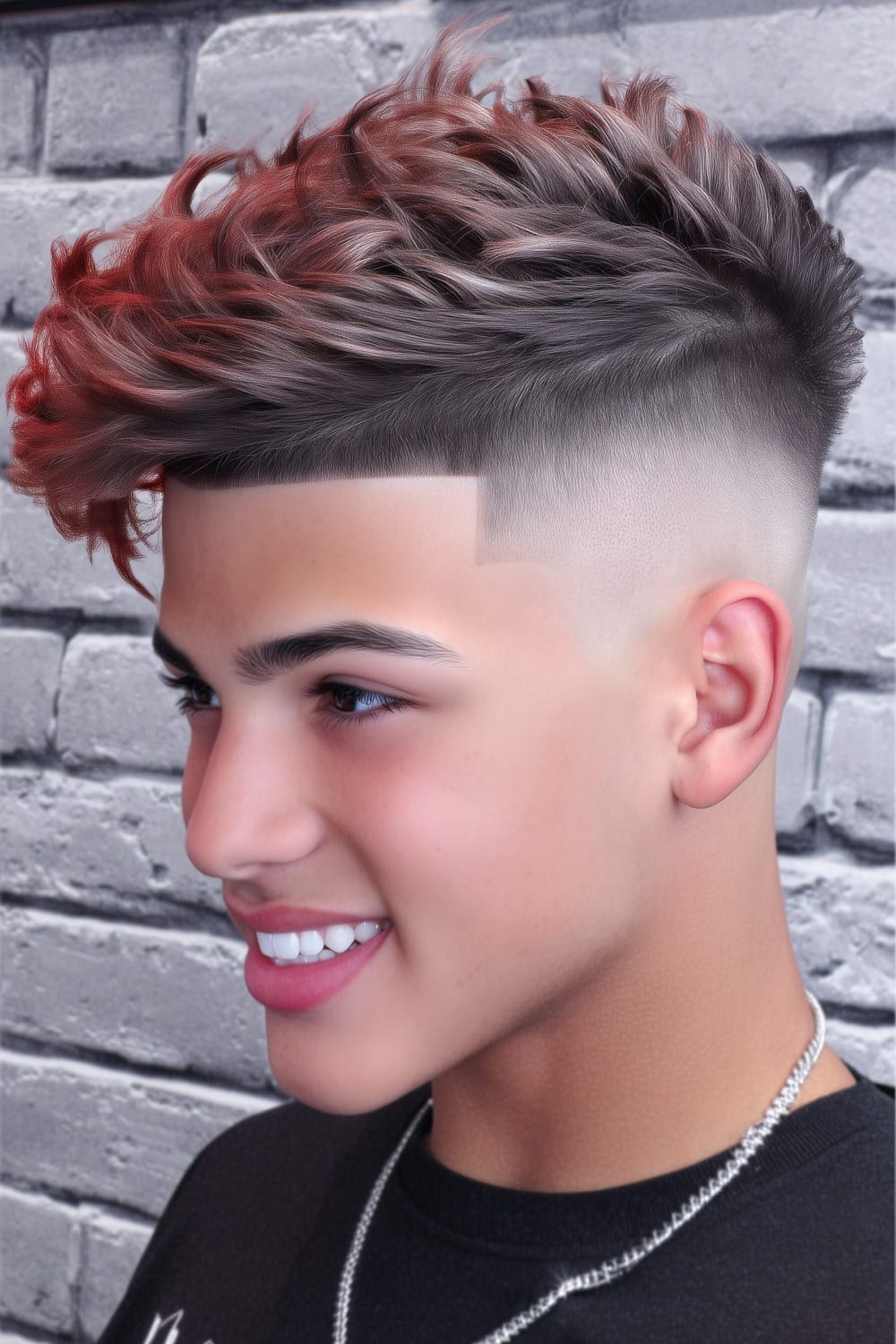
Silver hair represents a deliberate choice to showcase gray, white, or silver tones through natural aging or professional coloring. Men achieve this look by either enhancing their existing grays or bleaching darker hair before applying specialized toners.
The spectrum ranges from subtle salt-and-pepper blends to dramatic platinum finishes. Each variation requires specific maintenance routines and styling approaches.
Classic Silver Styles

Traditional silver haircuts emphasize sophistication and timeless appeal. These styles work best for men who want distinguished looks without appearing overly trendy.
Business professionals often choose these cuts because they project authority while maintaining conservative workplace standards. The key lies in precise grooming.
The Distinguished Executive

This polished cut features medium length on top with gradual tapering at the sides. The silver tones add gravitas to boardroom presentations and client meetings.
Style it with a light pomade for subtle shine. Part naturally to one side for maximum impact.
Silver Fox Side Part

A sharp side part combined with silver coloring creates instant sophistication. The contrast between darker roots and lighter lengths adds dimensional appeal to this classic cut.
Use a fine-tooth comb and medium-hold product for definition. Keep sides neat with bi-weekly trims.
Salt And Pepper Businessman

Natural blending of dark and silver strands creates effortless distinction. This style works exceptionally well for men transitioning to gray without full commitment to platinum tones.
Maintain texture with sea salt spray. Regular conditioning prevents coarse gray strands from appearing wiry or unruly.
Refined Silver Sweep

Longer top sections swept back reveal natural silver progression from temples through crown. This versatile style transitions seamlessly from office meetings to evening events without adjustment.
Apply mousse to damp hair before blow-drying backward. Finish with flexible-hold hairspray for lasting structure.
Modern Silver Cuts

Contemporary silver styles push boundaries with bold contrasts and artistic shaping. Younger men gravitate toward these edgy interpretations of the silver trend.
These cuts demand regular salon visits for color maintenance and precise line work. Investment pays off through striking visual impact.
Textured Silver Quiff

Choppy layers create movement while silver coloring adds drama to this voluminous style. The height at front elongates round faces and balances wider jaw structures effectively.
Work texture powder through dry hair for grip. Push forward and up with fingers for natural separation.
Platinum Pompadour

Bold platinum tones transform the classic pompadour into a modern statement piece. This high-impact style requires confidence and commitment to regular root touch-ups every three weeks.
Strong-hold gel provides necessary structure. Blow-dry upward using a round brush for maximum volume.
Silver Undercut

Dramatic length contrast between buzzed sides and longer silver top creates sharp definition. This versatile cut allows multiple styling options from slicked back to textured forward styles.
Experiment with different partings for variety. Matte paste works best for casual texture.
Icy Disconnected Style

Hard part lines separate ultra-short sides from icy silver top sections. This architectural approach to hair design appeals to fashion-forward men seeking maximum visual impact daily.
Define the disconnect with precision trimming weekly. Style top sections with clay for matte finish.
🧠 Expert Advice
You’ll achieve better silver results by pre-lightening in sessions rather than rushing to platinum in one appointment. Space treatments two weeks apart, allowing hair recovery time between bleaching rounds. This patience prevents breakage while ensuring even color distribution throughout your hair.
Short Silver Styles

Minimal length silver cuts offer low-maintenance sophistication for busy professionals. These styles showcase natural texture while requiring minimal daily styling effort.
Short silver hair photographs exceptionally well under various lighting conditions. The reflective quality adds dimension even to simple cuts.
Silver Buzz Cut

Ultra-short all-over length highlights silver tones without styling requirements. This military-inspired cut suits active lifestyles and hot climates while maintaining sharp appearance throughout the day.
Request a #2 or #3 guard for optimal silver visibility. Weekly touch-ups maintain crisp lines.
Gray Crew Cut

Slightly longer top with faded sides creates subtle height variation. Natural gray tones appear enhanced through strategic length differences between crown and temple areas.
Rub small amounts of matte wax between palms. Push hair forward for classic crew cut styling.
Platinum Military Fade

Precision fading from skin to platinum creates striking contrast against darker beard growth. This bold interpretation of military styling demands attention while maintaining professional appropriateness.
Visit your barber every ten days for fade maintenance. Apply sunscreen to exposed scalp areas daily.
Silver Ivy League

Collegiate-inspired cut with enough length for side parting showcases silver elegantly. This versatile style bridges casual and formal occasions through simple styling adjustments.
Comb damp hair into place with light gel. Allow natural texture to develop as product dries.
Silver Fade Variations

Fade techniques enhance silver hair by creating gradient effects from dark to light. Strategic placement of fade lines dramatically changes the overall appearance.
Each fade height serves different face shapes and personal styles. Understanding placement helps achieve optimal results.
High Silver Fade

Starting above temples, this aggressive fade maximizes contrast between skin and silver top. Athletic builds and angular faces benefit most from this contemporary approach to fading.
Maintain sharp lines with twice-weekly edge-ups. Style top forward or sideways for variation.
Mid Silver Fade

Beginning at ear level, mid fades offer balanced proportions for most face shapes. This versatile placement works equally well with textured or slicked silver styles on top.
Request gradual blending for softer appearance. Sharp lines create more dramatic definition between sections.
Low Silver Taper

Conservative fading starts below ears for subtle transition into silver lengths. Professional environments appreciate this refined approach to modern barbering techniques combined with distinguished coloring.
Keep neckline clean between appointments. Natural growth patterns determine optimal taper angles.
Silver Skin Fade

Extreme contrast from bare skin to bright silver creates maximum visual impact. This technical cut requires experienced barbers familiar with silver hair’s unique texture and growth patterns.
Book appointments every seven days for pristine maintenance. Moisturize faded areas to prevent irritation.
⚠️ Common Mistake
You’re using regular shampoo on silver hair, which strips essential moisture and dulls the metallic finish. Switch to sulfate-free purple shampoo twice weekly, using regular moisturizing shampoo between treatments. This balance maintains vibrancy without over-toning or causing purple buildup in your hair.
Achieving Silver Hair From Dark

Transforming dark hair to silver requires patience and professional expertise. Multiple sessions ensure healthy results while minimizing damage.
Realistic expectations prevent disappointment during the lightening journey. Most men need three to five appointments.
Pre-Lightening Process
Bleaching lifts natural pigment to create a pale canvas for silver tones. Professional colorists assess hair health before determining safe lightening levels for each session.
Protein treatments between appointments strengthen compromised bonds. Never attempt DIY bleaching at home.
Toner Selection
Violet-based toners neutralize yellow undertones while depositing silver pigments. Your colorist selects specific formulations based on your hair‘s porosity and desired silver shade.
Semi-permanent options allow experimentation before committing. Permanent toners provide longer-lasting results.
Purple Shampoo Routine
Strategic purple shampoo use maintains silver vibrancy between salon visits. Overuse causes unwanted purple casting, while underuse allows brassy tones to emerge.
Start with once-weekly application, adjusting frequency based on results. Leave on for three minutes maximum.
Damage Prevention Steps
Olaplex treatments rebuild broken disulfide bonds during chemical processing. Weekly deep conditioning masks restore moisture balance while preventing brittleness common in lightened hair.
Reduce washing frequency to preserve natural oils. Cold water rinses seal cuticles for enhanced shine.
Natural Silver Enhancement

Men with existing gray benefit from enhancement techniques that brighten natural silver tones. These methods improve shine without harsh chemicals.
Simple adjustments to grooming routines maximize your natural silver’s potential. Results appear gradually but last longer.
Brightening Treatments
Clarifying treatments remove buildup that dulls natural silver hair. Apple cider vinegar rinses restore pH balance while adding brilliant shine to gray strands.
Monthly salon glosses deposit translucent silver reflects. These ammonia-free treatments condition while enhancing.
Anti-Yellow Solutions
Environmental factors cause yellowing in natural gray hair over time. Specialized treatments neutralize unwanted warm tones while preserving your authentic silver color.
Blue-based tonics work better than purple for natural grays. Apply weekly for maintenance.
Gloss Applications
Clear glosses add mirror-like shine without altering natural color. These treatments smooth cuticles, reducing frizz while amplifying silver’s reflective properties.
Request demi-permanent formulas for longer wear. At-home glosses provide temporary enhancement between appointments.
Shimmer Enhancers
Light-reflecting particles in specialized products create luminous effects on silver hair. These formulations work especially well under artificial lighting at evening events.
Spray enhancers offer buildable coverage. Cream versions provide targeted application for specific sections.
Silver Hair Maintenance
Proper maintenance preserves silver vibrancy while keeping hair healthy. Consistent routines prevent common issues like yellowing and dryness.
Investing in quality products specifically formulated for silver hair pays dividends. Generic products often fail.
Weekly Care Routine
Alternate purple shampoo with moisturizing cleansers throughout the week. Deep conditioning masks every Sunday repair damage while preparing hair for the week ahead.
Scalp massages stimulate circulation for healthier growth. Leave-in treatments provide ongoing protection.
Product Selection
Choose sulfate-free formulas that preserve color while cleansing gently. Look for ingredients like argan oil and keratin that strengthen silver strands prone to brittleness.
Avoid products containing sulfates, parabens, or alcohol. These harsh ingredients fade color prematurely.
Heat Protection
Silver hair requires extra protection from styling tools due to chemical processing. Apply thermal protectants before using any heated implements on your lightened hair.
Keep tools below 350°F to prevent damage. Air-drying preserves integrity when time allows.
Moisture Balance
Bleached silver hair loses moisture rapidly through damaged cuticles. Daily leave-in conditioners seal moisture while providing ongoing nourishment between wash days.
Overnight hair masks offer intensive hydration weekly. Silk pillowcases reduce friction-related moisture loss.
Styling Products For Silver Hair

Silver hair responds differently to styling products than darker shades. Formulations must provide hold without dulling the metallic finish.
Product buildup appears more obvious on light hair. Choose water-soluble options for easy removal.
- Texture: Opt for lightweight formulas that won’t weigh down silver strands
- Finish: Matte products prevent silver from looking greasy or dull
- Hold: Medium-hold products offer flexibility without stiffness
- Ingredients: Avoid yellow-tinted waxes that discolor silver hair
Matte Clay Options
Natural clays provide texture without shine, perfect for casual silver styles. These products work especially well for shorter cuts where definition matters more than sleekness.
Warm between palms before applying. Work through hair from roots for maximum volume.
Silver-Enhancing Pomades
Specialized pomades contain violet pigments that deposit while styling. These dual-purpose products maintain color between salon visits while providing medium hold for classic styles.
Apply to slightly damp hair for easier distribution. Comb through for even coverage.
Texture Sprays
Sea salt sprays add grit to fine silver hair lacking natural texture. These products create beachy waves or enhance existing curl patterns without heaviness.
Spray onto towel-dried hair before scrunching. Diffuse or air-dry for best results.
Finishing Waxes
Light waxes provide definition for specific sections without affecting overall style. Use sparingly on silver hair as excess product becomes immediately visible.
Warm tiny amounts between fingertips. Target individual strands for piece-y separation.
🧠 Expert Advice
You’ll extend your silver color’s lifespan by washing with lukewarm water instead of hot. Hot water opens cuticles, allowing silver pigments to escape while increasing porosity. Finish with a cold rinse to seal cuticles, locking in color while adding incredible shine.
Silver Beard Coordination

Coordinating silver hair with facial hair creates cohesive overall appearance. Strategic choices enhance or contrast depending on desired effect.
Natural beard graying rarely matches head hair timing. Professional tinting bridges the gap effectively.
Matching Beard Tones

Tinting beards to match silver hair requires specialized techniques. Semi-permanent beard dyes in ash tones create seamless color flow from hair through facial hair.
Professional application ensures even coverage. At-home maintenance extends salon results between appointments.
Contrast Styling

Darker beards against silver hair create striking frames for facial features. This natural contrast adds depth while maintaining authenticity in your overall appearance.
Keep beard lines sharp for maximum impact. Regular trimming prevents scraggly appearance.
Beard Oil Selection
Silver beards benefit from oils that enhance shine without yellowing. Argan and jojoba oils nourish while maintaining cool tones in gray facial hair.
Apply daily after showering to damp beards. Brush through for even distribution.
Silver Beard Balms
Specialized balms contain violet undertones that neutralize brassiness in gray beards. These products provide styling control while maintaining color integrity throughout the day.
Warm between palms before smoothing through beard. Shape with hands or beard brush.
Professional Silver Techniques

Advanced coloring methods create dimensional silver effects beyond basic all-over color. These techniques require experienced colorists familiar with men’s hair.
Consultation determines which technique suits your hair type and lifestyle. Maintenance requirements vary significantly.
Balayage For Men
Hand-painted highlights create natural-looking silver dimension throughout darker base colors. This technique offers low-maintenance grow-out compared to traditional foil highlighting methods.
Results appear sun-kissed rather than striped. Touch-ups needed every three months.
Root Shadowing
Darker roots blend seamlessly into silver lengths using gradient coloring techniques. This method extends time between touch-ups while adding depth to overall color.
Natural root growth appears intentional. Perfect for busy professionals limiting salon visits.
Dimensional Highlighting
Multiple silver tones create movement and depth impossible with single-process color. Colorists weave various shades throughout hair for complex, eye-catching results.
Foil placement determines pattern intensity. Subtle or dramatic effects achievable.
Color Melting
Seamless blending eliminates harsh demarcation lines between different silver shades. This technique creates fluid color transitions that move naturally with your hair.
Results mimic natural graying patterns. Grow-out appears gradual and intentional.
⚠️ Common Mistake
You’re attempting DIY silver coloring without considering your hair’s underlying pigments. Orange and yellow tones emerge without proper pre-lightening and toner selection. Book a colorist consultation to assess your hair’s condition and create a realistic timeline for achieving your desired silver shade.
Silver Hair For Different Face Shapes

Strategic silver styling enhances facial features while minimizing less favorable proportions. Understanding your face shape guides cut selection.
Silver’s reflective quality affects perceived face dimensions. Proper placement creates optical illusions.
Round Face Silver Styles

Height on top with shorter sides creates elongating effects for round faces. Silver quiffs and pompadours add vertical lines that slim wider facial proportions effectively.
Avoid excessive width at sides. Angular styling provides necessary contrast.
Square Face Options

Softer silver styles balance strong jawlines characteristic of square faces. Textured crops and tousled styles reduce harsh angles while maintaining masculine appeal.
Side-swept bangs soften forehead width. Rounded shapes complement angular features.
Oval Face Choices

Oval faces suit virtually any silver style due to balanced proportions. Experiment freely with different lengths and textures to find your signature look.
Classic side parts emphasize symmetry. Modern undercuts add edge without disruption.
Long Face Solutions

Horizontal lines from side-swept silver styles widen narrow faces effectively. Avoid excessive height that further elongates already long facial proportions.
Fuller sides balance vertical length. Textured fringes break up forehead expanse.
Transitioning To Natural Silver

Embracing natural graying requires patience during awkward growth phases. Strategic cutting and styling minimizes transition challenges.
Most men complete natural transitions within six to twelve months. Professional guidance accelerates the process.
Growing Out Strategy
Regular trims remove dyed ends while preserving length during transition. Shorter styles expedite the process by eliminating more colored hair per cut.
Document progress monthly for motivation. Celebrate milestones throughout your journey.
Blending Techniques
Lowlights in previously colored sections create gradual transitions to natural silver. This technique softens stark demarcation lines between colored and natural hair.
Semi-permanent colors adjust as needed. Gradual lightening appears more natural.
Timeline Expectations
Hair grows approximately half an inch monthly, requiring patience for complete transitions. Faster growth occurs with proper nutrition and scalp care throughout the process.
Three-inch styles transition within six months. Longer styles require proportionally more time.
Awkward Phase Solutions
Temporary root touch-up sprays camouflage growth lines between appointments. Strategic styling like textured looks disguise color differences during mid-transition phases effectively.
Accessories like hats provide coverage when needed. Confidence carries any transitional look.
Natural Gray vs. Dyed Silver: Two Different Paths
In my shop, I handle these two situations very differently, and understanding which path you’re on changes everything about product selection, maintenance, and expectations.
Embracing natural gray: Your hair is already silver — the goal is enhancing what’s there. Natural gray hair tends to be coarser and more wiry than pigmented hair, which actually helps with volume but can make styling trickier. Use a blue-based toning shampoo (not purple — that’s for bleached hair) once a week to keep yellowing at bay. A lightweight styling product with UV protection is your daily essential.
Dyeing to silver: This is a multi-session process. Dark hair needs to be lifted to pale yellow through bleaching before a silver toner can deposit. Expect 3-5 sessions spaced 2-3 weeks apart.
The cost runs $100-200 per session depending on your area. Purple shampoo becomes your maintenance staple, and deep conditioning weekly is mandatory to prevent the brittleness that bleaching causes.
The salt and pepper stage — when you’re transitioning between dark and gray — is actually one of the most attractive phases. Don’t rush past it.
Silver Hair and Face Shape
Silver amplifies your face shape because it draws more attention to your hair. Here’s how I adjust recommendations:
Round face: Silver quiffs and pompadours add height that elongates. Avoid silver buzz cuts on round faces — they emphasize width. See our round face haircuts for more pairings.
Oval face: Almost any silver style works. The side part with silver tones is particularly distinguished. Oval face haircuts give you full flexibility.
Square face: Silver highlights the angular jawline beautifully. A textured crop or crew cut in silver complements strong bone structure.
Oblong face: Use silver styles with side volume rather than height. A silver slick back with fullness at the temples balances a long face.
Silver Hair and Beard Combinations
This is where silver hair really shines — the beard pairing can make or break the look.
Full silver beard + silver hair: The monochrome silver look is one of the most powerful combinations in men’s grooming. Keep both well-groomed with defined lines. A faded beard that blends into your haircut creates seamless flow.
Salt-and-pepper beard + silver hair: If your beard is still transitioning, the contrast between mixed-tone facial hair and silver top creates natural dimension. Our salt-and-pepper beard styles guide covers the best pairings.
Dark beard + silver hair: High contrast and dramatic. This works especially well on younger men who’ve dyed their hair silver while their beard remains natural. Keep the beard shorter and sharper to avoid overwhelming the silver top.
For grooming fundamentals, our how to grow a beard guide covers everything from neckline placement to product selection.
Ready to Find Your Perfect Cut?
You’ve read about the styles. Now find the one that fits YOUR face shape, hair type, and lifestyle.
🎬 Jealous Silver Hairstyles/Salt And Pepper Hair Ladies/ Everyday Hairstyles
FAQs
How Long Does It Take To Achieve Silver Hair From Black?
Black hair typically requires three to five lightening sessions spaced two to three weeks apart to reach pale yellow, then toning adds silver. The complete process spans two to four months depending on hair health and desired silver shade. Rushing causes severe damage.
Will Purple Shampoo Work On Natural Gray Hair?
Purple shampoo brightens natural gray by neutralizing yellow tones from environmental exposure and product buildup. Use once weekly for maintenance, as natural gray needs less toning than chemically lightened hair. Blue-based formulas often work better for natural silver.
What’s The Best Way To Prevent Yellow Tones In Silver Hair?
Prevent yellowing by using purple shampoo twice weekly, installing a shower filter to remove minerals, and protecting hair from sun exposure with UV sprays. Avoid chlorinated pools and smoking environments. Regular clarifying treatments remove buildup causing discoloration.
How Often Should I Touch Up Silver Hair Color?
Root touch-ups every three to four weeks maintain seamless silver color, while toner refreshes every six to eight weeks preserve vibrancy. Natural silver requires no root maintenance but benefits from monthly glossing treatments. Your growth rate and contrast determine exact timing.
Can I Achieve Silver Hair Without Bleaching?
Direct silver dyes work on naturally light blonde or white hair without bleaching, but darker hair requires lightening first. Temporary silver sprays and waxes offer commitment-free options for special occasions. Semi-permanent silver rinses provide subtle effects on light brown hair with existing highlights.
Does silver hair work with every face shape?
Silver works with every face shape, but the cut matters more than the color. Round faces should pair silver with height-adding styles like quiffs to avoid emphasizing width. Oval faces have the most flexibility.
Square faces look especially strong with silver because it highlights angular bone structure. Oblong faces should avoid tall silver styles and opt for side-volume cuts instead.
What’s the best beard style to pair with silver hair?
A full silver beard with silver hair creates one of the most distinguished looks in men’s grooming. Salt-and-pepper beards with silver hair offer natural dimension. If your beard is still dark, keep it shorter and sharper — the high contrast works dramatically but can overwhelm if the beard is too full. A faded beard blending into your haircut creates the cleanest transition.
Related Guides
Was this article helpful?

Khamis Maiouf is a professional barber who graduated from Hinckley College in England with a Level 3 qualification in hairdressing. With over 20 years of experience, he is an award-winning barber who has mentored numerous students and styled thousands of clients. A recognised expert featured on StyleCraze (20M+ readers).
Credentials: Level 3 Hairdressing (Hinckley College, UK) • 20+ Years Professional Experience • Featured Expert on StyleCraze • Founder of Book of Barbering