

The question I get asked most about bleaching isn’t “what shade?” — it’s “will it destroy my hair?” After bleaching thousands of heads over two decades, my answer is always the same: technique and aftercare determine everything. Done right, bleached hair looks intentional and striking. Done wrong, it looks like straw.
Here’s every bleached style worth considering, the process from start to finish, and the aftercare routine that keeps your hair healthy after lightening.
Key Takeaways
Not sure which style suits you best? Our Haircut Finder Quiz matches you with the right cut based on your face shape and hair type — takes 60 seconds.
- Professional bleaching prevents the chemical burns, breakage, and uneven color that plague DIY attempts — correction costs often exceed the original salon price
- Dark hair requires 2-4 sessions spaced 2-3 weeks apart to reach platinum safely — rushing causes irreversible damage
- Purple shampoo 2x weekly is non-negotiable for preventing brassiness in bleached hair
- Bleached tops paired with dark fades create the most striking contrast — the two-tone effect is the #1 requested bleached style in my shop
- Weekly deep conditioning and heat protection separate healthy bleached hair from damaged bleached hair
What Is Bleached Hair?
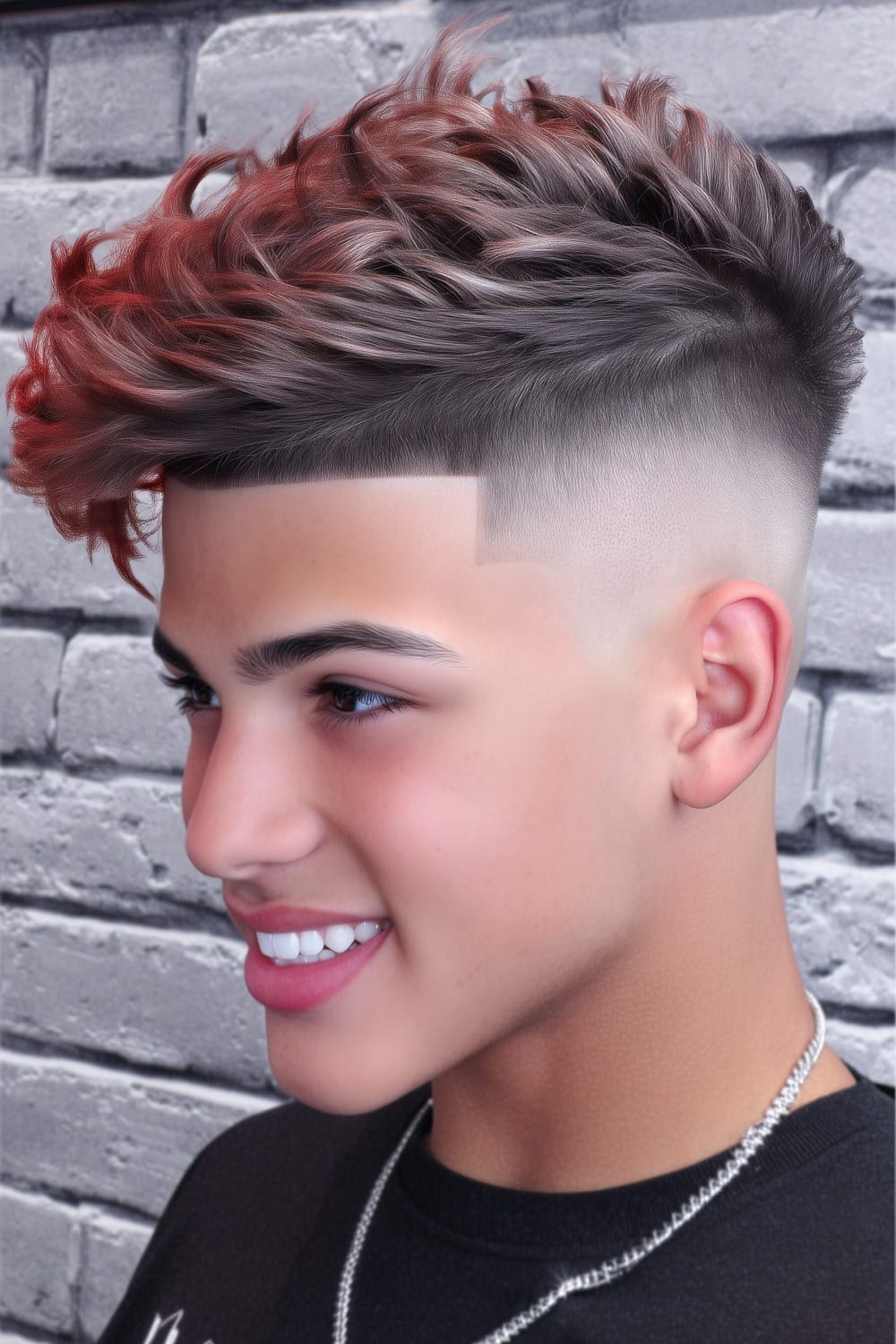
Bleached hair uses hydrogen peroxide and ammonia to break down melanin molecules in your hair shaft. The chemical reaction lifts your natural color anywhere from two to ten levels lighter.
Professional bleaching requires mixing developer strengths between 20 and 40 volume with powder lightener. Your starting shade determines processing time—dark brown hair needs 45 minutes while light brown takes 25.
Classic Platinum Styles

Classic platinum remains the gold standard for men seeking maximum impact. These timeless bleached looks work across all hair textures and lengths.
From boardroom-appropriate silver tones to rock-star white, platinum styles demand confidence. Each variation requires specific toner application after bleaching to achieve the exact shade.
Full Platinum Bleach

Full platinum bleaching covers every strand from root to tip in uniform lightness. This all-over technique creates the boldest transformation possible.
Expect two to three sessions if you’re starting with dark hair. Your scalp needs recovery time between applications to prevent chemical burns and excessive damage.
Icy White Platinum

Icy white platinum requires lifting hair to level 10, then applying violet-based toner. This ultra-light shade suits cool skin undertones best.
Maintenance happens every two weeks with purple shampoo and monthly toner refreshes. Without proper care, icy platinum turns yellow within days.
Natural Blonde Bleach

Natural blonde bleaching mimics sun-kissed surfer hair using golden or beige toners. This softer approach works for first-time bleachers.
Your barber applies bleach strategically, leaving some dimension rather than flat color. The result looks like you spent months at the beach.
Silver Fox Bleached Look

Silver fox bleaching creates distinguished gray tones using blue-violet toners on pre-lightened hair. Men over 30 particularly love this sophisticated option.
The technique involves bleaching to pale yellow, then depositing ash pigments. Regular toning appointments every three weeks keep brassiness away.
Bleached Fades And Undercuts

Bleached fades combine platinum tops with dark, precisely faded sides for maximum contrast. This modern technique showcases both color and cutting skills.
The sharp transition between bleached and natural hair creates visual drama. Your barber must blend the fade perfectly to avoid harsh demarcation lines.
- High fade: Bleach starts above the temple line
- Mid fade: Color transition sits at ear level
- Low fade: Bleaching begins near the crown only
Bleached Top With Dark Fade

This style keeps the top 3-4 inches bleached while fading sides to skin. The contrast makes your platinum pop even more dramatically.
Ask for a #1 guard fade starting at the temples. Leave enough length on top for styling versatility with pomade or sea salt spray.
Platinum Undercut

Platinum undercuts feature disconnected sides with zero blend into bleached top sections. This bold cut suits oval and square face shapes.
The undercut line sits two inches above your ear. Weekly touch-ups keep the disconnection sharp while monthly root bleaching maintains color consistency.
Bleached Temple Fade

Temple fades gradually blend bleached hair from the temporal region downward. This subtle approach works for conservative environments.
Your barber creates a gradient effect using clippers and shears. The bleached portion extends just past your natural part line for movement.
🧠 Expert Advice
Schedule your fade touch-up separately from bleach appointments—combining both services causes unnecessary scalp stress. Book fades every two weeks and bleaching monthly for optimal results without damage.
Two-Tone Bleached Fade

Two-tone fades incorporate multiple bleach levels for dimensional color. The crown stays lightest while mid-sections show darker blonde tones.
This technique requires foil placement and varying processing times. Your colorist monitors each section individually to achieve seamless gradation.
Textured Bleached Cuts

Textured cuts maximize bleached hair’s natural tendency toward dryness, creating piece-y, lived-in styles. The lighter color emphasizes every snip and layer.
Point cutting and razor work enhance movement in bleached hair. These techniques prevent the helmet-like appearance that can plague over-processed platinum styles.
Bleached Textured Crop

Textured crops feature short, choppy layers throughout bleached hair for effortless styling. French crop variations add forward-swept fringe elements.
Use matte clay to enhance separation between pieces. The product’s grip works perfectly with bleached hair’s rougher texture.
Messy Bleached Spikes

Modern spikes avoid gel-crispy looks by using texture powder on bleached strands. Random placement creates controlled chaos rather than uniform points.
Work product through damp hair, then blast with cool air while tousling. The bleached texture holds shape naturally without excessive product buildup.
Choppy Bleached Layers

Choppy layers use slide cutting to create irregular lengths throughout bleached hair. This technique adds volume to fine hair types.
Each layer sits at slightly different angles for maximum movement. Sea salt spray enhances the beachy, undone finish that suits platinum perfectly.
⚠️ Common Mistake
Never use hot tools daily on bleached textured cuts—the heat combined with chemical damage causes irreversible breakage. Limit flat irons and blow dryers to twice weekly, always using thermal protectant first.
Bleached Beach Waves

Beach waves in bleached hair create surfer-inspired texture using salt spray and scrunching techniques. The lightened strands hold wave patterns better than virgin hair.
Twist small sections while damp, then air dry for natural wave formation. A diffuser on low heat speeds the process without causing frizz.
Bold Color Combinations

Bleaching serves as the perfect canvas for vivid fashion colors that won’t show on dark hair. These combinations push creative boundaries.
Semi-permanent dyes over bleached bases create endless possibilities. Colors last 4-6 weeks before requiring refresh applications at your barbershop.
Pro tip: Always strand test fashion colors first—bleached hair’s porosity affects how pigments develop.
Bleached Base With Color Tips

Dip-dyed tips add pops of color to platinum bases without full commitment. Popular choices include electric blue, hot pink, and emerald green.
The color placement starts 2-3 inches from ends. This technique allows easy removal by trimming if you need a conservative look quickly.
Rainbow Over Bleached Hair

Rainbow application uses multiple vivid shades in sections across bleached hair. Each color requires careful placement to prevent muddy blending.
Your colorist applies colors systematically using foils for separation. The final look resembles an artist’s palette translated onto your hairstyle.
Pastel On Bleached Base

Pastel shades like lavender, mint, and peach require the palest platinum base. These soft hues create ethereal, Instagram-worthy looks.
Diluted pigments wash out faster than saturated colors. Expect weekly toning sessions to maintain true pastel tones without fading to gray.
Neon Highlights On Bleached Hair

Neon highlights use UV-reactive pigments over bleached sections for club-ready style. These ultra-bright accents glow under blacklight.
Placement focuses on face-framing pieces and crown sections. The contrast between platinum and neon creates explosive visual impact day or night.
Short Bleached Styles

Short bleached cuts minimize maintenance while maximizing the shock value of platinum hair. These styles suit active lifestyles and hot climates.
Root regrowth appears less obvious on shorter lengths. You’ll still need monthly touch-ups, but the grow-out phase looks intentionally edgy.
Bleached Buzz Cut

Buzz cuts showcase bleached color in its purest form without styling distractions. Guards between #2 and #4 provide optimal length.
The uniform length means even color distribution during bleaching. Touch-ups every three weeks prevent visible root bands from forming.
Platinum Crew Cut

Crew cuts add slight length variation to bleached buzz styles. The top measures 1-2 inches while sides stay shorter.
Style with lightweight pomade for subtle texture. The abbreviated length means less damage accumulation from repeated bleaching sessions.
Bleached French Crop

French crops feature textured tops with straight-across fringe in bleached platinum. This European style suits most face shapes.
The fringe sits just above eyebrows for easy maintenance. Matte paste keeps pieces separated while controlling any bleach-induced frizz.
Short Bleached Quiff

Short quiffs combine vintage inspiration with modern bleached color. The front section sweeps upward 2-3 inches while sides stay tight.
Blow-dry forward then push back for volume. Bleached hair’s added texture actually helps quiffs hold their shape better than natural hair.
Medium Length Bleached Looks

Medium lengths between 3-6 inches offer styling versatility with bleached hair. These cuts transition easily from casual to formal settings.
The extra length showcases toner variations and highlights. Plan for increased conditioning treatments to combat mid-length tangles and dryness.
Bleached Pompadour

Pompadours elevate bleached hair into vintage-inspired heights using strong-hold products. The dramatic volume draws attention to your platinum color.
Build height gradually from back to front using a round brush. Finish with hairspray to lock the shape against humidity and movement.
Platinum Slick Back

Slick backs create sleek, polished looks with bleached hair using pomade or gel. This style works for business settings despite the bold color.
Apply product to damp hair, combing straight back from the hairline. The controlled style minimizes bleach damage visibility.
Bleached Side Part

Side parts add classic structure to medium-length bleached styles. The defined part line creates visual interest against platinum color.
Use a tail comb for precision parting while hair’s damp. Light-hold cream maintains the style without weighing down processed hair.
Textured Bleached Fringe

Textured fringe softens the face while showcasing bleached color movement. Piece-y bangs work better than blunt cuts on damaged hair.
Point-cut the fringe for natural separation. Texture spray enhances the lived-in look that complements platinum’s edgy aesthetic perfectly.
Long Bleached Hairstyles

Long bleached hair makes the ultimate statement but requires serious commitment to maintenance. These styles need professional care every 4-6 weeks.
Deep conditioning becomes non-negotiable with bleached lengths past six inches. Without proper moisture, long platinum hair snaps like straw.
Bleached Man Bun

Man buns contain long bleached hair in a practical yet stylish updo. Position the bun high, low, or mid-height depending on occasion.
Use snag-free elastics to prevent breakage at the gathering point. Leave face-framing pieces loose for a softer, less severe appearance.
Platinum Shoulder Length

Shoulder-length platinum creates rock star vibes with minimal styling effort. This length shows beautiful color dimension and movement.
Sleep on silk pillowcases to reduce friction damage. Braid loosely before bed to prevent tangling while maintaining wave patterns.
Bleached Viking Style

Viking styles incorporate braids, undercuts, and long bleached sections for warrior-inspired looks. These cuts demand regular professional maintenance.
Combine tight braids with flowing sections for contrast. Beard oil works surprisingly well for controlling flyaways in bleached hair.
Long Bleached Layers

Long layers prevent bleached hair from looking heavy or shapeless. Each layer moves independently, creating dynamic color play.
Razor cutting adds extra texture to each layer. Oil treatments twice weekly keep ends from splitting between professional trims.
Partial Bleaching Techniques

Partial bleaching offers platinum impact without full commitment or complete damage. These techniques let you test drive lighter hair.
Strategic placement means easier grow-out phases. You can gradually increase bleached sections or return to natural color seamlessly.
- Time-saver: Partial techniques cut salon time in half
- Budget-friendly: Less product means lower service costs
- Damage control: Preserves most of your natural hair health
- Easy reversal if you change your mind
Bleached Tips Only

Tip bleaching affects just the last 1-2 inches of hair length. This subtle approach works for bleaching beginners or conservative environments.
The technique requires careful application to avoid bleeding onto mid-lengths. Foils or balayage boards ensure clean color lines.
Face-Framing Bleached Pieces

Face-framing highlights brighten your complexion using strategic bleached sections around hairline and temples. These pieces create instant visual lifting.
Placement follows your natural part and cowlicks. The bleached sections blend seamlessly when hair moves, avoiding stripey appearances.
Bleached Streak Accent

Single streak bleaching creates bold statements with minimal commitment. Popular placements include above the ear or through the fringe.
The streak width varies from pencil-thin to inch-wide sections. This technique works especially well with undercuts and fades.
Half-Head Bleach

Half-head application bleaches either horizontal or vertical sections while leaving the rest natural. This creates dramatic two-toned effects.
Horizontal splits work from ear to ear. Vertical applications divide hair down the center part for symmetrical or asymmetrical looks.
Edgy Bleached Designs

Bleached designs push creative boundaries with geometric patterns and unconventional cuts. These styles require skilled barbers with steady hands.
Design complexity affects maintenance frequency—intricate patterns need weekly touch-ups. Simple lines last two to three weeks before losing definition.
Bleached Mohawk

Mohawks maximize bleached hair‘s visual impact by concentrating color in a central strip. Width varies from one to four inches.
Shaved sides create stark contrast against platinum centers. Liberty spikes or swept-back styling both work with bleached mohawk textures.
Platinum Faux Hawk

Faux hawks offer mohawk aesthetics without committing to shaved sides. Bleached color enhances the style’s edgy appeal.
Style upward and inward using strong-hold gel or wax. The bleached texture actually helps hair stand better than natural locks.
Bleached Design Lines

Design lines use precise bleaching to create patterns within darker hair. Common designs include zigzags, curves, and tribal patterns.
Your barber applies bleach with small brushes for accuracy. These designs last 2-3 weeks before regrowth blurs the lines.
Geometric Bleached Patterns

Geometric patterns incorporate triangles, diamonds, and abstract shapes using bleach as the medium. These require artistic barbers with color expertise.
Stencils ensure symmetry for complex designs. Touch-ups focus on maintaining crisp edges rather than all-over color refresh.
Natural Progression Styles

Natural progression techniques embrace root growth and color gradation rather than fighting it. These styles age gracefully between appointments.
The lived-in approach reduces salon visits to every 6-8 weeks. Your colorist creates intentional dimension that improves as it grows.
Root Shadow Bleached Look

Root shadowing applies darker toner at roots before transitioning to platinum lengths. This technique eliminates harsh regrowth lines.
The shadow extends 1-2 inches from your scalp. Natural growth blends seamlessly, extending time between necessary touch-up appointments.
Grown-Out Bleached Style

Grown-out styles intentionally showcase 2-3 inches of natural roots above bleached lengths. This grunge-inspired look requires zero maintenance.
The contrast creates editorial-worthy dimension. Simply let nature take its course while maintaining hair health with conditioning treatments.
Ombre Bleached Effect

Ombre gradually lightens from dark roots to platinum ends using multiple bleach sessions. The seamless gradient looks naturally sun-kissed.
Each section processes for different durations to achieve gradual lightening. The technique works best on medium to long hair lengths.
Balayage Bleached Technique

Balayage hand-paints bleach for natural-looking highlights that concentrate toward ends. This French technique creates soft, blended dimensions.
No foils means softer color transitions than traditional highlights. The painted placement follows your hair’s natural movement patterns.
Maintenance And Styling Tips
Proper maintenance determines whether bleached hair looks salon-fresh or fried. These routines preserve color vibrancy and hair integrity.
Invest in professional products specifically formulated for bleached hair. Drugstore alternatives lack the proteins and ceramides your damaged strands desperately need.
Purple Shampoo Routine
Purple shampoo neutralizes yellow tones that develop in bleached hair between appointments. Use twice weekly for maintenance.
Leave shampoo on for 3-5 minutes before rinsing. Over-use deposits purple tones, so alternate with moisturizing shampoo.
Heat Protection For Bleached Hair
Heat protection becomes mandatory for any thermal styling on bleached hair. Apply spray or cream to damp hair before blow-drying.
Set tools below 300°F to prevent additional damage. Air-drying whenever possible extends your bleached hair’s lifespan significantly.
Moisture Treatments Schedule
Weekly deep conditioning treatments restore moisture to bleached hair‘s compromised cuticles. Leave treatments on for 20-30 minutes under heat.
Protein treatments monthly rebuild hair’s internal structure. Alternate between moisture and protein to maintain the proper balance.
Touch-Up Timeline
Root touch-ups every 4-6 weeks maintain consistent color from scalp to ends. Toner refreshes happen between bleaching sessions.
Track your appointments in a calendar to avoid overlapping chemical services. Your scalp needs recovery time between harsh processes.
Celebrity-Inspired Bleached Looks

Celebrities normalize bleached hair for men across industries from music to sports. These public figures inspire barbershop requests daily.
Screen-grab reference photos showing multiple angles of your desired celebrity style. Your barber needs clear visuals to replicate complex bleached looks.
Remember: Celebrity hair requires celebrity-level maintenance budgets and daily professional styling.
🧠 Expert Advice
Bring multiple celebrity references showing the same person in different lighting—bleached hair photographs differently indoors versus natural light. This helps your colorist understand the exact tone you’re seeking beyond just “platinum blonde.”
⚠️ Common Mistake
Don’t expect to achieve celebrity platinum in one session if you have dark hair—rushing the process causes chemical cuts and breakage. Plan for 2-3 appointments spaced two weeks apart for safe, even results.
Music Artist Platinum Styles

Musicians from punk to pop sport statement-making bleached styles that push creative boundaries. These looks often incorporate unconventional cuts.
Current trends include Machine Gun Kelly‘s platinum pink and Zayn Malik’s silver-white. Each requires specific toner formulations to achieve.
Athlete Bleached Cuts

Athletes embrace bleached hair for team unity or personal expression during major tournaments. Soccer players particularly love platinum styles.
Odell Beckham Jr.’s bleached blonde and Neymar’s platinum looks inspire barbershop requests. These maintain sharp fades with bright tops.
Model-Ready Bleached Hair

Fashion models showcase editorial bleached styles on runways and campaigns worldwide. These looks prioritize artistic impact over practicality.
Lucky Blue Smith’s signature platinum influenced men’s hair trends globally. Achieving model-quality bleach requires premium products and expert colorists.
The Bleaching Process: What Actually Happens
Understanding what’s happening chemically helps you make better decisions about timing, aftercare, and expectations.
Pre-treatment (day before): Don’t wash your hair for 24-48 hours before bleaching. Your scalp’s natural oils form a protective barrier that reduces irritation during processing. If your hair is already damaged or heavily processed, a protein treatment 1-2 weeks before strengthens the strands.
Lightening: Your colorist mixes bleach powder with developer (usually 20-30 volume). The developer opens the hair cuticle while the bleach oxidizes melanin, stripping color. Processing time ranges from 20-45 minutes depending on your starting color and target shade. Never leave bleach on longer than recommended — extra time doesn’t mean lighter hair, it means damaged hair.
Toning: Raw bleached hair is usually yellow or orange. A toner deposits the final shade — platinum, ash blonde, silver, or warm honey. This step separates professional results from DIY disasters. Toner typically processes for 10-20 minutes.
Post-processing: A bonding treatment (like Olaplex) repairs some of the internal bonds broken during bleaching. Deep conditioner seals the cuticle. Your hair should feel soft when you leave — if it feels crunchy or gummy, something went wrong.
Damage Prevention and Hair Health
Bleaching permanently alters your hair’s protein structure, but the visible effects — dryness, breakage, texture changes — are manageable with the right routine.
The non-negotiables:
- Purple shampoo 2x per week to combat brassiness (more often and your hair turns purple-gray)
- Deep conditioning mask weekly — look for keratin, argan oil, or coconut oil formulas
- Heat protectant before any blow-drying or hot tool use — bleached hair burns at lower temperatures than virgin hair
- Silk or satin pillowcase to reduce friction damage while sleeping
What to avoid: Hot water (opens the cuticle and strips color), chlorinated pools without a swim cap, excessive sun exposure without UV protection, and over-washing (2-3 times per week maximum). For full product recommendations, see our guide.
Bleached Hair and Face Shape
Bleached hair draws attention to your head more than natural tones, so your face shape matters even more with this style.
Round face: A bleached quiff or textured top adds the vertical lines you need. The color contrast between a bleached top and dark fade creates visual height. See round face haircuts for more.
Oval face: Nearly any bleached style works. You have full flexibility to go bold with full platinum or subtle with frosted tips.
Square face: Bleached textured cuts complement strong jawlines. The edgy color pairs naturally with angular features.
Oblong face: Avoid bleached styles with too much height. A bleached crew cut or French crop keeps proportions balanced.
Ready to Find Your Perfect Cut?
You’ve read about the styles. Now find the one that fits YOUR face shape, hair type, and lifestyle.
🎬 FIRST TIME GETTING CURLS BLEACHED! 😱 Kids Perm & Dye Transformation! HAIRCUT TUTORIAL: LOW DROP FADE
FAQs
How Often Should I Touch Up My Bleached Roots?
Touch up roots every 4-6 weeks to maintain seamless color, though some prefer the grown-out look at 8 weeks. Your natural hair color and growth rate determine exact timing—darker roots show faster.
Book appointments in advance since quality colorists stay booked. Missing your window means visible bands that take multiple sessions to correct.
Can I Bleach My Hair At Home Or Should I Go To A Professional?
Professional bleaching prevents chemical burns, breakage, and uneven color that plague DIY attempts. Colorists understand developer strengths, timing, and toner selection for your specific hair.
Home bleaching seems economical until you factor in correction costs. One box-bleach disaster can require $500+ in professional repair services.
What’s The Best Way To Maintain Bleached Hair Health?
Maintain health through weekly deep conditioning, monthly protein treatments, and heat protection for any thermal styling. Purple shampoo twice weekly prevents brassiness.
Sleep on silk pillowcases and avoid chlorine exposure. Trim ends every 4 weeks to prevent splits from traveling up the hair shaft.
How Long Does The Bleaching Process Take At The Barbershop?
First-time bleaching sessions run 3-5 hours including consultation, application, processing, toning, and styling. Dark hair requiring multiple processes spans several appointments.
Root touch-ups take 90-120 minutes. Always book extra time—rushing bleach processes guarantees uneven results and unnecessary damage.
Will Bleaching Damage My Hair Permanently?
Bleaching permanently alters your hair’s protein structure, but new growth remains unaffected and healthy. Current bleached sections stay compromised until cut.
Proper aftercare minimizes visible damage like breakage and dryness. Some men grow out bleached hair completely within 6-12 months.
References
Have you always wanted to bleach your hair? Bleach blonde hair is as edgy as it is glamorous – maybe that’s why it never goes out of style. source
Hair bleaching, is the practice of lightening the hair color mainly for cosmetic purposes using bleaching agents. source
Related Guides
Was this article helpful?

Khamis Maiouf is a professional barber who graduated from Hinckley College in England with a Level 3 qualification in hairdressing. With over 20 years of experience, he is an award-winning barber who has mentored numerous students and styled thousands of clients. A recognised expert featured on StyleCraze (20M+ readers).
Credentials: Level 3 Hairdressing (Hinckley College, UK) • 20+ Years Professional Experience • Featured Expert on StyleCraze • Founder of Book of Barbering