

Last month a client walked in wanting a “simple, professional haircut” — I showed him one photo of a textured side part and his whole face lit up. That’s the thing about side parts: they’re the one cut that works everywhere, from a job interview to a Saturday night out, and there’s a version for every hair type and face shape. After 20+ years behind the chair, these are the 18 side part styles I recommend most.
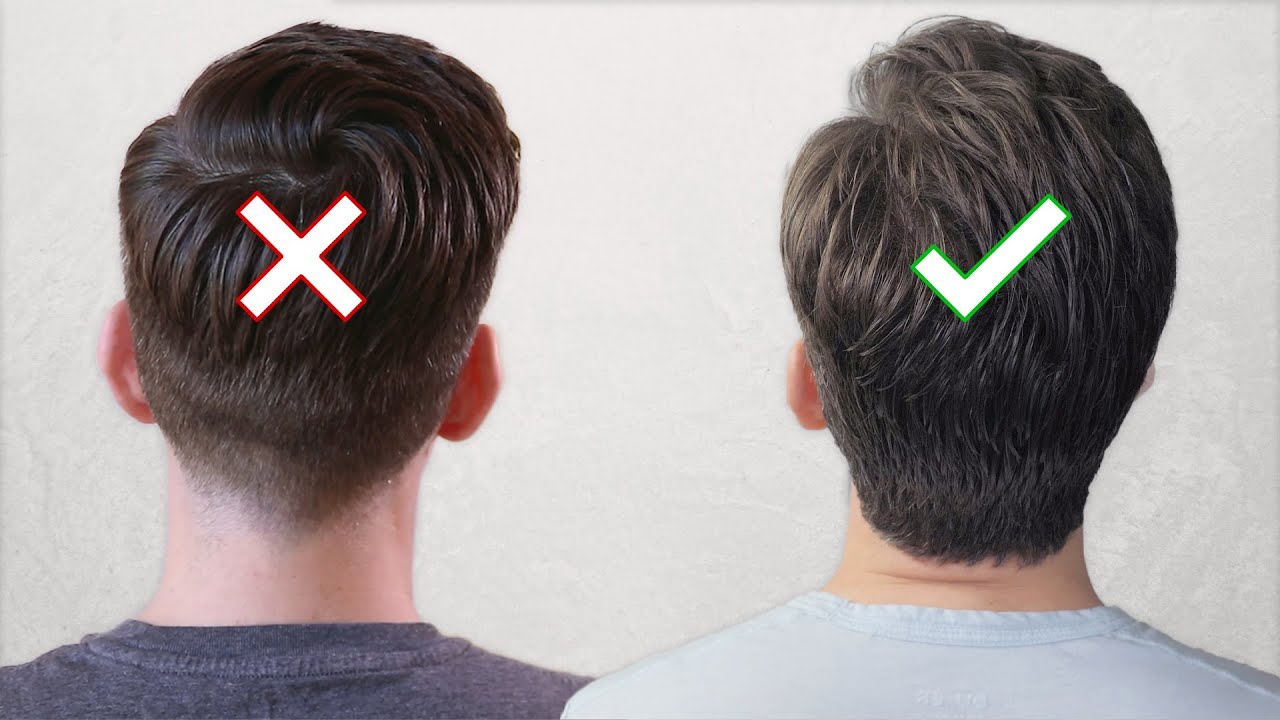
Key Takeaways
- The side part is one of the most versatile men’s haircuts — it works with every face shape and hair type when you pick the right variation.
- Modern side parts pair best with fade variations (low, mid, or skin fade) for a clean, contemporary look.
- Product choice determines the entire vibe: pomade for classic shine, matte clay for textured natural looks.
- Always bring a reference photo to your barber and specify fade height, top length, and desired finish.
- Side parts need trimming every 2–6 weeks depending on the variation — faded styles need the most frequent maintenance.
Traditional Side Part
The traditional side part features a clean, defined part line with hair combed smoothly to one side. This timeless style works with virtually any hair type and length, requiring minimal product for a polished finish. It’s the foundation from which all other side part variations evolved, remaining popular among professionals who value classic sophistication.

Gentleman’s Cut
A gentleman’s cut combines short tapered sides with a longer top section perfectly combed over. This refined style maintains enough length on top for versatile styling while keeping sides neat and professional.
The subtle graduation from sides to top creates a seamless flow that frames the face beautifully. Most barbers recommend 2-3 inches on top for optimal styling flexibility.
Mad Men Style
The Mad Men style captures vintage sophistication with medium-length hair styled using pomade for a glossy finish. This throwback cut features fuller sides than modern variations, creating that authentic mid-century aesthetic.
The key lies in the precise combing technique and high-shine product application. It’s particularly striking on men with straight to slightly wavy hair who appreciate retro elegance.

Executive Contour
An executive contour delivers professional polish through subtle side fading that follows natural head contours. This sophisticated cut maintains conservative length while incorporating modern barbering techniques for enhanced shape.
The gentle taper creates dimension without being too trendy for corporate environments. It’s become the go-to choice for executives wanting contemporary refinement.

Side Part Fade
The side part fade modernizes the classic by incorporating graduated fading on the sides and back. This contemporary variation maintains traditional styling on top while adding fresh edge through the fade technique.
The contrast between the clean fade and styled top creates visual interest that works in any setting. Barbers typically recommend a mid to low fade for first-timers seeking balance.
Textured Side Part
A textured side part adds volume and movement through strategic layering and point cutting techniques. This modern approach creates natural lift and dimension that moves away from the slicked-down traditional look.
The textured finish works especially well with thick or coarse hair that benefits from weight removal. Styling requires minimal product, usually just a light clay or cream for definition.

Side Part Undercut
The side part undercut creates dramatic contrast between a longer styled top and closely buzzed sides. This bold variation typically features sides cut to a #1 or #2 guard length while maintaining 3-4 inches on top.
The stark difference makes the part line more prominent and the overall style more impactful. It’s currently trending among creative professionals and fashion-forward men.

Disconnected Side Part
A disconnected side part features a bold, hard line separating the top section from the sides with no blending. This edgy variation makes a statement through its intentional lack of graduation between lengths.
The disconnection can be enhanced with a razor line for extra definition. Perfect for those wanting maximum contrast and a contemporary edge to their professional look.
Short Side Part
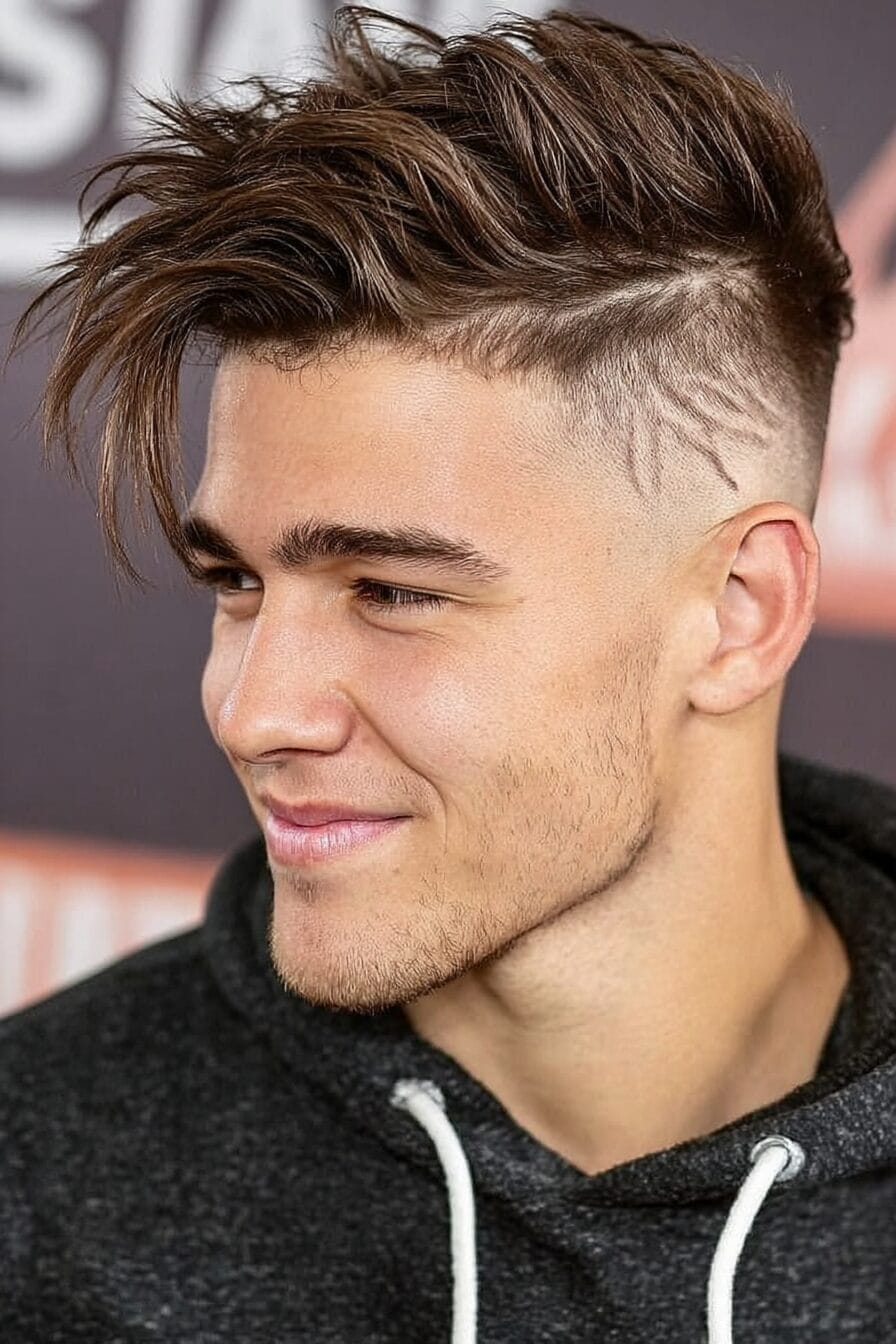
The short side part offers low-maintenance sophistication with hair kept under 2 inches on top. This practical variation works exceptionally well for men with thick hair that becomes unruly when longer.
The shorter length still allows for defined parting and directional styling while requiring minimal morning routine. It’s ideal for busy professionals who value effortless polish.

Medium Length Sweep
A medium length sweep provides maximum styling versatility with 3-4 inches of workable length on top. This adaptable cut can be styled sleek for work or tousled for weekends, making it incredibly practical.
The medium length allows for both classic side-parting and modern textured finishes. Many barbers consider this the sweet spot for side part lengths.
Long Side Part
The long side part requires patience and commitment but rewards with flowing, dramatic movement. This style typically features 5-6 inches on top, allowing hair to sweep gracefully across the head.
Regular trims maintain shape while growing out the length, which can take several months to achieve. It suits men with straight to wavy hair who appreciate a more romantic, artistic aesthetic.

Mid Fade Side Part
The mid fade side part features fading that begins at temple level, creating balanced contrast with the styled top. This versatile height works with most face shapes and provides noticeable definition without being extreme.
The mid-point fade draws attention upward, elongating round faces and balancing proportions. Barbers often recommend this as the most universally flattering fade height.

High Fade Side Part
A high fade side part makes a bold statement with fading that starts well above the temples. This dramatic variation creates maximum contrast and a super-clean aesthetic that’s currently trending.
The high fade works particularly well with darker hair where the contrast is most visible. It requires frequent maintenance every 2-3 weeks to keep the fade looking sharp.

Skin Fade Side Part
The skin fade side part takes precision to the extreme with sides faded down to the skin. This ultra-clean technique creates the sharpest possible contrast with the styled top section.
The skin fade requires expert barbering skills to achieve smooth graduation without visible lines. It’s become incredibly popular among men wanting maximum definition and contemporary edge.

Wavy Side Part
A wavy side part embraces natural texture rather than fighting against it with excessive product. This relaxed variation works with your hair’s wave pattern, creating organic movement and body.
Not sure what your face shape is? Our Face Shape Detector figures it out in 4 quick questions.
The key is finding the right part placement that follows natural growth patterns. Styling typically requires just a light mousse or sea salt spray to enhance waves without weighing them down.

Messy Side Part
The messy side part offers controlled chaos with intentionally tousled styling that looks effortlessly cool. This relaxed interpretation maintains the part line while allowing hair to fall more naturally.
The disheveled finish works particularly well for casual settings and creative industries. Despite appearing undone, it actually requires strategic styling with texturizing products to achieve the perfect imperfection.

Slicked Side Part
A slicked side part delivers maximum polish with high-shine products creating a wet-look finish. This formal style harks back to classic Hollywood glamour while remaining relevant today.
The slicked finish requires quality pomade or gel and careful combing for smooth, reflective results. It’s particularly striking for special occasions or when you need to make a powerful impression.
Matte Side Part
The matte side part achieves modern sophistication using clay, paste, or powder products for a natural finish. This contemporary approach provides hold and definition without any shine, perfect for those preferring understated elegance.
The matte texture adds grip and volume while maintaining a touchable, non-crispy feel. It’s currently the most requested finish among younger professionals.

How to Style a Side Part
Getting a great side part isn’t just about the cut — it’s about how you style it at home between barber visits. Here’s the routine I walk every client through before they leave my chair:
- Start with damp hair. Towel-dry after washing until hair is about 80% dry. This gives products something to grip without weighing hair down.
- Find your natural part. Comb hair straight back, then push forward. Your hair will naturally fall to one side, revealing where the part wants to sit.
- Apply product. For a classic look, work a dime-sized amount of pomade between your palms first. For textured styles, use a matte clay or paste instead.
- Comb into place. Use a fine-tooth comb to define the part line, then style the top section to the side. A wide-tooth comb works better for wavy or thicker hair.
- Set with a blow dryer. Aim the dryer in the direction you want hair to fall, keeping it 6 inches away. This locks in volume and hold for the entire day.
Pro tip: If your side part won’t stay put, try switching to the opposite side. I’ve had clients fight their natural growth pattern for years before realizing the part sits better on the other side.
How to Ask Your Barber for a Side Part
Knowing how to ask for a haircut makes a huge difference in what you walk out with. Here’s what I wish every client told me before I pick up the clippers:
- Bring a photo. One clear reference photo beats 10 minutes of description. Save 2–3 examples from this page that match what you want.
- Specify the fade. Tell your barber if you want a low, mid, or high fade, or if you’d prefer a traditional tapered look with no fade at all.
- Mention the finish. Say whether you want a slick, matte, or textured finish. This changes which cutting techniques your barber uses.
- State your top length. “I want about 3 inches on top” gives your barber a clear starting point. If you’re unsure, ask them to start longer — you can always take more off.
- Ask about maintenance. A good barber will tell you honestly how often you’ll need to come back for touch-ups based on the style you chose.
The exact phrase that works every time: “I’d like a side part with a [low/mid/high] fade on the sides and about [X] inches on top, styled with a [matte/slick/textured] finish.”
FAQs: Side Part Haircuts
What face shape suits a side part best?
Side parts work with virtually every face shape, but the key lies in customization. Round faces benefit from height and volume on top to add length, while square faces look great with softer, textured variations.
Oval faces can pull off any side part style. For oblong faces, avoid excessive height and opt for fuller sides. Your barber can adjust the part placement and styling direction to optimize your facial proportions.
How do I find my natural side part?
Finding your natural part starts with examining your crown and growth patterns. After showering, comb your damp hair straight back, then push it forward with your hand.
Your hair will naturally fall to one side, revealing your part line. Most men part on the left, but following your natural growth pattern ensures easier styling and better hold throughout the day. The part typically aligns with the arch of your eyebrow.
What products work best for side part hairstyles?
Product choice depends on your desired finish and hair type. For classic slicked looks, use pomade or gel with medium to high hold.
Textured side parts work best with clay, paste, or cream products that provide grip without shine. Fine hair benefits from volumizing mousse before styling, while thick hair might need stronger hold products. Always apply to slightly damp hair for even distribution and better control.
How often should I get my side part trimmed?
Maintenance frequency depends on your specific style and hair growth rate. Traditional side parts can go 4-6 weeks between cuts, while fade variations need refreshing every 2-3 weeks to maintain crisp lines.
Undercuts and disconnected styles require touch-ups every 3-4 weeks. Regular trims keep the shape intact and prevent the style from losing its structure. Book standing appointments to maintain consistency.
Is a side part attractive on men?
Side parts consistently rank among the most attractive men’s hairstyles because they create visual balance and frame the face symmetrically. The key is choosing a variation that matches your face shape — round faces look best with volume on top (like a textured or high fade side part), while angular faces suit softer, swept styles. Side parts also signal grooming effort, which research shows increases perceived attractiveness regardless of face shape.
What is the difference between a side part and a comb over?
A side part and a comb over are closely related but not identical. A side part features a defined part line — either natural or razored in — with hair styled to one side. A comb over describes the styling technique of combing hair across the top of the head, often to create volume or cover thinning areas. Most modern comb overs include a side part, but you can have a side part without the dramatic swept-over volume that defines a traditional comb over.
Was this article helpful?
Ready to Find Your Perfect Cut?
You’ve read about the styles. Now find the one that fits YOUR face shape, hair type, and lifestyle.

Khamis Maiouf is a professional barber who graduated from Hinckley College in England with a Level 3 qualification in hairdressing. With over 20 years of experience, he is an award-winning barber who has mentored numerous students and styled thousands of clients. A recognised expert featured on StyleCraze (20M+ readers).
Credentials: Level 3 Hairdressing (Hinckley College, UK) • 20+ Years Professional Experience • Featured Expert on StyleCraze • Founder of Book of Barbering