

Every beard looks different — and that’s exactly the point. The biggest mistake I see after 20+ years behind the chair is guys copying a style that doesn’t match their face shape. The right beard can sharpen your jawline, balance your features, and completely transform your look.
Key Takeaways
- There are 45+ beard styles ranging from light stubble to full Viking — the best one depends on your face shape and growth pattern
- Square and oval faces have the most versatility; round and oblong faces need specific styles to create balance
- Full beards take 2-4 months to grow in — commit to at least 6 weeks before judging your beard’s potential
- Invest in a quality trimmer and beard oil — these two tools make the difference between a groomed beard and a messy one
- If you’re unsure where to start, a short boxed beard is the safest bet — it works on every face shape and looks professional
What Are The Different Types Of Beards?
Beard styles fall into several main categories based on length, coverage, and shape. Short beards incl
How To Choose The Right Beard Style For Your Face
Selecting the ideal beard starts with understanding your face shape and growth patterns. Round faces benefit from longer, angular styles that add length, while square faces look best with fuller, rounded beards that soften strong jawlines.
Consider your beard density—patchy growth suits shorter, defined styles like goatees, while thick coverage allows for any style. Factor in daily maintenance time and professional requirements to find a sustainable option that enhances your natural features.
Stubble Beard
The stubble beard maintains facial hair at 1-3mm length for effortless masculine appeal. This universally flattering style requires trimming every 2-3 days to maintain the perfect shadow.
Stubble works exceptionally well for men with patchy growth patterns since the short length creates an even appearance. It’s the ideal entry point for beard beginners or professionals in conservative environments.

Heavy Stubble Beard
Heavy stubble pushes length to 4-5mm, creating more defined coverage than regular stubble. This style bridges the gap between clean-shaven and bearded, offering noticeable texture without full commitment.
The added length requires weekly edge cleanup to prevent neck creep. Popular among creative professionals, it provides rugged sophistication that works in most settings.

Short Boxed Beard
The short boxed beard features neat angular lines with length kept under one inch. Clean cheek lines and a defined neckline create the signature “boxed” shape that frames your face perfectly.
This polished style requires bi-weekly professional shaping or steady hand with clippers. It’s become the go-to choice for men wanting substantial coverage with minimal bulk.

Full Beard Style
A full beard represents complete facial coverage from sideburns to neck, typically maintained at 1-2 inches. This classic style requires 2-4 months of growth and regular maintenance to prevent wild overgrowth.
Weekly trimming keeps edges neat while monthly shaping maintains your desired silhouette. The full beard serves as the foundation for transitioning into longer or more specialized beard styles.

Long Full Beard
The long full beard extends beyond 3-6 inches, creating an impressive statement of patience and dedication. This substantial style requires daily oiling and weekly deep conditioning to prevent dryness and breakage.
Most men need 6-12 months to achieve proper length. The long full beard particularly suits lean faces, adding visual weight and presence to angular features.
Goatee Beard
The classic goatee focuses hair growth exclusively on the chin area, creating a pointed focal point. This timeless style works brilliantly for men with weak chin structure or patchy cheek growth.
Maintenance involves daily shaving of cheeks and neck while keeping the chin hair shaped. Modern variations range from tight, cropped versions to longer, more dramatic points.

Extended Goatee
An extended goatee expands coverage to include the mustache and areas alongside the mouth, creating a connected frame. This hybrid style offers more substance than a traditional goatee while maintaining clean cheeks.
The extended version suits round faces particularly well, adding vertical lines that elongate facial proportions. Regular trimming every 4-5 days keeps the distinctive shape crisp.

Van Dyke Beard
The Van Dyke combines a pointed goatee with a disconnected mustache for artistic flair. Named after the 17th-century painter, this style requires precise grooming to maintain separation between elements.
The mustache often features slight upward styling while the goatee remains neatly pointed. This sophisticated choice works best with angular faces and adds instant character to any appearance.
Circle Beard
A circle beard connects a rounded goatee to a mustache, forming a continuous ring around the mouth. This neat, professional style requires regular trimming to maintain the perfect circular shape.
The coverage provides more substance than a goatee alone while keeping cheeks clean-shaven. It’s particularly flattering for square faces, softening harsh angles with curved lines.

Anchor Beard Style
The anchor beard creates a nautical-inspired shape combining a pointed chin beard with a pencil mustache and soul patch. This distinctive style requires expert shaping to achieve the anchor silhouette along the jawline.
The unique design draws attention to the chin and jaw area, making it ideal for men with strong facial features. Daily maintenance keeps the intricate lines sharp and defined.

Balbo Beard
The Balbo features a floating mustache separated from a full chin beard that extends along the jawline. This vintage Italian style requires meticulous grooming to maintain the disconnection between upper and lower elements.
The wider chin coverage suits men with narrow faces, adding horizontal balance. Weekly professional trimming helps preserve the complex shape that makes this style so distinctive.

Viking Beard
The Viking beard embodies raw masculine power with 4-12 inches of natural, flowing growth. This warrior-inspired style embraces fuller, wilder appearance while maintaining basic shape through minimal trimming.
Growing a proper Viking beard requires 6-12 months of patience and dedication. Daily oiling prevents tangling, while weekly brushing trains hair downward for that authentic Norse aesthetic.

Ducktail Beard
A ducktail beard tapers to a pointed bottom resembling its namesake while keeping sides neat and trimmed. This refined style combines full coverage with sophisticated shaping that elongates the face.
The distinctive V-shape requires skilled trimming every two weeks to maintain proper proportions. It’s currently trending among professionals wanting substantial beards with polished presentation.

French Fork Beard
The French fork splits at the chin into two distinct points, creating a dramatic medieval appearance. This advanced style requires at least 4-6 inches of length and naturally parts due to growth patterns or deliberate training.
The forked bottom adds intrigue while maintaining full beard coverage above. Regular braiding or separation during drying helps maintain the signature split.
Hollywoodian Beard
The Hollywoodian removes sideburns while maintaining a full goatee and mustache connection along the jawline. This red carpet favorite creates strong definition without full cheek coverage.
The style emphasizes the lower face, making it perfect for men with prominent cheekbones. Regular edge maintenance every 3-4 days keeps the distinctive shape camera-ready.
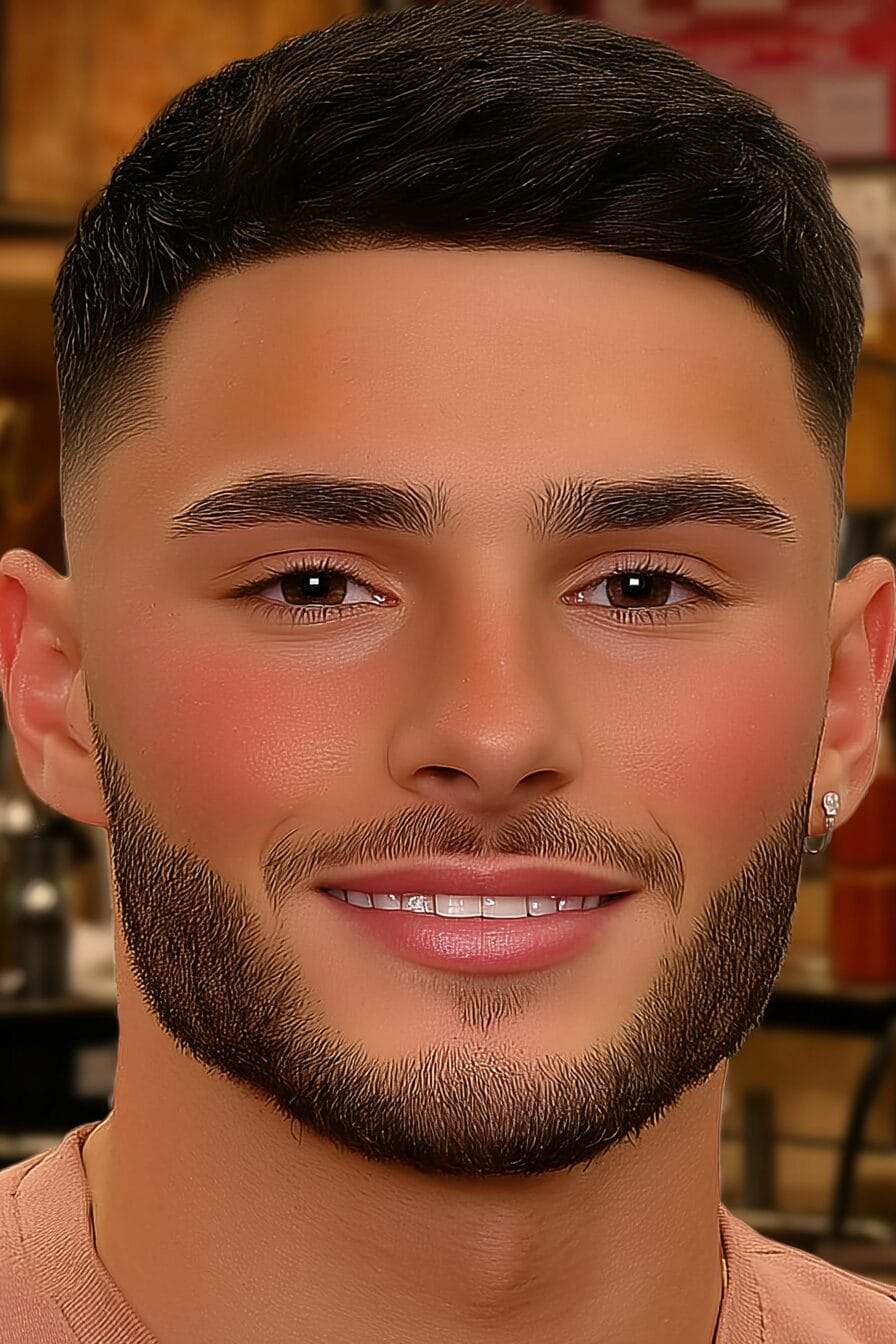
Chin Strap Beard
The chin strap runs along the jawline from ear to ear, creating a thin facial frame without mustache or cheek coverage. This minimalist style requires precise daily maintenance to keep lines sharp and width consistent.
The strap accentuates jaw structure, making it ideal for men with soft jawlines seeking definition. It’s particularly popular among younger men experimenting with facial hair patterns.

Chin Curtain Beard
A chin curtain follows the jawline like a chin strap but with fuller, wider coverage resembling actual curtains. This Amish-inspired style traditionally excludes the mustache while maintaining substantial jaw and neck coverage.
The fuller width provides more presence than a simple strap while keeping cheeks clean. Growing adequate density takes 2-3 months for most men.
Soul Patch Style
The soul patch isolates a small hair patch directly below the lower lip, creating minimalist facial accent. This compact style requires daily grooming to maintain its precise size and position.
While sometimes worn alone, it often complements other styles like goatees or Van Dykes. The soul patch adds subtle character without commitment to fuller facial hair.
Imperial Beard
The Imperial features a prominent mustache curled upward at the ends, often paired with chin hair grown long and styled to a point. This regal Victorian style requires dedicated wax application and daily styling to maintain its distinctive upward curves.
The dramatic whiskers create an unmistakably distinguished appearance. Growing sufficient mustache length for proper curling takes 3-4 months minimum.

Bandholz Beard
The Bandholz represents ultimate beard commitment with unrestricted growth exceeding 6 inches, often reaching chest level. This style embraces natural growth patterns with minimal shaping beyond basic maintenance.
Named after Eric Bandholz of Beardbrand, it requires at least one year of growth. Daily oiling and weekly deep conditioning prevent the tangles and damage that threaten longer beards.

Short Beard With Fade
Combining a short beard with faded sideburns creates seamless transition from hair to facial hair. This modern barbershop favorite requires professional maintenance every 2-3 weeks to keep the fade fresh.
The gradual blend eliminates harsh lines while maintaining neat appearance. This contemporary style particularly suits younger professionals wanting polished yet trendy facial hair.
Tapered Beard Style
A tapered beard gradually decreases in length from bottom to sides, creating natural graduation. This versatile technique works with any beard length, adding sophistication through subtle shaping.
The taper prevents bulky sides while maintaining fullness where desired. Professional barbers recommend this style for first-time beard growers learning proper maintenance techniques.

Square Beard Shape
The square beard maintains angular lines at the bottom and sides, creating a boxy, masculine silhouette. This structured style requires precise trimming to maintain clean edges and right angles.
Square shaping works exceptionally well for men with round or oval faces, adding definition and structure. Bi-weekly touch-ups keep the geometric shape from rounding out naturally.

Rounded Beard Style
A rounded beard follows natural face curves with a soft, curved bottom edge. This classic shape suits most face types and requires less precision than angular styles.
The gentle curves create approachable, friendly appearance while maintaining full masculine coverage. Regular trimming every 10-14 days maintains the smooth arc that defines this timeless style.
Pointed Beard Look
The pointed beard tapers to a distinct triangular tip at the chin, creating dramatic focal point. This bold shaping technique works with various lengths from short goatees to longer full beards.
The point naturally elongates round faces while adding character to any style. Maintaining the sharp point requires weekly trimming and daily brushing to train hair downward.
Beard Without Mustache
A beard without mustache, historically called a “Lincoln,” covers jaw and chin while keeping the upper lip completely clean-shaven. This distinctive choice creates unique appearance that highlights the mouth area.
The style particularly suits men with thin upper lips or weak mustache growth. Daily shaving above the lip maintains the defining characteristic of this unconventional option.

Disconnected Beard And Mustache
The disconnected style maintains visible separation between beard and mustache, creating distinct facial zones. This modern technique adds interest through negative space while maintaining substantial coverage.
Not sure what your face shape is? Our Face Shape Detector figures it out in 4 quick questions.
The gap width varies from subtle to dramatic based on preference. Regular trimming every 3-4 days preserves the clean separation that makes this style stand out.

Beard With Handlebar Mustache
Pairing any beard style with a handlebar mustache creates vintage gentleman aesthetic. The mustache’s waxed, upward curls provide dramatic contrast to natural beard texture below.
This combination requires daily mustache styling plus regular beard maintenance. The handlebar element transforms simple beards into statement pieces, particularly effective with shorter, neater beard styles.

Corporate Beard Style
The corporate beard maintains professional polish through shorter length and immaculate grooming. Typically kept at 0.5-1 inch, this style features sharp edges and even coverage throughout.
Weekly professional trimming ensures boardroom-appropriate appearance. The corporate beard proves that facial hair and executive presence aren’t mutually exclusive, making it popular among modern business leaders.
Hipster Beard
The hipster beard embraces fuller, natural growth with artisanal grooming touches like beard oil and balm. This trendy style typically features 2-6 inches of length with careful shaping that appears effortlessly rugged.
Vintage-inspired mustache styling often accompanies the look. Despite its casual appearance, the hipster beard requires significant daily maintenance to achieve that perfectly imperfect aesthetic.

Lumberjack Beard
A lumberjack beard celebrates maximum fullness with wild, natural growth exceeding 4 inches. This outdoorsman style prioritizes volume over precision, embracing the untamed forest aesthetic.
Despite its rugged appearance, preventing matting requires daily brushing and regular oiling. The lumberjack particularly suits men with naturally thick, coarse facial hair who can achieve impressive density.
Salt And Pepper Beard
The salt and pepper beard showcases natural gray patterns for distinguished, mature appeal. This coloring adds automatic sophistication to any beard style from stubble to full length.
Proper grooming enhances the contrast between dark and silver hairs through quality beard oils. Many men specifically grow beards to display their emerging gray, embracing the wisdom and character it represents.
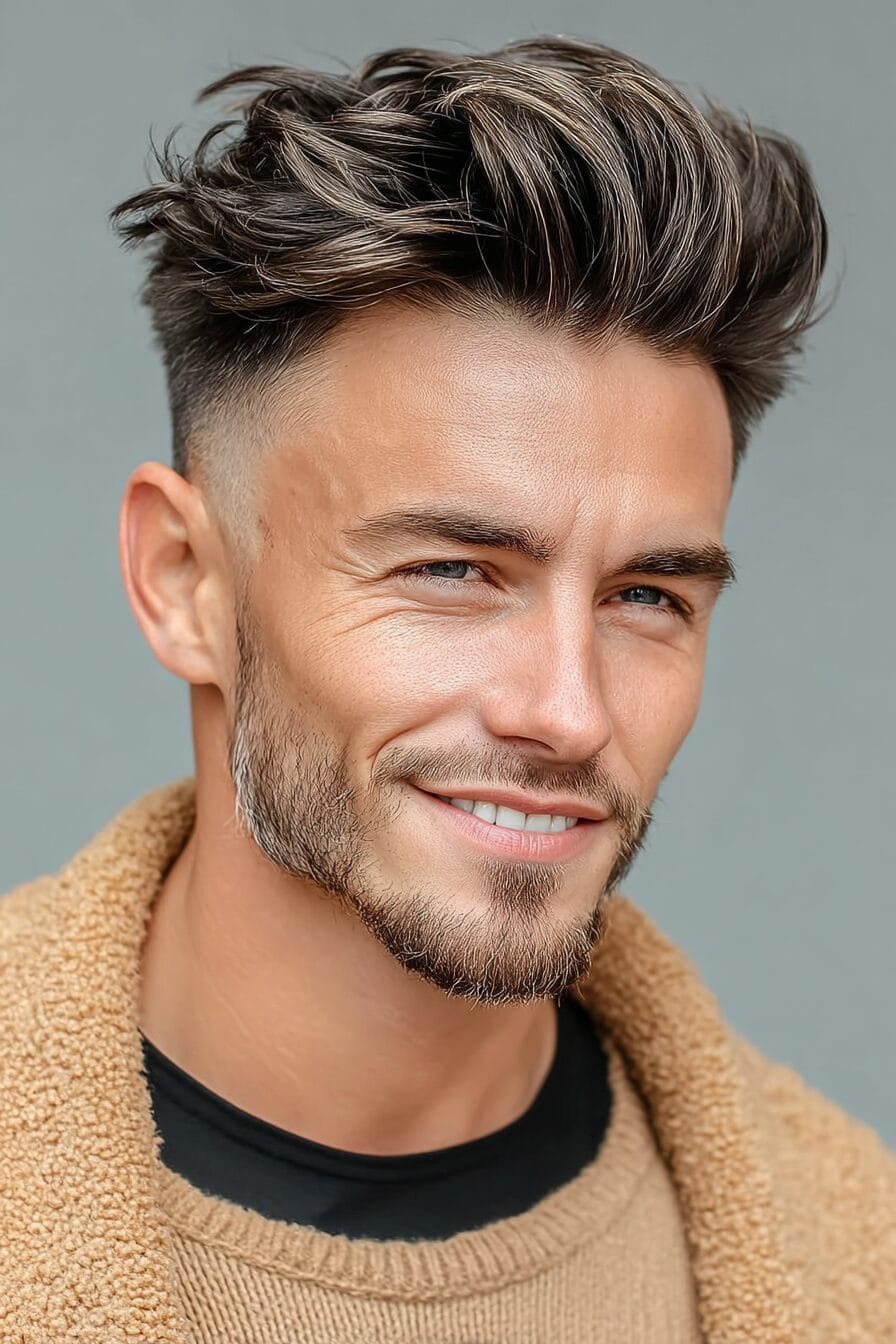
Patchy Beard Style
Working with patchy growth means choosing styles that maximize existing coverage while minimizing thin areas. Shorter lengths like heavy stubble or strategic styles like goatees work best with uneven density.
Creative shaping can incorporate patches into the design rather than fighting them. The key is embracing your natural growth pattern rather than forcing incompatible styles.

Curly Beard Look
Curly beards create natural volume and texture that straight beards can’t match. This hair type benefits from leave-in conditioners and careful detangling to prevent knotting.
The curls add automatic character but require extra moisture to prevent frizz. Curly beards often appear shorter than they actually are, requiring extra growth time to achieve desired visual length.
Straight Beard Style
Straight beard hair grows downward naturally, creating sleek, elongated appearance with minimal effort. This texture allows for precise shaping and holds geometric styles particularly well.
Daily brushing trains hair direction while beard balm provides light hold. Straight beards show length more accurately than curly varieties, reaching impressive lengths with proper care.

Asian Beard Styles
Asian beard styles often work with naturally straighter, sparser growth patterns common in East Asian genetics. Popular options include carefully groomed goatees, chin straps, and artistic Van Dyke variations.
These styles maximize impact through strategic placement rather than relying on density. Modern Asian beard trends embrace natural growth patterns, creating unique looks that complement facial features rather than fighting genetics.
Black Men’s Beard Styles
Black men’s beards often feature coarser, curlier texture requiring specialized care and styling approaches. Popular styles include lined-up beards with razor-sharp edges, full beards with perfect shape-ups, and textured goatees.
Regular moisturizing prevents ash and breakage common with this hair type. Professional barbers skilled in ethnic hair create intricate designs and fades that enhance natural texture.
Teen Beard Options
Teen beards typically start with patchy, uneven growth that improves with age and patience. Suitable starter styles include light stubble, chin straps, or small goatees that work with developing facial hair.
Avoiding overly ambitious styles prevents disappointment while follicles mature. Most teens benefit from keeping facial hair shorter until growth patterns fully establish, usually by early twenties.
Mature Gentleman’s Beard
The mature gentleman’s beard embraces distinguished gray tones with refined, shorter styling that projects wisdom and sophistication. This polished approach typically maintains 0.5-2 inches of well-groomed length.
Silver beards benefit from purple-toned beard products that prevent yellowing. The mature beard proves that age enhances rather than diminishes masculine facial hair appeal.
Natural Rugged Beard
The natural rugged beard follows organic growth patterns with minimal intervention beyond basic maintenance. This authentic style embraces individual texture and density without forcing specific shapes.
Weekly washing and oiling keeps hair healthy while preserving its wild character. The rugged beard particularly suits outdoorsmen and those preferring low-maintenance grooming routines that still look intentionally stylish.
🎬 Top 10 Men's Facial Hair Styles (2026) EVERY Man Should Know
Garibaldi Beard
The Garibaldi beard combines a wide, rounded bottom with a neat mustache, named after Italian general Giuseppe Garibaldi. It’s essentially a full beard grown to about 6-8 inches but shaped with a rounded base rather than left to grow wild.
This is one of my favorite styles to recommend for guys with naturally thick growth who want a full beard without the lumberjack look. The rounded shaping keeps it refined while the length gives it serious presence. Monthly trims to maintain the rounded silhouette are all it needs.
Mutton Chops Style
Mutton chops are thick sideburns that extend down the cheeks to the jawline, with the chin left clean-shaven. This distinctive vintage style creates a bold frame around the face that’s impossible to ignore.
I’ll be honest — not many guys can pull this off, but when they can, it’s unforgettable. Mutton chops work best on men with strong jawlines and oval or rectangular faces. The “friendly” variation connects the chops to a mustache, which gives a slightly more approachable look.
FAQs: Types Of Beards
What type of beard is most attractive?
Heavy stubble consistently ranks as most attractive in studies, offering masculine definition without overwhelming coverage. The 5-day growth sweet spot provides rugged appeal while remaining approachable and kissable.
However, attraction remains highly personal—some prefer clean-shaven, others love full beards. The most attractive beard is ultimately one that’s well-maintained, suits your face shape, and makes you feel confident. Regular grooming matters more than specific style choice.
How do I know which beard style suits me?
Start by identifying your face shape in a mirror—oval, round, square, rectangular, or triangular. Then consider your beard’s natural growth density and pattern.
Round faces benefit from longer, angular styles, while square faces suit fuller, rounded beards. Work with your growth patterns rather than against them—patchy cheeks might mean a goatee works better than a full beard. Experiment with different lengths and shapes, taking photos to compare what enhances your features best.
What’s the easiest beard style to maintain?
Stubble remains the lowest-maintenance option, requiring only trimming every 2-3 days with an electric trimmer. Short boxed beards offer more coverage while needing just weekly edge cleanup.
Any style under one inch generally requires minimal daily care beyond basic washing. The key to easy maintenance is choosing a style that follows your natural growth patterns. Avoid intricate shapes or disconnected styles if you prefer quick morning routines.
Can I grow a full beard with patchy facial hair?
Patchy beards can achieve fuller appearance through strategic length and styling. Growing beard hair longer helps coverage gaps become less noticeable as surrounding hair fills spaces.
Many patches fill in naturally with age—most men see improved density through their twenties and thirties. If patches persist, consider styles that work with your growth like goatees, Van Dykes, or strategic stubble. Minoxidil and derma rolling might stimulate growth, though results vary significantly between individuals.
How long does it take to grow different beard types?
Beard growth averages 0.5 inches monthly, though genetics create significant variation. Stubble appears within days, while a short beard requires 4-6 weeks.
Full beards need 2-4 months, and longer styles like Viking or Bandholz beards demand 6-12 months minimum. Terminal length varies per person—some achieve chest-length beards, others plateau earlier. Proper nutrition, sleep, and beard care optimize growth rate, though patience remains the primary requirement for impressive beards.
What are short beard styles called?
Short beard styles include stubble (1-3mm), heavy stubble (4-5mm), the short boxed beard (trimmed to follow the jawline), and the corporate beard (a neat, professional length kept under 1 inch). The beardstache — a full mustache with shorter surrounding stubble — is also technically a short beard style and has been trending heavily in recent years.
Was this article helpful?
Find Your Perfect Beard Style
You’ve seen the options. Now find the one that actually suits YOUR face shape and growth pattern.

Khamis Maiouf is a professional barber who graduated from Hinckley College in England with a Level 3 qualification in hairdressing. With over 20 years of experience, he is an award-winning barber who has mentored numerous students and styled thousands of clients. A recognised expert featured on StyleCraze (20M+ readers).
Credentials: Level 3 Hairdressing (Hinckley College, UK) • 20+ Years Professional Experience • Featured Expert on StyleCraze • Founder of Book of Barbering