
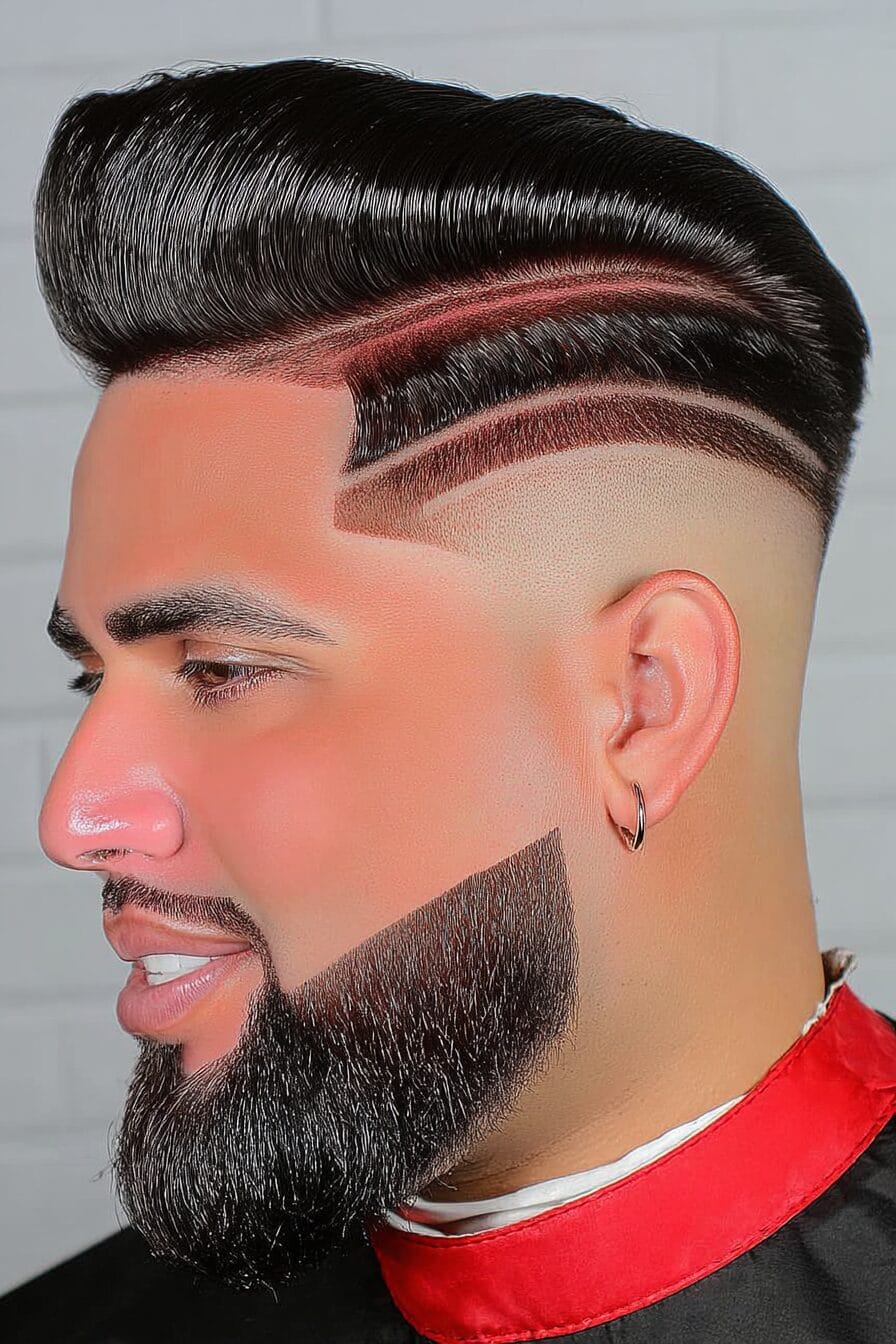
Most guys who sit in my chair asking for a bushy beard have the same fear: “Won’t it just look messy?” After shaping thousands of bushy beards over 20+ years, I can tell you the difference between messy and intentionally rugged comes down to three things—neckline definition, the right products, and knowing when to leave the scissors alone.
A bushy beard is the boldest style in the beard world. It’s maximum volume, maximum density, and when done right, maximum impact. Below are 35 bushy beard styles I’ve fit to clients of every face shape, plus the grooming routine that keeps them looking deliberate instead of neglected.
Key Takeaways
- A bushy beard is defined by maximum density and volume with minimal sculpting—it takes 3–4 months of growth to establish the base
- The biggest mistake is trimming too early. Let the beard grow for at least 8–12 weeks before shaping the outline
- Bushy beards work best on oval and rectangular face shapes, but round and square faces can pull them off with the right variation
- Daily beard oil and weekly deep conditioning are non-negotiable—a dry bushy beard looks wiry, not rugged
- There are 35+ bushy beard variations from groomed professional styles to wild lumberjack looks—your face shape and lifestyle determine the best fit
What Is A Bushy Beard?
A bushy beard is characterized by maximum density and volume throughout the entire beard area.

How To Grow A Bushy Beard
Growing a bushy beard requires patience and strategic grooming techniques. Start by avoiding any trimming for the first 2-3 months to establish your base volume.
Focus on beard oils and balms to encourage healthy growth while preventing brittleness. Once you’ve achieved decent length, trim only the stragglers while maintaining overall bulk. Regular brushing with a boar bristle brush trains hair to grow outward, enhancing that bushy appearance naturally.

Best Products For Bushy Beards
Managing a bushy beard demands heavy-duty grooming products designed for maximum hold and conditioning. Quality beard balms provide structure without eliminating natural texture, while thick beard oils penetrate dense growth to moisturize skin underneath.
A wide-tooth comb handles daily detangling, and sea salt spray adds texture for extra volume. Weekly deep conditioning masks prevent the dryness that often plagues thicker beards, keeping your bushy style soft and manageable.

Face Shapes For Bushy Beard Styles
Bushy beards work exceptionally well with angular and elongated face shapes that can handle the added width. Rectangular and oval faces benefit most, as the volume balances their natural proportions perfectly.
Round faces should proceed cautiously, keeping sides slightly trimmer to avoid excessive width. Square faces can rock a full bushy style by maintaining length over width. The beauty of bushy beards is their adaptability—you can adjust the shape while maintaining that signature voluminous texture.

Bushy Beard Maintenance Routine
Growing a bushy beard is the easy part. Keeping it looking intentional instead of abandoned? That’s where most guys drop the ball. Here’s the weekly routine I give every client who’s committed to the bushy life.
Daily
Apply 4–6 drops of beard oil after showering while hair is damp. Brush through with a boar bristle brush—this distributes oil evenly and trains hairs to lay in the same direction. Even a wild bushy beard needs direction, or it just looks neglected.
Every 2–3 Days
Wash with a dedicated beard shampoo (not head shampoo—it strips natural oils). Follow with beard conditioner and leave it in for 2–3 minutes before rinsing. This keeps the hair soft enough to manage without losing that thick, dense texture.
Weekly
Do a deep conditioning treatment with beard balm or a natural softening method like coconut oil. Apply generously, comb through, and leave for 15–20 minutes before washing out. This is what separates a beard that people want to touch from one that looks like steel wool.
Every 2–3 Weeks
Trim the neckline and cheek line only. Do NOT trim the body of the beard. The whole point of a bushy beard is volume—if you’re trimming the length, you’re fighting the style instead of working with it. Clean edges, full body. That’s the formula.
Short Bushy Beard
The short bushy beard packs maximum density into a compact 1-2 inch length. This style offers the fullness of a bushy beard without the commitment of longer styles.
Perfect for professionals who want texture without looking unkempt, it requires trimming every 2-3 weeks to maintain shape. The key is keeping the density while preventing overgrowth, creating a controlled yet voluminous appearance that works in any setting.

Medium Length Bushy Beard
A medium length bushy beard hits the sweet spot at 3-5 inches, offering substantial volume without becoming unwieldy. This versatile length allows for natural texture to shine while remaining manageable with daily grooming.
Most men find this length ideal for showcasing their beard’s natural density without dealing with excessive tangling. Regular conditioning and weekly shaping keep this style looking intentionally bushy rather than neglected.

Long Bushy Beard Style
The long bushy beard extends beyond 6 inches, creating an impressive cascade of facial hair. This commitment-level style requires dedicated maintenance to prevent matting and maintain health throughout the length.
Daily oiling becomes essential, as does regular deep conditioning to prevent split ends. Men with naturally dense growth patterns excel with this style, as the length amplifies their beard’s inherent volume into something truly commanding.

Extra Thick Bushy Beard
The extra thick bushy beard maximizes both density and coverage for the ultimate voluminous look. This style works exclusively for men blessed with exceptionally dense follicle distribution—typically those who struggle to see skin through their stubble.
The thickness requires heavy-hold balms to maintain any semblance of shape. Despite the maintenance challenges, this beard style commands attention and respect wherever it goes, embodying peak masculine presence.

Natural Bushy Beard
The natural bushy beard embraces your facial hair’s authentic growth pattern with minimal intervention. Rather than forcing a specific shape, this style celebrates organic texture and direction.
Maintenance focuses on health rather than sculpting—regular oiling, occasional trimming of damaged ends, and gentle brushing. This approach works particularly well for men with wavy or curly hair that naturally creates volume without effort.

Rounded Bushy Beard
A rounded bushy beard features a curved bottom edge that softens the overall appearance while maintaining fullness. This shape complements round and heart-shaped faces by adding length without harsh angles.
The rounded silhouette requires careful trimming every 2-3 weeks to maintain the curve while preserving volume. This friendlier take on the bushy beard works excellently in professional environments where a softer aesthetic is preferred.

Square Bushy Beard Style
The square bushy beard combines volume with angular precision at the bottom edge. This structured approach to bushiness creates a powerful, masculine silhouette that emphasizes jawline strength.
The square shape requires more frequent maintenance than rounded styles, with weekly edge touch-ups essential. This style particularly suits men with softer facial features who want to add definition while maintaining impressive beard volume.

Bushy Beard With Handlebar Mustache
Pairing a bushy beard with a handlebar mustache creates vintage gentleman vibes with modern volume. The contrast between the styled mustache ends and natural beard texture adds sophisticated interest.
This combination requires dual maintenance approaches—wax for the mustache, balm for the beard. The handlebar’s curves complement the beard’s fullness, creating a balanced look that turns heads. Perfect for men who appreciate classic styling with contemporary fullness.

Wild Bushy Beard
The wild bushy beard throws grooming rules aside for maximum untamed volume. This style celebrates natural chaos, with hair growing in every direction without restriction.
While it appears low-maintenance, healthy wild beards still need regular oiling to prevent damage. The key is finding the balance between genuinely wild and completely neglected. This bold choice suits creative types and outdoor enthusiasts who value authenticity over convention.

Bushy Beard With Fade
Combining a bushy beard with a fade creates striking contrast between clean sides and voluminous facial hair. The fade’s precision highlights the beard’s natural texture, making the bushiness appear even more dramatic.
This modern combination requires regular barber visits to maintain the fade while allowing the beard to grow freely. The juxtaposition of controlled and wild elements makes this style particularly popular among younger beard enthusiasts.

Full Bushy Beard
The full bushy beard provides complete facial coverage with maximum volume throughout. From sideburns to neck, every area maintains substantial density and length.
This comprehensive style requires at least 4-6 months of dedicated growth and works best with naturally thick hair. Daily brushing distributes natural oils while preventing tangling. The full bushy beard remains the gold standard for men seeking ultimate beard presence.

Bushy Beard With Chevron Mustache
A bushy beard paired with a chevron mustache creates balanced facial hair harmony. The chevron’s thick, downward-angled shape complements the beard’s volume without competing for attention.
This classic combination works particularly well for men with strong upper lip growth who want cohesive fullness. The chevron requires less daily maintenance than styled mustaches, making it perfect for the bushy beard’s natural aesthetic.

Curly Bushy Beard
The curly bushy beard transforms natural curl patterns into extraordinary volume. Curly hair creates automatic bushiness, often requiring less length to achieve impressive fullness.
Managing this style means embracing the curls rather than fighting them—using curl-specific beard products and avoiding over-brushing. The natural spring in curly hair adds dimension and movement that straight beards can’t replicate. This texture works exceptionally well with longer bushy styles.

Straight Bushy Beard Style
A straight bushy beard achieves volume through sheer density rather than texture. Men with straight facial hair need more length to create bushiness, as the hair naturally falls downward.
Regular brushing outward while blow-drying can add volume to straight hair. This style benefits from texturizing products like sea salt spray to create grip and prevent the beard from lying too flat against the face.

Bushy Beard With Taper
The bushy beard with taper gradually reduces volume from maximum fullness to neat edges. This transitional style maintains bushiness in the main beard area while tapering at the sideburns and neckline for a cleaner appearance.
The gradual reduction creates a more polished look suitable for professional settings. This approach allows you to enjoy bushy beard benefits while maintaining some structure and definition around the edges.

Salt and Pepper Bushy Style
The salt and pepper bushy beard showcases natural gray patterns within voluminous growth. The color variation adds visual depth that makes bushiness appear even more impressive.
This distinguished style requires quality beard oil to keep both dark and gray hairs healthy and lustrous. Many mature men grow out bushy beards specifically to display their natural coloring. The contrast creates sophisticated dimension that younger beards simply cannot achieve.

Bushy Viking Beard
The bushy Viking beard combines warrior length with untamed volume for ultimate Norse aesthetics. This style requires at least 6-8 months of growth to achieve authentic Viking proportions.
The bushiness adds to the savage appeal, creating an imposing presence that commands respect. Optional braiding or beading can add authentic touches while managing the volume. This powerful style suits men ready to fully commit to their facial hair journey.

Textured Bushy Beard
A textured bushy beard emphasizes natural hair variations throughout the growth. Different lengths and directions create visual interest beyond simple volume.
This style works particularly well for men with combination hair types—some straight, some wavy areas. Texturizing techniques like point cutting add intentional variation while maintaining overall bushiness. The result is a dynamic beard that looks different from every angle.
Bushy Beard With Man Bun
Pairing a bushy beard with a man bun creates the ultimate masculine combination. The pulled-back hair emphasizes the beard’s volume while maintaining a put-together appearance.
This style requires commitment to growing both head and facial hair, typically taking 8-12 months to achieve properly. The contrast between controlled hair and bushy beard creates an intentionally rugged aesthetic that’s currently dominating men’s style trends.

Dense Bushy Beard
The dense bushy beard maximizes follicle concentration for impenetrable facial coverage. This style only works for men with exceptionally thick growth patterns—those whose beards grow so densely that individual hairs become indistinguishable.
The density creates natural volume without needing excessive length. Managing this thickness requires strong-hold products and regular thinning to prevent the beard from becoming too heavy or uncomfortable.

Bushy Beard With Soul Patch
A bushy beard with defined soul patch creates strategic negative space for visual interest. The small patch of hair below the lower lip stands out against the surrounding fullness, adding personality to the overall style.
This combination works well for men who want to break up solid bushiness without major grooming commitment. The soul patch requires minimal maintenance while the beard grows freely around it.

Rugged Bushy Style
The rugged bushy style embraces weathered, outdoorsy aesthetics with controlled chaos. This beard looks like it’s been through adventures—slightly uneven, naturally textured, but fundamentally healthy.
The ruggedness comes from allowing natural growth patterns while maintaining basic hygiene and conditioning. Perfect for men who spend time outdoors or want to project that lifestyle. This style proves that bushy beards can look intentionally rough rather than simply unkempt.

Bushy Beard With Undercut
Combining a bushy beard with an undercut creates maximum contrast between top and bottom. The undercut’s severe lines emphasize the beard’s natural texture and volume.
Not sure what your face shape is? Our Face Shape Detector figures it out in 4 quick questions.
This bold combination requires regular barber maintenance for the haircut while the beard grows freely. The stark difference between precise hair styling and bushy beard creates an edgy aesthetic that’s popular in urban settings. This style makes a statement about controlled rebellion.

Wide Bushy Beard
The wide bushy beard extends horizontally for maximum width rather than focusing on length. This style creates an imposing frame around the face, ideal for men with narrow features seeking balance.
Achieving width requires training hair to grow outward through brushing and styling techniques. The wide silhouette works particularly well with shorter beard lengths where width won’t become unmanageable. This dramatic style commands space and attention.

Bushy Lumberjack Beard
The bushy lumberjack beard epitomizes woodsman masculinity with full, natural growth. This classic style requires 4-6 months minimum to achieve proper lumberjack status.
The bushiness adds authenticity to the outdoor aesthetic, suggesting a man more concerned with function than form. Despite its rugged appearance, modern lumberjack beards benefit from quality oils and balms to maintain health. This timeless style continues trending among men seeking genuine masculine expression.

Groomed Bushy Beard
The groomed bushy beard maintains volume with visible care and attention. This paradoxical style keeps natural fullness while showing clear grooming efforts through defined edges and healthy shine.
Daily brushing, regular oiling, and monthly professional shaping create this balanced look. Perfect for men who love bushy beard volume but need to maintain professional appearances. The key is preserving texture while eliminating any truly wild elements.

Bushy Beard With Horseshoe Mustache
A bushy beard paired with a horseshoe mustache creates bold biker aesthetics. The horseshoe’s downward extensions blend seamlessly into the beard’s volume, creating continuous coverage around the mouth.
This powerful combination suits men with strong facial features who aren’t afraid of making statements. The horseshoe requires regular trimming to maintain its distinctive shape while the beard grows freely. This style projects confidence and nonconformity.

Pointed Bushy Beard
The pointed bushy beard maintains fullness while tapering to a defined point at the bottom. This shape adds sophistication to natural volume, creating a more intentional appearance than rounded styles.
Achieving the point requires careful trimming while preserving side volume. The angular bottom elongates the face, making it ideal for round or square face shapes. This style bridges the gap between wild bushiness and sculpted precision.

Bushy Garibaldi Style
The bushy Garibaldi combines Italian elegance with natural volume in a wide, rounded shape. This style typically measures 6-8 inches with maximum fullness at the bottom, creating a distinctive bell shape.
The Garibaldi’s charm lies in its controlled wildness—bushy but never messy. Regular shaping maintains the rounded bottom while allowing natural texture throughout. This sophisticated take on bushiness suits men wanting volume with Old World character.

Professional Bushy Beard
The professional bushy beard proves that volume and office-appropriateness can coexist. This style maintains natural fullness while keeping edges sharp and length controlled.
The key is impeccable grooming—daily conditioning, weekly edge trimming, and consistent styling. Professional bushy beards typically stay under 3 inches to prevent looking unkempt. This style allows beard enthusiasts to express themselves while respecting workplace expectations.

Bushy Beard With Braids
Adding braids to a bushy beard creates Viking-inspired texture control. Single or multiple braids can be woven through the bushiest sections, managing volume while adding decorative elements.
This style requires at least 4-6 inches of length for proper braiding. The braids can be subtle or elaborate, with optional beads or rings for authentic Norse vibes. This creative approach turns excessive bushiness into an intentional style statement.

Heavy Bushy Style
The heavy bushy style embraces maximum weight and density for the ultimate beard presence. This style isn’t just thick—it’s substantially heavy, requiring neck strength and dedication to maintain.
The weight comes from combining length with exceptional density, creating a beard that moves as one solid mass. Managing this level of bushiness requires industrial-strength products and patience. Only the most committed beard enthusiasts should attempt this imposing style.

Bushy Ducktail Beard
The bushy ducktail maintains volume while shaping into a distinctive pointed bottom. This refined take on bushiness combines fullness at the top with a tapered point below, resembling a duck’s tail.
The style requires skilled trimming to achieve the signature shape while preserving natural texture. The ducktail’s elegance makes bushy beards more approachable for formal occasions. This versatile style bridges casual and sophisticated aesthetics perfectly.

Common Bushy Beard Problems (And How to Fix Them)
Every bushy beard goes through rough patches. Here are the problems I see most often and the fixes that actually work.
The Itch Phase
Weeks 2–4 are when most guys quit. The hair curls back and pokes the skin, and it feels unbearable. The fix: beard oil twice daily during this phase, and resist the urge to scratch aggressively. A soft boar bristle brush helps redirect the hairs away from skin. Push through this phase and the itching stops completely once hairs reach about an inch.
Uneven Growth
One side growing faster than the other is completely normal—I’d say 80% of my clients have asymmetric growth. The solution is patience, not trimming the longer side down. Let both sides grow for 3 months, then shape to even them out. Trimming early just delays the process.
Bed Beard
Waking up with your beard smashed flat on one side and wild on the other is the bushy beard tax. The fix takes 60 seconds: dampen the beard with warm water, apply a small amount of beard balm, and brush into shape. Some guys use a satin pillowcase during the growth stages—it reduces friction and keeps the shape better overnight.
Food and Debris
A longer bushy beard catches everything. Keep a small beard comb in your pocket and do a quick pass after meals. For mustache interference, either train the hairs to the sides with balm or keep the mustache trimmed just above the lip line. It’s a small trade-off for the overall look.
Coarse Bushy Beard
The coarse bushy beard celebrates wiry, thick hair texture that naturally creates volume. Men with coarse facial hair achieve bushiness effortlessly, as each hair stands away from the face.
This texture requires heavy moisturizing to prevent brittleness and maintain comfort. Regular deep conditioning treatments keep coarse hair manageable while preserving its natural volume-creating properties. This style proves that texture matters as much as length for achieving impressive bushiness.


🎬 7 Essential Beard Styles Every Real Man NEEDS To Know
FAQs: Bushy Beard Styles
How long does it take to grow a bushy beard?
Growing a proper bushy beard typically requires 3-6 months of dedicated growth. Most men achieve noticeable bushiness around the 3-month mark, while truly impressive volume takes 6 months or longer.
Genetics play a crucial role—men with naturally dense growth patterns achieve bushiness faster than those with sparser coverage. Regular conditioning with beard oils and balms throughout the growing process ensures healthy development and prevents brittleness that could slow progress.
What products help control a bushy beard?
Managing a bushy beard requires heavy-duty styling products designed for maximum hold and conditioning. Quality beard balms with beeswax provide structure without eliminating natural texture.
Thick beard oils penetrate dense growth to moisturize both hair and skin. A boar bristle brush helps distribute products evenly while training hair direction. Weekly deep conditioning masks prevent the dryness common in thicker beards, while sea salt sprays add texture and control without heaviness.
How often should I trim my bushy beard?
Bushy beards benefit from monthly maintenance trims to remove split ends and maintain shape without sacrificing volume. Focus on trimming damaged ends rather than reducing overall length.
Weekly edge touch-ups keep the perimeter neat while preserving bushiness in the main beard area. The goal is maintaining health and intentional shape rather than reducing volume. Over-trimming defeats the purpose of a bushy beard, so err on the side of less frequent maintenance.
Can thin facial hair grow into a bushy beard?
Men with naturally thin facial hair can achieve relative bushiness through strategic growing techniques. While you can’t change follicle density, maximizing what you have through proper nutrition, beard growth supplements, and patience can improve fullness.
Growing longer length creates more coverage even with fewer follicles. Texturizing products and blow-drying techniques add volume to thinner beards. The key is working with your natural growth pattern rather than fighting against genetic limitations.
What face shapes suit bushy beards best?
Bushy beards work exceptionally well with oval and rectangular face shapes that can handle added width without looking disproportionate. Long faces benefit from the horizontal volume that bushiness provides, creating better balance.
Square faces should maintain slightly less width at the sides while keeping length for proportion. Round faces need careful consideration—keeping sides trimmer while maintaining bushiness at the chin can add length without excessive width. The versatility of bushy beards means most face shapes can find a variation that works.
Is a bushy beard attractive?
Bushy beards are consistently rated as one of the most masculine and attractive facial hair styles. Research shows that fuller beards signal maturity, health, and confidence. The key factor is grooming—a well-maintained bushy beard with defined edges reads as intentionally rugged, while an unkempt one reads as lazy. Daily beard oil, a clean neckline, and regular brushing are what separate an attractive bushy beard from an accidental one.
What is the difference between a bushy beard and a full beard?
A full beard means complete facial hair coverage—hair on the cheeks, chin, jawline, and mustache with no gaps. A bushy beard is a full beard turned up to maximum volume. It’s thicker, denser, and deliberately less sculpted. Think of a full beard as the foundation and a bushy beard as the amplified version. You need a full beard first before you can grow it into a bushy style, which typically requires 3–4 additional months of growth beyond the full beard stage.
Was this article helpful?
Find Your Perfect Beard Style
You’ve seen the options. Now find the one that actually suits YOUR face shape and growth pattern.

Khamis Maiouf is a professional barber who graduated from Hinckley College in England with a Level 3 qualification in hairdressing. With over 20 years of experience, he is an award-winning barber who has mentored numerous students and styled thousands of clients. A recognised expert featured on StyleCraze (20M+ readers).
Credentials: Level 3 Hairdressing (Hinckley College, UK) • 20+ Years Professional Experience • Featured Expert on StyleCraze • Founder of Book of Barbering