

This is the question I get asked most in my chair — “What’s the difference between a taper and a fade?” After 20+ years of cutting both, I can tell you the answer is simpler than most people make it sound. Here’s the honest breakdown.
- A taper gradually reduces hair length while keeping some length everywhere; a fade blends down to skin
- Tapers are more conservative and professional — ideal for corporate environments
- Fades are bolder, higher contrast, and need more frequent maintenance
- You can combine both — a “taper fade” uses fade technique within a taper framework
- Tapers last 3-4 weeks between cuts; fades need touch-ups every 1-2 weeks
Most guys walk into barbershops confused about which cut actually suits their lifestyle.
Your barber sees this confusion daily—especially when clients point at fade photos but ask for tapers.
Not sure which style suits you best? Our Haircut Finder Quiz matches you with the right cut based on your face shape and hair type — takes 60 seconds.
Not sure which cut is right for you? Try our free Haircut Finder tool — answer 5 quick questions and get personalised recommendations with barber instructions.
Master these distinctions now, and you’ll communicate like a pro at your next appointment.
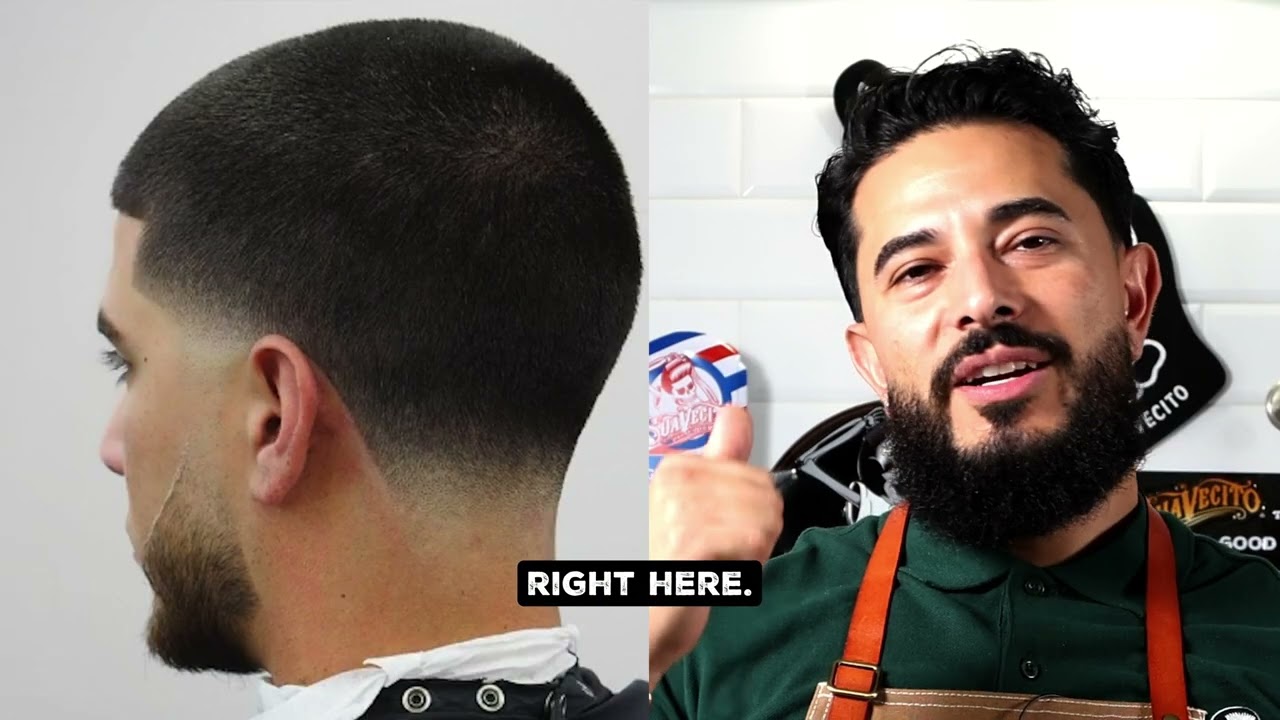
Taper Vs Fade: The Core Differences
A taper gradually reduces hair length from top to bottom while maintaining visible hair throughout. The fade, however, blends hair down to skin level for that ultra-clean finish.
Think of tapers as the conservative cousin—professional, subtle, and forgiving between cuts. Fades demand precision and frequent maintenance but deliver that sharp, modern edge that turns heads.

Classic Taper Cuts: Timeless Sophistication
Traditional tapers have dominated professional settings for decades because they strike the perfect balance. These cuts maintain enough length to style while keeping edges crisp and clean.
Your grandfather probably rocked a version of these styles. They’ve survived fashion cycles because they work with virtually any dress code or age group.

The Business Taper
The business taper starts with scissors on top, leaving 2-3 inches for versatile styling options. Sides gradually decrease from a #4 guard to #2 at the ears.
This cut screams boardroom confidence without looking too aggressive. Perfect for client meetings where first impressions matter but creative expression takes a backseat.

Conservative Taper Back
The back taper focuses on cleaning the neckline without dramatic length changes above it. Guards transition smoothly from #3 to #1.5 at the natural hairline.
Many professionals prefer this because it grows out gracefully. You won’t get that awkward fuzzy neck situation between appointments.

Natural Taper Neckline
Natural necklines follow your hair‘s growth pattern rather than creating artificial squared or rounded shapes. The taper blends seamlessly into your natural hairline without harsh lines.
Barbers love this approach for clients with cowlicks or irregular growth patterns. It ages better than blocked necklines that require constant maintenance.

Modern Fade Variations: Bold And Fresh
Fades revolutionized barbering by pushing blending techniques to artistic levels. These cuts demand skilled hands and sharp eyes to execute properly.
Each fade type creates distinct visual impact through strategic placement of the blend point. Your face shape and personal style determine which variation suits you best.
A perfectly executed fade should transition so smoothly that you can’t identify where one length ends and another begins.
Low Skin Fade
Low skin fades start the blend just above the ears, keeping most length intact. The skin exposure stays minimal—usually an inch or less above the ear.
Conservative enough for most workplaces yet modern enough to feel current. This fade grows out slower than higher variations, extending time between cuts.

Mid Fade Classic
Mid fades begin their blend at temple level, creating balanced proportions for most face shapes. The transition zone sits right at the widest part of your head.
This placement works magic for round faces by adding vertical emphasis. Square faces benefit from the softer transition that doesn’t emphasize angular features.
High And Tight Fade
Military-inspired high fades start blending near the crown, leaving minimal hair on sides. The dramatic contrast between top and sides creates bold definition.
Athletes and fitness enthusiasts gravitate toward this no-nonsense style. Maintenance becomes crucial since any growth instantly shows.

Drop Fade Contour
Drop fades arc behind the ear rather than maintaining a straight line across. This curved approach follows your head’s natural shape for an organic flow.
The dropping motion creates an elongating effect that flatters shorter necks. Pair with longer tops for maximum contrast and visual interest.
Length Gradients: How Each Technique Works
Understanding gradient mechanics helps you predict how cuts will grow and evolve. Both techniques manipulate length, but their approaches differ fundamentally in execution.
Clipper work determines whether you get a taper or fade. The key lies in how aggressively your barber reduces length and where they stop.
- Taper: Maintains hair visibility throughout the gradient
- Fade: Reduces to skin at some point
- Blend zone: Where magic happens in both cuts
- Guard selection: Determines gradient smoothness
Maintenance Requirements: Real Talk
Maintenance separates the committed from the casual when choosing between tapers and fades. Your schedule and budget should factor heavily into this decision.
Both cuts demand upkeep, but fades punish neglect more obviously. Consider your realistic commitment level before choosing.
- Taper: Forgives 1-2 weeks of growth
- Fade: Shows growth within days
- Touch-ups: Fades need 2x more frequently
- Cost: Fades mean double the annual barbershop spending
- Home care: Both need daily styling attention
🧠 Expert Advice
Book standing appointments every 2 weeks for fades or 3-4 weeks for tapers. Consistent scheduling maintains your look and builds rapport with your barber. Most shops offer loyalty discounts for regular clients—ask about package deals that reduce per-cut costs.
Taper Touch-Ups: Every 3-4 Weeks
Tapers grow out gracefully, maintaining acceptable shape for nearly a month. Week three starts showing neck fuzz, but overall structure remains intact.
Budget-conscious guys appreciate this flexibility. Missing an appointment won’t result in immediate style disaster.

Fade Freshness: Every 2 Weeks
Fades demand bi-weekly attention to maintain that fresh-cut crispness. By day ten, regrowth becomes noticeable, especially with dark hair against pale skin.
Some perfectionist clients visit weekly for lineup touch-ups. This commitment adds up financially but keeps you camera-ready constantly.

Home Care Between Cuts
Daily styling makes or breaks both cuts between professional maintenance. Invest in quality products that work with your specific texture and style.
Morning routines should take 5-10 minutes maximum. Complicated styling requirements indicate the wrong cut for your lifestyle.
Not sure what your face shape is? Our Face Shape Detector figures it out in 4 quick questions.

Barber Shop Communication Tips
Clear communication prevents haircut disasters and ensures satisfaction. Most bad cuts result from miscommunication, not poor skills.
Prepare before your appointment with reference photos and specific terminology. Your barber appreciates clients who know what they want.
The best haircut conversations happen before any cutting begins. Speak up early and often.

Reference Photos That Work
Bring 3-4 photos showing different angles of your desired style. Include front, side, and back views for complete visualization.
Choose photos of people with similar hair texture and face shapes. That fade on curly hair won’t translate to your straight locks.

Guard Number Language
Learn basic guard numbers to communicate length preferences precisely. Saying “short but not too short” means nothing; “#2 on sides” means everything.
Ask to see guards if uncertain about lengths. Most barbers happily show physical guards for comparison.

Describing Your Ideal Blend
Use anatomical landmarks when describing blend placement: “Start the fade at my temple” beats “make it medium-high.” Point to exact spots on your head.
Describe whether you want gradual or dramatic transitions. Some guys love stark contrasts while others prefer subtle gradation.

Asking About Maintenance
Discuss realistic maintenance expectations before committing to any cut. Ask how often you’ll need touch-ups and what home care involves.
Good barbers explain how cuts grow out and suggest booking schedules. They want you looking fresh, not shaggy.

Cost Comparison: Budget Reality Check
Haircut costs extend beyond the initial service price. Factor in frequency, products, and tips when budgeting.
Fades typically cost more per service and require double the visits. Your annual grooming budget might surprise you.
Basic Taper Pricing
Standard taper cuts range from $25-45 depending on location and shop quality. The straightforward technique takes 30-40 minutes for experienced barbers.
Monthly visits at $35 average equals $420 annually. Add tips and products for realistic total costs.

Detailed Fade Premium
Quality fades command $35-65 due to increased complexity and time requirements. Intricate fades might take an hour or more.
Bi-weekly $45 fades plus tips approach $1,300 yearly. That’s serious money for hair maintenance.
Ready to Find Your Perfect Cut?
You’ve read about the styles. Now find the one that fits YOUR face shape, hair type, and lifestyle.
FAQs
Can I Get A Taper And Fade In The Same Haircut?
Yes, combination cuts like taper-fades blend both techniques seamlessly. You might fade the sides while tapering the back, or start with fade heights then taper the upper portions. Skilled barbers create custom combinations based on your preferences.
Which Style Makes Hair Look Thicker?
Tapers generally create fuller appearance since they maintain visible hair throughout. Low fades can also preserve density while adding clean edges. High skin fades might emphasize thinning by creating stark contrast between skin and hair.
How Do I Know If My Barber Did A Good Taper Or Fade?
Quality shows in smooth transitions without visible lines between lengths. Run your hand up the blend—it should feel gradual without steps.
Check symmetry by comparing both sides in mirrors. Perfect fades look airbrushed.
What’s The Difference Between A Taper Fade And Regular Fade?
Taper fades combine techniques—starting with skin-level fading before transitioning to taper-style graduation higher up. Regular fades maintain aggressive reduction throughout. Think of taper fades as fades with taper endings versus pure fades that stay dramatic.
Explore More Fade Styles
Fade Haircuts (Complete Guide)
Low Fade
High Fade
Mid Fade
Skin Fade
Drop Fade
Taper Fade
Low Fade for Black Men
Blonde Low Fade
Low Fade Designs
Short Hair + Low Fade
Long Hair + Low Fade
Curly Hair + Low Fade
High Fade for Boys
Asian Low Fade
Buzz Cut
Was this article helpful?

Khamis Maiouf is a professional barber who graduated from Hinckley College in England with a Level 3 qualification in hairdressing. With over 20 years of experience, he is an award-winning barber who has mentored numerous students and styled thousands of clients. A recognised expert featured on StyleCraze (20M+ readers).
Credentials: Level 3 Hairdressing (Hinckley College, UK) • 20+ Years Professional Experience • Featured Expert on StyleCraze • Founder of Book of Barbering