
Most men don’t know they’re getting a bad haircut until they’re already in the chair — and by then, the damage is done. I’ve seen every version of this over 20 years behind the clippers: the wrong fade for the face, the flat top on thin hair, the mushroom cut on a grown adult. This guide covers the 10 haircuts men keep getting wrong, exactly why each one fails, and the fastest way to fix it.
Key Takeaways
- Bad haircuts almost always come from mismatches — wrong style for your hair type, face shape, or maintenance routine.
- Most problems can be partially fixed the same day with styling product and a part change — you don’t have to live with it.
- The difference between a bad haircut and a bad barber matters — one’s a communication fix, the other’s a permanent switch.
- Bring a reference photo every time — it eliminates the guesswork that causes bad cuts before the scissors ever touch your hair.
- Signs you’re about to get a bad haircut: the barber skips the consultation, doesn’t ask about your lifestyle, or rushes straight to clipping.
Avoid the disasters by sticking to 25 proven men’s haircuts that actually work.
In Plain English: Bad Haircuts
A bad haircut isn’t just a minor inconvenience — it can affect confidence and overall presence. When the style doesn’t suit your hair type or face shape, it immediately feels off. Poor execution or lack of planning often makes the result appear sloppy rather than intentional.
In most cases, the root issue comes from disconnects between barber and client. Without clear communication, the finished look rarely aligns with the vision. Understanding the basic definition of a “bad cut” helps sharpen your expectations and conversations in the chair.
Bad Haircuts Men Should Avoid
Certain styles repeatedly disappoint male clients across hair types and face shapes. Often they highlight weaknesses instead of building balance.
Others simply look dated or impractical. Knowing the red flags of cuts to avoid spares you the discomfort of growing out something that never worked.
Choosing smartly becomes easier once you recognize which trends and shapes clash with proportions or density. Avoiding these pitfalls lets your barber build a cut that improves appearance rather than fighting against natural traits.

The Mushroom Cut
The mushroom cut, once common decades ago, doesn’t flatter modern tastes. Bowl-like shapes sit heavy and draw attention to roundness.
On adult men, it looks childish rather than intentional. Avoiding this style keeps your profile cleaner.
Men with thick hair often get tempted toward symmetry, but the mushroom makes bulk overwhelming. Today, softer fades or layered crops replace it as better-suited options. Skipping this cut helps maintain a mature, contemporary impression.
Uneven Fade Lines
An uneven fade disrupts the whole haircut. When transitions between guard lengths aren’t blended properly, the contrast looks patchy. The human eye immediately notices the imbalance even at a distance.
Good fades require patience with clipper work. Skilled barbers gradually refine lines until each step blends seamlessly. Uneven fades make even an otherwise clean style seem careless

Excessive Layering On Fine Hair
Fine hair struggles when layered too aggressively. Each snip removes bulk, leaving strands limp and overly thinned. Instead of volume, the result appears flat or fragile.
Strategic layering adds dimension, but moderation is vital. For finer textures, structured short cuts or blunt finishes preserve density. Understanding limits prevents unnecessary weakness.
Overly Boxy Shape On Round Faces
Harsh, square edges magnify roundness rather than balance it. A box-like haircut on a naturally circular face creates exaggerated width. Instead of slimming, it makes proportions more pronounced.
Softer angles, tapering, and gradual lengths contour round faces better. The goal is to lengthen rather than add width. Avoiding a blocky outline allows smoother harmony.
High Fade With No Blend
A sudden transition from bald fade straight to bulk feels jarring. Lacking blend, the contrast marks the line instead of smoothing it. This unfinished quality stands out negatively.
A proper high fade gradually eases into fullness. Clean blending ensures the dramatic style feels intentional, not rushed. Attention to detail separates sharp high fades from harsh ones.

Flat Top On Thin Hair
The flat top demands structured density. Thin hair simply collapses, destroying the shape.
Instead of height, strands flop unevenly. This instantly signals mismatch between style and natural profile.
Better alternatives require shorter, textured approaches that respect density levels. The flat top belongs mainly to fuller hair types. Skipping it saves fragile strands from awkward disappointment.

Too Much Length Left On The Crown
Heavy crown length creates imbalance. The shape feels top-heavy and awkward, with bulk weighing down the profile. Clients often request it without realizing styling difficulty.
Controlled trimming distributes weight evenly. A balanced crown integrates smoothly with sides and top flow. Leaving excessive length typically results in unnatural silhouette difficulties.

Over-Tapered Sideburns
Sideburns matter more than people think. When tapered too aggressively, they disconnect from the overall haircut. A short taper against longer sides breaks continuity, creating imbalance.
Proper proportions keep sideburns in harmony. Moderation ensures clean lines that match facial shape, rather than missing symmetry completely.

Badly Angled Fringe
A crooked fringe draws immediate attention to its error. Too blunt or awkwardly slanted edges frame the face poorly. Because it sits across the forehead, mistakes remain highly visible.
When framing the brow line, subtle tapering or texturing creates flow instead. Careful alignment prevents distraction. Crooked lines disrupt confidence faster than any other area.
Over-Texturizing With A Razor
Razors add movement but invite problems when misused. Over-texturizing breaks hair integrity, leading to split ends and frizz. Hair ends look shredded instead of naturally shaped.
Controlled razor use works well, but only sparingly. Most texture should rely on shear techniques. Excess with razors sacrifices health for style.
Better Alternatives To Bad Haircuts
Replacing fragile or outdated styles with tried-and-true cuts keeps men looking composed. Strong alternatives respect hair density, daily maintenance, and facial balance.
They’re designed to work across different lifestyles while avoiding exaggerated trends. Choosing these reliable options usually guarantees fewer regrets in the mirror afterward.
What matters most is finding a cut that grows gracefully and requires manageable upkeep. From versatile fades to neat crew cuts, better choices improve consistency. These offer universal appeal while still allowing customization for personal flair.
Classic Low Fade
The low fade blends smoothly close to the ears. This cut works with nearly every face shape, providing subtle structure without being dramatic. It grows out neatly with little effort, which makes it an excellent starter fade.
Barbers love it because imperfections are easier to hide at lower levels. Clients appreciate its balanced style across casual and professional settings.
Mid Fade With Texture On Top
A mid fade built with textured tops balances modern and practical. The fade rises above the ear but doesn’t push dramatically high. Texture above adds movement without requiring heavy styling each morning.
Men appreciate its adaptability at work or weekends. It’s sharp but comfortable to maintain.

Short Back And Sides
Nothing says reliable like this traditional option. Short back and sides is comfortable, tidy, and never out of place. It works in both corporate settings and casual environments with equal impact.
Because upkeep is low, it suits men who want routine cuts without daily styling fuss. Barbering simplicity keeps this cut evergreen.
Modern Crew Cut
The crew cut takes short hair to polished levels. Modern versions include slight fades or texture for added interest. Its tight profile flatters many hair types and minimizes maintenance.
It’s particularly effective for men with busy routines. You’ll stay sharp without extra styling steps every morning.

Textured Crop
The textured crop works with natural imperfections. Short layers encourage movement while disguising thin zones. Messy or styled finishes both appear intentional, which provides flexibility.
This crop feels youthful without chasing trends. Choosing it keeps your hair easy yet stylish each day.
Side Part With Taper
This classic arrangement blends professionalism with timeless appeal. The taper keeps edges gradual instead of blunt, while the part creates focus. It performs well in both formal and social settings.
What lifts it further is styling adaptability. Pomade for shine or matte products for casual looks maintain strong variety.

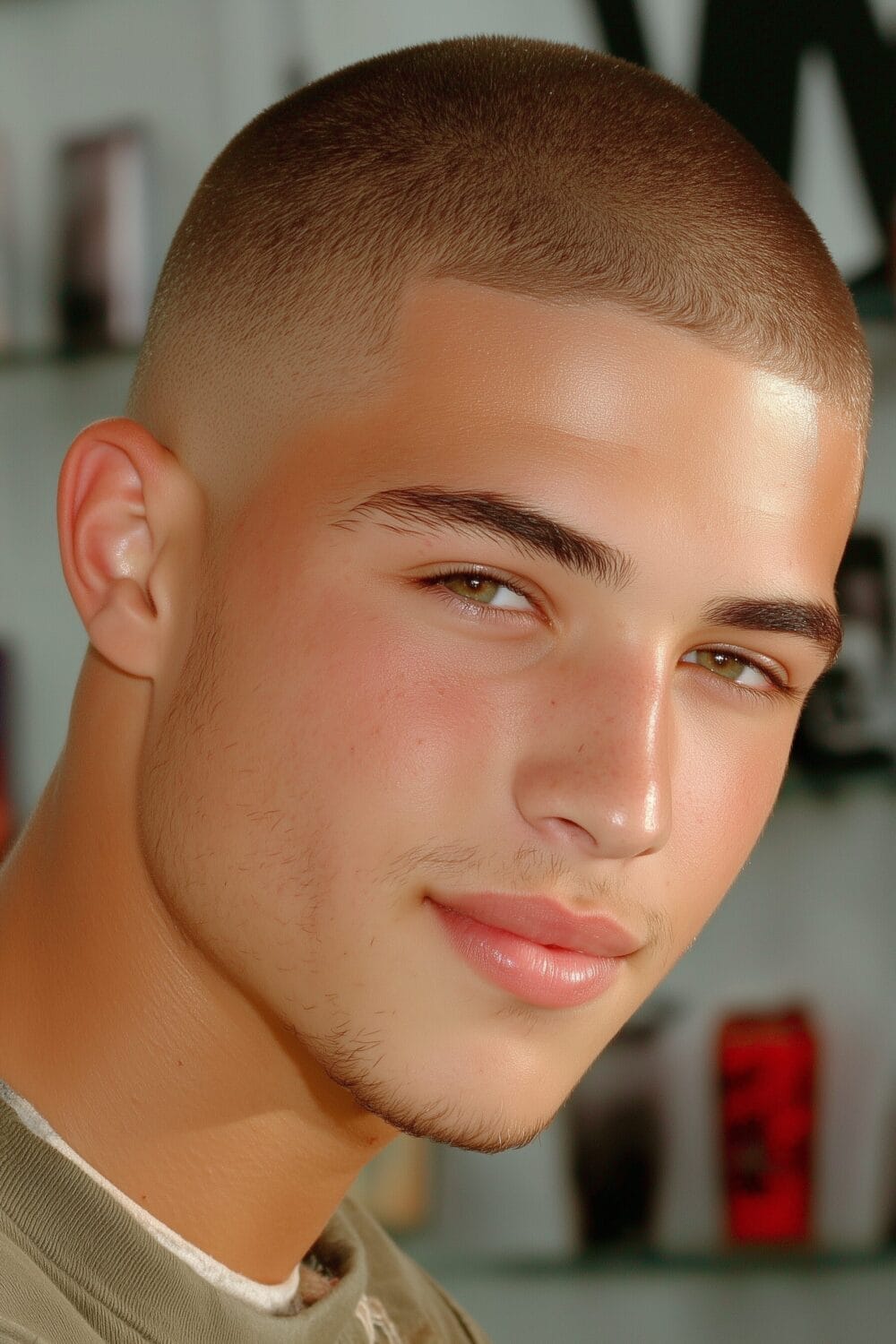
Buzz Cut With Line-Up
A buzz remains the ultimate low-maintenance style when paired with sharp outline work. The line-up defines edges, giving structure to a simple cut. It suits most head shapes when performed with precision.
Short, bold, and instantly fresh, this option saves time yet signals clarity.
Pompadour With Fade
For those seeking height, the pompadour remains evergreen. Fades on the sides bring modern sharpness, preventing excessive bulk. Its retro inspiration merges smoothly with contemporary barbershop precision.
It does need some styling product, though. With daily effort, the payoff creates a statement presence.
How To Prevent Bad Haircuts
Avoiding haircut failure is about preparation before sitting down. Walking in with no plan increases risk dramatically.
Visual examples and realistic expectations drive better conversations with your barber. Small steps ahead of time shield you from disappointment.
Most prevention habits are simple tweaks rather than major changes. Regular consultation and honesty about routine lead to smarter suggestions. Engagement from both sides results in cuts you’ll consistently enjoy.
Bring Reference Photos
Photos guide the vision. They quickly bridge gaps between words and actual results, eliminating misinterpretation. Specific images show the exact length, texture, and vibe desired.
Using photos doesn’t replace dialogue though. Pair images with your personal details to get the best translation.
Discuss Maintenance Beforehand
Some cuts demand frequent appointments or daily styling, which most men underestimate. Talking maintenance saves stress later. Time commitment will shape whether the style truly works for you.
Aligning lifestyle with haircut upkeep prevents regret. Clarity before scissors ensures lasting satisfaction afterward.
Ask About Hair Texture Compatibility
Your barber knows how texture responds to styles. Never assume curls, waves, or straight strands behave like inspiration photos. Asking up front prevents mismatch between natural hair and expectations.
Understanding texture limitations ensures longevity. Compatible cuts embrace what the hair naturally does well, reducing frustration.
Choosing A Style That Doesn’t Match Hair Texture
Texture dictates what truly works. Trying to force silky-straight styles on tight curls only brings maintenance struggles.
Conversely, requesting heavy, defined curls on naturally straight hair feels unnatural and rarely holds. Barber guidance helps balance reality with style preferences.
Cuts become most flattering when they embrace what your hair naturally does. Layering curls enhances bounce, while weight removal benefits dense thickness. Working with — not against — hair texture produces a more authentic and lasting look.
Ignoring Face Shape Balance
Every cut interacts with facial proportions, so mismatches quickly stand out. Short sides on a long face exaggerate length, while wide shapes on a round face only highlight fullness. Knowing where to add volume or slim lines builds visual balance.
Good barbers adapt lengths and outlines to correct proportional challenges. Subtle tweaks like graduated fades or softened corners improve symmetry. When the cut complements facial structure, the overall style looks natural rather than forced.
Overly Trendy Cuts That Don’t Age Well
Chasing trends without considering suitability leads to regret. A viral cut may look sharp online but awkward in everyday settings. Extreme angles, ultra-short fringes, or asymmetry often wear poorly outside fashion shoots.
Timeless cuts with small modern updates are safer investments. They last through seasons while still providing freshness. Paying attention to versatility ensures you’ll like your reflection weeks later, not just on the walk out of the shop.
Expert Barber Tips For Better Results
For consistent outcomes, barbers use certain proven practices. Knowing these helps clients work alongside their barber instead of guessing. Paying attention to technical language, upkeep frequency, and finishing touches ensures steady improvements across each visit.
Not sure what your face shape is? Our Face Shape Detector figures it out in 4 quick questions.
These insights transform ordinary cuts into sharper, personalized expressions. Consider them the professional shortcuts to keeping your haircut always aligned with your look.
Know Your Guard Numbers
Clippers use guard numbers to regulate length. Familiarity lets you request exact results rather than vague “short or longer.” Saying “#2 on the sides” communicates precision immediately.
Learning guard basics removes uncertainty. It makes your preferences more actionable at the chair.
Schedule Regular Trims
Cuts lose shape quickly as hair grows unevenly. Regular trims maintain intended design. On average, four to six weeks suits most men.
Sitting longer than that often invites messy collars or heavy tops. Scheduling keeps things controlled consistently.
Invest In Quality Styling Products
Even the best cut collapses without finishing. Pomades, clays, or creams transform flat hair into styled results. Different products help achieve volume, shine, or matte density.
As tools, they extend haircut performance daily. Think of them like polish protecting craftsmanship.
Signs You’re About To Get A Bad Haircut
Before the first snip, warning signs often appear. Noticing them helps you intervene and change direction. Common issues include lack of consultation, poor tool maintenance, or excessive haste.
Addressing red flags immediately ensures you avoid blame afterward. Awareness gives you control over the final outcome.
Barber Doesn’t Ask Questions
Silence in the chair is telling. Without questions, the barber guesses your preferences loosely.
Proper conversation clarifies goals and ensures confidence matches the style you’ll leave wearing.
Tools Look Worn Or Dull
Old or blunt clippers chew through hair unevenly. This leaves frayed strands or jagged edges instead of clean finishes.
Trust increases when your barber maintains sharp, well-kept equipment visibly.
No Discussion Of Styling Products
Every complete haircut includes advice on finishing. Avoiding talk about products means guidance is missing. A barber should suggest at least one method for upkeep.
That step decides whether your look can replicate at home afterward.
Rushed Service
Great fades and blends demand time. A barber finishing too quickly prioritizes speed over precision.
When service feels rushed, results usually mirror that lack of care.
Plan A Transition Cut
Strategic follow-up trims reshape awkward hair growth. Shortening bulky areas balances the profile.
Transition cuts create smoother paths toward your ideal next style patiently.
How to Fix a Bad Haircut Immediately
Not every fix requires growing the cut out. Some of the most effective corrections happen the same day.
First, get hold of a strong pomade or matte paste and rework the texture. A rough-looking taper becomes far more forgiving when you add definition instead of fighting the shape. If the fade looks uneven on one side, pulling product toward the longer side draws the eye away from the contrast.
Changing the part can rescue a cut that looks unbalanced. If the barber went left and it’s not working, try a centre part or go right. You’d be surprised how often this alone transforms the result without touching a clipper.
For fringe issues — too short, too blunt — a small amount of texture cream worked in with your fingers softens the line without cutting anything. It buys you two to three weeks while the length recovers.
If the problem is structural — a missing blend, a line too high, sideburns that don’t match — go back to the barber the same day. A good professional will fix it without charge. If they argue, that’s useful information about whether to return.
Bad Haircut vs. Bad Barber — How to Tell the Difference
These aren’t the same thing, and mixing them up leads to two mistakes: blaming a good barber for vague instructions, or returning to a bad one who genuinely can’t execute.
A bad haircut is usually a communication failure. You walked in without a reference photo, said “take a little off the sides,” and the barber interpreted it differently than you intended. The execution was clean — the brief was the problem. One clear conversa
tion and a photo next visit fixes everything. Don’t switch barbers over this.
A bad barber shows in the technical details: blends still uneven after you’ve pointed them out, lines that aren’t straight when viewed from behind, and a fade with hard steps instead of a smooth gradient. These are skill gaps, not communication gaps. If you leave pointing these things out and nothing improves, that’s your signal to find a better shop.
The quickest diagnostic: look at the blend where the fade meets the top. In a good cut, you can’t identify exactly where one length ends and another begins. If you can point to the exact line, either the barber needs more practice — or that style wasn’t within their skill set. Knowing this disti
nction stops you from abandoning a barber who’s actually good at their job. For a full breakdown of haircut mistakes men make at the barber, that guide covers the behavioural side in more detail.
Ready to Find Your Perfect Cut?
You’ve read about the styles. Now find the one that fits YOUR face shape, hair type, and lifestyle.
🎬 Fixing a Bad Haircut: Expert Tips & Tricks by MC Barber
FAQs
What Are The Most Common Bad Haircuts Men Regret?
Mistakes like mushroom cuts, uneven fades, or over-layered fine hair top the regret list. Harsh boxes on round faces appear too exaggerated, while trends chosen without fit in mind age poorly. Most bad haircuts ultimately stem from mismatching style against natural traits, lifestyle, or barber execution.
How Can I Tell If A Haircut Will Suit My Face Shape?
Start by identifying whether your face is oval, round, square, long, or diamond. Then, compare recommended styles for each shape.
An oval face allows experimentation, while others require balance adjustments. Consulting a barber helps confirm choices, ensuring the cut enhances proportions rather than magnifies weaknesses.
What Should I Ask My Barber To Avoid A Bad Cut?
Begin by asking if the chosen style complements your hair texture and face shape. Bring reference photos for clarity.
Ask about maintenance commitments and neckline finishing. Mention lifestyle habits like daily styling time or professional environment. These questions guide the barber toward practical outcomes aligned with your reality.
Can A Bad Haircut Be Fixed Right Away?
Yes, most problems can be corrected immediately with minor adjustments. Barbers often reshape, fade more smoothly, or shorten overgrown areas. If major changes aren’t possible due to length already removed, transition cuts or styling products help manage until additional growth makes another correction viable.
How Often Should Men Get A Trim To Maintain Style?
The average schedule is every four to six weeks, though shorter fades need sooner upkeep. Lifestyle factors also play a part.
Men in professional environments may prefer tighter cycles, while casual wearers stretch time longer. Consistency keeps cuts looking intentional instead of overgrown.
What haircut makes men look older?
Flat tops on thin hair, high fades with no gradual blend, and overly boxy shapes all add years. The issue is usually too much contrast or too little volume at the crown. A classic low fade or mid fade with some texture on top modernises the look without the age penalty.
How long does it take for a bad haircut to grow out?
Most recovery takes four to six weeks for noticeable improvement. If the sides are too short, a week or two gets you back to a workable length. Significant corrections — like repairing an over-tapered top — can take eight to twelve weeks. Using a matte paste during the transition helps you look intentional rather than unkempt while the length returns.
Should you go back to the barber if you get a bad haircut?
Yes — if the barber is professional, they’ll want to correct it. Go back within a day or two, calmly explain what’s off, and bring a reference photo showing what you wanted versus what you got. Most barbers fix it at no charge. If they refuse or get defensive, that tells you everything you need to know about finding a better shop.
Related Guides
Was this article helpful?

Khamis Maiouf is a professional barber who graduated from Hinckley College in England with a Level 3 qualification in hairdressing. With over 20 years of experience, he is an award-winning barber who has mentored numerous students and styled thousands of clients. A recognised expert featured on StyleCraze (20M+ readers).
Credentials: Level 3 Hairdressing (Hinckley College, UK) • 20+ Years Professional Experience • Featured Expert on StyleCraze • Founder of Book of Barbering