
Grab attention with the rat tail hairstyle—it’s a bold throwback that’s suddenly finding its way back into modern barber chairs. You might think it’s all retro novelty, but today’s variations prove it can be sharp, expressive, and undeniably personalized.
Back in high school, I had a client who wanted to try one on his naturally wavy hair, and I’ll tell you—he left the shop with more confidence than he ever imagined.
Key Takeaways
- The rat tail isn’t one style — it splits into 49 variations including fades, braids, dreads, undercuts, and colored tails.
- Tail thickness matters more than length: thin tails suit narrow faces, thick tails balance broad builds.
- Pair your tail with a clean fade or taper and it reads intentional, not accidental — that’s the difference between sharp and sloppy.
- Curly, wavy, coily, and straight hair all work — the cutting technique just changes to match your natural texture.
- Maintenance is every 3–4 weeks for the surrounding cut, plus daily conditioning on the tail itself to prevent split ends.
What Is A Rat Tail Hairstyle?
A rat tail hairstyle is a head-turning cut defined by short or styled hair on the top and sides, leaving a narrow section at the back to grow longer. That longer piece, whether thin or thick, resembles a tail. Depending on face shape and styling, it can look playful, rebellious, or even polished when balanced correctly.
- Definition: Short around head, long narrow tail at back.
- Adaptable to thick, thin, curly, or straight textures.
- Offers balance between edgy flair and controllable upkeep.
Classic Rat Tail Styles
The classic versions of rat tail haircuts showcase the roots of this style, leaning into its traditional rebellious charm. Whether you prefer a softer, subtle tail or a dramatic length, each cut carries its own historical edge. These baseline styles create the foundation for the more modern adaptations you’ll see later on.
Traditional Rat Tail Cut
The traditional rat tail features closely cropped or faded sides with a single long piece of hair left trailing in the back. It’s straightforward, unmistakable, and rooted in originality.
Many men started here decades ago, making this their entry point into the style world. Think of it as the purest, most faithful version of the cut.
Long Rat Tail
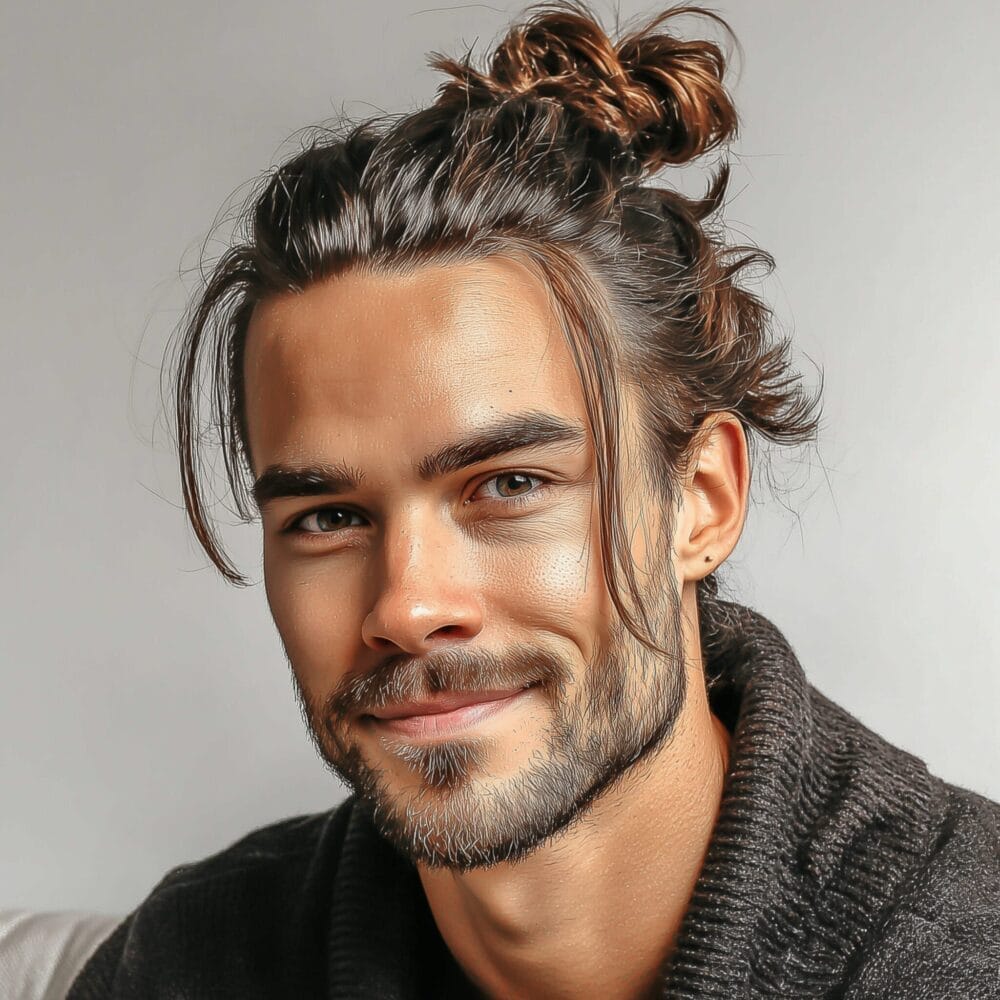
A long rat tail extends noticeably down the nape, sometimes reaching the upper back. This dramatic choice works for men willing to commit to the growth and upkeep. Longer tails draw more attention, so they’re best suited for confident, bold wearers who don’t mind standing out in any room they enter.
Thin Rat Tail
The thin rat tail takes a subtler approach, leaving just a narrow strip of hair at the back. Because of its smaller width, this version blends easily into everyday cuts, offering a playful nod without overwhelming your look. It’s ideal for men experimenting with the style for the first time or seeking understated flair.
Thick Rat Tail
Unlike the thin variation, the thick rat tail leaves a wider section at the back for more fullness and visual weight. The chunkier tail becomes the dominant element of the haircut, making it a louder, more deliberate style choice. This version caters to men wanting a bolder and more unapologetic presence from their cut.
Modern Rat Tail Hairstyles
Modern versions of the rat tail push creativity by mixing textures, lengths, and styling techniques. From precise fades to playful curls, these innovative spins ensure the classic look evolves into something current. Each option caters to different personalities, lifestyles, and occasions, giving men multiple pathways to wear the style with confidence.
Disconnected Rat Tail
The disconnected rat tail creates an intentional contrast between the flowing tail and the rest of the haircut. Sharp clipper lines or faded areas highlight the tail dramatically, making it the centerpiece. This haircut thrives on standing out, and it works best for men who enjoy bold boundaries in their style choices.
Layered Rat Tail

A layered rat tail incorporates different lengths in the tail itself, adding texture and depth. The layered approach creates movement and dimension, making the tail more dynamic rather than flat. This style especially complements wavy or thicker hair types, allowing them to showcase volume while keeping the traditional elongated effect.
Curly Rat Tail
The curly rat tail utilizes natural curls for a playful spin. Instead of straight strands trailing down, the coils add bounce and shape to the backside.
Since curls carry more personality by default, this variation feels spontaneous and energetic. Men with natural curls find this version particularly seamless to maintain and wear with authenticity.
Straight Sleek Rat Tail
The straight sleek rat tail relies on precision and polish. Flat-ironing or blow-drying keeps the tail smooth and sharp, producing an edgy finish.
This meticulous appearance works well in creative and professional environments where you want the hairstyle to appear purposeful, not accidental. It’s bold yet under tight control, striking a unique balance.
Rat Tail With Fades
Combining fades with rat tails creates a clean canvas around the sides that sharpens the focus toward the back. The varying fade heights allow you to tailor boldness—subtle with a low fade or daring with a high one. These looks balance contemporary barbering techniques with the nostalgic rat tail influence for an updated finish.
Low Fade With Rat Tail
The low fade with a rat tail offers a more subtle approach, as the fade starts closer to the neckline. This gives the rat tail prominence without overly aggressive sides. It’s a wearable choice for those new to the style, striking a balance between conservative workplace-friendly grooming and expressive individuality at the back.
Mid Fade Rat Tail
A mid fade rat tail strikes balance, sitting midway up the head while seamlessly blending into the longer tail. The look offers contrast without being too extreme, appealing to men who want a modern, stylish border around their haircut yet still highlight the presence of their rat tail prominently in the back section.
High Fade Rat Tail
For men who crave impact, the high fade rat tail delivers with maximum contrast. The sides are shaved dramatically high, leaving strong exposure of scalp and creating focus on the tail.
It’s a daring, stand-out style demanding confidence. This look thrives in bold social settings where your haircut becomes a conversation starter instantly.
Burst Fade Rat Tail

The burst fade rat tail wraps the fade around the ear, creating a rounded arch that flows naturally into the back tail. This unique fade variation adds artistic shape to the cut and complements the tail nicely. With its curved effect, it gains popularity among men who enjoy modern technical styling tricks in barbering.
Taper Fade Rat Tail

A taper fade rat tail softens the look, transitioning gradually from shorter hair near the edges into longer lengths without harsh contrast. It’s a refined option, blending professionalism with individuality. Men who need versatility between casual, formal, and creative environments often reach for this taper style since it adapts seamlessly while keeping the rat tail.
Rat Tail With Undercuts
Pairing a rat tail with undercuts makes for a distinctly edgy hairstyle. The sharp shaved sides highlight the tail dramatically, increasing visibility and contrast.
Mixing undercut variations lets you play with top length and texture while keeping the defining tail in focus. This is a bolder section of rat tail styling, perfect for statement looks.
Disconnected Undercut Rat Tail
The disconnected undercut rat tail introduces a stark difference between shaved sides and longer hair on top. The tail then becomes the defining feature.
With no blending, this style looks intentional and edgy. It’s favored by men drawn to strong identities in their haircuts, unapologetically displaying creativity through confident separation of lengths and textures.
Textured Undercut Rat Tail
A textured undercut rat tail combines messy, styled hair on top with precise shaved sides. The texture up top adds playfulness and movement, while the tail remains the point of interest. This contrast brings a balance of informality and sharpness, making it work well for social environments where personality in hair is welcomed warmly.
Long Top Undercut Rat Tail
The long top undercut rat tail maintains considerable length at the crown, styled upward or back, with shaved sides creating contrast. This additional height balances the trailing tail below. It suits men who want an impactful silhouette in their haircut that feels dramatic from every angle and showcases both crown and back simultaneously.
Rat Tail With Mohawk Influence
Infusing mohawk elements into a rat tail hairstyle amplifies its rebellious edge. The strip of hair running across the crown naturally flows into the tail, tying two dramatic looks together. Men inspired by punk or alternative aesthetics often lean toward these hybrids, as they spotlight both boldness and creativity in equal measure with undeniable confidence.
Mohawk Rat Tail
A mohawk rat tail consists of a strip running down the center of the head that continues into the tail. The sides are usually shaved or faded aggressively for contrast.
This seamless connection grabs attention immediately. It’s an unmistakable cut for men ready to embrace an audacious, high-energy image inspired by countercultural statements.
Faux Hawk Rat Tail
The faux hawk rat tail softens the extreme look of the mohawk by leaving some height on the sides without going fully shaved. The top narrows into the rat tail behind. This design works for men who want to keep adventurous styling while still maintaining a slightly toned-down attitude fit for more mixed environments.
Spiky Mohawk Rat Tail
Adding spikes to the mohawk rat tail ups the rebellion factor. By spiking the hair on top, you create drama upfront that connects to the dramatic tail in the back.
This makes the whole silhouette aggressive and statement-making. It pairs well with leather jackets, streetwear, and subcultural vibes seeking strong hair identity.
Rat Tail With Braids
Incorporating braids into a rat tail adds a crafted look that feels deliberate and stylish. Braiding variations allow you to control neatness, texture, and design while still emphasizing the signature back detail. Whether single or multiple braids, these versions infuse artistry into an otherwise playful cut, making it versatile across cultures and personalities.
Single Braid Rat Tail
A single braid rat tail offers clean simplicity. The tail is tightly braided, which reduces tangling and adds structure.
This look brings discipline to an otherwise loose and free-flowing hairstyle. It’s excellent for men seeking minimal maintenance while still maintaining the distinction and creativity that makes a rat tail an interesting personal statement.
Double Braid Rat Tail
Double braid rat tails double the impact. The hair is split into two thin braids, extending toward the back for added complexity.
This variation carries a stronger sense of individuality, instantly separating the wearer from the ordinary. Practically, it also offers additional durability in keeping longer tails neat and contained compared with loose options.
Cornrow Into Rat Tail
The cornrow into rat tail style features tight cornrows across the crown, all feeding into one defined braided tail. This combination blends cultural artistry with the playful twist of the rat tail. It’s ideal for men who appreciate detailed work in their hairstyle while still embracing flair, function, and creative influence simultaneously across appearances.
Box Braided Rat Tail
A box braided rat tail incorporates chunky braids leading into the back. Each braid is sectioned cleanly and styled deliberately, converging into the elongated tail.
This variation merges classic protective styling with bold personality. It suits men who enjoy structure, strength, and a cultural nod within their hairstyle, making it both stylish and meaningful.
Rat Tail With Dreadlocks
Dreadlocks merge naturally with rat tails for a striking, textured outcome. Whether you keep a single dread trailing or multiple locks flowing, the style looks distinctive.
Adding color elevates the effect, showcasing personality further. This section speaks to men who value uniqueness in textures while meshing structured locks with the lighter spirit of a rat tail.
Single Dread Rat Tail
The single dread rat tail emphasizes a thick, rope-like lock trailing behind. Minimalist yet standout, it gives presence without complexity.
It’s a bold stylistic choice suited for men wanting a simple but striking hair statement. Maintenance is quite manageable, as one maintained dread requires less upkeep than multiple while still ensuring impactful visual identity.
Multi-Dread Rat Tail
Expanding the idea further, the multi-dread rat tail consists of several thinner dreadlocks forming the back tail collectively. This style generates both texture and personality. It’s an ideal option for men who want a heavier, fuller visual at the back, creating something between a traditional rat tail and complete dreadlock hairstyles overall.
Colored Dread Rat Tail
A colored dread rat tail puts emphasis on customization. Whether dyed red, blonde, or in vibrant tones, the colored lock stands out dramatically against natural hair.
This approach offers both cultural pride and stylistic boldness, allowing men to express creativity without words. Dye makes even a single dread appear artistically powerful in presentation.
Rat Tail With Color
Integrating color into a rat tail instantly transforms it into a statement piece. From subtle blonde contrasts to neon shocks, the tail can act as a canvas for self-expression.
Hair color gives dimension, highlighting the uniqueness of the style. This ensures every take on the rat tail becomes personal and impossible to ignore.
Bleached Rat Tail
The bleached rat tail uses platinum or blonde against darker-toned hair for stark contrast. The result delivers a sharp, high-fashion effect that elevates the overall haircut.
Bleaching also emphasizes texture, drawing attention to the tail’s movement as it catches light differently. It works best for men comfortable with high-maintenance coloring processes and upkeep.
Two-Tone Rat Tail
Two-tone rat tails split color distinctly, often between the main cut and the tail itself. This creates a striking division, drawing attention directly behind.
Contrasting shades like black-and-blonde or brown-and-red enhance uniqueness. It’s ideal for men seeking extreme individuality in their haircut without opting for overly aggressive or neon-inspired approaches that dominate the entire look.
Bright Neon Rat Tail
The bright neon rat tail makes a fearless statement. Vivid hues such as pink, green, and electric blue take command.
Neon tones push the hairstyle into avant-garde territory, providing standout visibility from a distance. These bold colors typically work best for expressive men aligned with creative, artistic, or nightlife-driven lifestyles who embrace attention fearlessly.
Dip-Dyed Rat Tail
A dip-dyed rat tail adds subtle flair by coloring only the tip of the tail. This smaller pop of shade retains the base natural hair with just enough edge.
It’s a popular option for men curious about adding color without total commitment. Plus, it creates striking contrast whenever the tail swings or stands apart.
Rat Tail With Patterns
Patterns carved into the hair surrounding a rat tail elevate the style toward artistry. From geometric lines to cultural tributes, shaved designs create a frame around the tail. It’s the ultimate way to personalize the look and emphasize the tail further, blending barber craftsmanship with truly unique self-expression for men who value detail.
Shaved Design Rat Tail
The shaved design rat tail introduces barber-etched patterns near where the tail begins. It might be lines, curves, or purposeful symbols that add flair.
The inclusion of shaved designs sharpens individuality, making the tail part of a bigger creative picture. It works well for men who thrive on signature styling that feels unmistakably theirs.
Geometric Rat Tail
A geometric rat tail style focuses on sharp, angular patterns framing the tail. Clean clipper lines create triangles, diamonds, or other shapes, establishing eye-catching order.
Precision makes this look striking, positioning the tail as the anchor point of structured artistry. It’s an option for men excited about design-driven statements in their hairstyle choices.
Tribal-Inspired Rat Tail
A tribal-inspired rat tail celebrates cultural influence through carved or shaped designs around the back. These are deeply symbolic to many and carry resonant stylistic meaning.
Worn respectfully, they highlight heritage while turning the haircut into art. It’s most fitting for individuals who value storytelling embedded directly into their chosen hairstyle expression.
Rat Tail For Different Hair Types
Your natural hair texture plays a huge role in how a rat tail looks and feels. Straight styles highlight precision, while wavy or curly versions provide movement and character.
Even coily textures create bold silhouettes. Understanding these differences lets you align the style with what your hair naturally provides instead of forcing inappropriate shapes.
Straight Hair Rat Tail
A straight hair rat tail comes across as polished and controlled. With clean lines and smooth strands, the tail looks sharp and intentional.
This style works especially for men preferring minimalist aesthetics where simplicity makes the boldest statement. Maintenance usually involves trimming and straightening when needed to keep the overall appearance crisp and neat.
Wavy Hair Rat Tail
A wavy hair rat tail introduces natural flow and rhythm. The movement makes the tail appear more dynamic, shifting appearance as you walk or turn.
This relaxed quality appeals to men who seek freedom over rigid structure. It’s also easier to maintain than curls, giving a carefree look while still staying creative and expressive.
Curly Hair Rat Tail
Curly hair versions build noticeable bounce and volume in the tail. Defined curls make it playful and engaging, ensuring the back hair feels alive even with minimal styling.
Curly rat tails suit men who lean into their texture naturally instead of resisting it. They offer balance between stylish mischief and control across everyday settings.
Coily Hair Rat Tail
A coily hair rat tail shows off dense, compact texture that inherently feels bold. The tail looks strong and structured as coils hold form reliably.
This variation works well for men with naturally tight curls committed to sharp self-expression. It’s a powerful and authentic choice, ensuring the hairstyle makes a textured statement every time.
Rat Tail With Beard Pairings
Pairing beards with a rat tail multiplies the style impact, creating balance between front and back. Depending on your beard style, the haircut can look rugged, refined, or sharply experimental.
Beard combinations ground the hairstyle, ensuring the back tail doesn’t feel isolated. This approach allows a fully cohesive identity rather than disjointed grooming.
Rat Tail With Stubble
Stubble pairs effortlessly with a rat tail by offering light balance without demanding attention. Low-maintenance and versatile, stubble works across casual and professional spaces while subtly grounding the haircut. It’s recommended for men who are style curious but prefer not to adopt fully voluminous facial hair paired alongside the boldness of their tail.
Rat Tail With Full Beard
A strong full beard anchors the striking tail behind, making an assertive combination. The density upfront complements the long extension at the back, ensuring balance throughout.
This particular pairing is highly expressive, signaling confidence and masculine intensity. Men unafraid to wear big hair fronts and backs align naturally with this commanding rat tail blend.
Rat Tail With Goatee
The goatee paired with a rat tail adds a sharp contemporary edge. It draws attention around the face while complementing the distinctive hair detail behind.
This lower-maintenance beard style feels modern, versatile, and works across informal and formal situations. It’s a fitting option for men balancing professionalism with a spirited, edgy haircut trail combination.
Rat Tail With Length Variations
Not every rat tail must grow endlessly long—variations in length alter the energy dramatically. Short versions feel subtle, medium ones walk the middle, while extra-long tails dominate visually.
Choosing length depends on lifestyle, workplace allowances, and upkeep tolerance. Each brings an entirely different personality, proving flexibility of the rat tail across multiple contexts.
Short Rat Tail
A short rat tail barely extends a few inches past the neckline, making it playful yet understated. It’s an excellent starting point for men considering the style but not ready for long-term growth.
Because of its minimal length, upkeep demands are low. It’s subtle enough to pass unnoticed while still preserving reference to tradition.
Medium Rat Tail
The medium-length rat tail offers balance between minimal and dramatic. Long enough to be visible, but not so extended that it requires heavy upkeep.
This middle ground keeps the style versatile, neatly managing boldness and practicality. Men searching for a durable, noticeable tail without committing extreme length usually settle into this sweet spot comfortably.
Extra Long Rat Tail
Extra-long rat tails stretch dramatically, trailing far down the back for an unapologetic effect. This choice leans entirely into the theatrical side of hairstyling, building attention wherever you go.
It asks for significant maintenance and patience, yet its impact is unmatched. Men craving extreme individuality and spectacle generally opt for this standout commitment.
Rat Tail With Cultural Influences
The rat tail has appeared across decades and subcultures, drawing influence from retro, rockabilly, punk, and hip-hop scenes alike. Each setting frames the style with new meaning—sometimes rebellious, sometimes nostalgic, sometimes street-inspired. These cultural imprints prove the rat tail’s fascinating adaptability across time, making it a canvas for personal and generational self-expression alike.
Retro Rat Tail
A retro rat tail pays homage to past decades, drawing from street styles of earlier eras. By maintaining traditional shapes and proportions, it feels vintage and nostalgic.
This option appeals to men who love representing throwback fashion authentically. It’s not just hairstyle play, it’s carrying cultural references forward as visual storytelling through grooming choices.
Rockabilly Rat Tail
Rockabilly rat tails combine old-school rebellion with pomp and slick styles. Typically worn with a styled pompadour or greased-back top, the tail becomes a dramatic accessory.
This hybrid captures the high-drama aesthetic classic in rockabilly culture, fusing two popular trends seamlessly. It signals strong style identity rooted in music-powered subcultures craving visual flamboyance internationally.
Punk Rat Tail
Punk rat tails embrace spikes, mess, and often color. As part of punk fashion, the tail honors both rebellion and vibrancy.
Men who lean into this variation usually adopt wild dye jobs, perhaps pairing it with mohawked tops. It’s an unashamedly loud expression, thriving in subcultural functions and environments where standout defiance is celebrated proudly.
Hip-Hop Rat Tail
Hip-hop rat tails weave urban influence into the style, often combined with fades, braids, or designs. The culture’s emphasis on identity and expressive visuals supports this hairstyle’s narrative perfectly. Tail styles within hip-hop circles tend to be bolder, cleaner, and more trend-setting, acting as a bridge between personal confidence and cultural representation everywhere.
Styling And Maintenance Tips
Keeping a rat tail sharp requires planned grooming. Whether trimming, applying products, or scheduling appointments, consistency makes the difference between statement-worthy and sloppy.
Understanding correct techniques saves hassle. With simple steps, maintaining this hairstyle becomes natural and even fun. Think of it as routine tune-ups that protect your investment in the style’s presentation.
How To Trim A Rat Tail
To trim a rat tail correctly, keep the surrounding hair neat while preserving the tail’s length. Clippers refine the sides, while scissors tidy the tail tip.
Even trimming ensures the hairstyle looks purposeful rather than neglected. Scheduling with an experienced barber helps maintain the delicate balance between playful creativity and professional sharpness consistently over time.
Best Products For Rat Tail Hairstyles
Getting the right hold and shine depends on product selection. Pomades and gels work for structured looks, while lighter sprays help with movable finishes.
For textured or curly tails, moisturizing products enhance bounce and prevent frizz. Proper tools like fine-tooth combs and brushes also help in keeping both the crown and the tail looking intentional.
How To Grow A Rat Tail
Growing a rat tail asks for patience and steady upkeep. Start by letting the hair at the back extend while keeping nearby areas trimmed.
Regular shaping ensures the growth looks sharp as the length develops over time. Using conditioners helps preserve integrity. Growth feels like a journey—each stage offers a slightly evolving expression of individuality.
Rat Tail Upkeep Schedule
Maintenance schedules vary depending on fade, undercut, or tail length. Typically, a trim every 3–4 weeks preserves structure.
Shorter tails need less frequent detail, while longer ones benefit from routine shaping and conditioning. Keeping barber appointments regular ensures the rat tail maintains edge rather than drifting into neglected territory, sustaining both confidence and style accuracy.
Ready to Find Your Perfect Cut?
You’ve read about the styles. Now find the one that fits YOUR face shape, hair type, and lifestyle.
🎬 How To Style A Rat Tail!!
FAQs
Is The Rat Tail Hairstyle Back In Style?
Yes, rat tail hairstyles have made a strong comeback. Modern versions pair the tail with fades, undercuts, and braids — a far cry from the basic 80s look. Barbers now shape tails with intention, matching them to the overall cut instead of just letting the back grow wild. The style appeals to men who want something distinctive without a full commitment to long hair.
What Face Shapes Suit A Rat Tail Best?
Oval and diamond face shapes work naturally with rat tails because the vertical length of the tail balances wider cheekbones. Square faces benefit from softer, thinner tails that contrast the jawline. Round faces can use the tail’s length to create the illusion of elongation. The key is matching tail thickness and length to your proportions — a thick tail on a narrow face overwhelms, while a thin tail on a broad build disappears.
Can A Rat Tail Work With Professional Settings?
It depends on the workplace and the execution. A subtle, thin rat tail paired with a clean taper or low fade reads more intentional than rebellious. In creative industries, tech, and trades, it rarely raises eyebrows.
In corporate or client-facing roles, keep it short and well-groomed. The tail itself can be tucked under a collar if needed — which is part of what makes it more versatile than a full mullet or mohawk.
How Do You Maintain A Rat Tail Hairstyle?
Schedule trims every 3 to 4 weeks to keep the surrounding cut sharp. The tail itself needs conditioning to prevent split ends, especially if it is long or braided. Use a lightweight leave-in conditioner on the tail and matte product on the top for contrast. Comb the tail daily to prevent tangling, and if you braid it, redo the braid every few days to keep it tight and clean.
Which Celebrities Have Worn Rat Tail Hairstyles?
David Bowie famously wore a rat tail during the 80s as part of his ever-shifting image. Shia LaBeouf has been spotted with a modern version, and several MMA fighters have adopted the style for its blend of edge and practicality during training. In music, artists across punk, hip-hop, and K-pop have used rat tails to signal individuality. The style keeps showing up wherever bold personal expression matters more than fitting in.
How Do You Ask Your Barber for a Rat Tail?
Tell your barber you want a narrow section left long at the nape while the rest stays short or faded. Specify the tail width (pencil-thin to thumb-width), the desired tail length, and whether you want it blunt-cut or tapered at the end. If you want a fade around the tail, say “burst fade into the tail” so the transition looks intentional. Bring a reference photo to avoid miscommunication.
References:
A piece of “long hair” that hasn’t been touched by scissors in many years. source
A rattail is a hair style that is characterized by a long “tail”-like element of hair growing downward from the back of the head. source
Was this article helpful?

Khamis Maiouf is a professional barber who graduated from Hinckley College in England with a Level 3 qualification in hairdressing. With over 20 years of experience, he is an award-winning barber who has mentored numerous students and styled thousands of clients. A recognised expert featured on StyleCraze (20M+ readers).
Credentials: Level 3 Hairdressing (Hinckley College, UK) • 20+ Years Professional Experience • Featured Expert on StyleCraze • Founder of Book of Barbering