
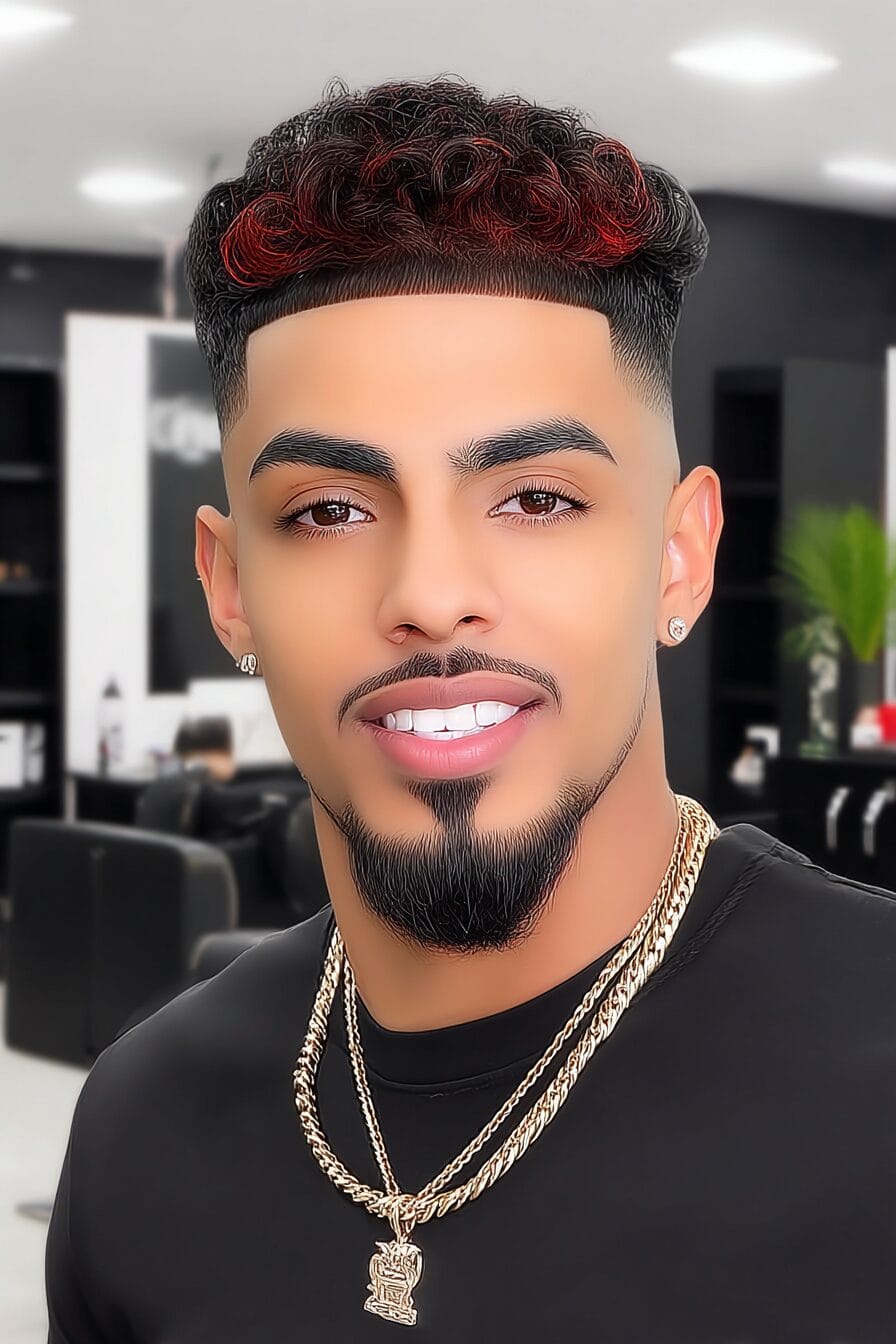
— Award-Winning Barber · 20+ Years Experience · Level 3 Qualified
The soul patch is the smallest piece of facial hair that generates the biggest opinions. Some guys think it peaked in the ’90s — but I’m shaping more soul patches now than I did five years ago. The style has evolved from the jazz-era original into something more refined, and when it’s paired with the right face shape, it’s surprisingly sharp.
Key Takeaways
- The soul patch is a small tuft of hair just below the lower lip — it’s the smallest recognized beard style
- Originally a jazz musician signature (Dizzy Gillespie popularized it in the 1950s), now making a modern comeback
- Works best on oval and heart-shaped faces where it adds a focal point without overwhelming proportions
- Can be worn solo or combined with a mustache, goatee, or stubble for different effects
- Keep it tight and centered — a sloppy soul patch is the fastest way to look like you missed a spot
Pair a soul patch with the right goatee and the look snaps together — see 39 goatee shapes that work alongside it.
What Is A Soul Patch?
A soul patch is a small patch of facial hair grown directly below the lower lip, typically centered above the chin. This minimalist style ranges from a tiny tuft to a more substantial triangle or square shape, usually kept at 5-20mm in length. Unlike a goatee which covers the entire chin area, the soul patch focuses solely on that small zone between lip and chin. It’s one of the easiest facial hair styles to maintain, requiring only occasional trimming to keep its defined shape.

How To Grow A Soul Patch
Growing a soul patch requires 2-4 weeks of targeted growth in the area below your lower lip. Start by letting all your facial hair grow for about a week, then carefully shave everything except the desired patch area.
Use a precision trimmer to define the edges, keeping the width between 10-20mm depending on your lip size. The key is maintaining sharp, clean borders while the center grows to your preferred length. Most men achieve their ideal soul patch density within a month, though some prefer to keep it at stubble length for a subtler look.

Who Suits A Soul Patch Best?
Soul patches work exceptionally well for men with strong jawlines and defined chin structures, as the style draws attention to the lower face. Those with oval or rectangular face shapes often find it most flattering, though round faces can benefit from an elongated soul patch that creates vertical lines.
Men with patchy beard growth appreciate this style since it requires minimal coverage area. It’s particularly popular among creative professionals, musicians, and those in casual work environments where subtle facial hair expression is welcomed.

Classic Soul Patch
The classic soul patch maintains a small rectangular shape directly below the lower lip, typically measuring 15mm wide by 20mm tall. This timeless version stays neatly trimmed at around 5-10mm length, creating subtle definition without overwhelming the face. Perfect for soul patch beginners, it requires minimal maintenance beyond weekly edge trimming.

Extended Soul Patch
An extended soul patch stretches vertically toward the chin, creating a elongated strip that can reach 30-40mm in length. This variation adds more presence than the classic version while maintaining the style’s minimalist appeal.
It works particularly well for men with round faces, as the vertical line creates a slimming effect. Regular trimming keeps the edges sharp and prevents the extended portion from becoming scraggly.

Thin Soul Patch Style
The thin soul patch features a narrow vertical line no wider than 5-8mm, creating an ultra-minimalist look. This subtle variation suits men who want just a hint of facial hair without committing to a fuller style. It requires precise trimming every few days to maintain its delicate width and works best with naturally dense facial hair that won’t appear sparse when kept narrow.
Wide Soul Patch
A wide soul patch expands horizontally to 20-25mm across, nearly matching the width of the lower lip. This bolder variation makes more of a statement while still maintaining the soul patch’s signature placement. The wider coverage suits men with fuller lips and broader facial features, creating better proportion than a narrow patch might offer.

Soul Patch With Goatee
Combining a soul patch with a goatee creates a connected chin beard that extends from below the lip down across the entire chin. This fuller style offers more coverage while maintaining focus on the lower face.
The soul patch portion typically stays shorter than the goatee section, creating subtle texture variation. It’s an excellent progression for men wanting to expand beyond a standalone soul patch.

Triangle Soul Patch
The triangle soul patch tapers from a wider top near the lip to a pointed bottom, creating a distinctive geometric shape. This angular variation adds visual interest and works particularly well with angular facial features. Maintaining the triangular shape requires careful trimming every 4-5 days, using the point to create a subtle arrow effect that elongates the chin.

Square Soul Patch Look
A square soul patch maintains equal width throughout, creating a perfect rectangle or square shape below the lip. This clean, geometric style typically measures 15mm by 15mm, offering a modern, structured appearance. The sharp corners require precise trimming with detail clippers, making it ideal for men who enjoy meticulous grooming routines.

Soul Patch With Mustache
Pairing a soul patch with a mustache creates a balanced facial hair frame without the maintenance of a full beard. The mustache draws attention upward while the soul patch anchors the lower face, creating symmetry.
This combination works especially well for men with strong upper lips who want to soften their appearance. Keep both elements at similar lengths for the most cohesive look.

Long Soul Patch Style
The long soul patch extends 40-60mm downward, sometimes reaching the chin’s edge or beyond. This dramatic variation requires several months of dedicated growth and regular conditioning to prevent tangling.
Some men braid or bead longer soul patches for added personality. It’s a bold choice that works best with confident personal style and patient grooming habits.

Short Trimmed Soul Patch
A short trimmed soul patch maintains stubble length of just 2-3mm, creating subtle texture without significant projection. This understated version offers the easiest maintenance, requiring only weekly buzzing with guards. It’s perfect for professional environments where longer facial hair might be discouraged but some personal expression is acceptable.

Soul Patch With Stubble
Combining a defined soul patch with overall facial stubble creates depth and dimension across the lower face. The soul patch stays slightly longer than surrounding stubble, typically 5-7mm versus 2-3mm, creating subtle contrast.
This style requires regular trimming to maintain the length differential while keeping stubble neat. It’s an excellent option for men wanting more coverage than a standalone soul patch.

Disconnected Soul Patch And Chin Strap
This style features a soul patch that remains separate from a chin strap beard, creating two distinct facial hair elements. The gap between them, usually 10-15mm, adds visual interest and defines the lower lip area.
The chin strap follows the jawline while the soul patch provides central focus. This combination works particularly well for men with strong jaw definition who want to emphasize their facial structure.

Soul Patch With Van Dyke
A Van Dyke combines a soul patch with a goatee and disconnected mustache, creating a classic pointed beard style. The soul patch forms the upper portion of the goatee, flowing seamlessly into the chin hair.
This sophisticated combination requires regular shaping to maintain the Van Dyke’s signature pointed tip. It’s currently trending among men seeking a refined yet distinctive facial hair style.

Natural Soul Patch
The natural soul patch embraces organic growth patterns without excessive shaping or trimming. This relaxed approach allows the hair to find its natural density and shape, only trimming for length control.
Some men’s soul patches naturally grow thicker or wider than others, and this style celebrates those individual characteristics. Minimal maintenance makes it perfect for low-effort grooming routines.

Tapered Soul Patch
A tapered soul patch gradually narrows from top to bottom, creating a subtle fade effect. Unlike the dramatic triangle shape, the taper is more gradual and natural-looking.
Not sure what your face shape is? Our Face Shape Detector figures it out in 4 quick questions.
This style requires skilled trimming to achieve the smooth graduation, typically wider at the lip (15mm) and narrowing to 5-8mm at the bottom. The tapered effect creates an elegant, refined appearance.

Soul Patch With Circle Beard
Incorporating a soul patch into a circle beard creates continuous coverage around the mouth area. The soul patch connects the mustache to the goatee portion, completing the circle.
This fuller style offers more substantial facial hair presence while maintaining neat, defined borders. It requires regular trimming to keep the circle shape precise and works best with medium to thick beard density.

Dense Soul Patch Style
A dense soul patch maximizes hair thickness within the patch area, creating a bold, full appearance despite its small size. This style works best for men with naturally thick facial hair who can achieve significant density in a concentrated area.
Regular conditioning keeps the dense hair soft and manageable. The fuller coverage makes more of a statement than sparser variations while maintaining the soul patch’s signature placement.

Curved Soul Patch
The curved soul patch follows the natural lip contour, creating a gentle arc rather than straight edges. This softer shape complements rounded facial features and creates a more organic appearance than geometric variations.
The curve typically mirrors the lower lip’s shape, requiring careful freehand trimming to maintain symmetry. It’s particularly flattering for men with fuller lips.

Soul Patch For Round Face
Men with round faces benefit from an elongated soul patch that creates vertical lines to balance facial width. Extending the patch 30-40mm downward adds length perception, while keeping it narrow (under 10mm wide) prevents adding horizontal bulk.
This strategic shaping helps create a more oval appearance. Avoid wide or short soul patches that can emphasize roundness rather than counteracting it.


Explore More Beard Styles
FAQs: Soul Patch Styles
How long does it take to grow a soul patch?
Growing a visible soul patch typically takes 2-4 weeks for most men. The initial stubble appears within 3-5 days, reaching a maintainable length of 5-10mm within two weeks.
For longer variations extending 20mm or more, expect 4-6 weeks of growth. Growth rate varies by genetics—some achieve full density quickly while others need patience. Regular trimming of surrounding areas while growing helps maintain the soul patch shape from the start.
Is a soul patch professional?
Soul patch acceptance in professional settings varies significantly by industry and company culture. Creative fields and tech companies generally embrace this subtle facial hair style, while traditional corporate environments may view it less favorably.
A well-maintained, neatly trimmed soul patch appears more professional than an unkempt version. Consider your workplace dress code and observe senior colleagues’ grooming choices. When in doubt, keep it shorter and precisely shaped for the most professional appearance.
How do I trim and maintain a soul patch?
Maintaining a soul patch requires precision trimming every 3-5 days. Use a detail trimmer to define edges, working from the outside inward to avoid accidentally removing too much. Set your trimmer to desired length (typically 5-10mm) and trim downward with the grain.
Clean shave surrounding areas daily for sharp contrast. Apply beard oil even to small patches to prevent itching and maintain softness. A fine-tooth comb helps train hair direction for neater appearance.
What face shape suits a soul patch best?
Soul patches complement oval and rectangular face shapes most naturally, as these proportions handle the vertical emphasis well. Square faces benefit from rounded or tapered soul patches that soften angular features.
Round faces should opt for longer, narrower variations that add length. Heart-shaped faces work well with wider soul patches that balance a narrow chin. The key is adjusting size and shape—longer for round faces, wider for narrow chins—to enhance your natural facial structure.
Was this article helpful?
Find Your Perfect Beard Style
You’ve seen the options. Now find the one that actually suits YOUR face shape and growth pattern.

Khamis Maiouf is a professional barber who graduated from Hinckley College in England with a Level 3 qualification in hairdressing. With over 20 years of experience, he is an award-winning barber who has mentored numerous students and styled thousands of clients. A recognised expert featured on StyleCraze (20M+ readers).
Credentials: Level 3 Hairdressing (Hinckley College, UK) • 20+ Years Professional Experience • Featured Expert on StyleCraze • Founder of Book of Barbering