

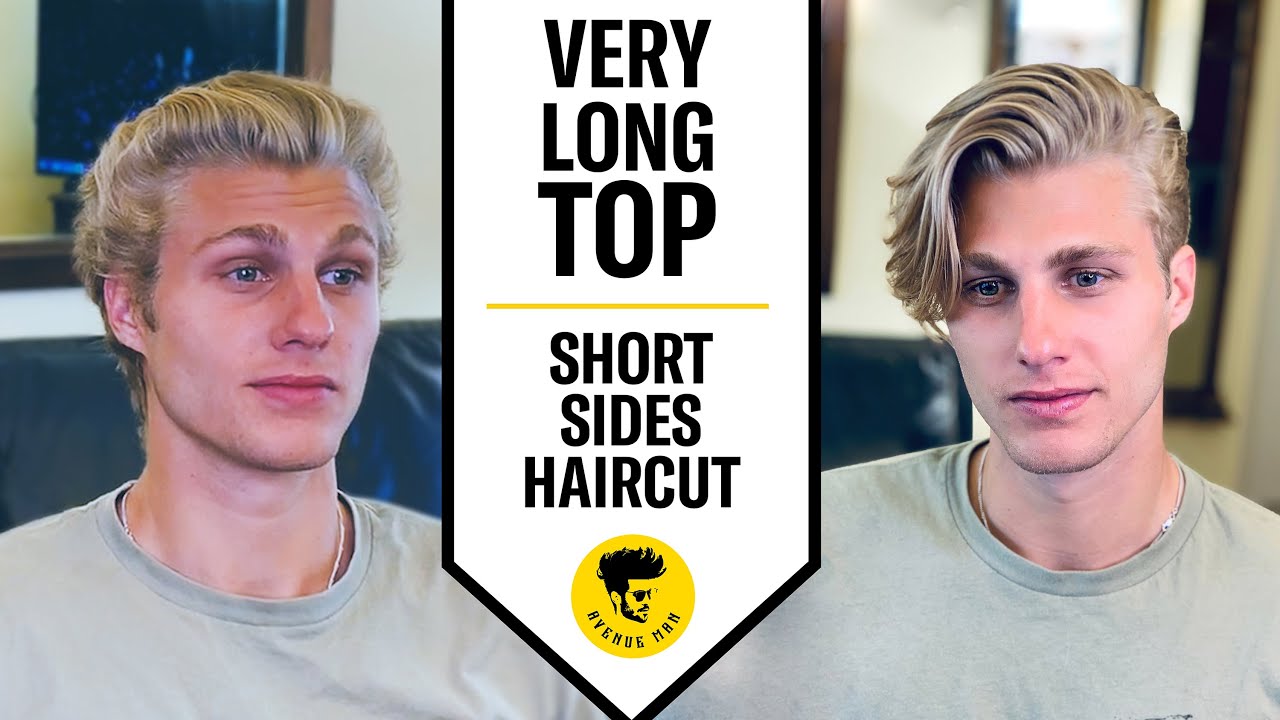
Most guys who sit in my chair know they want short sides and a longer top — but they can’t picture which variation actually works for their face and hair type. After two decades of cutting these, I’ve narrowed it down to the 25 styles that consistently deliver.
Key Takeaways
- Short sides long top haircuts work for every face shape — the key is adjusting the fade height and top length to match your features
- Ask your barber for a specific guard number on the sides (#1 to #3) and exact inches on top instead of vague descriptions
- Your hair type matters most — straight hair suits slick backs, wavy works for textured styles, and curly hair needs dry cutting for the best shape
- Fades need a trim every 3–4 weeks to stay sharp, while the top can stretch 6–8 weeks between cuts
- Style with towel-dried hair at 80% dry — pomade for shine, clay for texture, wax for hold without stiffness
Undercut
The undercut creates a bold disconnection between ultra-short sides and a longer top section. This dramatic contrast allows for versatile styling options—slick it back for business or tousle it forward for weekend vibes. The sharp line between lengths makes a statement while keeping maintenance surprisingly simple with monthly touch-ups.

Fade with Quiff
A fade with quiff combines the gradual blend of a fade haircut with voluminous height at the front. The seamless transition from skin to longer hair creates a polished foundation, while the quiff adds personality and height. This style particularly suits oval and round faces, using vertical volume to create flattering proportions.

Pompadour Fade
The pompadour fade modernizes the classic 1950s style with contemporary fading techniques. This combination features significant height and volume swept up and back from the forehead, supported by cleanly faded sides.
The result is a statement style that commands attention while maintaining modern refinement. Perfect for those with thick, straight to wavy hair who aren’t afraid of daily styling commitment.

Side Part Fade
This timeless combination features a defined part line with precisely tapered sides. The hard or soft part creates structure while the fade keeps everything fresh and contemporary. It’s the go-to choice for professionals who need versatility—formal enough for boardrooms yet relaxed enough for casual settings.

Slick Back Undercut
The slick back undercut offers maximum contrast with closely buzzed sides and a longer top swept straight back. This style works exceptionally well with pomade or gel for a glossy finish. The severe side contrast emphasizes the slicked direction, creating a bold, confident appearance that’s become synonymous with modern masculinity.

Textured Crop
A textured crop combines a choppy, layered top with a skin fade for contemporary edge. The deliberately messy texture on top contrasts beautifully with the precision fade, creating an effortlessly cool aesthetic. This low-maintenance option requires minimal styling—just some matte paste and finger-styling gets you out the door.

Messy Fringe
The messy fringe features tousled forward-falling hair paired with short, clean sides. This deliberately undone style suits most face shapes and hair types, offering a youthful, approachable vibe. The key is achieving that perfect “I woke up like this” texture while maintaining the sharp contrast with faded or undercut sides.
French Crop
This European favorite showcases a straight, blunt fringe with faded sides for a distinctly modern silhouette. The horizontal fringe line creates strong geometry that works particularly well with angular face shapes.
Many variations incorporate textured styling on top while maintaining that signature straight-cut fringe. It’s currently experiencing massive popularity among fashion-forward men seeking something different.

Textured Quiff
The textured quiff offers a more relaxed interpretation of the classic quiff style. Instead of slick perfection, this version embraces natural texture and movement while maintaining height at the front. The sides typically feature a mid to high fade that emphasizes the textured volume on top, creating an approachable yet stylish appearance.

Spiky Top Fade
A spiky top fade brings edgy attitude to the short sides, long top formula. The precisely cut top allows individual spikes to stand upright with proper product application.
This bold style works best with straight to slightly wavy hair and requires strong-hold products. It’s particularly popular among younger professionals who want personality without sacrificing professionalism.

Business Fade
The business fade maintains conservative proportions while incorporating modern fade techniques. This subtle approach keeps the length differential modest—typically a #3 or #4 guard on sides transitioning to 2-3 inches on top. The result satisfies corporate dress codes while avoiding dated appearance, making it ideal for traditional work environments.

Executive Contour
The executive contour employs subtle tapering that follows the natural head shape while maintaining substantial top length. This sophisticated approach avoids harsh lines or dramatic contrasts, instead creating a seamless flow that enhances facial features. The carefully sculpted silhouette projects authority and attention to detail, perfect for senior professionals.

Gentleman’s Cut
A gentleman’s cut preserves classic barbering shapes while incorporating modern finishing techniques. This refined style typically features scissor-cut sides that are shorter but not dramatically faded, paired with a versatile top length. The emphasis remains on clean lines and impeccable grooming rather than trendy elements, resulting in timeless sophistication that transcends fleeting fashion.

Taper Fade Combover
The taper fade combover elevates the traditional combover with precision fade work. Starting with a gradual taper that becomes progressively shorter, this style maintains enough length for a sophisticated side sweep on top. The modern fade element prevents any dated associations while the combover styling adds maturity and polish.

Mohawk Fade
A mohawk fade delivers maximum impact with a central strip of longer hair flanked by faded sides. Unlike traditional mohawks, this version uses fade techniques instead of complete shaving, making it more wearable for everyday situations. The width and height of the central section can be customized from subtle to dramatic based on personal preference.

Disconnected Undercut
This bold variation emphasizes the sharp contrast between lengths with zero blending between sides and top. The disconnected undercut makes a deliberate statement through its harsh line, often enhanced with hard parts or design elements. This style requires confidence to wear and precision to maintain, attracting attention through its uncompromising geometry.

High and Tight
The high and tight brings military precision to civilian style with extremely short sides and back that extend high up the head. The top maintains just enough length for subtle styling—typically 1-2 inches maximum. This no-nonsense cut projects discipline and efficiency while requiring minimal daily maintenance, making it popular among athletes and service members.
Long Fringe Fade
The long fringe fade features dramatic front length that can reach eye level or below, contrasted with closely faded sides. This style creates striking visual impact through the extreme length differential, allowing for various styling options from swept aside to hanging straight. It particularly suits those with straight to wavy hair who embrace statement-making styles.
Not sure what your face shape is? Our Face Shape Detector figures it out in 4 quick questions.

Man Bun Undercut
This combination maintains top knot-ready length while keeping sides ultra-clean with an undercut. The longer top section—typically 6-10 inches—can be worn down for versatility or pulled into a bun for practicality.
The undercut sides prevent bulkiness when tied up while creating dramatic contrast when worn loose. Perfect for those transitioning between professional and creative environments.

Flowing Top Taper
A flowing top taper allows for natural movement with medium-long hair on top gracefully transitioning to shorter sides. This relaxed approach works with natural texture rather than against it, creating an effortless appearance that moves freely. The taper keeps everything neat without sacrificing the flowing quality that makes this style appealing to creative professionals.

Swept Back Fade
The swept back fade combines directional styling with clean fade work for a polished yet dynamic look. The longer top section gets brushed straight back or slightly to one side, creating smooth flow lines that complement the gradual fade. This versatile style works equally well with matte or shine products, adapting to both casual and formal settings.
Angular Fringe
An angular fringe features a diagonal cut line across the forehead paired with short, faded sides. This geometric approach creates visual interest through asymmetry while maintaining overall balance.
The angled element can be subtle or dramatic depending on preference, with the fade providing a clean foundation. This contemporary style particularly flatters square and rectangular face shapes.

Curtain Bangs Fade
Curtain bangs with a fade combine the trend-forward middle-parted fringe with clean faded sides. The longer front sections frame the face on both sides while the fade keeps everything structured. I see this one requested most by guys in their twenties who want something that looks effortless but still sharp. Works best with straight to wavy hair that has some natural weight to fall forward.
Faux Hawk Fade
The faux hawk fade takes the mohawk concept and makes it office-friendly. Instead of dramatic shaved sides, a gradual fade leads up to a slightly raised central section on top. You get that same forward-thinking edge without the commitment of a full mohawk. Style it with medium-hold clay and your fingers — the goal is height with texture, not a rigid spike.
Textured Brush Back
A textured brush back keeps longer hair on top swept loosely backward with visible texture and movement. Unlike the slick back, this version avoids high-shine products in favor of matte paste for a more relaxed finish. The short faded sides anchor the look while the top stays deliberately undone. It’s one of the most requested styles from clients who want to look put-together without looking like they tried too hard.
How to Ask Your Barber for a Short Sides Long Top Haircut
Saying “short on the sides, long on top” gives your barber a starting point — but it’s vague enough to get you twenty different results. Here’s how to narrow it down so you walk out with exactly what you pictured.
Start with the sides. Tell your barber the guard number you want (a #1 is very short, a #3 gives more coverage) and whether you want a fade, taper, or undercut. Fades blend gradually from skin, tapers are more subtle, and undercuts create a sharp disconnection.
For the top, use inches or finger measurements. “Leave three inches on top” is much clearer than “a bit longer.” Also mention the direction — swept back, to the side, forward, or textured up.
Finally, bring a photo. One reference image eliminates more confusion than ten minutes of verbal description. Your barber will tell you if the style works with your hair type and face shape. For more tips, check out our full guide on how to ask for a haircut.
Best Short Sides Long Top Style by Hair Type
Your hair type determines which variation of this cut will actually look like the photo you saved on your phone. Here’s what I recommend after years of matching styles to hair.
Straight hair gives you the most options. Slick backs, pompadours, and side parts all hold their shape well. Use pomade for shine or clay for matte texture.
Wavy hair naturally adds volume and movement, making textured crops, quiffs, and brush backs look effortless. Embrace the wave instead of fighting it — a sea salt spray enhances what you’ve already got.
Curly hair creates incredible volume on top when the sides are kept tight. Curly faux hawks and textured styles work brilliantly. Ask your barber to cut curly hair dry so they can see the natural shape.
Thick hair holds any style but can get bulky fast. Thinning shears on top prevent that mushroom effect. Undercuts and disconnected styles work particularly well because the contrast stays clean.
Fine hair needs styles that create the illusion of volume. Textured crops and French crops are your best friends — the choppy layers make thin hair look fuller. Avoid heavy products that weigh hair down.
How to Style and Maintain Your Cut
Getting the cut is half the job — keeping it sharp between visits is the other half.
For daily styling, start with towel-dried hair that’s about 80% dry. Apply your product (pomade for slick styles, clay or paste for texture, wax for hold without stiffness) and use a blow dryer on medium heat to set the shape. Always blow dry in the direction you want the hair to fall.
The sides grow out fastest and make your cut look dated first. Book a trim every 3–4 weeks for fades, or every 4–5 weeks for tapers. The top can go 6–8 weeks between cuts depending on how long you’re growing it.
Between visits, a boar bristle brush trains your hair to fall where you want it. Brush your top section into place after showering, even on days you don’t style it. This builds muscle memory in the hair over time.
FAQs: Short Sides Long Top
What face shape suits short sides long top?
Short sides with long top styles work with virtually every face shape when properly customized. Round faces benefit from added height on top to create length, while square faces can soften angles with textured styling.
Oval faces have the most flexibility, and oblong faces should avoid excessive top height. The key is adjusting proportions—your barber can modify the fade height and top length to optimize your specific features.
How often should I get a short sides haircut?
Most men need a trim every 3-4 weeks to maintain sharp-looking short sides. Skin fades require the most frequent maintenance at 2-3 weeks, while longer tapers can stretch to 4-5 weeks.
The top typically needs trimming every 6-8 weeks depending on growth rate and desired length. Consider your lifestyle and budget when choosing your specific variation.
What product works best for styling longer tops?
Product choice depends on your desired finish and hair type. Pomades offer high shine and strong hold for slicked styles, while clays and pastes provide textured, matte finishes.
Thick hair benefits from stronger holds, while fine hair needs lighter products to avoid weighing down. Start with a small amount and build up—you can always add more but can’t take it back once applied.
What is a short sides long top haircut called?
There’s no single name — it’s an umbrella term covering dozens of specific styles. The most common variations include the undercut (sharp disconnection between sides and top), the fade (gradual blend from short to long), and the taper (subtle transition). Depending on how the top is styled, you might hear it called a pompadour, quiff, slick back, or textured crop. When talking to your barber, naming the specific variation gets better results than just saying “short sides, long top.”
How do you ask for a short sides long top haircut?
Be specific about three things: the sides (guard number and fade type), the top (length in inches and styling direction), and bring a reference photo. For example, instead of “short sides, long on top,” say “number 2 guard mid fade with 4 inches on top, swept back.” Your barber can then adjust based on your hair type and face shape.
Was this article helpful?
Ready to Find Your Perfect Cut?
You’ve read about the styles. Now find the one that fits YOUR face shape, hair type, and lifestyle.

Khamis Maiouf is a professional barber who graduated from Hinckley College in England with a Level 3 qualification in hairdressing. With over 20 years of experience, he is an award-winning barber who has mentored numerous students and styled thousands of clients. A recognised expert featured on StyleCraze (20M+ readers).
Credentials: Level 3 Hairdressing (Hinckley College, UK) • 20+ Years Professional Experience • Featured Expert on StyleCraze • Founder of Book of Barbering