

Most guys who sit in my chair asking for “just some texture” are actually asking for layers without knowing it. After cutting hair for over two decades, I can tell you layering is the single best technique to add movement, depth, and personality to any hair type.
These are 25 layered haircuts I stand behind — each one tested on real clients, not just styled for a photoshoot.
Key Takeaways
- Layered haircuts work for every hair type — thick, thin, wavy, straight, and curly — by adding natural movement and reducing bulk
- Short layered cuts (textured crop, choppy spikes) need trims every 3–4 weeks, while longer styles can stretch to 6–8 weeks
- Choose layers based on your face shape: add height for round faces, use texture for square faces, and add width for oblong faces
- Style layered hair on towel-dried hair using matte clay for short layers or sea salt spray for longer styles
- All 25 cuts are barber-tested and organized to help you find the right match for your hair type and lifestyle
What Are Layered Haircuts (and Why They Work)
A layered haircut is exactly what it sounds like — your barber cuts hair at different lengths throughout the head instead of one uniform length. The shorter pieces sit on top of longer pieces, creating natural movement and reducing bulk where you don’t want it.
Here’s why layers matter: hair cut at a single length sits flat and heavy. It has nowhere to go. Layers give each section of hair its own path, so the whole cut moves, falls, and styles differently than a blunt chop ever could.
I use layering on about 70% of the cuts I do — whether it’s subtle blending on a business cut or aggressive choppy texture on a modern shag. The technique adapts to any length, any hair type, and any lifestyle. That’s why it’s the foundation of almost every good men’s haircut.
Textured Crop
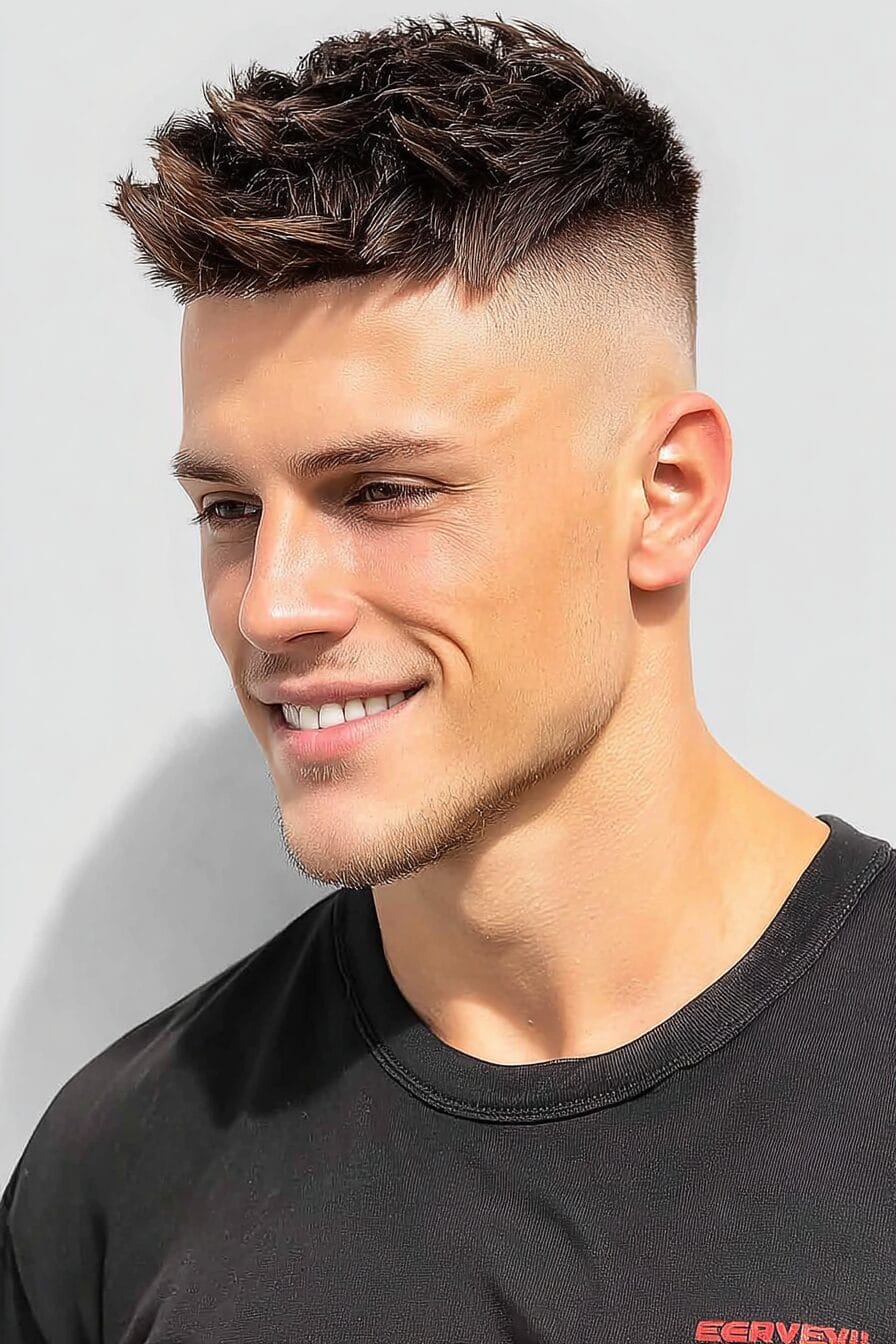
The textured crop features short layers on top with a slightly longer fringe that creates natural movement. This low-maintenance cut works perfectly for thick hair that needs thinning, while the choppy texture adds definition to finer hair types. Style it messy with matte clay or sweep it neat for versatility.

Layered Buzz Cut
A layered buzz cut introduces subtle length variations to the traditional buzzcut for unexpected dimension. Rather than one uniform length, your barber creates micro-layers that catch light differently, adding visual interest to this ultra-short style.

Choppy Spikes
Choppy spikes combine short, uneven layers styled upward for an edgy, textured finish. The irregular lengths create natural separation between spikes, eliminating that uniform gel-helmet look. Perfect for straight to wavy hair that holds product well.

Messy Short Layers
This tousled, bedhead-style cut embraces controlled chaos through strategic layering. The varying lengths create natural texture that looks effortlessly styled, even straight out of bed. It’s particularly forgiving for busy mornings.

Layered Ivy League
The layered Ivy League updates the classic collegiate cut with modern texture techniques. While maintaining the traditional shape, subtle layers throughout add movement and prevent the style from looking too rigid or flat. Ideal for professional settings that allow personality.
Shaggy Layers
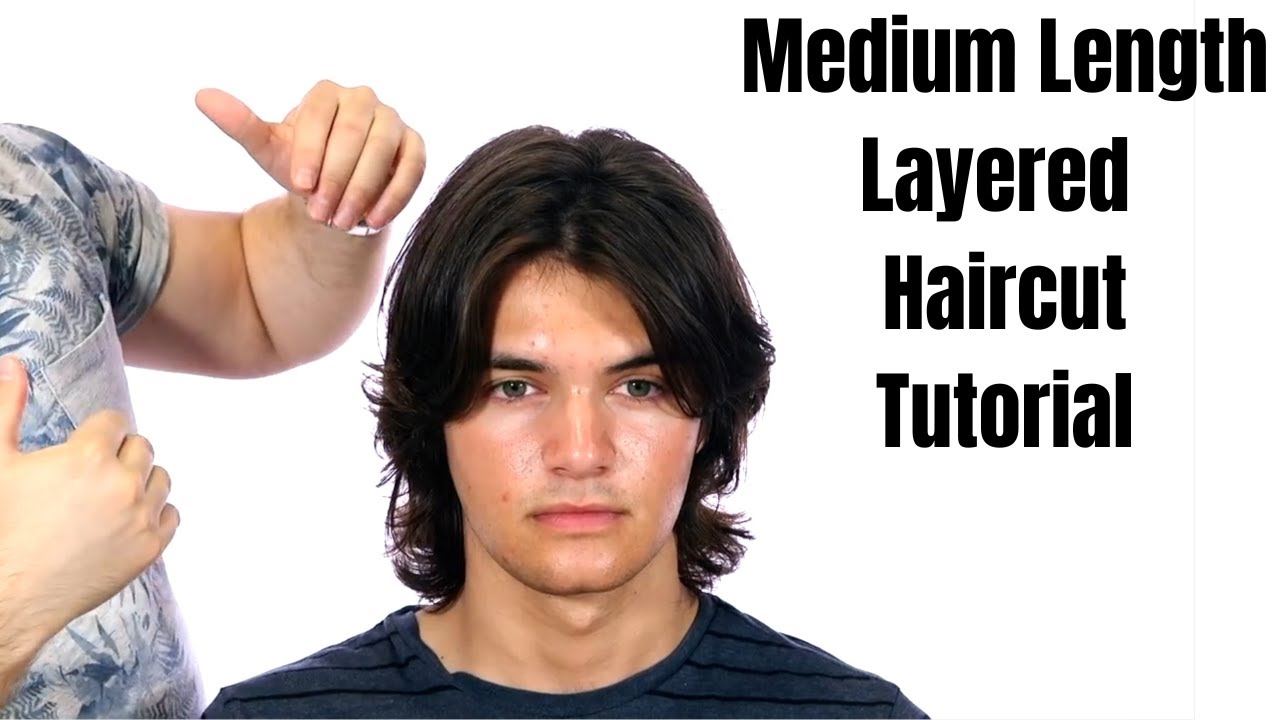
A 70s-inspired shaggy layer cut delivers maximum movement through heavy layering throughout. This style creates a naturally tousled appearance with pieces that fall at different lengths, perfect for thick hair that needs weight removal. The result feels both retro and completely contemporary when styled with modern products.

Layered Quiff
The layered quiff builds impressive volume at the front through graduated layers that stack perfectly. Each layer supports the next, creating height without requiring excessive product. The technique works especially well for fine to medium hair seeking more body.

Textured Fringe
Textured fringe features layered bangs with deliberately choppy edges that frame the face naturally. This technique prevents the heavy, blunt look of traditional bangs while adding movement. Works brilliantly for covering high foreheads or softening angular features.
Modern Mullet
Today’s modern mullet incorporates subtle layers throughout rather than the harsh contrast of classic versions. The graduated layering creates a seamless flow from shorter front to longer back, making it surprisingly versatile and actually wearable in professional settings.

Layered Side Part
A layered side part adds depth to this timeless style through strategic texture placement. The layers create natural volume on the heavier side while keeping the part crisp and defined. It’s the perfect evolution of a classic look.
Surfer Hair
Surfer hair uses long, beachy layers to create that effortless wave-rider aesthetic. The layers are cut to enhance natural movement, especially when air-dried or scrunched with sea salt spray. This style thrives on texture and works best with wavy to curly hair that’s grown past the shoulders.

Layered Man Bun
The layered man bun features long layers that look great both tied up and worn loose. When down, the layers create movement and prevent that heavy curtain effect. When bunned, shorter layers around the face add softness and frame your features naturally.

Rock Star Shag
A rock star shag goes all-in with heavy layers and maximum texture. This rebellious cut features dramatic length variations that create a lived-in, concert-ready vibe. The aggressive layering removes bulk while maintaining length, perfect for thick hair that needs serious thinning.

Layered Shoulder Length
Layered shoulder-length hair uses graduated layers to create natural flow and movement. The technique prevents the style from looking too heavy or triangular at the bottom, instead creating a balanced shape that moves beautifully.

Wolf Cut
The wolf cut combines shag and mullet elements with heavy layering throughout for a wild, textured finish. This trending style features shorter layers on top that gradually lengthen toward the back, creating incredible volume and movement. It’s become the go-to choice for those wanting maximum personality in their cut.

Layered Business Cut
A layered business cut adds subtle texture to maintain professional appropriateness while avoiding the helmet-hair look. The conservative layering technique creates just enough movement to look modern without appearing unkempt in corporate settings.

Textured Pompadour
The textured pompadour modernizes this classic with strategic layering techniques. Instead of one solid wave of hair swept back, layers create natural separation and texture within the pomp. This approach requires less product and delivers more natural-looking height.

Layered Taper
A layered taper keeps sides clean while the top features textured layers for contrast. This versatile cut bridges casual and formal, with the layers adding interest without sacrificing the sharp, tapered outline that defines the style.

Executive Contour
The executive contour uses sophisticated layering to create refined texture suitable for mature professionals. This technique adds dimension without appearing trendy or juvenile, perfect for executives wanting to update their look while maintaining gravitas.
Layered Comb Over
A layered comb over transforms the traditional style with added dimension and movement. The layers prevent the swept-over section from looking flat or plastered down, instead creating natural volume and texture that modernizes this classic cut.
Not sure what your face shape is? Our Face Shape Detector figures it out in 4 quick questions.

Disconnected Layers
Disconnected layers create dramatic contrast between different sections of hair. Rather than blending smoothly, the layers deliberately jump in length, creating an edgy, artistic effect. This bold technique suits creative professionals and fashion-forward individuals seeking something unique.

Asymmetrical Layers
Asymmetrical layers feature intentionally uneven lengths that create an artistic, avant-garde appearance. One side might be significantly shorter or more heavily layered than the other, perfect for those who want their haircut to make a statement.

Layered Undercut
The layered undercut combines extreme side contrast with a heavily textured top. While the sides stay buzzed or faded, the top features multiple layer lengths that can be styled in various directions. This versatility makes it popular among younger professionals.

Razor Cut Layers
Razor cut layers create sharp, defined texture throughout the hair using a straight razor technique. This method produces softer, more feathered edges than scissors, resulting in layers that blend seamlessly while maintaining distinct movement.

Layered Mohawk
A layered mohawk softens the punk classic with textured edges rather than sharp lines. The layers create a more wearable version that can be styled up for impact or down for subtlety, making this once-extreme cut surprisingly versatile.

How to Choose the Right Layers for Your Hair Type and Face Shape
Not every layered cut works for every guy. The right choice depends on two things: what your hair naturally does, and the shape of your face.
By Hair Type
Thick hair: You need layers. Without them, thick hair sits heavy and shapeless. Go for cuts like the textured crop, choppy spikes, or razor cut layers — anything that removes weight while adding definition.
Fine or thin hair: Layers can actually make fine hair look fuller by creating the illusion of volume. The layered quiff, textured pompadour, and layered ivy league all work well because they build height without needing a lot of hair to pull it off.
Wavy or curly hair: Layers are your best friend. They let curls fall naturally instead of bunching up into a shapeless mass. The shaggy layers, surfer hair, or wolf cut all embrace natural texture rather than fighting it.
Straight hair: Straight hair benefits from layers that add movement it doesn’t have on its own. The layered side part, modern mullet, or textured fringe all create visual interest that straight, blunt cuts lack.
By Face Shape
Oval: Almost any layered cut works. You’ve got the most versatile canvas — the textured crop, layered quiff, and executive contour are all solid picks.
Round: Go for cuts that add height and reduce width. The textured pompadour, layered undercut, and disconnected layers create vertical lines that elongate your face.
Square: Your strong jawline pairs well with textured, slightly messy layers. The layered side part, shaggy layers, and rock star shag soften angular features without losing that masculine edge.
Oblong: Avoid too much height on top. The layered buzz cut, textured fringe, and messy short layers add width and balance to a longer face shape.
Styling and Maintenance Tips for Layered Hair
Layers only look as good as how you maintain them. Here’s what I tell every client who walks out with a layered cut:
Use the right product for your layer type. Matte clay or paste works best for short, choppy layers. Cream or light pomade suits medium layers that need hold without stiffness. For longer flowing layers, a sea salt spray or texturizing spray is all you need.
Always style on towel-dried hair. Layers set best when your hair is about 80% dry. Too wet and the product slides off. Too dry and you’re fighting against the hair’s natural set.
Blow-dry with direction. Point the dryer in the direction you want the hair to fall. For volume, dry upward at the roots. For texture, scrunch sections while drying. A round brush adds control to medium and longer layers.
Get trims on schedule. Layered cuts grow out faster than blunt cuts because the different lengths start merging together. Short layered styles need trims every 3–4 weeks. Longer layered cuts can stretch to 6–8 weeks.
Don’t over-wash. Washing every day strips the natural oils that help layers sit properly. Every 2–3 days is the sweet spot for most guys. On off days, a dry shampoo refreshes without resetting your style.
FAQs: Layered Haircuts For Men
What face shape suits layered hair?
Layered haircuts work with every face shape when customized correctly. Round faces benefit from layers that add height and elongate features.
Square faces look great with softer, textured layers that balance angular jawlines. Oval faces can pull off virtually any layered style, while oblong faces should focus on layers that add width rather than height. The key is working with your barber to adjust layer placement and intensity.
How often should men get layered haircuts trimmed?
Men with layered cuts should schedule trims every 4-6 weeks to maintain shape and definition. Shorter layered styles need more frequent maintenance, sometimes every 3-4 weeks, to keep their structure.
Longer layered cuts can stretch to 6-8 weeks between appointments. Regular trimming prevents layers from growing out unevenly and losing their intended effect. Missing trims can make layers appear stringy or disconnected.
Do layers make hair look thinner or thicker?
Layers can create both effects depending on technique. For thick hair, layers remove bulk and create movement, making hair appear less dense but more manageable.
For thin hair, strategic layering adds texture and dimension that creates an illusion of fullness. The key is proper layer placement—too many layers in fine hair can make it look stringy, while insufficient layers in thick hair won’t provide enough weight removal.
How do you style layered hair for men?
Start with towel-dried hair — about 80% dry is the sweet spot. For short choppy layers, work a small amount of matte clay or paste through with your fingers. For medium layers, use a cream or light pomade for hold without stiffness. Longer layers do best with a sea salt spray or texturizing product. Blow-dry in the direction you want the hair to fall, and use a round brush for more control.
Are layered haircuts high maintenance?
It depends on the style. Short layered cuts like the textured crop or choppy spikes need trims every 3–4 weeks to keep their shape, so they’re moderately high maintenance. Medium and longer layered styles can go 6–8 weeks between cuts and are easier to maintain day-to-day. The trade-off is that layers style faster than blunt cuts — most layered haircuts take less than five minutes to style once you know the technique.
Was this article helpful?
Ready to Find Your Perfect Cut?
You’ve read about the styles. Now find the one that fits YOUR face shape, hair type, and lifestyle.

Khamis Maiouf is a professional barber who graduated from Hinckley College in England with a Level 3 qualification in hairdressing. With over 20 years of experience, he is an award-winning barber who has mentored numerous students and styled thousands of clients. A recognised expert featured on StyleCraze (20M+ readers).
Credentials: Level 3 Hairdressing (Hinckley College, UK) • 20+ Years Professional Experience • Featured Expert on StyleCraze • Founder of Book of Barbering