

Your hair changes as you age—that’s a fact. But looking sharp? That has no expiration date. The right hairstyle for an older man works with your natural texture, complements your face shape, and fits your daily routine without demanding 20 minutes in front of a mirror.
After styling thousands of clients over 50 in my chair, I’ve learned one thing: the best cuts for mature men aren’t about hiding gray or disguising thinning. They’re about using what you have with intention. A well-chosen cut communicates confidence before you say a word.
Below, you’ll find every proven style organized by length, type, and lifestyle—plus guidance on face shapes, what to avoid, and exactly what to tell your barber.
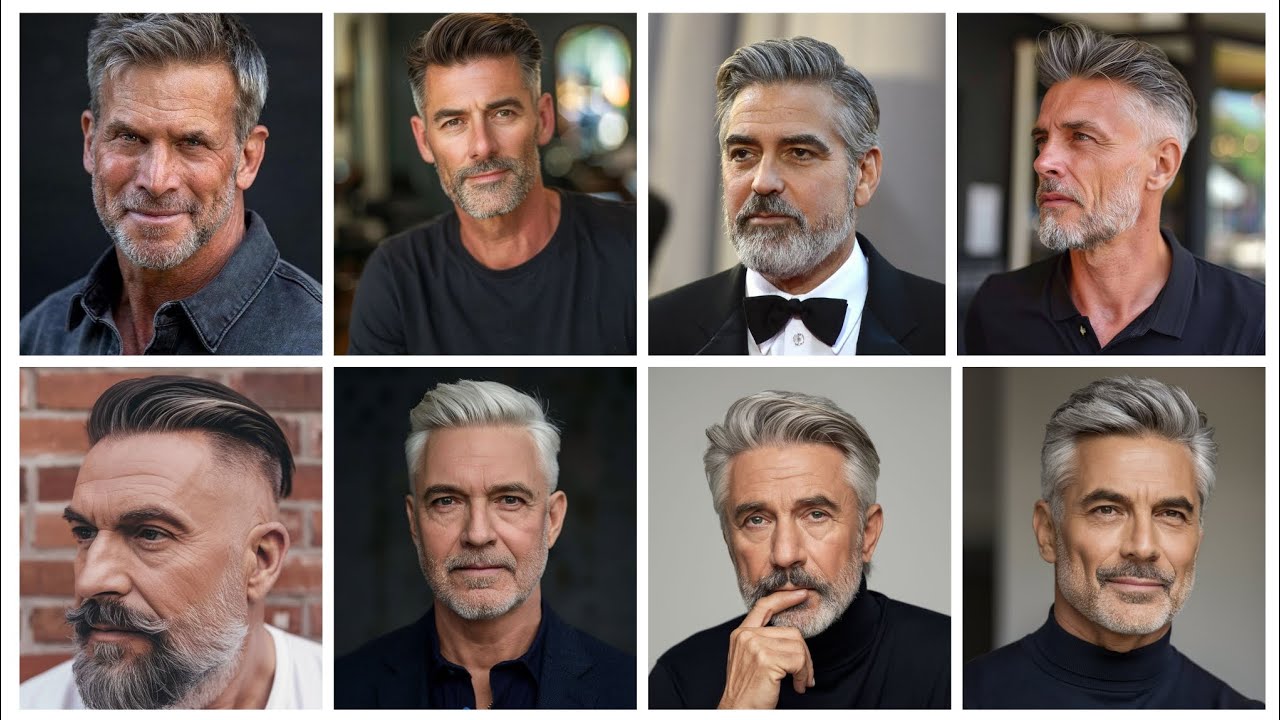
Whatever your age, the 25 best haircut styles for men still apply — face shape and hair type matter more than age.
In Plain English: Hairstyles For Older Men
The pairing of hair and beard often strengthens mature profiles. A well-matched combination communicates ruggedness or sophistication depending on the balance you strike between length, texture, and grooming level.
The simplest rule: contrast creates interest. If your hair is short (buzz cut, crew cut), a fuller beard adds dimension to your face. If your hair is longer or has volume (pompadour, brush back), keep the beard trimmed shorter to avoid visual overload. A short boxed beard pairs with nearly any haircut and is the most versatile option for older men.
Gray beard and hair together is one of the most striking looks in men’s grooming. Don’t fight it—lean into the uniformity. Use beard oil to keep facial hair soft and hydrated, and match your beard’s neckline to your haircut’s fade or taper line for a cohesive, intentional appearance. If your beard grows patchy, a shorter stubble length often looks fuller and cleaner than trying to grow it out.
Classic Short Hairstyles For Older Men
Short hairstyles remain a reliable foundation because they keep edges smart. They balance neat grooming with a masculine presence that works at any stage of life.
You eliminate unnecessary fuss and achieve styles versatile enough for both casual weekends and formal gatherings. These cuts embrace thinning hair while keeping proportions balanced.
- Everyday ease: Minimal styling, maximum visual payoff.
- Timeless appeal that feels professional in any setting.
- Practical length for efficient morning routines.

Timeless Crew Cut
This cut sits low and clean, requiring almost no daily styling. It works well for men balancing busy routines with a need for sharp presence.
The crew cut also balances maturity with structured lines. It’s a dependable option for thinning crowns yet stylish enough for younger executives.

Buzz Cut Confidence
The buzz addresses thinning hair directly instead of disguising it. Sharp clippers bring out strong head shape and reveal a masculine edge.
Best of all, you can maintain it with very minimal effort. Frequent trims preserve crisp definition, sending a clear signal of self-assurance and practicality.

French Crop
The French crop keeps hair short on top with a blunt, textured fringe that falls forward. It works particularly well for older men because that forward fringe naturally covers a receding hairline without looking like you’re trying to hide anything.
Ask your barber for a scissor-cut top with about two inches of length, tapering into shorter sides. The texture comes from point cutting the ends, which removes bulk and creates natural movement. Style with a small amount of matte paste worked through towel-dried hair—push forward and let it sit.
Medium-Length Hairstyles For Older Men
Medium hair gives older men room for expression without becoming unkempt. You can sweep, part, or layer while still showing discipline in grooming.
These cuts work especially well with natural silver tones. They provide controlled volume that flatters face shapes and adds subtle, stylish variety.

Side Part Sophistication
The classic side part feels structured and orderly. It’s a reliable choice to highlight gray streaks while giving definition.
Low shine pomade or matte paste often works best for styling. You get refinement without appearing overly styled, especially in professional context.

Classic Comb Over
This style doesn’t signal desperation the way old clichés warned. A modern comb over simply controls direction while covering thinning gracefully.
It’s best when kept lightweight and not forced. With precise tapering around ears, it blends clean edges with controlled upper length.

Textured Layers
Adding layers creates movement, making fine hair look fuller. It livens up what might otherwise sit flat or limp.
Textured cutting also means less time styling each morning. Hair naturally falls into shape, helping you look intentional yet relaxed.

Modern Pompadour
The pompadour isn’t reserved for younger men. A mature version uses less extreme height and more natural volume, creating fullness on top that balances a wider face or prominent forehead. The key difference: instead of slicking it rigid, you brush it up and slightly back with a medium-hold product for a relaxed lift.
This style requires about three to four inches on top and works best with tapered sides. If your hair is thinning at the crown, the pompadour redirects attention forward and upward. I style this on clients using a blow dryer on medium heat, lifting at the root while directing hair backward. Finish with a flexible pomade rather than gel—you want movement, not a helmet.
Brush Back
The brush back is exactly what it sounds like: hair swept off the forehead toward the crown with a clean, flowing direction. It’s one of the most flattering cuts for older men because it opens up the face and highlights strong features like a defined jawline or prominent brow.
Unlike the slick back, the brush back keeps texture visible. You towel-dry, apply a lightweight cream or sea salt spray, and brush backward with your fingers or a wide-tooth comb. The sides stay tapered or faded depending on your preference. This cut works with both gray and salt-and-pepper hair, giving a distinguished appearance that takes under two minutes to style.
Longer Hairstyles For Older Men
For men with thicker growth, longer lengths can make striking statements. These aren’t scruffy looks—they’re styled flows with controlled precision.
Longer cuts pair well with strong jawlines or facial hair. They emphasize maturity while signaling freedom and confidence.

Fade Hairstyles For Older Men
Fades bring clean outlines while letting you decide how much scalp shows. They freshen up traditional cuts with intentional separation and precision blending.
Whether high, mid, or low, fades create contrast. For older men, they modernize looks without feeling forced, pairing nicely with beards or silver hair.

Taper Hairstyles For Older Men
Tapers provide gradual transitions without the scalp reveal of fades. They’re subtle, professional, and naturally flattering on mature faces.
Barbers favor them for work settings or formal events. They give structure at the sides while keeping overall appearance balanced.

Textured Hairstyles For Older Men
Texture transforms ordinary cuts into fuller looks by creating movement. It’s particularly useful for fine or thinning strands.
Correct layering or scissor-point techniques introduce lively dimension. Styled properly, it looks intentional yet not overdone, adding character and volume.

Slick And Polished Hairstyles For Older Men
Slick styles rely on fine grooming products for shine and hold. They suit men who enjoy a refined finish with deliberate structure.
Combined with combs and consistent maintenance, these looks create authority. They emphasize precision, transforming hair into a statement of control.

Beard And Hairstyle Combinations
The pairing of hair and beard often strengthens mature profiles. Each pairing communicates ruggedness or sophistication depending on balance.
When executed intentionally, these combinations appear timeless. They embody masculine confidence, reinforcing hair choices rather than competing with them.

Low-Maintenance Hairstyles For Older Men
Low-maintenance options prioritize function without dropping style. They’re tailored to men uninterested in complex products or long mirror sessions.
The result is freedom: easy upkeep, quick styling, and consistent neatness. You retain professional presentation with little fuss.

Wash-And-Go Medium Cut
This keeps length modest but requires minimal shaping. Simply drying is often sufficient.
Hair still projects intentional look. It maintains presence without dependency on products or tools.

Natural Texture Embrace
Natural looks emphasize personal hair pattern. This approach reduces overstyling.
Older men get easy authenticity. Rather than fighting growth, you showcase character with minimal maintenance obligation.

How To Choose The Right Style For Your Face Shape
Your face shape determines which cuts flatter you most. After two decades of consultations, I’ve found that most men fall into one of four categories—and each one has clear winners and styles to avoid.
Oval face: You have the most flexibility. Nearly every style works, from buzz cuts to pompadours. The balanced proportions mean you can experiment freely. Avoid overly flat styles that make your face look longer than it is.
Round face: Create the illusion of length with height on top and shorter sides. A side part, textured crop, or pompadour adds vertical dimension. Avoid anything that adds width at the sides, like bushy sideburns or ear-length cuts without tapering.
Square face: Your angular jawline is an asset—work with it. Short, clean cuts like crew cuts and fades complement strong features. Slightly longer, textured tops soften the look without hiding your bone structure. Avoid very long styles that obscure your jawline.
Oblong or rectangular face: You want to avoid adding height. Skip tall pompadours or anything that elongates further. Instead, go for styles with side volume or a fringe that shortens the forehead visually. A classic side part with some width works well, as does a textured crop with a forward fringe.
Hairstyles For Thinning Hair
Thinning requires strategy rather than concealment attempts. Cuts that add motion or reduce length tend to flatter.
With proper guidance, thinning can appear stylish. Texture, shorter sides, and intentional structure all help redirect attention.

Seasonal Hairstyles For Older Men
Climate often dictates haircut choice. Seasonal shifts influence product usage and preferred lengths.
Older men adjust styles wisely to remain comfortable year-round. Balancing climate with looks prevents discomfort or overgrowth.

Summer Short Crop
A lighter cut functions well during heat. Shortness reduces weight and glossy sweat.
It’s refreshingly simple. This style keeps men cool while staying neat and structured under summer sun.

Winter Longer Style
Adding length in colder seasons provides warmth. Fuller coverage guards scalp naturally.
Yet neat grooming remains important. Long winter looks work provided regular trimming polishes shape actively.

Transitional Medium Cut
Medium length thrives between extremes. It’s adaptable for shifting weather conditions.
Styling stays versatile year round. The cut avoids dramatic adjustments while supporting consistent, balanced maintenance.

Ready to Find Your Perfect Cut?
You’ve read about the styles. Now find the one that fits YOUR face shape, hair type, and lifestyle.
Hairstyles Older Men Should Avoid
Not every trending style translates well to mature hair. Here are the cuts I steer clients away from—and why.
Extreme undercuts: A dramatic disconnect between a long top and shaved sides can look jarring on older men. The contrast draws attention to thinning areas and often appears like you’re trying too hard. A tapered transition always looks more refined.
Overly long and unshaped hair: Growing your hair long without regular trims reads as neglect, not style. If you want length, commit to maintenance every five to six weeks. Shapeless long hair ages you faster than almost any other choice.
Jet-black dye over fully gray hair: Harsh, single-process dark color creates an unnatural contrast against aging skin. It almost always looks obvious and draws more attention to age rather than less. If you want to color, go two to three shades lighter than your original color, or embrace the gray entirely.
The classic comb-over cover-up: There’s a difference between a modern comb over (which redirects hair with texture and volume) and the old-fashioned version that stretches sparse strands across a bald spot. The latter fools no one. If your hair is significantly thin on top, a shorter buzz or textured crop will always look better.
How To Talk To Your Barber About Your Cut
The conversation you have before the clippers turn on matters more than most men realize. A good barber consultation takes 60 seconds and saves you weeks of frustration with a cut that doesn’t work.
Bring a reference photo. Even a rough visual gives your barber a starting point. It’s not about copying someone else’s look—it’s about communicating direction, length, and feel. Photos eliminate the gap between what you imagine and what your barber hears.
Mention your daily routine. Tell your barber whether you use product, how much time you spend styling, and whether you blow-dry. A cut that requires 15 minutes of styling every morning is wrong for a man who wants to towel-dry and go. Your barber can adjust technique and length to match your actual lifestyle.
Be honest about thinning. Your barber can see it, and they’re not judging. The more open you are about where hair is thinning, the better they can design a cut that works with those areas rather than against them. Mention if you’ve noticed changes in density, texture, or hairline—it all informs the approach.
Ask about maintenance. Before you leave the chair, ask how often you should come back and what products to use at home. A great haircut with the wrong maintenance schedule deteriorates fast. Most styles for older men need a trim every three to five weeks to stay sharp.
FAQs
What Is The Easiest Hairstyle For Older Men To Maintain?
The easiest style is usually a close buzz or crew cut. These require almost no daily styling and only periodic trims. Both handle thinning well and maintain a neat, deliberate impression with minimal effort, making them perfect for low-maintenance grooming.
Which Hairstyles Work Best For Thinning Hair?
Textured crops, short buzzes, and comb overs with tapering work best. They minimize contrast between thicker and thinner zones. These styles add movement or structure, redirecting focus toward overall balance instead of sparsity in the crown or hairline.
How Can Older Men Look Younger With The Right Haircut?
You can look younger by adding texture, keeping sides shorter, and leaving some length on top for movement. Avoid overly long styles. A balanced beard alongside a clean haircut also gives definition, distracting from age lines and presenting vibrant, youthful energy.
Do Gray Hairstyles Require Special Products?
Gray hair often benefits from purple shampoos to prevent yellowing. Hydrating conditioners keep coarser strands softer. Using medium-hold products rather than heavy grease maintains control without weighing down silver or white hair, resulting in fresher, well-kept styling with natural brilliance.
Should Older Men Grow Their Hair Long?
Long hair can look excellent on older men, provided two conditions are met: your hair has enough density to avoid looking sparse, and you maintain it with regular trims every five to six weeks. Silver or white long hair is particularly striking when kept healthy and shaped. If your hair is thinning significantly, shorter styles usually create a stronger impression. The deciding factor is commitment to upkeep—long hair that’s neglected ages you, while long hair that’s maintained distinguishes you.
What Is The Best Haircut For A 60 Year Old Man?
The best haircut for a man in his 60s depends on hair density and lifestyle, but the most universally flattering options are a textured crop, classic side part with a taper, or a short buzz cut. These styles require minimal daily effort while keeping your appearance sharp and intentional. If you still have good density, a brush back or modern pompadour can add a distinguished edge. The priority at 60 is a cut that works with your natural hair texture rather than fighting it.
Was this article helpful?

Khamis Maiouf is a professional barber who graduated from Hinckley College in England with a Level 3 qualification in hairdressing. With over 20 years of experience, he is an award-winning barber who has mentored numerous students and styled thousands of clients. A recognised expert featured on StyleCraze (20M+ readers).
Credentials: Level 3 Hairdressing (Hinckley College, UK) • 20+ Years Professional Experience • Featured Expert on StyleCraze • Founder of Book of Barbering