

Here’s what I tell every client who asks about hair care: forget the 10-step routines and expensive product collections. Your hair needs three things done right — proper washing, the right products for your hair type, and consistent trims.
This guide breaks down exactly what works based on 20+ years behind the chair — daily habits, product selection by hair type, and the lifestyle factors most men overlook.
Not sure which style suits you best? Our Haircut Finder Quiz matches you with the right cut based on your face shape and hair type — takes 60 seconds.
Key Takeaways
- Wash hair 2-3 times per week with lukewarm water — daily shampooing strips natural oils and causes more damage than it prevents.
- Choose products based on your specific hair type — straight, wavy, curly, and coily hair each need different formulas and routines.
- Schedule trims every 4-6 weeks — waiting too long lets split ends travel up the shaft, requiring shorter cuts to fix.
- What you eat directly affects your hair — protein, biotin, and omega-3s are the key nutrients for stronger, healthier growth.
- Address thinning early — most men notice hair loss by 35, and the sooner you act, the more options you have.
Foundation: The Essentials
Every successful hair care routine starts with three non-negotiables: proper washing frequency, the right water temperature, and consistent trimming. These basics apply whether you have thick curls or fine straight hair.
Most men damage their hair by overwashing with hot water and using harsh products. Your scalp produces natural oils that keep hair healthy – work with them, not against them.
Quality matters more than quantity with hair care. One good shampoo beats five mediocre products every time.

Daily Hair Care Routine
Morning Routine
Start with lukewarm water to open the hair cuticle without stripping oils. Apply shampoo to your scalp only, massaging for 30 seconds before rinsing.
After showering, pat hair dry instead of aggressive rubbing. Apply product to damp hair, starting with a dime-sized amount. Style with your fingers first, then use tools if needed.

Evening Care
Before bed, brush or comb through your hair to distribute natural oils and remove product buildup. This prevents tangles and reduces morning styling time.
If you use heavy styling products, rinse with water before sleeping. Consider a silk pillowcase to reduce friction and prevent bedhead – it really makes a difference.

Understanding Your Hair Type
Straight Hair
Straight hair tends to get oily faster since sebum travels easily down the hair shaft. You’ll likely need to wash every 2-3 days.
Use lightweight products like mousse or texture spray. Heavy creams will weigh your hair down and make it look greasy by noon. Focus on adding volume at the roots.
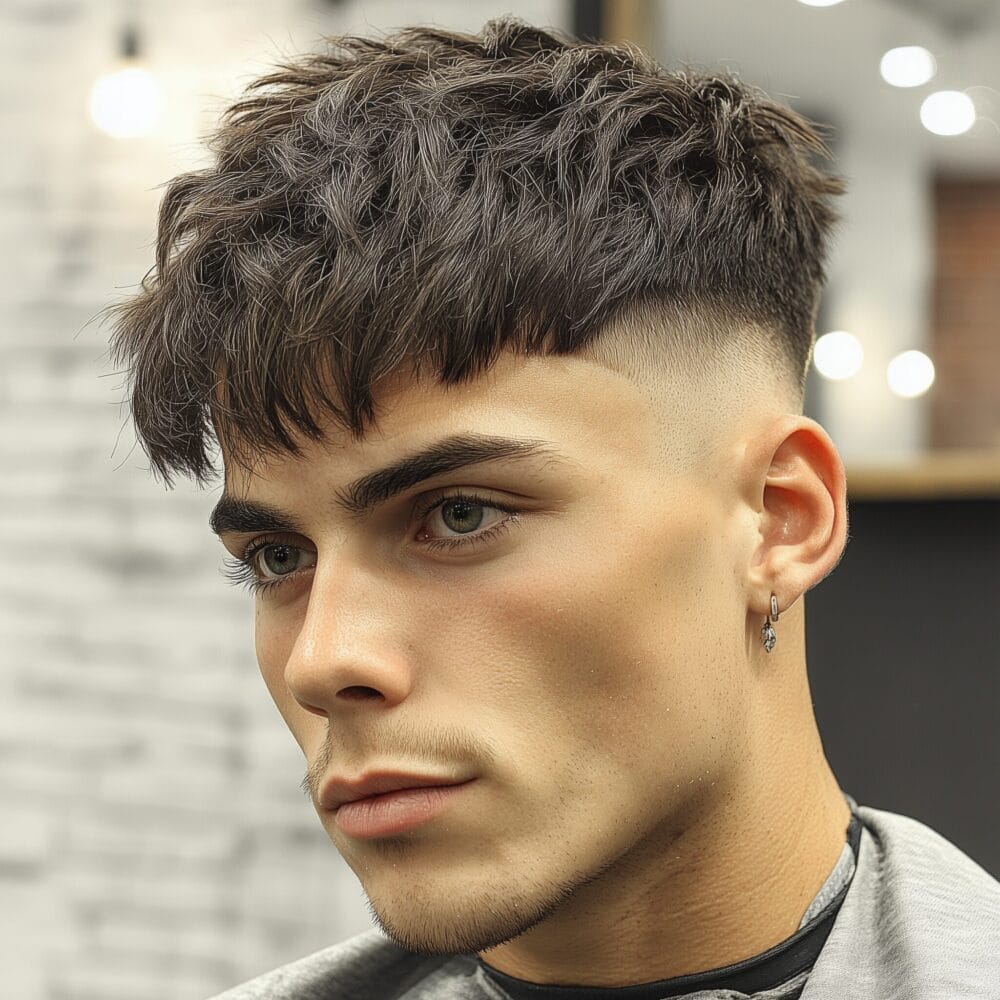
Wavy Hair
Wavy hair sits between straight and curly, often changing texture based on humidity and styling. Your waves need moisture without weight.
Sea salt sprays and light creams work best. Scrunch products in while damp and let hair air dry when possible. Avoid brushing dry waves – it creates frizz.

Curly Hair
Curly hair requires more moisture than any other type. The spiral shape prevents natural oils from traveling down the hair shaft effectively.
Use sulfate-free shampoo and deep condition weekly. Apply leave-in conditioner to soaking wet hair, then a curl cream. Never brush curls when dry – detangle in the shower with conditioner.

Coily Hair
Coily hair is the most fragile texture and needs gentle handling. Protective styling and moisture retention are your primary concerns.
Co-wash between shampoos and use heavy creams or butters. Sleep with a satin durag or bonnet. Trim every 6-8 weeks to prevent breakage from traveling up the shaft.

Weekly Maintenance Schedule
🧠 Expert Advice
Schedule your deep conditioning treatments for Sunday nights when you have time to let them sit properly. Apply the mask after shampooing, cover with a shower cap, and leave for 20 minutes while you relax.
The heat from your scalp opens the cuticle, allowing nutrients to penetrate. Do this weekly for damaged hair, bi-weekly for healthy hair. Your barber will notice the difference.
Product Guide For Men’s Hair
Shampoo And Conditioner
Clarifying shampoo once weekly removes buildup, while daily shampoo should be sulfate-free for regular use. Look for ingredients like tea tree oil for oily scalps or argan oil for dry hair.
Conditioner isn’t optional – it replaces moisture and smooths the cuticle. Apply from mid-length to ends, avoiding the scalp unless you have very dry skin.

Styling Products
Pomade offers medium to high hold with shine, perfect for slicked styles. Clay provides matte finish and strong hold for textured looks. Gel gives maximum hold but can feel stiff.
Start with less product than you think you need. You can always add more, but over-application requires starting over with wet hair.

Treatment Products
Hair masks repair damage from heat and chemicals – use them weekly if you style daily. Argan or jojoba oils seal moisture and add shine without greasiness.
Scalp treatments with salicylic acid help with dandruff and buildup. Apply directly to problem areas before shampooing for best results.
Professional Services And Timing
⚠️ Common Mistake
Waiting three months between haircuts thinking you’re saving money actually costs more long-term. Split ends travel up the hair shaft, requiring shorter cuts to remove damage. Understanding how fast your hair grows helps you time your trims right.
Regular trims every 4-6 weeks maintain your style and hair health. Similarly, attempting highlights or chemical treatments at home often results in emergency salon visits. Some things are worth paying professionals for.

Seasonal Hair Care Adjustments
Winter air strips moisture, requiring heavier conditioners and weekly deep treatments. Add a humidifier to your bedroom and wear hats lined with silk or satin.
Summer means more washing due to sweat and swimming. Use clarifying shampoo after chlorine exposure and apply leave-in conditioner with SPF before sun exposure.
Spring and fall are ideal for trying new products as your hair adjusts to temperature changes. Pay attention to how your hair responds and adjust accordingly.

Ready to Find Your Perfect Cut?
You’ve read about the styles. Now find the one that fits YOUR face shape, hair type, and lifestyle.
🎬 These Hair Care Tips Are Specifically for Black Men
Diet and Nutrition for Healthier Hair
What you eat shows up in your hair about three months later. I see it constantly — a client cleans up their diet and suddenly their hair has more body and shine at their next appointment.
The nutrients that matter most for men’s hair:
- Protein — hair is made of keratin (a protein), so low protein intake means weaker strands. Eggs, chicken, and fish are your best sources.
- Biotin — supports keratin production. Found in nuts, seeds, and sweet potatoes.
- Omega-3 fatty acids — keep your scalp hydrated from the inside. Salmon, walnuts, and flaxseed deliver these.
- Iron and zinc — deficiencies in either can trigger hair shedding. Red meat, spinach, and lentils cover both.
You don’t need supplements if your diet is varied. If you’re growing your hair out, nutrition becomes even more important — longer hair needs sustained nutrient supply to stay strong from root to tip.
Preventing Hair Loss and Thinning
About two-thirds of men experience noticeable hair loss by age 35. The earlier you pay attention, the more options you have.
Watch for these early signs: more hair in the drain than usual, a widening part, or your hairline creeping back at the temples. If you notice any of these consistently for more than a month, see a dermatologist — not a product company trying to sell you something.
What actually helps:
- Gentle handling — stop pulling your hair back too tight and avoid harsh chemical treatments.
- Scalp massage — two minutes daily increases blood flow to the follicles. I recommend this to every client showing early thinning.
- Minoxidil — the only over-the-counter treatment with strong clinical evidence. Talk to your doctor before starting.
- Stress management — chronic stress absolutely causes temporary hair loss. I’ve watched clients recover completely once the stressor was resolved.
For styling options that work with thinner hair, check out our guide to haircuts for thinning hair.
Heat Styling Without the Damage
Blow dryers and flat irons are fine tools when used correctly. The problem is most men crank the heat to maximum and hold the dryer too close.
Rules for heat styling:
- Always use a heat protectant spray — apply to damp hair before any heat tool touches it.
- Keep the dryer 6 inches away — closer than that concentrates heat and damages the cuticle.
- Medium heat, not high — your hair dries at the same speed with less damage.
- Follow the direction of growth — point the dryer nozzle downward along the hair shaft to smooth the cuticle and add shine.
If your hair feels dry or brittle after styling, you’re using too much heat. Scale back and let your hair air dry on days you’re not going anywhere.
FAQs
How Often Should Men Wash Their Hair?
It depends entirely on your hair type and lifestyle. Oily hair needs washing every 1-2 days, normal hair every 2-3 days, and dry or curly hair can go 3-5 days.
Athletes or men who sweat heavily should rinse with water between washes. This removes salt and bacteria without stripping natural oils. Trust how your scalp feels over arbitrary schedules.
What’s The Difference Between Hair Gel And Pomade?
Gel is water-based, dries hard, and provides maximum hold with a wet look. It’s best for styles that don’t move, like slicked-back looks or defined spikes.
Pomade is oil or water-based, stays pliable, and offers medium hold with shine. You can restyle throughout the day, making it ideal for classic side parts or pompadours.
When Should I Switch From Regular To Specialized Hair Products?
Make the switch when you notice persistent issues like excessive dryness, constant oiliness, or flaking that regular products don’t fix after two weeks.
Specialized products target specific problems with concentrated ingredients. If you’re dealing with thinning, dandruff, or damage from coloring, invest in products designed for those concerns. Ask your barber for recommendations.
How Much Should A Good Hair Care Routine Cost Monthly?
A basic routine costs $20-30 monthly for quality shampoo, conditioner, and one styling product. This assumes bottles last 2-3 months with regular use.
Adding treatments and specialized products brings it to $40-60. Remember, investing in good products means using less of them. Cheap products often require double the amount for the same results.
Is Conditioner Necessary for Men?
Yes — conditioner is not optional for any hair type. Shampoo opens the hair cuticle and strips away oils. Conditioner closes the cuticle back down and replaces moisture, leaving hair smoother, stronger, and easier to style.
Apply conditioner from mid-length to ends, avoiding the scalp unless you have very dry skin. If you skip conditioner, your hair becomes more prone to breakage, frizz, and a rough texture that no amount of styling product will fix.
How Can Men Take Care of Their Hair Naturally?
Natural hair care means working with your hair’s biology instead of against it. Start by reducing wash frequency to let natural oils condition your scalp. Use sulfate-free shampoos and conditioners with ingredients like argan oil, tea tree oil, or coconut oil.
Other natural approaches that work: rinse with cool water to seal the cuticle, air dry instead of blow drying when possible, and massage your scalp for two minutes daily to boost circulation. A balanced diet rich in protein, iron, and omega-3s does more for your hair than any product shelf.
Was this article helpful?

Khamis Maiouf is a professional barber who graduated from Hinckley College in England with a Level 3 qualification in hairdressing. With over 20 years of experience, he is an award-winning barber who has mentored numerous students and styled thousands of clients. A recognised expert featured on StyleCraze (20M+ readers).
Credentials: Level 3 Hairdressing (Hinckley College, UK) • 20+ Years Professional Experience • Featured Expert on StyleCraze • Founder of Book of Barbering