

Last week a guy sat down and said he wanted to look like he could chop wood — but still walk into a meeting. That’s the lumberjack beard in a nutshell. Full, natural, unapologetically bold, but shaped just enough to show you actually care.
These 40 lumberjack variations prove there’s a version for every face, every lifestyle, and every level of commitment. Whether you’ve got three months of growth or three years, there’s a beard type here that fits.
Key Takeaways
- The lumberjack beard is a full-coverage style (2–8+ inches) that balances rugged volume with intentional shape
- Expect 3–6 months of growth before you can properly shape a lumberjack — resist trimming for the first 8 weeks
- Daily beard oil and weekly deep conditioning prevent the coarse, scratchy texture that kills the look
- Round and oval faces wear lumberjacks best; square faces should go longer to soften angular features
- The “professional lumberjack” variation proves this style works even in corporate environments — just keep edges clean
What Is A Lumberjack Beard?
A lumberjack beard is a full, thick facial hair style that covers the entire lower face with 2-8 inches of growth.

How To Grow A Lumberjack Beard
Growing a proper lumberjack beard requires 3-6 months of committed growth without major trimming. Start by letting everything grow naturally for the first two months, then begin shaping the neckline and cheek lines while maintaining length.
Regular beard oil application from day one promotes healthy growth, while weekly conditioning treatments prevent brittleness. Most men achieve the minimum lumberjack length around month three.

Face Shapes For Lumberjack Beards
Lumberjack beards work exceptionally well with oval and rectangular faces, as the full coverage complements these naturally balanced proportions. Round faces benefit from longer, more tapered versions that add length and definition.
Square faces should maintain fuller sides to soften angular features. The key is adjusting the beard’s width and length—narrow faces need more volume, while wider faces look best with controlled sides.

Best Products For Lumberjack Beard Maintenance
Essential lumberjack beard products include a quality beard oil for daily moisture, beard balm for styling control, and a boar bristle brush for distribution. A wide-tooth comb handles detangling, while beard shampoo (used 2-3 times weekly) keeps it clean without stripping natural oils.
For longer beards, add a leave-in conditioner and consider beard butter for extra softness. Professional-grade trimming scissors maintain shape between barber visits.

Full Lumberjack Beard
The full lumberjack beard provides complete facial coverage from ear to ear, typically reaching 3-5 inches in length. This classic version maintains natural growth patterns while keeping edges relatively neat. It strikes the perfect balance between rugged appeal and groomed presentation, making it suitable for both outdoor adventures and office environments with relaxed grooming policies.

Short Lumberjack Beard Style
The short lumberjack beard maintains the style’s signature fullness at a manageable 1-2 inches. Perfect for lumberjack beginners or professional settings, it offers authentic rugged appeal without extensive maintenance. This variation requires trimming every two weeks to maintain shape while preserving the natural, slightly untamed texture that defines the lumberjack aesthetic.
Long Lumberjack Beard
A long lumberjack beard extends 5-8 inches below the chin, creating impressive masculine presence. This statement style requires dedicated maintenance including daily oiling, weekly deep conditioning, and monthly professional shaping.
The extra length allows for subtle styling variations—straight, wavy, or even slight curls at the bottom. It’s particularly striking on men with dense facial hair growth.

Extra Long Lumberjack Style
The extra long lumberjack style reaches beyond 8 inches, entering true mountain man territory. This commitment requires at least a year of growth and meticulous care to prevent tangling and breakage.
Regular trimming of split ends keeps it healthy while maintaining maximum length. Many men add subtle braiding or banding techniques to manage the impressive length during daily activities.

Lumberjack Beard With Handlebar Mustache
Combining a full lumberjack beard with a styled handlebar mustache creates distinguished character. The mustache’s waxed, upturned ends contrast beautifully with the beard’s natural texture.
This combination requires separate maintenance routines—daily wax application for the mustache while keeping the beard more relaxed. The style works best with at least 3 inches of beard length to balance the mustache’s bold presence.

Natural Lumberjack Beard
The natural lumberjack beard embraces organic growth patterns with minimal intervention. Rather than forcing specific shapes, this style follows your beard’s natural direction and texture.
Maintenance focuses on health over styling—regular oiling, occasional trimming of damaged ends, and gentle brushing. It’s ideal for men whose facial hair grows thick and even without much guidance.

Thick Lumberjack Beard
A thick lumberjack beard showcases exceptional density throughout its full coverage. This variation works best for men blessed with naturally dense facial hair growth.
The thickness creates impressive volume that requires extra attention to prevent matting—daily brushing and regular thinning at the barber keep it manageable. Despite its bulk, proper maintenance keeps it surprisingly soft.

Wavy Lumberjack Style
The wavy lumberjack style celebrates natural wave patterns in facial hair. These gentle curves add movement and dimension that straight beards can’t achieve.
Enhancing waves requires specific techniques—scrunching with beard balm while damp, then allowing air drying. The texture looks particularly impressive at medium to long lengths where waves fully develop.

Straight Lumberjack Beard
A straight lumberjack beard features sleek, downward growth that creates a uniform appearance. This variation often appears longer than wavy equivalents due to the lack of curl shrinkage.
Daily brushing with beard oil maintains the straight texture while preventing tangles. Men with naturally straight facial hair find this style requires less daily manipulation than other textures.

Curly Lumberjack Beard
The curly lumberjack beard turns tight coils into textured magnificence. This style requires specialized care—leave-in conditioners prevent dryness while defining curl patterns.
Wide-tooth combs work better than brushes to prevent frizz. The curls create natural volume that makes even shorter lengths appear impressively full. Regular moisturizing is absolutely essential for maintaining healthy curls.

Lumberjack Beard With Fade
Pairing a lumberjack beard with a faded haircut creates modern contrast. The smooth transition from skin to hair on the sides emphasizes the beard’s fullness below.
This contemporary combination works especially well with shorter lumberjack lengths, as the fade prevents the overall look from becoming too heavy. Regular barber visits maintain the fade’s crispness.

Square Lumberjack Style
The square lumberjack style maintains a boxy, angular bottom through strategic trimming. This geometric approach adds structure to the traditional lumberjack fullness.
The squared edges create a more intentional, less wild appearance that many find more professional. It requires precise trimming every 2-3 weeks to maintain those clean lines while preserving overall volume.

Rounded Lumberjack Beard
A rounded lumberjack beard features a curved bottom edge that softens the overall appearance. This shape complements round and square faces by adding gentle contours rather than harsh angles.
The rounded form follows natural growth patterns for many men, requiring less manipulation than squared styles. Regular trimming maintains the curve while allowing the beard to remain full and natural.

Tapered Lumberjack Beard
The tapered lumberjack beard gradually narrows from full cheeks to pointed tip. This elegant variation adds sophistication to the rugged lumberjack base.
The tapering effect elongates round faces while adding interest to the profile view. Achieving the perfect taper requires skilled trimming—many men visit their barber monthly to maintain this graduated shape.

Wild Lumberjack Look
The wild lumberjack look embraces untamed natural growth for maximum authenticity. This style minimizes grooming intervention, allowing the beard to grow freely in all directions.
Despite its wild appearance, it still requires basic maintenance—washing, oiling, and occasional detangling prevent actual neglect. It’s perfect for men who want genuine mountain man aesthetics.

Groomed Lumberjack Beard
A groomed lumberjack beard maintains fullness while showing clear maintenance dedication. Daily brushing, regular edge cleanup, and consistent product use create a polished version of the classic style.
This variation proves that lumberjack beards can be both rugged and refined. Weekly conditioning treatments and monthly professional shaping keep it looking intentionally cultivated rather than accidentally overgrown.

Bushy Lumberjack Style
The bushy lumberjack style maximizes outward volume rather than downward length. This variation creates impressive width through strategic brushing techniques and volumizing products.
The bushiness works particularly well for men with coarse, thick facial hair that naturally grows outward. Regular thinning prevents the style from becoming unmanageable while maintaining that signature bushy character.

Lumberjack Beard With Chevron Mustache
Pairing a lumberjack beard with a classic chevron mustache creates balanced masculinity. The chevron’s thick, downward-angled shape complements the beard’s fullness without competing for attention.
This combination requires keeping the mustache trimmed just above the upper lip while allowing the beard to grow freely. The style channels classic masculinity with contemporary grooming standards.

Salt and Pepper Lumberjack Beard
The salt and pepper lumberjack beard showcases distinguished gray patterns throughout its full growth. This natural coloring adds depth and character that younger beards lack.
The contrast between dark and silver hairs creates visual interest without any artificial enhancement. Proper beard oil application makes the silver strands shine while keeping darker hairs rich and healthy.

Red Lumberjack Beard Style
A red lumberjack beard brings fiery personality to the classic style. Natural redheads often find their beard color varies from their hair, creating interesting copper to auburn tones.
The unique coloring stands out particularly well against flannel shirts—the lumberjack uniform. Special attention to sun protection prevents the red tones from fading or becoming brassy.

Lumberjack Beard With Man Bun
Combining a lumberjack beard with a man bun creates the ultimate modern woodsman aesthetic. This pairing balances facial fullness with swept-back hair for a cohesive look.
The contrast between the controlled bun and natural beard adds visual interest. Both elements require dedicated maintenance—the beard needs regular conditioning while the hair needs length and healthy growth.

Dense Lumberjack Beard
The dense lumberjack beard features exceptional hair concentration throughout every area. This thickness creates an almost impenetrable facial covering that requires specialized care.
Regular thinning at a professional barber prevents overwhelming bulk while maintaining impressive coverage. Despite its density, proper product application keeps it surprisingly manageable and soft to touch.

Rugged Natural Lumberjack
A rugged natural lumberjack celebrates authentic outdoor aesthetics with minimal styling intervention. This variation maintains just enough grooming to stay healthy while preserving wilderness appeal.
The focus stays on beard health rather than perfect shape—regular oiling and occasional trimming of damaged ends. It’s ideal for men who spend significant time outdoors and want their beard to reflect that lifestyle.
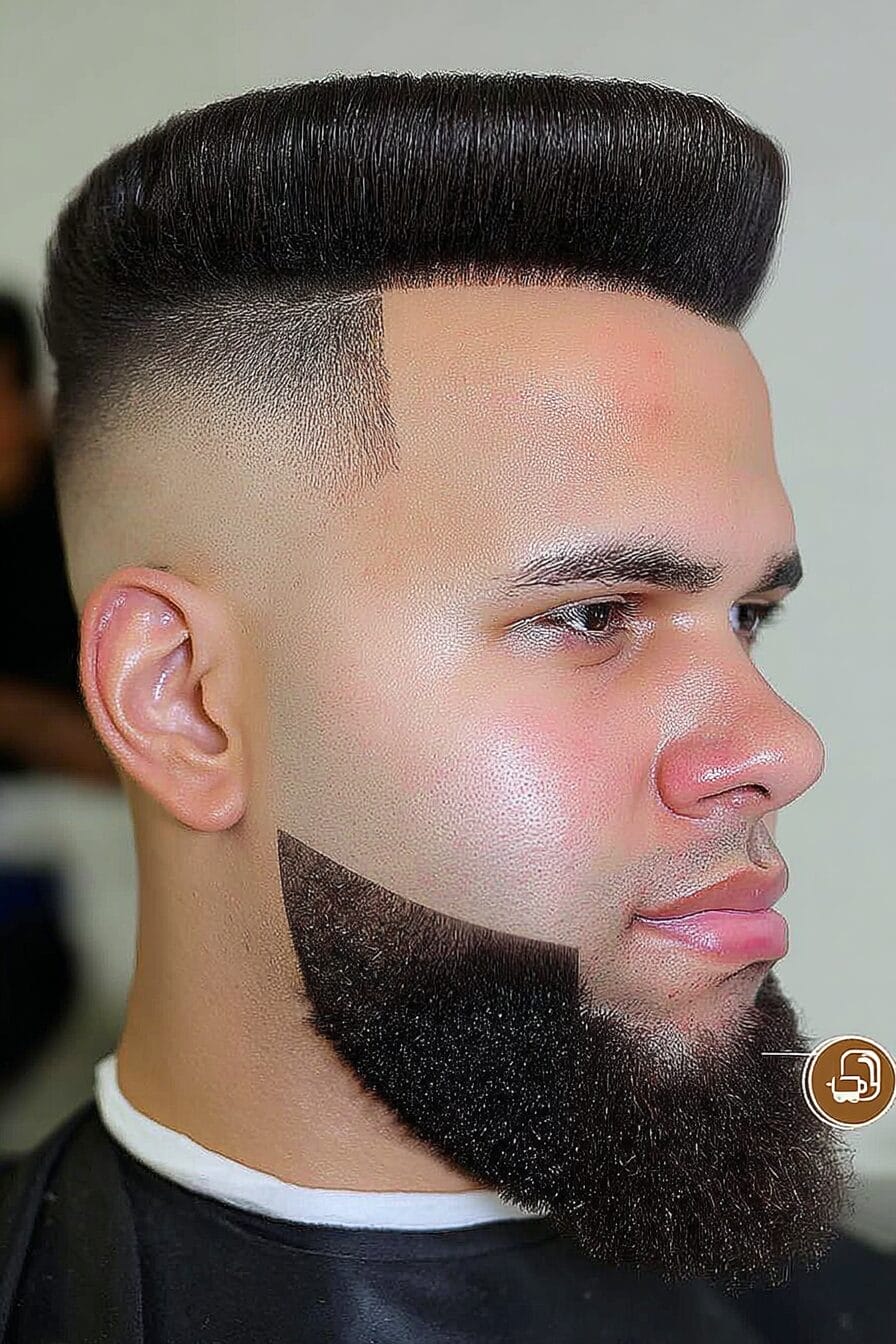
Professional Lumberjack Style
The professional lumberjack style adapts rugged fullness for corporate environments. This variation maintains the signature coverage while adding refined edges and controlled shape.
Regular professional grooming keeps it office-appropriate without sacrificing the lumberjack character. The key is finding the sweet spot between wild growth and overly sculpted appearance—usually achieved through weekly maintenance routines.

Lumberjack Beard With Undercut
Pairing a lumberjack beard with an undercut creates dramatic contrast between top and bottom. The short sides emphasize the beard’s fullness while the longer top hair adds styling versatility.
This modern combination works especially well for younger men wanting to blend classic and contemporary elements. The undercut requires regular maintenance to keep the contrast sharp.
Not sure what your face shape is? Our Face Shape Detector figures it out in 4 quick questions.

Textured Lumberjack Beard
The textured lumberjack beard emphasizes varied hair patterns throughout its growth. Rather than fighting natural texture differences, this style celebrates them—straight sections, wavy parts, and even curly patches coexist.
Strategic product application enhances each texture zone separately. The result is a dynamic beard with movement and character that changes appearance from different angles.

Heavy Stubble Lumberjack
Heavy stubble lumberjack maintains the style’s full coverage at 5-10mm length. This starter version offers lumberjack aesthetics for men who can’t commit to longer growth.
The heavy stubble requires trimming every 3-4 days to maintain consistent length. Despite its shorter length, the full coverage still creates that rugged lumberjack impression, especially with naturally thick growth.

Lumberjack Beard With Horseshoe Mustache
Combining a lumberjack beard with a horseshoe mustache creates bold masculine presence. The mustache’s downward extensions blend seamlessly into the beard’s upper portions.
This powerful combination requires careful blending where mustache meets beard to avoid harsh lines. The style works best with medium to long beard lengths that balance the mustache’s strong vertical lines.

Wide Lumberjack Style
The wide lumberjack style emphasizes horizontal fullness over vertical length. This variation creates an impressively broad beard that frames the entire lower face.
Natural growth patterns that tend outward work perfectly for this style. Managing width requires strategic trimming to prevent excessive bulk while maintaining that commanding presence. It’s particularly effective for men with narrow faces.

Pointed Lumberjack Beard
A pointed lumberjack beard narrows to a defined triangular tip while maintaining fullness above. This variation adds intentional shape to the traditional lumberjack fullness.
The point creates a more aggressive, Viking-inspired appearance within the lumberjack framework. Achieving the perfect point requires skilled trimming and regular maintenance to prevent the tip from splitting or becoming wispy.

Lumberjack Beard With Soft Edges
The soft-edged lumberjack beard avoids harsh lines for a more organic appearance. Rather than sharp cheek lines or defined necklines, edges gradually fade into natural growth.
This approach creates a genuinely authentic look that appears effortlessly rugged. The style requires less frequent barber visits but needs regular at-home maintenance to prevent true neglect.

Coarse Lumberjack Beard
A coarse lumberjack beard turns wiry texture into a style advantage. This variation requires heavier products—thick balms and butters—to manage the resistant hair.
Daily conditioning becomes essential to prevent brittleness and breakage. Despite requiring more maintenance than softer beards, coarse texture creates impressive volume and authentic ruggedness that perfectly embodies lumberjack aesthetics.

Modern Lumberjack Style
The modern lumberjack style updates classic fullness with contemporary grooming techniques. This variation incorporates current trends like subtle fading at the edges or strategic product use for defined texture.
The modern approach maintains authentic lumberjack volume while adding refined touches that work in today’s diverse settings. It’s the perfect bridge between traditional ruggedness and current style sensibilities.

Lumberjack Beard With Sharp Lines
Adding sharp lines to a lumberjack beard creates controlled wilderness aesthetics. Precise cheek lines and defined necklines provide structure to the otherwise natural growth.
This variation requires weekly edge maintenance to keep lines crisp while allowing the bulk to remain full. The contrast between sharp borders and natural texture creates an intentionally cultivated appearance.

Mature Lumberjack Beard
The mature lumberjack beard embraces distinguished aging with fuller, often grayer growth. Older men typically achieve better density and coverage, creating impressive lumberjack beards.
The maturity often brings natural salt-and-pepper coloring that adds character. This variation benefits from quality conditioning products that address the drier texture common in mature facial hair.

Hipster Lumberjack Style
The hipster lumberjack style adds ironic urban twist to outdoor authenticity. This variation often pairs with trendy haircuts, vintage clothing, and artisanal grooming products.
The beard maintains full lumberjack coverage but with more intentional styling—perhaps added texture or subtle shaping. It’s become synonymous with coffee shop culture while maintaining genuine beard impressiveness.
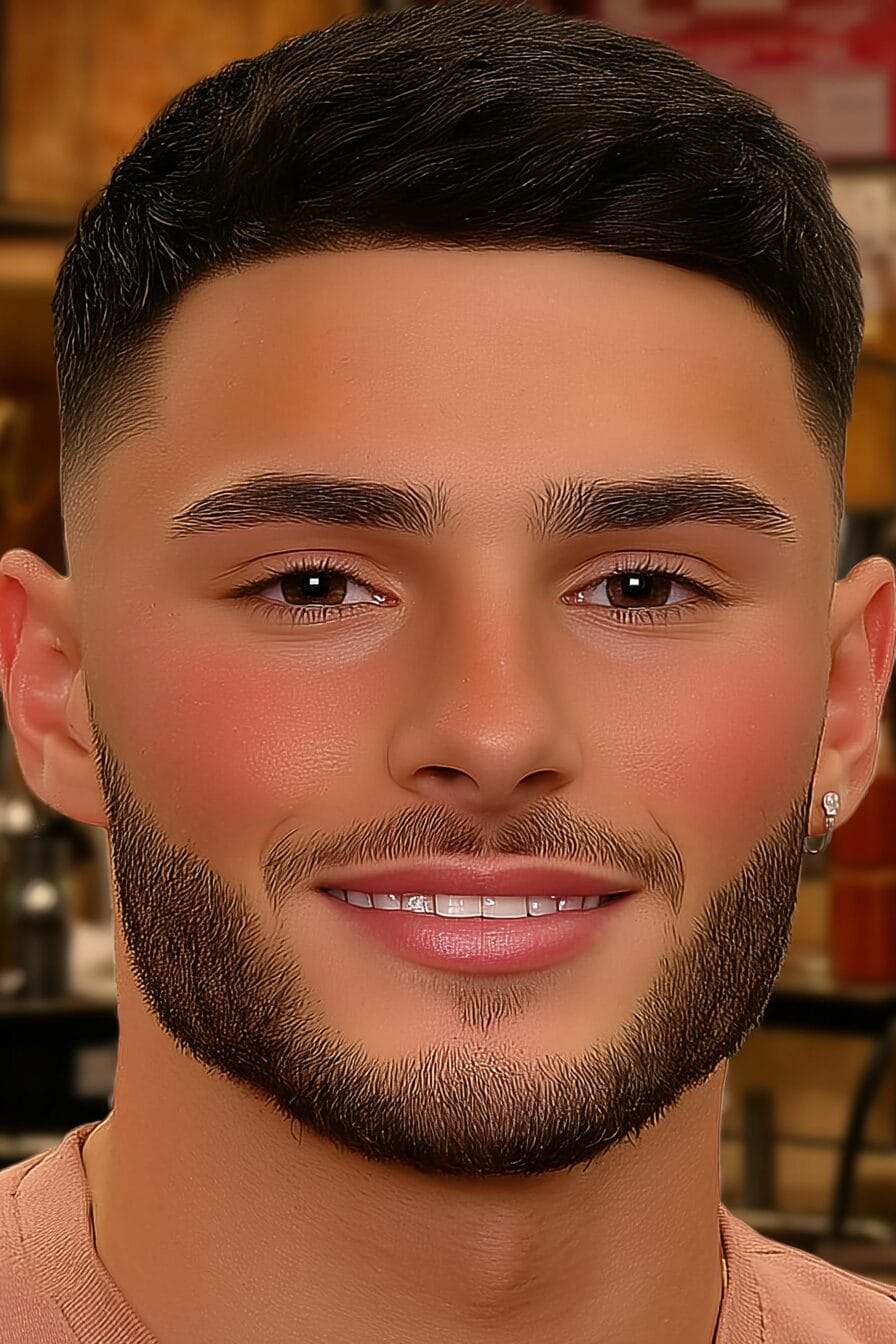
Mountain Man Lumberjack Beard
The mountain man lumberjack beard represents maximum wilderness authenticity. This style pushes length and fullness to extreme levels, often exceeding 6 inches with minimal shaping.
The focus shifts from grooming to health maintenance—preventing tangles and keeping hair nourished despite minimal styling. It’s the ultimate expression of lumberjack aesthetics for men fully committed to the lifestyle.


🎬 Best BEARD STYLES for MEN to try
FAQs: Lumberjack Beard Styles
How long does it take to grow a lumberjack beard?
Growing a proper lumberjack beard typically requires 3-6 months of dedicated growth. Most men achieve the minimum lumberjack length (2-3 inches) around month three, while fuller versions need six months or more.
Genetics play a crucial role—some grow faster, others slower. Regular beard oil application from the start promotes healthy growth, while avoiding major trimming during the growth phase ensures you reach your length goals efficiently.
What face shape suits a lumberjack beard best?
Lumberjack beards work exceptionally well with oval and rectangular faces due to their naturally balanced proportions. Round faces benefit from longer, more tapered versions that add vertical length.
Square faces should maintain fuller sides to soften angular features. Narrow faces need more width for balance, while wider faces look best with controlled sides. The key is adjusting the beard’s dimensions to complement your natural face shape.
How often should I trim my lumberjack beard?
Lumberjack beards require maintenance trimming every 2-4 weeks depending on your growth rate and desired style. Focus on removing split ends and maintaining shape rather than reducing length.
Professional shaping every 6-8 weeks helps maintain proper proportions. Between trims, use scissors to snip stray hairs that disrupt the outline. The goal is preserving health and shape while maintaining that signature lumberjack fullness.
What products do I need for a lumberjack beard?
Essential lumberjack beard products include beard oil for daily moisture, beard balm for styling control, and a quality boar bristle brush. Add beard shampoo (used 2-3 times weekly) and conditioner for cleansing without stripping natural oils.
Longer beards benefit from beard butter for extra softness and a wide-tooth comb for detangling. Invest in professional trimming scissors for at-home maintenance between barber visits.
Can I grow a lumberjack beard with patchy facial hair?
Growing a lumberjack beard with patchy facial hair is possible but requires strategic adaptation. Focus on maximizing your stronger growth areas while keeping patchy sections slightly shorter for balance.
The lumberjack style’s natural, fuller appearance helps disguise thinner areas better than precisely groomed styles. Give it at least 3-4 months before deciding—many patches fill in with length. Using minoxidil or derma rolling might help stimulate growth in sparse areas.
Was this article helpful?
Find Your Perfect Beard Style
You’ve seen the options. Now find the one that actually suits YOUR face shape and growth pattern.

Khamis Maiouf is a professional barber who graduated from Hinckley College in England with a Level 3 qualification in hairdressing. With over 20 years of experience, he is an award-winning barber who has mentored numerous students and styled thousands of clients. A recognised expert featured on StyleCraze (20M+ readers).
Credentials: Level 3 Hairdressing (Hinckley College, UK) • 20+ Years Professional Experience • Featured Expert on StyleCraze • Founder of Book of Barbering