✓ Written & Reviewed by Khamis Maiouf — Award-Winning Barber · 20+ Years Experience · Level 3 Qualified
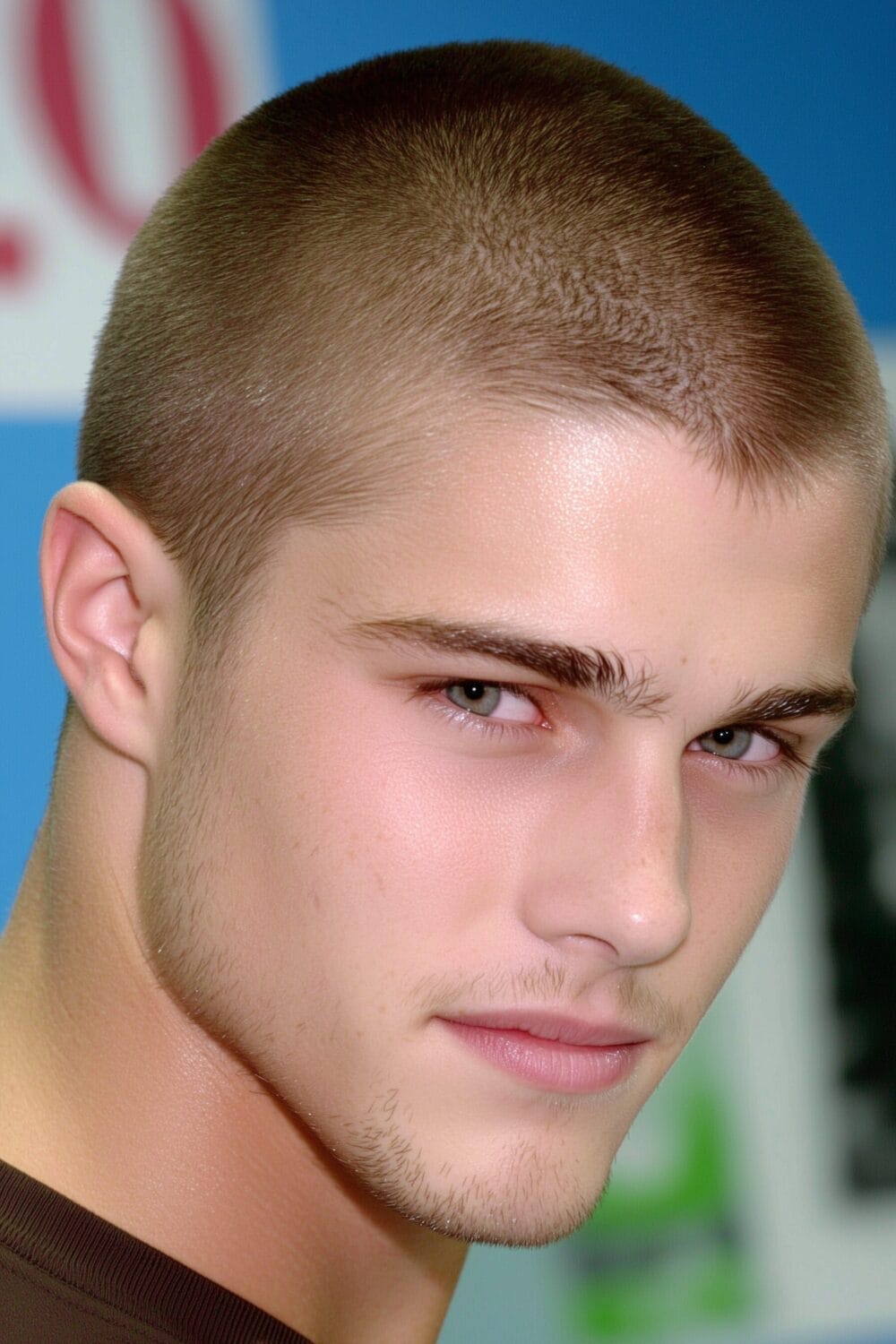
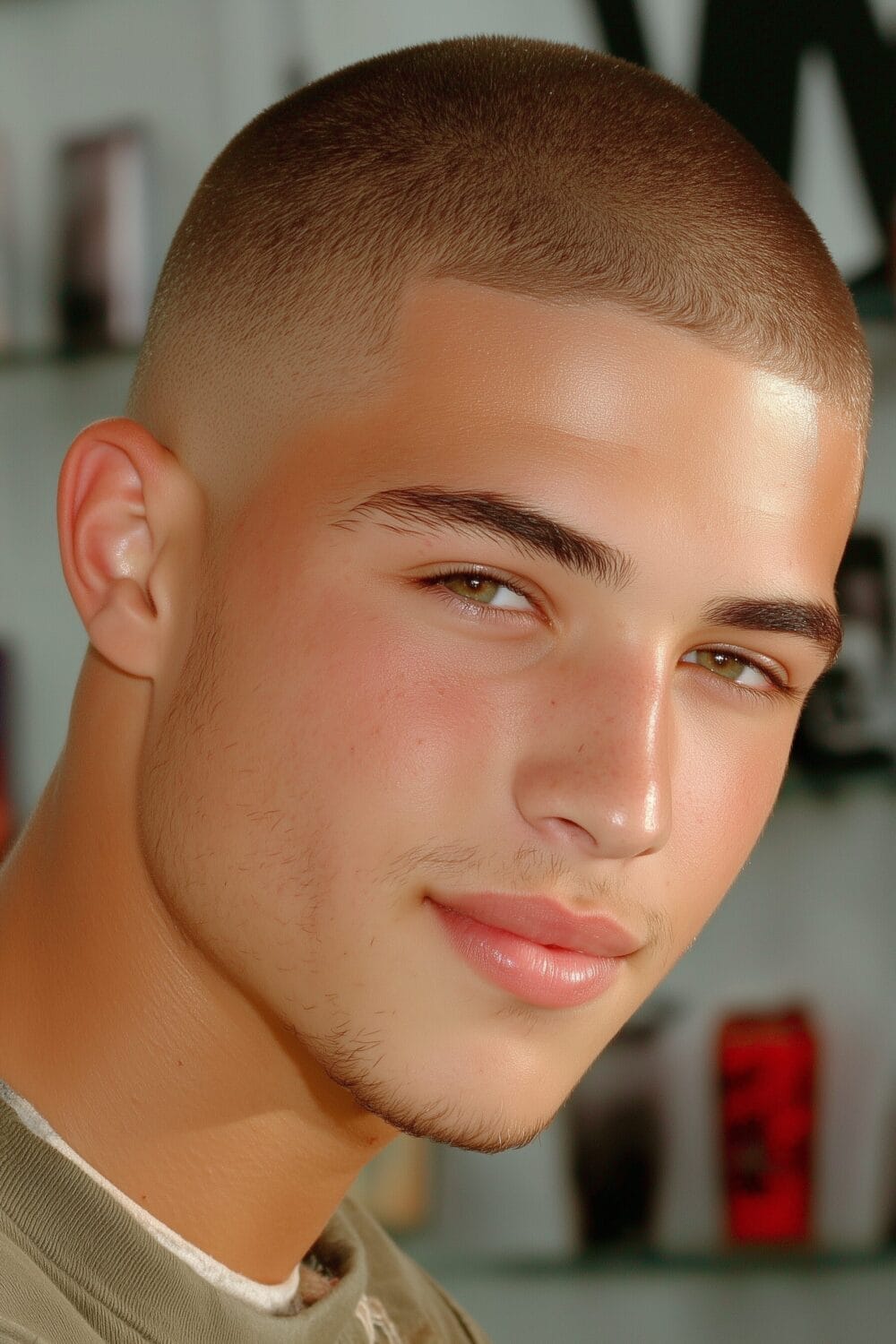
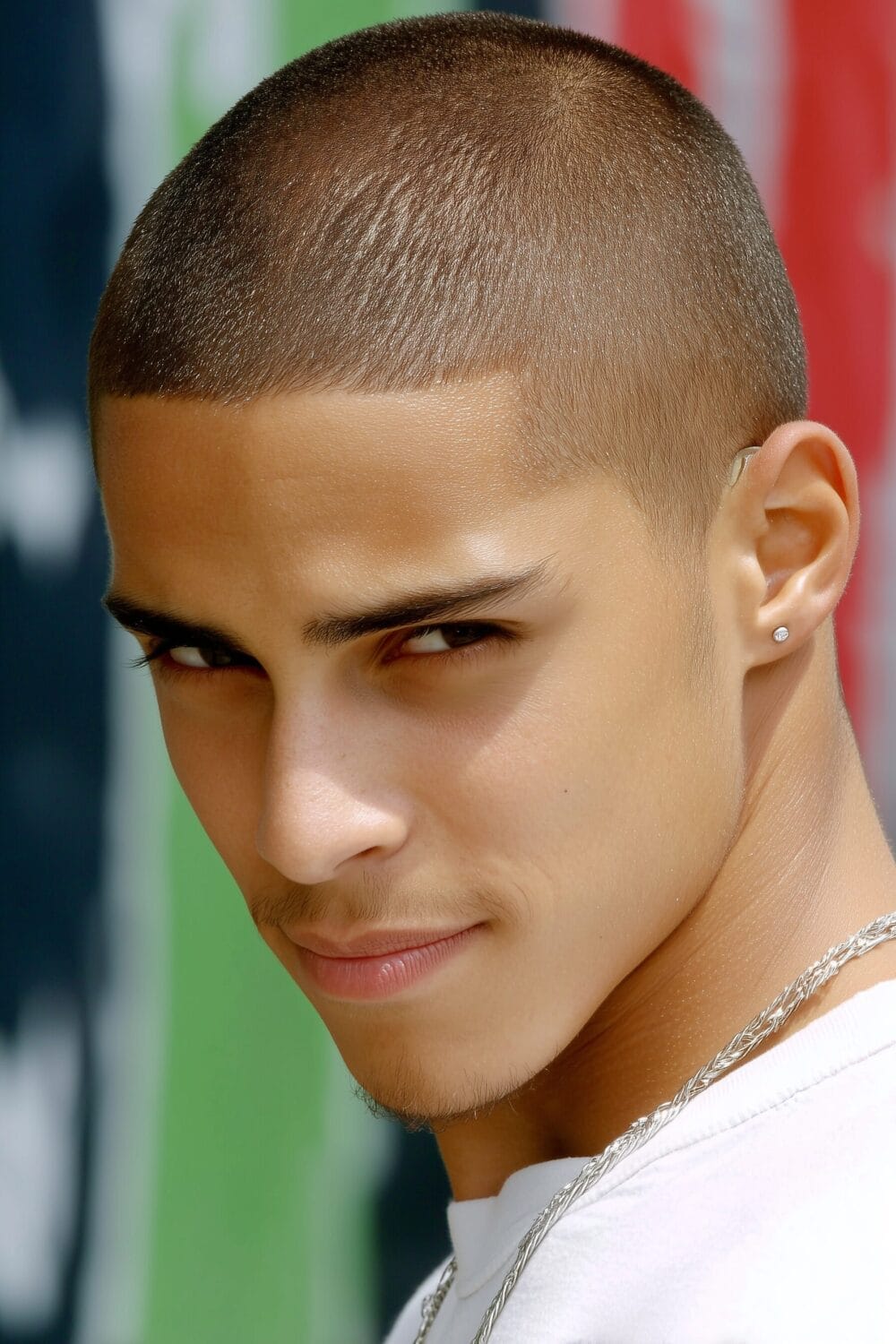
A “short buzz cut” covers more ground than most guys realise — there’s a massive difference between a zero-guard at 0.5mm and a number 2 at 6mm. Each millimetre changes how much scalp shows, how the light catches the hair, and how often you need a touch-up. I’ve been cutting short buzz cuts for over 20 years, and the guys who know exactly what length they want always leave happier than the ones who just say “short.” Here’s what each length actually looks like.
Key Takeaways
Zero guard (0.5mm) is a shadow — scalp visible, needs touch-ups every 3–5 days
Number 1 (3mm) is the most popular short buzz — minimal coverage with clean texture
Number 2 (6mm) offers the best balance of short and textured for most face shapes
Shorter buzz cuts expose head shape imperfections — know your contours before going below number 1
All short buzz cuts require scalp care: SPF in sun, moisturiser daily, exfoliation weekly
Sharp lines transform a standard buzz into geometric art. The foundation starts with understanding how angles interact with your natural hairline and face structure.
Creating definition requires three elements: precise guard control, confident blade work, and understanding where natural curves meet intentional edges.
Angle: 90-degree corners at temples
Depth: 1/8 inch recession for definition
Width: Match line thickness to face width
Symmetry: Mirror precision on both sides
Defining Sharp Lines
Sharp lines live in the contrast between scalp and hair density. The key sits in creating deliberate edges that enhance your bone structure.
Professional sharpness comes from understanding where to place hard stops versus gradual transitions along the perimeter.
📏 Precision Length Guidelines
Number 1 guards (3mm) create optimal sharp definition without exposing too much scalp. This length provides enough density for contrast while maintaining clean edges.
Shorter lengths like 0.5 guards demand weekly maintenance but deliver maximum sharpness, especially around temples and neckline.
Edge-Up Essentials
Edge-ups define the entire sharp buzz aesthetic through calculated hairline geometry. Start with T-outliner blades set to zero gap for the crispest lines.
The motion follows a stamp-and-glide technique: press firmly at corner points, then smoothly connect between anchors.
Sharp Buzz Fade Techniques
Fades amplify sharpness by creating dimensional contrast within the buzz structure. The blend zone becomes your canvas for technical precision.
Each fade height offers different sharp possibilities—higher fades maximize temple definition while mid-fades balance crown fullness with edge clarity.
High Fade Sharp Combinations
High fades place the transition above the temple, creating maximum skin exposure for sharp line work. This combination suits angular face shapes perfectly.
The key lies in maintaining a consistent fade line that parallels your edge-up for cohesive sharpness throughout.
Mid Fade Sharpness
Mid fades hit the sweet spot between subtlety and statement, starting at eyebrow level. This placement allows sharp lines to dominate without overwhelming facial features.
Professional execution requires blending from skin to #1 guard across a half-inch transition zone.
Temple Fade Precision
Temple fades concentrate sharpness where it matters most—framing the face with surgical accuracy. The fade curves behind the ear while maintaining crisp front edges.
Success depends on following the natural temporal ridge while creating intentional negative space around ears.
🧠 Expert Advice
When executing temple fades, use your non-cutting hand to stretch skin taut—this prevents blade hop and ensures glass-smooth transitions. Work in natural light whenever possible since overhead lighting can hide imperfections in the blend zone.
Creating Sharp Buzz Contrast
Contrast defines sharpness through calculated differences in length and texture. The goal involves creating visual pop without harsh disconnection.
Master barbers manipulate contrast using guard changes, skin exposure, and strategic bulk removal to achieve dimensional sharpness.
Skin Fade Sharp Transitions
Skin fades deliver ultimate contrast by taking sides down to zero. The transition from bare skin to textured top creates an unmistakable sharp silhouette.
Blend meticulously through half-guard increments, spending extra time where skin meets the shortest guard length.
🎯 Critical Blend Points
Three zones demand perfection: the occipital bone curve, temple corners, and the crown transition. These areas make or break overall sharpness.
Attack each zone with specific techniques—flick-out motions at the occipital, C-cup movements at temples, and straight-up strokes at crown.
Line-Up Perfection
Line-ups transform good cuts into gallery-worthy precision through mathematical hairline enhancement. Every angle must complement natural growth patterns while adding architectural interest.
The secret involves creating micro-adjustments rather than dramatic reshaping—subtle enhancement always beats obvious alteration.
⚠️ Common Mistake
Pushing hairlines too far back destroys natural proportions and ages your appearance unnecessarily. Instead, enhance your existing hairline by cleaning up strays and defining corners—never recreate from scratch. Most damage happens when barbers chase “perfect” symmetry.
Sharp Buzz Length Options
Length selection determines how sharpness reads from distance versus up close. Shorter lengths emphasize line work while longer options soften overall impact.
Choose based on maintenance commitment and facial features—round faces benefit from shorter lengths while angular faces can handle more length.
The difference between #1 and #2 guards might seem minimal, but it completely changes how light interacts with your sharp edges.
Number 1 Sharp Style
Number 1 guards deliver optimal sharpness with minimal maintenance burden. This 3mm length provides enough coverage to avoid scalp show-through while maintaining crisp definition.
The sweet spot for most men seeking professional sharpness without daily upkeep requirements.
Number 2 Sharp Balance
Number 2 guards offer forgiveness in grow-out while still reading as intentionally sharp. The 6mm length works especially well for coarser hair textures.
This option extends time between cuts to 10-14 days while maintaining acceptable sharpness throughout.
Zero Fade Sharp Impact
Zero fades create maximum drama through complete skin exposure at sides and back. This aggressive approach demands confidence and frequent maintenance.
Best suited for those committed to twice-weekly touch-ups and comfortable with bold aesthetic choices.
🧠 Expert Advice
Test different lengths on your sideburns first before committing to an all-over length. Your sideburn area shows how each guard number interacts with your specific hair density and growth pattern, preventing costly mistakes.
Maintaining Sharp Buzz Lines
Sharp maintenance separates temporary freshness from consistent excellence. The difference lies in understanding growth patterns and attacking problem areas preemptively.
Develop a maintenance rhythm that catches fuzz before it becomes visible blur—prevention beats correction every time.
Weekly Sharp Touch-Ups
Weekly sessions focus on perimeter cleanup using T-outliners or straight razors. Target the neckline, around ears, and hairline edges where growth appears first.
Spend five minutes max—over-maintenance leads to irritation and unnatural recession patterns.
⏱️ Freshness Timeline
Days 1-3 deliver peak sharpness with zero maintenance needed. Days 4-7 require minor edge cleanup to maintainprofessional appearance.
By day 10, most men need full professional refresh regardless of home maintenance efforts.
Home Edge Maintenance
Invest in quality T-outliners and practice consistent hand pressure for home touch-ups. Work in sections, checking symmetry constantly through multiple angles.
Not sure what your face shape is? Our Face Shape Detector figures it out in 4 quick questions.
Natural light and dual mirrors prevent the overconfidence that leads to crooked lines and patchy results.
⚠️ Common Mistake
Attempting complex fade work at home ruins the professional foundation your barber created. Stick to simple edge cleanup only—leave blend zones and fade adjustments to professionals who understand the architecture of your specific cut.
Sharp Buzz Facial Hair Pairing
Facial hair integration determines whether sharp buzz cuts look intentional or disconnected. The transition zone between head and face requires careful consideration.
Match precision levels—sharp buzz cuts demand equally sharp beard lines for visual cohesion.
Beard Line Sharp Connection
Connect sideburns to beard lines using continuous curves or deliberate angles depending on face shape. The connection point should feel inevitable, not forced.
Maintain equal sharpness in both beard and hairline for balanced presentation—mismatched precision levels create visual discord.
Clean Shave Sharp Contrast
Clean-shaven faces amplify buzz cut sharpness by eliminating competing lines. This combination reads as disciplined and military-precise.
The absence of facial hair places full emphasis on hairline geometry and fade execution quality.
Professional Sharp Buzz Standards
Professional standards separate barbershop quality from amateur attempts through consistent execution protocols. Every sharp buzz should meet specific technical benchmarks.
Understanding these standards helps you evaluate barber skill and communicate desired results effectively.
Symmetry: Matching angles within 2 degrees
Blend: No visible lines in fade zones
Edges: Consistent depth throughout perimeter
Finish: Zero stray hairs outside boundaries
Barber Sharp Techniques
Professionals use stretching, multiple pass systems, and cross-checking from various angles. They work systematically rather than randomly, ensuring consistent results.
The best barbers adjust technique based on individual growth patterns and hair density variations.
✅ Quality Checkpoints
Check sharpness at eye level, from above, and in profile before considering complete. Run fingers against grain to detect any missed spots.
Natural light reveals flaws invisible under shop lighting—final inspection should happen near windows.
Tool Requirements
Professional sharp buzzes demand adjustable clippers, multiple guard sizes, T-outliners, and straight razors. Each tool serves specific purposes in the sharpness equation.
Blade maintenance determines cut quality—dull blades pull and create uneven lines regardless of technique.
Who Should Think Twice Before Going Ultra-Short
Short buzz cuts look great on most guys, but there are situations where a longer guard serves you better.
Uneven head shape: Bumps, ridges, and flat spots are fully exposed below number 2. If you know your head has significant irregularities, start at number 3 and see how it looks before going shorter. A slightly longer length provides just enough coverage to smooth out contours.
Very pale skin with dark hair: The contrast between scalp and hair at 0–3mm can create a five-o’clock shadow effect on your head that some guys find unflattering. This is purely a contrast issue — guys with similar skin and hair tones don’t have this problem.
Scalp conditions: Psoriasis, eczema, and severe dandruff are all more visible at very short lengths. If you’re managing an active scalp condition, a number 3–4 gives you coverage while you address the underlying issue.
None of these are dealbreakers — plenty of guys with bumpy heads and scalp conditions rock ultra-short buzz cuts confidently. But knowing what to expect helps you make an informed choice rather than a surprised one.
Ready to Find Your Perfect Cut?
You’ve read about the styles. Now find the one that fits YOUR face shape, hair type, and lifestyle.
Sharp edges need attention every 3-4 days for perfection, though weekly touch-ups suffice for most. Your hair growth rate and sharpness standards determine exact frequency.
Focus on the fastest-growing areas first: neckline and around the ears typically need attention before the hairline.
Best length for sharp buzz definition?
Number 1 guard (3mm) provides ideal sharp definition for most hair types. This length balances visibility with maintenance requirements while avoiding scalp exposure.
Coarser hair can handle number 2, while fine hair might need 0.5 for equivalent sharpness.
Can I keep sharp lines at home?
Basic edge maintenance works at home with proper tools and technique. Invest in quality T-outliners and practice on sideburns before attempting the full perimeter.
Leave fade work and major reshaping to professionals—home maintenance should preserve, not recreate.
Khamis Maiouf is a professional barber who graduated from Hinckley College in England with a Level 3 qualification in hairdressing. With over 20 years of experience, he is an award-winning barber who has mentored numerous students and styled thousands of clients. A recognised expert featured on StyleCraze (20M+ readers).
Credentials: Level 3 Hairdressing (Hinckley College, UK) • 20+ Years Professional Experience • Featured Expert on StyleCraze • Founder of Book of Barbering