
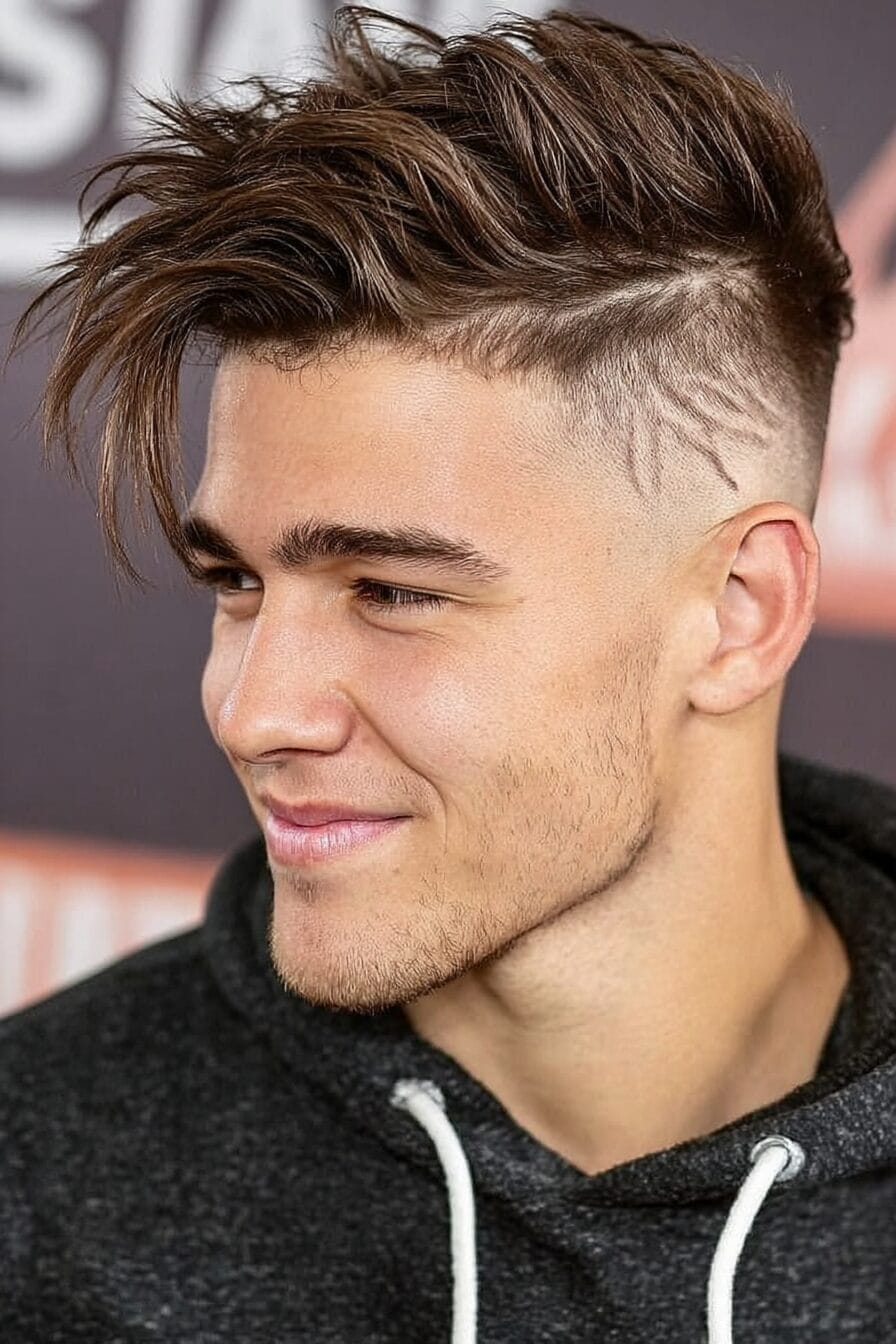
Most guys walk into the shop and say ‘give me an undercut’ — but that’s like walking into a restaurant and saying ‘give me food.’ There are dozens of variations, and the one that’ll actually look good on you depends on your face shape, hair texture, and how much time you want to spend styling it every morning.
After two decades behind the chair, these are the 23 undercut styles I keep recommending because they consistently deliver — whether you’re after something clean for the office or bold enough to turn heads.
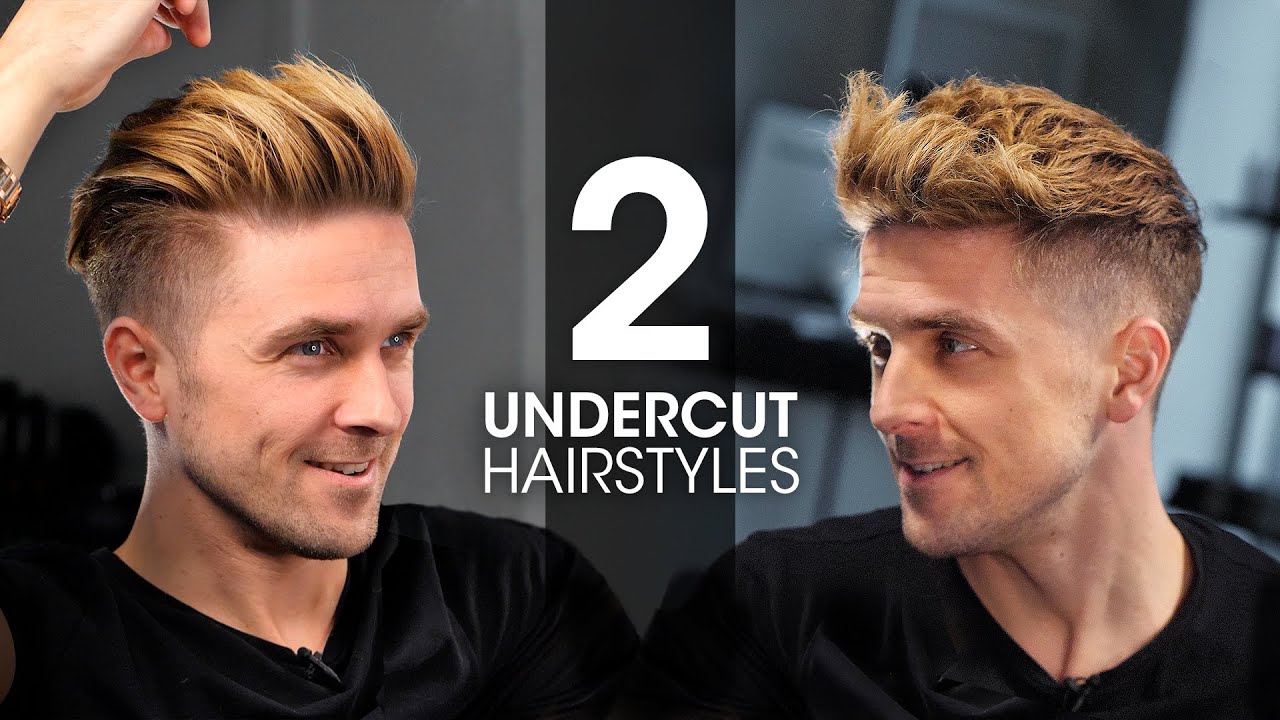
Key Takeaways
- The undercut works with every hair type and face shape — picking the right variation for your features is what makes it look good
- Always tell your barber three things: guard number on sides, inches on top, and disconnected vs. faded transition
- Faded undercuts are the most forgiving for grow-out, while disconnected undercuts need fresh trims every 2–3 weeks
- Product choice matters: pomade for slick styles, clay for textured looks, sea salt spray for natural waves
- An undercut is not the same as a fade — the defining feature is the dramatic length contrast between top and sides
Traditional Undercut
The traditional undercut features clipper-short sides with a dramatically longer top that’s typically slicked back with pomade. This timeless style creates a sharp, masculine silhouette that works particularly well with straight to wavy hair. The key is maintaining at least 3-4 inches on top for proper styling versatility and that classic swept-back look.

Disconnected Undercut
A disconnected undercut creates an abrupt transition between the short sides and longer top, with no blending or fading between lengths. This bold contrast makes a strong style statement and works best with thick, dense hair that can maintain the dramatic separation. The disconnection line becomes a design element itself, emphasizing the cut’s geometric precision.

Fade Undercut
The fade undercut softens the classic style by incorporating a gradual taper from the shortest point up to the longer top section. This modern variation offers more versatility than the disconnected version, allowing for smoother grow-out periods between cuts. Professional barbers often recommend this for first-time undercut wearers since it’s less dramatic yet equally stylish.

Textured Undercut
This contemporary take emphasizes natural texture and movement on top rather than slick styling. The textured undercut works brilliantly with wavy or slightly curly hair, using sea salt spray or texture powder to enhance the tousled finish. It’s become the go-to choice for men wanting an effortless, lived-in look that still maintains structure through the undercut sides.

Quiff Undercut
The quiff undercut combines vintage rockabilly vibes with modern precision, featuring maximum volume at the front that gradually decreases toward the crown. This style requires strategic blow-drying and strong-hold products to achieve the signature upward sweep. Men with naturally thick hair find this particularly flattering as it showcases their hair’s natural body while the undercut keeps everything balanced.

Pompadour Undercut
A pompadour undercut elevates the classic 1950s style with contemporary edge through closely cropped sides. The voluminous swept-back top requires 4-5 inches of length minimum and benefits from round-brushing during styling. This sophisticated option transitions seamlessly from professional settings to evening events, making it popular among style-conscious professionals.

Slick Back Undercut
The slick back undercut offers streamlined sophistication with its smooth, combed-back top and ultra-clean sides. This style works best with straight to slightly wavy hair and requires a quality pomade for all-day hold. It’s particularly effective for men with strong facial features, as the pulled-back style fully exposes and frames the face.

Side Part Undercut
This refined variation incorporates a defined parting line into the undercut structure, adding classic gentlemanly appeal. The side part undercut suits virtually every face shape and professional environment while maintaining modern relevance. Barbers often use a razor to create the crisp part line, which becomes a subtle but impactful detail in the overall design.

Long Hair Undercut
The long hair undercut proves that undercuts aren’t limited to short styles, featuring shoulder-length or longer hair on top with buzzed sides. This dramatic contrast has become hugely popular in creative industries and music scenes. The style offers multiple wearing options—loose and flowing, tied back, or braided—while the undercut sides keep it contemporary and manageable.

Medium Length Undercut
A medium length undercut strikes the perfect balance with 3-4 inches of versatile length on top. This sweet spot allows for multiple styling options—from textured and messy to sleek and professional—without requiring extensive maintenance. It’s ideal for men transitioning from longer styles who aren’t ready to commit to a short cut but want the clean aesthetic of an undercut.

Short Undercut
The short undercut maintains minimal length difference between top and sides, typically keeping the top under 2 inches. This subtle variation suits conservative environments where dramatic styles might be inappropriate. Despite its restraint, the short undercut still offers clean lines and easy maintenance, requiring under five minutes of daily styling.

Man Bun Undercut
Combining two trending styles, the man bun undercut features long enough hair on top to tie back while maintaining crisp undercut sides. This practical style keeps hair controlled during activities while offering the option to wear it down for different looks. The undercut element modernizes the man bun, preventing it from looking unkempt or overly casual.

Messy Undercut
The messy undercut embraces controlled chaos on top with deliberately tousled styling that looks effortlessly cool. This relaxed approach works particularly well with naturally wavy or thick hair that has inherent texture. A small amount of matte paste or clay provides definition without the stiff, overly-styled appearance, perfect for casual weekend vibes.

Spiky Undercut
A spiky undercut brings back nostalgic texture with modern refinement, creating defined spikes that add vertical interest. This energetic style suits younger men or those in creative fields where personality in appearance is valued. The key is using a strong-hold gel or wax sparingly to create separation without the crunchy, overworked look of past decades.

Wavy Undercut
The wavy undercut celebrates natural wave patterns rather than fighting them, using the hair’s inherent movement as the star feature. This style requires minimal product—usually just a curl-enhancing cream or light mousse—to define waves without weighing them down. Men with wavy hair find this particularly liberating as it eliminates the need for extensive straightening or controlling.

Curly Undercut
Curly undercuts showcase defined ringlets or coils on top while the shortened sides prevent the triangular shape that often plagues curly hair. This style has revolutionized options for men with textured hair, offering structure without sacrificing natural curl patterns. Proper moisture and curl-specific products are essential for maintaining healthy, defined curls that complement the clean undercut.

Mohawk Undercut
A mohawk undercut features a central strip of longer hair running from forehead to nape, with completely buzzed sides creating dramatic contrast. This bold style makes an undeniable statement while remaining more wearable than traditional mohawks. The width and length of the central strip can be customized, from subtle to extreme, depending on personal preference and lifestyle requirements.

Asymmetric Undercut
An asymmetric undercut breaks conventional symmetry with deliberately uneven lengths between sides or varying the top’s directional flow. This artistic approach suits confident individuals who appreciate unconventional beauty and aren’t afraid to stand out. The asymmetry can be subtle—like a deeper undercut on one side—or dramatic with completely different lengths creating visual tension.

Business Undercut
The business undercut maintains professional polish with conservative proportions that work in corporate environments. This refined version keeps the sides neatly tapered rather than dramatically short, with a well-groomed top that can be styled sleek or with subtle texture. It’s the perfect solution for men wanting modern style without sacrificing workplace appropriateness.

Skin Fade Undercut
The skin fade undercut gradually tapers down to completely bare skin at the lowest point, creating seamless blending. This technical cut requires skilled barbering to achieve the smooth gradient from skin to longer lengths. The result is ultra-clean and modern, particularly striking on men with darker hair where the contrast is most visible.
Two-Block Undercut
Inspired by Korean pop culture, the two-block undercut features distinct upper and lower sections with the top styled forward into textured bangs. This youthful style has exploded across Asian fashion scenes and gained global popularity through social media. The forward-styled top offers a softer alternative to slicked-back styles while maintaining the undercut’s structural appeal.

French Crop Undercut
The French crop undercut combines textured fringe with cropped sides for a effortlessly stylish European vibe. This versatile cut works with various hair types and requires minimal styling—just some texture paste worked through the fringe. The forward-styled bangs can soften strong foreheads or add youthful energy to mature faces, making it universally flattering.
Burst Fade Undercut
A burst fade undercut creates a semicircular fade pattern that ‘bursts’ outward around the ears in a unique radiating design. This technical variation adds visual interest through its curved lines rather than traditional straight fading. The burst effect draws attention to the ear area and jawline, making it particularly flattering for men wanting to emphasize their facial structure.

How to Ask Your Barber for an Undercut
Walking in and saying ‘give me an undercut’ gives your barber almost nothing to work with. You need to communicate three specific details: the guard number for the sides (a #1 gives you a tight buzz, a #2 leaves a bit more coverage), the length on top in inches, and whether you want a disconnected or faded transition between the two.
Bring a reference photo — it eliminates 90% of miscommunication. Show your barber what you want from the front and side angles if possible. And mention how much time you’re willing to spend styling every morning, because a slick pompadour undercut demands way more effort than a textured crop. For a deeper breakdown on barber communication, check out our guide on how to ask for a haircut.
Undercut vs. Fade: What’s the Difference?
This is the most common question I get in the shop. An undercut creates a sharp, visible line where the short sides meet the longer top — there’s no gradual blending. A fade gradually transitions from shorter to longer hair with smooth, seamless blending and no hard line of demarcation.
Here’s where it gets confusing: most modern undercuts actually incorporate a fade on the sides. A ‘fade undercut’ blends the best of both worlds — you get the dramatic length contrast of an undercut with the smooth transition of a fade. When a client tells me they want an undercut, I almost always recommend adding at least a subtle fade to make the grow-out period more forgiving.
FAQs: Undercut Hairstyles
How often should I get my undercut trimmed?
Undercuts require regular maintenance every 2-3 weeks to keep the sides looking fresh and the contrast sharp. The top can go longer between cuts, typically 4-6 weeks depending on your desired length and style.
Some men with faster-growing hair or those preferring ultra-clean lines visit their barber weekly. Consider your budget and lifestyle when choosing an undercut, as the maintenance commitment is higher than traditional cuts.
Can undercuts work with thinning hair?
Yes, undercuts can actually benefit thinning hair by creating the illusion of fuller coverage on top. The short sides eliminate bulk where hair is often thickest, making the top appear denser by comparison. Strategic styling with volumizing products and proper blow-drying techniques further enhance this effect.
However, avoid extreme length differences if hair is very thin, as this might emphasize sparse areas rather than camouflage them.
What face shapes suit undercuts best?
Undercuts are remarkably versatile and can be adapted for any face shape with the right variation. Oval faces can wear virtually any undercut style. Round faces benefit from height on top to add vertical emphasis.
Square faces look great with textured tops that soften angular features. Oblong faces should avoid excessive height, opting for side-swept or textured styles instead. Your barber can recommend specific adaptations for your unique features.
How do I style an undercut at home?
Start with towel-dried hair and apply a pre-styling product like mousse or heat protectant. Blow-dry using a round brush or your fingers to create your desired shape and volume.
Once dry, apply your finishing product—pomade for slick styles, clay for textured looks, or wax for defined pieces. The key is using the right products for your hair type and desired finish. Most undercuts require just 3-5 minutes of daily styling once you’ve mastered your technique.
What is the difference between an undercut and a fade?
An undercut features a sharp, distinct line where the short sides meet the longer top — there’s no gradual blending between the two lengths. A fade gradually transitions from shorter to longer hair with smooth, seamless blending and no hard line.
Many modern undercuts incorporate a fade on the sides for a softer look, which is why the two often get confused. The key difference is the transition: abrupt (undercut) vs. smooth (fade).
How do I ask my barber for an undercut?
Be specific about three things: the guard number you want on the sides (a #1 or #2 is standard), how much length on top (in inches), and whether you want a disconnected or faded transition.
Bringing a reference photo helps enormously — show your barber what you’re going for from the front and side. Also mention your daily styling commitment so they can recommend the right variation for your routine.
Was this article helpful?

Khamis Maiouf is a professional barber who graduated from Hinckley College in England with a Level 3 qualification in hairdressing. With over 20 years of experience, he is an award-winning barber who has mentored numerous students and styled thousands of clients. A recognised expert featured on StyleCraze (20M+ readers).
Credentials: Level 3 Hairdressing (Hinckley College, UK) • 20+ Years Professional Experience • Featured Expert on StyleCraze • Founder of Book of Barbering