
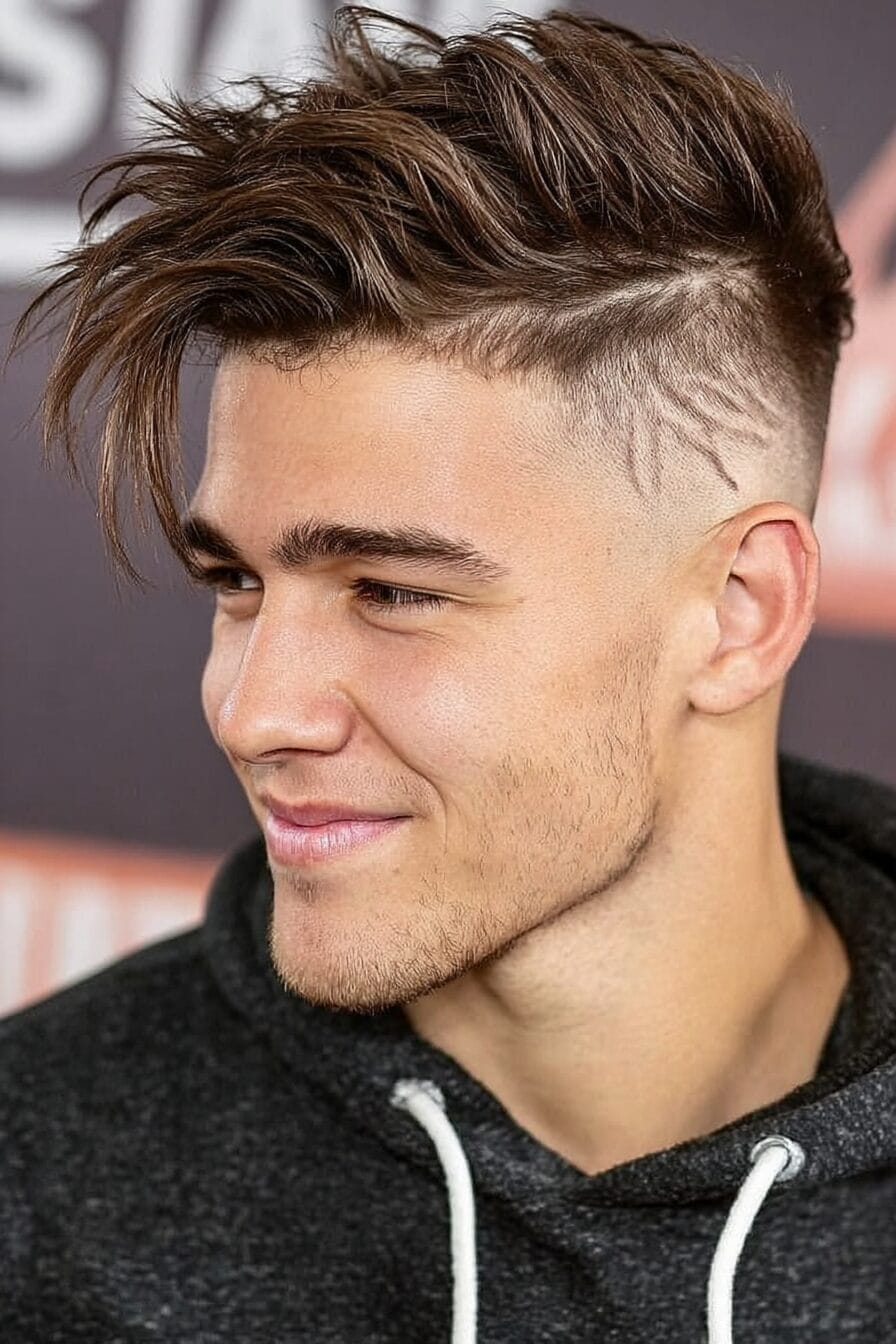
Most guys who sit in my chair asking for a disconnected undercut have one thing in common — they want a look that stands out without requiring a styling degree every morning. After cutting thousands of these over 20+ years, I can tell you this style delivers exactly that: sharp contrast between a longer top and buzzed sides, zero blending required.
I’ve put together 25 variations below, from clean and corporate to bold and textured, so you can walk into your barber’s chair knowing exactly what to ask for.
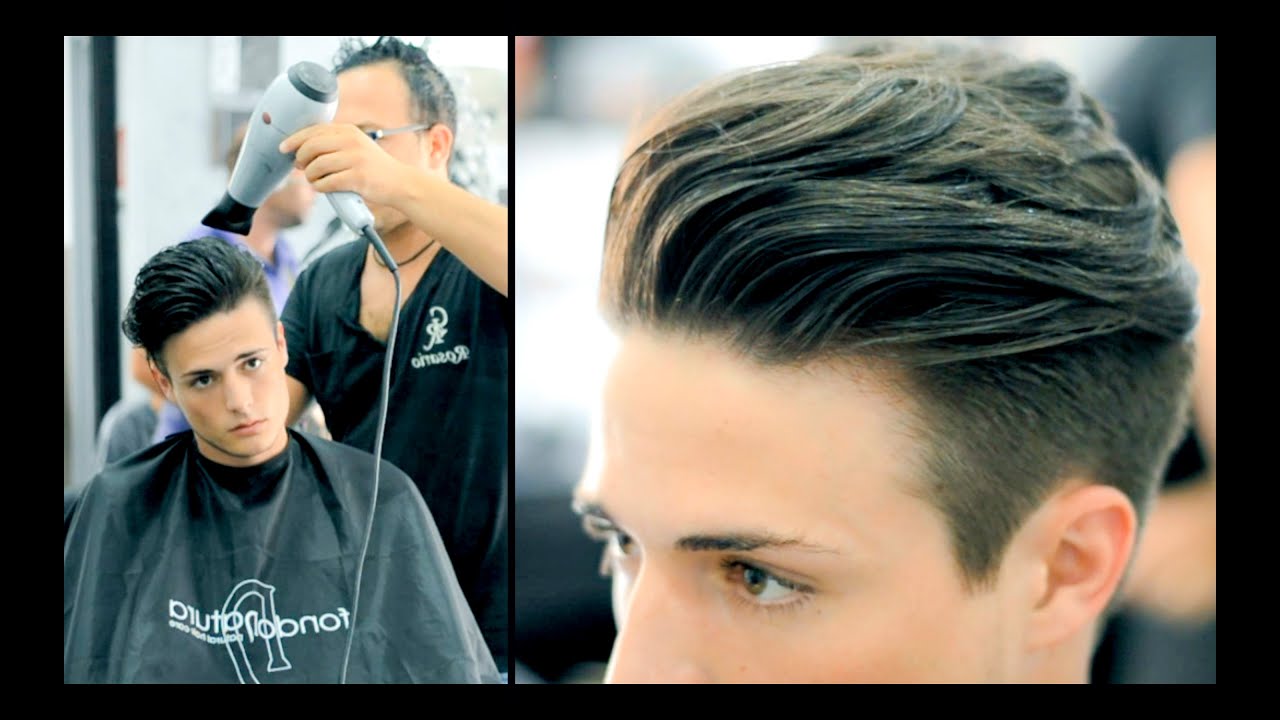
Key Takeaways
- A disconnected undercut features a hard line between long top and short sides — no blending or fading between lengths.
- Works with every hair type (straight, wavy, curly) and most face shapes when styled to complement your features.
- Sides need trimming every 2–3 weeks to keep the disconnect line sharp; top every 4–6 weeks.
- Product choice depends on your variation: matte clay for textured looks, pomade for slick backs, cream for natural movement.
- Tell your barber the exact top length, guard number for sides, and where you want the disconnect line — bring a reference photo.
What Is A Disconnected Undercut?
A disconnected undercut features a distinct line where the long top meets ultra-short sides, with no blending between lengths. This creates a bold, architectural look that emphasizes the hair’s natural texture on top while maintaining clean, precise sides that typically sit at a #1 or #2 guard length.

Disconnected vs Connected Undercut: What’s The Difference?
The key difference lies in the transition. A disconnected undercut has a hard line separating top from sides with zero blending, creating dramatic contrast.
Connected undercuts gradually fade or taper between lengths for a softer, more traditional appearance. The disconnected version makes a bolder statement and requires less frequent maintenance.

How To Style A Disconnected Undercut
Start with towel-dried hair and apply a pre-styling product for hold. Blow-dry in your desired direction while lifting roots for volume.
Finish with matte clay for texture or pomade for shine. The beauty of this cut is its versatility—slick it back for formal events or tousle for casual days.

Short Disconnected Undercut
The short disconnected undercut keeps the top at 1-2 inches, perfect for low-maintenance styling. This variation suits busy professionals who want edge without effort. Works exceptionally well with straight to wavy hair textures.

Long Top Disconnected Undercut
This dramatic variation features 4-6 inches on top with buzzed sides for maximum contrast. The extra length allows for versatile styling options from slicked looks to textured flows. Popular among creative professionals who switch between polished and casual styles throughout the week.

Disconnected Undercut Fade
Combining a fade with the disconnected style creates subtle graduation below the hard line. The fade typically starts at skin level and rises to meet the disconnect point. This modern twist softens the harsh line slightly while maintaining the cut’s signature contrast.

Textured Disconnected Undercut
A textured disconnected undercut incorporates choppy layers and point-cutting techniques on top. This creates natural movement and effortless volume that works with your hair’s texture rather than against it. Ideal for thick hair that needs weight removal.

Slicked Back Disconnected Undercut
The slicked back version channels classic sophistication with modern edge. Using pomade or gel, hair is combed straight back to create a sleek, polished finish. This timeless style transitions seamlessly from boardroom to bar.

Messy Disconnected Undercut
This relaxed take embraces controlled chaos on top with tousled, piece-y texture. A matte clay or sea salt spray creates the perfectly imperfect finish. It’s become the go-to choice for off-duty models and musicians.

Disconnected Undercut With Quiff
The quiff variation adds vertical height at the front while maintaining length through the top. This creates a bold silhouette that elongates round faces. Style with a blow dryer and round brush for maximum lift, finishing with strong-hold product.

Curly Hair Disconnected Undercut
Curly disconnected undercuts let natural texture shine while keeping sides ultra-clean. The curl pattern creates organic volume and movement on top. Leave curls slightly longer to account for shrinkage, and use curl-defining cream for best results.

Wavy Disconnected Undercut
Wavy hair creates the perfect balance of texture and control in this style. The natural wave pattern adds effortless movement without requiring heavy styling. A light mousse enhances waves while preventing frizz.

Disconnected Undercut Pompadour
This statement style combines vintage pompadour height with modern disconnected sides. The front is styled up and back creating dramatic volume that can reach 3-4 inches in height. It demands confidence and quality pomade for all-day hold.

High Fade Disconnected Style
A high fade disconnected cut places the transition line above the temple, creating maximum contrast. This bold variation elongates the face and emphasizes the top’s styling. Perfect for those wanting to make a strong style statement.

Side Swept Disconnected Undercut
The side swept variation directs hair diagonally across the head for asymmetric appeal. This creates natural movement and suits most face shapes. Use a blow dryer to set the direction, then finish with medium-hold product.

Disconnected Undercut With Line Up
Adding a crisp line up sharpens the hairline and temples for geometric precision. This detail-oriented variation requires regular maintenance but delivers unmatched clean edges. Popular in urban barbershops for its architectural aesthetic.

Spiky Top Undercut
The spiky variation uses strong-hold gel or wax to create vertical texture throughout the top. This edgy style works best with 2-3 inch length and straight to slightly wavy hair. It brings back 90s attitude with modern refinement.

Disconnected Undercut Comb Over
A disconnected comb over combines classic side-parting with modern contrast. The defined part line adds structure while the swept styling creates sophistication. This versatile cut transitions easily from casual to formal settings with minor styling adjustments.
Disconnected Undercut With Fringe
This variation features longer hair at the front that falls as a textured fringe. The fringe can be styled forward, to the side, or textured up depending on mood. It’s particularly flattering for longer face shapes.

Volume Disconnected Undercut
Maximizing volume on top creates a fuller silhouette that balances the short sides. Blow-drying with root lift spray and finishing with volumizing powder delivers all-day height. This style particularly benefits those with fine hair seeking more presence.
Not sure what your face shape is? Our Face Shape Detector figures it out in 4 quick questions.

Disconnected Undercut With Hard Part
A razor-carved hard part adds an extra design element to the disconnected style. This precise line typically runs from the front hairline to the crown, creating additional structure. The hard part can be subtle or bold depending on width preference.
Layered Disconnected Undercut
Strategic layering through the top creates dimensional movement while maintaining the signature disconnect. This technique works especially well for thick hair, removing bulk while adding texture. Each layer moves independently for dynamic styling options.

Brush Up Disconnected Style
The brush up variation styles all hair upward and slightly back for maximum height. This creates a bold, attention-grabbing profile that works best with 3-4 inch length on top. Use strong-hold product and blow-dry for lasting lift.

Clean Disconnected Undercut
The clean version emphasizes precise lines and immaculate grooming. No texture, no mess—just sharp edges and sleek styling. This minimalist approach suits formal environments and those preferring polished aesthetics.

Natural Texture Disconnect
This variation lets your hair’s natural texture dictate the style. Whether curly, wavy, or straight, minimal product allows authentic movement. It’s the most low-maintenance option, requiring just a quick towel dry and light styling cream.
Best Products for a Disconnected Undercut
The right product makes or breaks your disconnected undercut. After years of testing everything behind the chair, here’s what actually works for each variation:
Matte clay or paste — your go-to for textured, messy, or spiky styles. These give medium-to-strong hold with zero shine, so the cut looks natural and lived-in. Work a dime-sized amount into towel-dried hair and shape with your fingers.
Pomade (water-based) — the move for slicked back, comb over, and pompadour styles. It delivers high shine and strong hold without the crusty feel of gel. Start with a small amount and build up.
Styling cream — perfect for natural texture, wavy, and curly variations. It hydrates while offering light hold, keeping movement without weighing hair down. Apply to damp hair and let it air dry for the most natural finish.
Sea salt spray — ideal for the messy, surfer-inspired look. Spray onto damp hair before blow-drying for added volume and that perfectly imperfect texture.
Pre-styler or volumizing mousse — essential for quiff and pompadour styles that need height. Apply before blow-drying to build a foundation of lift, then finish with your hold product of choice.
How to Maintain Your Disconnected Undercut
The disconnect line is what makes this cut — and it’s the first thing to lose definition as your hair grows. Here’s the maintenance schedule I recommend to every client:
Sides: every 2–3 weeks. The shorter the sides, the faster the disconnect blurs. If you’re running a skin fade or zero guard, you’ll notice regrowth within 7–10 days. Book consistent appointments or invest in a quality home clipper for touch-ups between visits.
Top: every 4–6 weeks. The top grows slower relative to the contrast, so you have more breathing room. If you’re growing the top out for a longer variation, communicate that to your barber so they only clean up the shape without removing length.
Daily styling: start with towel-dried hair (not dripping wet, not bone dry). Apply your product of choice, blow-dry in the direction you want the style to fall, and finish with a light hold product if needed. The whole process should take 3–5 minutes once you’ve got the routine down.
Between cuts: use a quality shampoo and conditioner 2–3 times per week (not daily — it strips natural oils). On non-wash days, rinse with water and restyle. This keeps both the top and sides looking fresh without product buildup.
FAQs: Disconnected Undercut
How do I ask my barber for a disconnected undercut?
Tell your barber you want a disconnected undercut with specific details: desired length on top (2-6 inches typically), how short for the sides (guard number), and where you want the disconnect line. Bring reference photos showing your preferred variation.
Mention your styling routine and maintenance commitment so they can adjust the cut accordingly. Clear communication about the harsh line versus fade is crucial.
Is a disconnected undercut still in style?
Absolutely. The disconnected undercut remains a top trending style in 2025 due to its versatility and bold aesthetic.
It’s evolved from underground trend to mainstream staple, with new variations emerging regularly. Social media continues driving its popularity, especially among fashion-forward professionals and creatives. The style’s adaptability to different hair types and face shapes ensures its continued relevance.
What face shape suits a disconnected undercut?
The disconnected undercut works with most face shapes when styled appropriately. Oval and square faces can wear any variation confidently. Round faces benefit from added height on top to create length.
Oblong faces should avoid excessive height, opting for side-swept styles instead. The key is adjusting top length and styling direction to complement your specific features. Consult your barber for personalized recommendations.
How often should I trim a disconnected undercut?
Maintain the sides every 2-3 weeks to keep the disconnect line sharp and clean. The top can go 4-6 weeks between trims depending on growth rate and desired length.
Some prefer weekly side touch-ups for ultra-crisp lines, while others embrace a slightly grown-out look. Your lifestyle, budget, and style preference determine the ideal maintenance schedule. Regular trims prevent the style from losing its defining contrast.
How long does your hair need to be for a disconnected undercut?
You need at least 2 inches of length on top to create a visible disconnect from the sides. Most of the styles in this guide work best with 3–5 inches on top, which gives you enough hair to style in different directions. The sides can be as short as a zero guard or skin fade. If you’re starting from a buzz cut, expect to wait 3–4 months of growth before your barber can shape a proper disconnected undercut.
Is a disconnected undercut high maintenance?
It’s moderate maintenance compared to other men’s cuts. The sides need trimming every 2–3 weeks to keep the disconnect line crisp, and the top needs a trim every 4–6 weeks. Daily styling takes about 3–5 minutes with the right product. The trade-off is worth it — the sharp contrast between top and sides looks intentional even on second-day hair, and simpler variations like the textured or messy disconnect require almost no effort to style.
Was this article helpful?
Ready to Find Your Perfect Cut?
You’ve read about the styles. Now find the one that fits YOUR face shape, hair type, and lifestyle.

Khamis Maiouf is a professional barber who graduated from Hinckley College in England with a Level 3 qualification in hairdressing. With over 20 years of experience, he is an award-winning barber who has mentored numerous students and styled thousands of clients. A recognised expert featured on StyleCraze (20M+ readers).
Credentials: Level 3 Hairdressing (Hinckley College, UK) • 20+ Years Professional Experience • Featured Expert on StyleCraze • Founder of Book of Barbering