

Every week, at least two or three guys sit in my chair asking about the top knot—they’ve seen it on athletes, in movies, even on the guy at the coffee shop—but they’re not sure which version works for their hair. After styling hundreds of top knots over my 20+ years behind the chair, I can tell you there’s a variation for every hair type and face shape. Here are the 20 styles I recommend most, plus a step-by-step guide to tying one yourself.
Key Takeaways
- Top knots need a minimum of 4–6 inches on top for a mini knot, or 10–12 inches for a full traditional style
- The undercut + top knot combo is the most requested variation in barbershops right now
- Use snag-free hair ties and vary your knot’s position daily to prevent traction damage and thinning
- Matte paste and sea salt spray give the best grip and texture for natural-looking knots
- Round faces look best with high-positioned knots; oblong faces should keep it low or mid-height
The Traditional Samurai
The traditional samurai top knot positions the bun high on the crown with meticulously clean sides. This historical style demands precision, with hair pulled taut from all angles to create a compact, centered knot. It wo

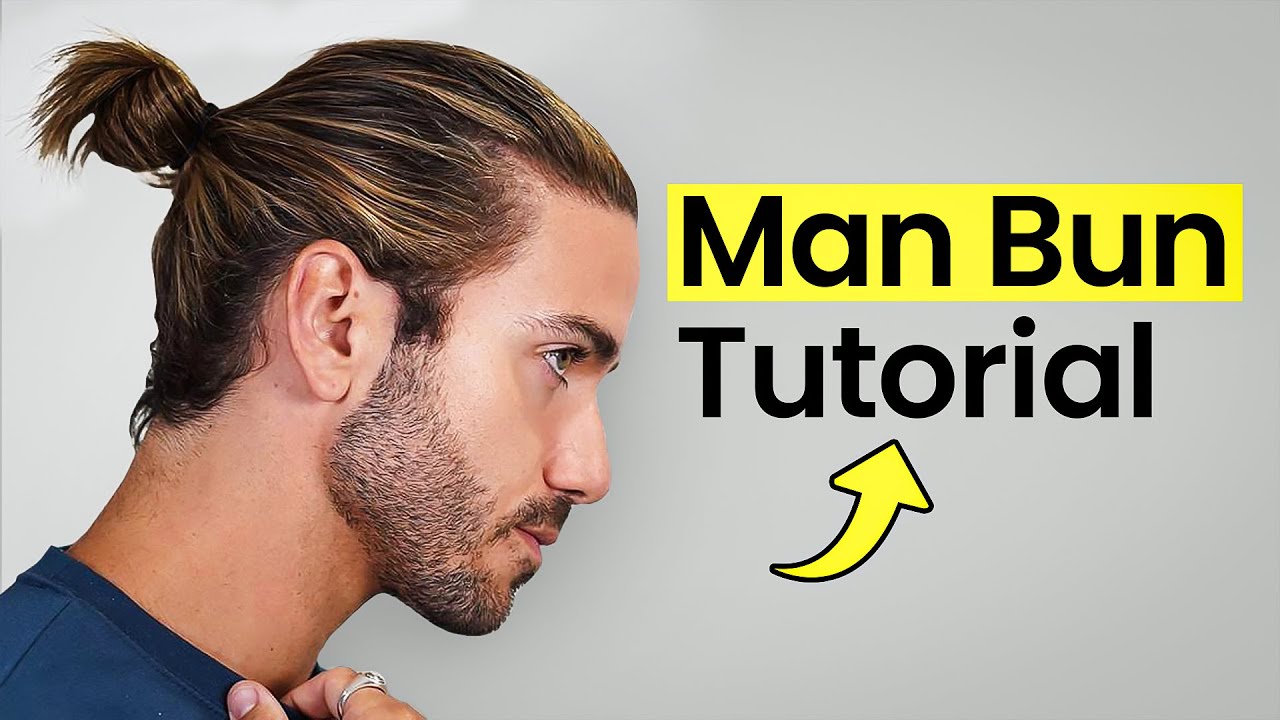
The Man Bun Classic
A man bun classic gathers all available hair into a centered knot at the crown or slightly lower. This democratic style works with various hair lengths and textures, requiring at least 6 inches all around.
The key is achieving balanced proportions between the bun size and head shape. It’s become the gateway style for men transitioning from long loose hair to more controlled looks.

The Sleek Top Knot
The sleek top knot employs high-shine products to create an ultra-polished finish. Hair is pulled back tightly with a fine-tooth comb, eliminating any flyaways before securing into a compact bun.
This refined version suits formal occasions and professional settings where a groomed appearance matters. Regular pomade or gel application keeps everything in place throughout the day.

The Messy Top Knot
This deliberately undone style embraces natural texture and movement for an effortless vibe. Rather than pulling hair taut, you gather it loosely, allowing strategic pieces to fall naturally.
The messy top knot works particularly well with wavy or textured hair that adds dimension. It’s the perfect five-minute style for casual weekends or creative workplaces.

Top Knot with Undercut
Combining a top knot with an undercut creates dramatic contrast between the shaved sides and longer top section. The undercut typically sits at a #2 or shorter, while the top requires at least 8 inches for proper knotting.
This bold combination reduces bulk while maintaining the statement-making bun. Many barbers recommend this for thick-haired clients seeking easier maintenance.

The Half-Up Top Knot
The half-up top knot secures only the upper section of hair while leaving the rest flowing freely. This hybrid style offers the best of both worlds—face-framing control up top with movement below.
It requires strategic sectioning, typically from temple to temple, creating a smaller knot that won’t overwhelm the remaining loose hair. Ideal for those transitioning to longer lengths.

Braided Top Knot
A braided top knot incorporates intricate braid work leading into or around the bun itself. Common variations include cornrows on the sides feeding into the knot, or a French braid along the top transitioning to the bun.
This style demands either braiding skills or a talented barber, but the striking visual impact justifies the extra effort. It’s particularly popular in urban fashion circles.

The Low Top Knot
Positioned at the crown rather than high on the head, the low top knot offers a more subtle profile. This placement works exceptionally well for professional environments where a high bun might seem too bold.
The lower position also reduces tension on the hairline, making it comfortable for all-day wear. It suits most face shapes and creates an elongating effect.

Top Knot with Fade
This style features a gradual fade transitioning from skin-short sides to the longer top section. The fade can be low, mid, or high depending on preference, creating a smooth gradient that emphasizes the gathered top hair.
Modern barbers often add a slight disconnect between the fade and top length for extra definition. This combination has become increasingly requested for its clean yet edgy aesthetic.

Disconnected Top Knot
The disconnected top knot creates a sharp line of demarcation between the short sides and long top. Unlike a fade, there’s no gradual transition—just a bold contrast that makes the top knot appear to float.
This architectural approach to hair design suits those who prefer graphic, high-impact styles. The maintenance involves weekly touch-ups to keep the disconnect crisp.

Top Knot with Designs
Adding shaved designs to a top knot’s undercut or fade sections creates personalized artistic expression. Popular patterns include geometric lines, tribal motifs, or even portraits for the truly bold.
The designs typically last 2-3 weeks before needing refresh. This customization transforms a simple top knot into wearable art, perfect for those who view their hair as a creative canvas.

The Viking Knot
The Viking knot pairs a top knot with braided beard elements or substantial facial hair for a warrior-inspired aesthetic. Often combined with shaved sides featuring Nordic designs, this powerful style makes a statement.
The key is balancing the proportions between the top knot and beard volume. It’s currently trending among those embracing masculine heritage styles with modern twists.

Curly Top Knot
A curly top knot celebrates natural curl patterns rather than fighting them. The key is using curl-enhancing products that define without weighing down, creating a voluminous knot with incredible texture.
This style often appears larger than straight-hair versions due to curl expansion. Leave-in conditioner becomes essential for maintaining healthy curl structure within the bun. It’s particularly striking on those with 3B to 4C curl patterns.

Wavy Top Knot
The wavy top knot works with natural wave patterns to create effortless movement within the bun. Rather than pulling hair completely taut, this style allows waves to show through for added dimension.
Sea salt spray enhances natural texture while providing grip for easier styling. The result is a relaxed, beachy vibe that looks intentionally undone without appearing messy.

Dreadlock Top Knot
Gathering locs into a top knot creates an impressive crown of texture with cultural significance. The weight and thickness of dreads require strong hair ties or wraps to secure properly.
Positioning becomes crucial since loc knots tend to be heavier than traditional hair buns. This powerful style combines the journey of growing locs with the practicality of keeping them elevated and managed.
Textured Messy Knot
This variation uses texturizing products like sea salt spray or texture powder to create piece-y, beachy definition. The goal is achieving that “just left the ocean” look with enhanced grip for easier knotting.
Hair is scrunched while damp with product, then loosely gathered once dry. The textured messy knot perfectly captures that effortless cool aesthetic currently dominating men’s hair trends.

The Executive Knot
The executive knot maintains boardroom-appropriate polish while embracing longer hair. Every strand is meticulously placed using light pomade or cream, creating a neat bun without excessive shine.
The size remains conservative—never larger than a golf ball—and positioning stays centered and balanced. This professional interpretation proves that top knots can absolutely work in corporate environments when executed properly.

Mini Top Knot
Perfect for hair between 4-6 inches, the mini top knot proves you don’t need extreme length for this style. The smaller knot sits subtly on the head, offering just enough elevation without overwhelming proportions.
This transitional style works well for those growing out shorter cuts or preferring understated looks. Strategic positioning at the crown’s highest point maximizes the visual impact of limited length.

The Slicked Top Knot
Using premium pomade, the slicked top knot achieves a refined, high-shine finish perfect for formal events. Hair is combed back meticulously with product distributed evenly from roots to tips before securing.
The result resembles a sculptural element more than traditional hair. This sophisticated approach requires quality products and patience but delivers unmatched polish for special occasions.

Semi-Top Knot
The semi-top knot strategically leaves face-framing pieces loose while securing the majority into a knot. These intentional strands soften the overall look and add movement around the face.
Popular variations include leaving sideburns down or allowing a few pieces to fall from the knot itself. This relaxed interpretation bridges the gap between fully tied and completely loose styles.

How to Tie a Top Knot (Step by Step)
I walk clients through this every single week, and the technique is simpler than most guys think. The biggest mistake I see? Pulling everything too tight from the start, which creates flyaways and tension headaches. Here’s how to do it right.
Step 1: Prep your hair. Start with slightly damp or day-old hair—freshly washed hair is too slippery. Work a small amount of pomade or styling cream through your hair from roots to ends for grip and control.
Step 2: Gather your hair. Tilt your head forward slightly and use your fingers (not a comb) to sweep all the hair upward toward the crown. For a half-up variation, section from temple to temple and leave the bottom layers down.
Step 3: Twist and wrap. Hold the gathered hair in one hand, twist it 2–3 times, then wrap it around itself to form a compact knot. Don’t overthink the shape—a slightly imperfect knot actually looks more natural.
Step 4: Secure it. Use a snag-free hair elastic (never rubber bands—they cause breakage). Wrap the elastic around the base 2–3 times. For extra hold, push a bobby pin through the knot’s base at an angle.
Step 5: Clean up. Smooth any flyaways with a light-hold gel or hairspray. For a messy look, skip this step and pull a few strands loose intentionally.
Best Products for Styling a Top Knot
The right products make a massive difference between a top knot that holds all day and one that falls apart by lunch. Here’s what I keep behind my chair for top knot clients.
Matte paste or clay: These give the best grip for gathering hair without making it look greasy. Apply a dime-sized amount to damp hair before tying up. I recommend matte finish for casual looks and light-hold paste for everyday wear.
Sea salt spray: Perfect for textured or messy top knots. It adds grit and volume to fine hair, making the knot appear fuller. Spray on damp hair and let it air dry before gathering.
Leave-in conditioner: Essential for guys with curly or coarse hair. It prevents the dryness and breakage that come from tying hair up regularly. Apply before any styling product.
Snag-free hair ties: Invest in fabric-coated elastics. Standard rubber bands pull and snap individual hairs over time, leading to noticeable thinning at the knot point. I tell every long-haired client the same thing.
Light-hold hairspray: A finishing spray keeps flyaways down for sleek or executive knots without making hair crunchy. Hold the can 12 inches away and mist lightly.
Which Top Knot Suits Your Face Shape?
This is the question I wish more guys would ask before committing to a top knot. The wrong placement or volume can throw off your proportions. Here’s what I’ve learned works best from years of matching knots to face shapes.
Round face: Go for a high-positioned top knot with shaved or faded sides. The height elongates your face and the tight sides slim the silhouette. Avoid low, wide buns—they add width you don’t need.
Oval face: You’ve hit the jackpot—almost any top knot variation works. The samurai, messy knot, and half-up styles all complement oval proportions. Experiment freely.
Square face: The messy or textured top knot softens angular features. Avoid super-tight, sleek knots that emphasize jaw width. Leave a few pieces loose around the face for balance.
Oblong face: A low or mid-positioned knot is your best bet. High knots add even more length to an already long face. The half-up top knot works particularly well here since the loose bottom hair adds width.
Heart face: A fuller, looser knot adds volume at the top to balance a narrower chin. The Viking knot or curly top knot styles work especially well with heart-shaped faces.
FAQs: Top Knot Hairstyles
How long does hair need to be for a top knot?
Most top knot styles require minimum 6-8 inches of hair length on top, though some variations like the mini top knot work with just 4-6 inches. The traditional full top knot looks best with 10-12 inches for a substantial bun.
Side length varies by style—undercuts can be buzzed short while the classic man bun needs length all around. Consider your desired variation when growing out your hair.
Are top knots damaging to hair?
Top knots can cause damage if tied too tightly or worn constantly in the same position. The key is using snag-free hair ties, varying the bun’s position slightly each day, and giving your hair breaks from being tied up.
Avoid pulling wet hair into tight knots, which increases breakage risk. Using leave-in conditioner and alternating between loose and tight styles helps maintain healthy hair while rocking this look.
What’s the difference between a man bun and top knot?
While often used interchangeably, top knots typically sit higher on the head and involve all hair pulled into one point, creating a true knot appearance. Man buns can be positioned anywhere—high, mid, or low—and often appear fuller and rounder.
Top knots tend to be sleeker and more compact, while man buns embrace a looser, more voluminous shape. The distinction has blurred as styles evolved.
Are top knots still in style?
Absolutely. The top knot has been a consistent presence in men’s grooming since the mid-2010s, and as of 2026, it remains one of the most requested long-hair styles in barbershops. The style keeps evolving with modern variations like the textured top knot, disconnected undercut combinations, and braided versions that keep it fresh and relevant.
What face shape looks best with a top knot?
Oval faces have the most versatility with top knots, but every face shape can wear one with the right variation. Round faces benefit from high-positioned knots with faded sides to create length. Square faces look great with messy, textured knots that soften angular features. Oblong faces should opt for low or mid-positioned knots to avoid adding more vertical length.
Was this article helpful?
Ready to Find Your Perfect Cut?
You’ve read about the styles. Now find the one that fits YOUR face shape, hair type, and lifestyle.

Khamis Maiouf is a professional barber who graduated from Hinckley College in England with a Level 3 qualification in hairdressing. With over 20 years of experience, he is an award-winning barber who has mentored numerous students and styled thousands of clients. A recognised expert featured on StyleCraze (20M+ readers).
Credentials: Level 3 Hairdressing (Hinckley College, UK) • 20+ Years Professional Experience • Featured Expert on StyleCraze • Founder of Book of Barbering