

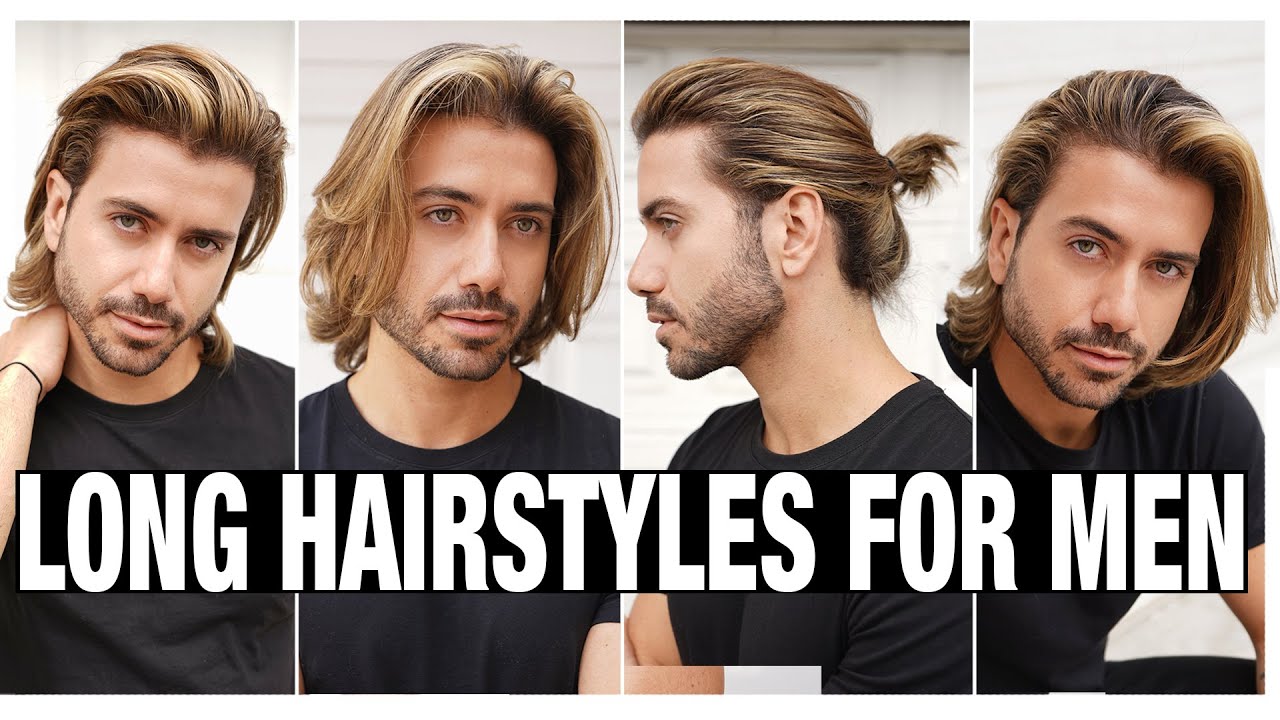
Every week a client sits in my chair wanting to grow it out — and every time I say the same thing: long hair only works when you match the style to your face shape and texture. These 25 long hairstyles for men are the ones I’ve seen work across every hair type in my 20+ years behind the chair — from sleek low buns to edgy Viking braids.
Key Takeaways
- Long hair works with every texture — the key is matching the style to your face shape and hair type.
- Man buns, ponytails, and braids offer professional options for keeping long hair controlled at work.
- Regular trims every 8-12 weeks prevent split ends without losing length.
- Beach waves, shags, and layered cuts are the most low-maintenance long styles for daily wear.
- Condition the ends every wash and use heat protection when styling to keep long hair healthy.
The Man Bu
n
The man bun remains the most versatile long hairstyle, combining practicality with style. Pull hair
into a bun at the crown for instant sophistication, or go lower for a more relaxed vibe. This style works with straight, wavy, or curly textures and transitions seamlessly from gym to office. Perfect for men who want length without constant hair in their face.

Low Ponytail
A low ponytail offers understated elegance by gathering hair at the nape of the neck. This classic style keeps things professional while showcasing your length.
The key is maintaining healthy, well-conditioned hair for that sleek finish. Works especially well with straight to wavy textures and suits both casual and formal settings.

High Ponytail
The high ponytail creates a bold, athletic look by positioning the tie point higher on the head. This style lifts facial features and works best with thick, healthy hair that can support the weight.
Popular among athletes and creatives, it requires good hair elasticity to prevent breakage. Consider using a silk scrunchie to minimize damage during extended wear.

Half-Up, Half-Down
This hybrid style pulls the top section back while letting the rest flow freely. It’s the perfect compromise between control and movement, offering face-framing benefits without sacrificing length display.
Ideal for men with layered cuts or those growing out shorter styles. The versatility makes it suitable for literally any occasion.

Slicked Back Long Hair
Slicked back long hair uses pomade or gel to create a polished, swept-back appearance. This refined style channels old Hollywood glamour while maintaining modern edge.
The key is finding the right product balance—enough hold without looking greasy. Works best with straight to slightly wavy hair and requires daily styling commitment. Business professionals particularly favor this sophisticated option.

Beach Waves
Beach waves deliver that effortlessly tousled texture reminiscent of salt-water swimming. This relaxed style works with natural wave patterns or can be enhanced with sea salt spray.
The goal is controlled chaos that looks naturally windswept. Perfect for casual environments and men who prefer minimal daily styling. Particularly flattering on medium to thick hair densities — similar to the classic surfer hair look.

Long Shag
The long shag features multiple layers that create incredible movement and dimension. This rock-inspired cut removes bulk while maintaining length, making it ideal for thick hair.
Each layer works independently, creating natural texture without heavy styling. Currently experiencing a major revival among musicians and artists who appreciate its low-maintenance appeal.

Natural Curls
Embracing natural curls means working with your unique curl pattern rather than against it. This approach requires specialized products and techniques like the curly girl method for optimal definition.
Regular deep conditioning and careful detangling preserve curl integrity. The result showcases authentic texture that’s both striking and personal. Confidence is the best accessory for this bold choice.

Straight & Sleek
Straight and sleek long hair emphasizes healthy shine and smooth texture. This minimalist approach requires excellent hair health and regular conditioning treatments.
Heat protection is essential if using straightening tools. The clean lines suit professional settings while the length adds personality. Asian hair textures particularly excel with this polished style.

Messy Bedhead
The messy bedhead look creates intentional dishevelment that appears effortless but requires strategic styling. Texturizing products help achieve that perfectly imperfect finish without looking unkempt.
This style works best with natural wave or slight curl patterns. It’s become the signature look for creative professionals who want approachable edge.

Undercut with Long Top
An undercut with long top combines shaved or faded sides with flowing length above. This dramatic contrast creates visual impact while reducing bulk and maintenance.
The versatility allows for man buns, ponytails, or free-flowing styles depending on mood. Regular barber visits maintain the clean undercut while top length continues growing. Finally, a style that satisfies both edge and elegance.

Long Hair with Fade
Long hair with fade offers a gradual transition from short sides to long top. This modern technique provides structure without the harsh disconnect of an undercut.
The fade can be low, mid, or high depending on preference and face shape. Particularly effective for managing thick hair while maintaining statement length. Professional barbers recommend this for first-time long hair enthusiasts.

Braided Styles
Braided styles encompass everything from simple three-strand braids to complex patterns. These protective styles reduce daily manipulation while showcasing creativity.
Options include single braids, French braids, or multiple smaller braids for varied looks. Braiding works with most hair textures but requires adequate length and patience. Athletes particularly appreciate the practical benefits during physical activity.

Viking Braids
Viking braids channel warrior aesthetics through elaborate braiding techniques often combined with undercuts. These powerful styles incorporate multiple braids, sometimes with beads or rings for authentic detail.
The look demands commitment to both growing and maintaining the style. Popular in metal and alternative scenes, they make an undeniable statement. Historical accuracy optional but attitude essential.

Dreadlocks
Dreadlocks represent a lifestyle commitment to naturally locked hair formations. This traditional style can be achieved through various methods including twisting, backcombing, or natural neglect.
Maintenance involves regular palm rolling and root maintenance for neat appearance. The maturation process takes months to years depending on hair texture. Cultural significance and personal meaning often accompany this profound style choice.

Middle Part
The middle part creates perfect symmetry with hair flowing evenly to both sides. This classic style frames the face beautifully and works best with straight to wavy textures.
Regular trims maintain the clean center line and prevent split ends. Currently trending among younger generations rediscovering vintage aesthetics. Suits oval and heart-shaped faces particularly well.

Side Part Long
A side part with long hair adds sophisticated asymmetry to flowing locks. This timeless style allows for natural movement while maintaining polished appearance.
The part placement can dramatically alter facial proportions and overall look. Works exceptionally well in professional settings where long hair needs refinement. Choose part placement based on natural growth patterns for easiest maintenance.

Tucked Behind Ears
Tucking long hair behind ears provides a clean, approachable look that showcases facial features. This simple technique works with any length past the ears and requires zero styling products.
Perfect for video calls or when you need hair controlled without tying it back. The casual elegance suits both professional and social situations effortlessly.

Low Bun
The low bun positions hair at the base of the neck for understated professionalism. This refined style keeps hair completely controlled while maintaining masculine edge.
Less tension than high buns means reduced strain on follicles and scalp. Investment bankers and lawyers often choose this for its boardroom appropriateness. Secure with quality elastic to prevent midday loosening.

Samurai Top Knot
The samurai top knot places a tight bun at the crown of the head, inspired by traditional Japanese warrior styles. This bold choice requires sufficient length on top while sides can be shaved or grown out.
The dramatic height creates strong vertical lines that elongate the face. Modern interpretations often incorporate fades or undercuts for contemporary edge. Confidence carries this statement style.

Braided Man Bun
A braided man bun incorporates intricate braiding before gathering into a bun. This combination style showcases technical skill while maintaining practical hair control.
Options range from single braid integration to fully braided buns for maximum impact. The added texture prevents slippage common with straight-haired buns. Perfect for special occasions or when standard buns feel too simple.

Cornrows with Length
Cornrows with length feature tight braided patterns along the scalp with loose ends flowing freely. This protective style combines structure with movement for unique visual interest.
The braided sections can create geometric patterns or simple straight lines depending on preference. Maintenance involves regular moisturizing and occasional re-braiding of loosened sections. The style was popularized by artists like Pop Smoke and remains popular in hip-hop culture and athletic communities.

Long Fringe/Bangs
Long fringe creates a curtained effect with prominent bangs framing the face. This style adds mystery and dimension while allowing length throughout.
The fringe can be styled straight across, swept to one side, or parted centrally. Regular trimming keeps the fringe at optimal length without sacrificing overall growth. Particularly flattering for longer face shapes needing horizontal balance.
Layered Shoulder Length
Layered shoulder length hair uses multiple length variations to create dimension and reduce bulk. This versatile cut works with all textures but especially benefits thick hair needing weight removal.
Each layer moves independently, creating natural body without heavy styling. The shoulder-length commitment feels less daunting than longer styles while still offering styling variety. Ideal for professionals wanting manageable length.

Flow Hairstyle
The flow hairstyle channels hockey player aesthetics with hair swept back naturally from movement. This athletic style requires medium to long length that flows backward when walking or skating.
No heavy products needed—just healthy hair that moves freely. The effortless appearance belies regular conditioning and trimming requirements. College athletes and surfers particularly embrace this genuinely carefree style. See our full guide to flow haircuts for more variations.

How to Maintain Long Hair as a Man
Growing it out is only half the battle — keeping long hair looking good takes a routine. Here’s what I tell every client who commits to length:
Wash 2-3 times per week. Daily washing strips natural oils that long hair desperately needs. If you have finer hair, every other day works. Thicker or curlier textures can go 3-4 days between washes without any issues.
Condition every single wash. Focus the conditioner on the mid-lengths and ends, not the roots. This prevents the greasy-at-the-top, dry-at-the-bottom look I see on guys who skip this step.
Trim every 8-12 weeks. I know it sounds counterintuitive when you’re growing your hair out, but removing a quarter inch of split ends prevents breakage that costs you two inches later. Ask your barber for a “dusting” — minimal length removed, maximum damage prevented.
Use heat protection. If you blow-dry or use hot tools, a heat protectant spray is non-negotiable. Heat damage on long hair is brutal because it takes so long to grow past the damaged section.
Avoid tight styles daily. Man buns and ponytails are great, but wearing them tight every day can cause traction alopecia — permanent hair loss around the hairline. Alternate between loose and pulled-back styles to give your hairline a break. Learning how to style your hair with variety protects both your look and your follicles.
Best Long Hairstyles by Face Shape
Not every long style suits every face. Here’s what I recommend based on the face shapes that walk into my shop most often:
Oval face: You hit the jackpot — almost every long hairstyle works. Middle parts, flow styles, and beach waves all look natural and balanced on oval faces. Go with whatever matches your personality.
Round face: You want styles that add height and length to counterbalance width. The samurai top knot, high ponytail, and slicked-back styles are your best bets. Avoid flat, center-parted styles that emphasize the roundness.
Square face: Your strong jawline is an asset — soften it slightly with layered shoulder-length hair, beach waves, or a natural shag. These textured styles balance angular features without hiding them.
Oblong face: Width is your friend. Side parts, half-up styles, and anything with volume on the sides works well. Avoid straight, flat styles that make your face look even longer — add some wave or texture to break up the vertical line.
FAQs: Long Hairstyles for Men
How long does it take to grow long hair?
Hair grows approximately half an inch monthly, meaning shoulder-length hair takes about two years from a short cut. Factors like genetics, diet, and hair care routine affect growth rate.
Regular trims paradoxically help achieve length by preventing breakage and split ends. Patience and proper maintenance are essential—there’s no reliable way to significantly speed natural growth. Protective styles and gentle handling preserve length during the growing process.
What’s the best long hairstyle for thin hair?
Men with thin hair should choose layered cuts that create illusion of density without emphasizing sparseness. Avoid heavy, blunt cuts that can make thin hair look stringy.
Styles like the long shag or textured layers add movement and body. Strategic styling products provide volume without weighing hair down. Consider keeping length at shoulder rather than extremely long to maintain fullness appearance.
How often should long hair be trimmed?
Long hair benefits from trims every 8-12 weeks to maintain health and prevent split ends from traveling up the shaft. This might seem counterintuitive when growing length, but removing damaged ends actually preserves overall length better than avoiding trims.
Focus on “dusting” cuts that remove minimal length while eliminating damage. Between trims, use quality conditioners and protective styles to minimize breakage.
What face shape looks best with long hair?
Most face shapes can pull off long hair when you choose the right style. Oval faces are the most versatile — nearly any long style works. Round faces benefit from styles with height like top knots and high ponytails. Square faces look best with textured, layered cuts that soften angular features. Oblong faces should add width with side parts and voluminous styles rather than flat, straight looks.
How do you keep long hair healthy as a man?
Healthy long hair comes down to three habits: wash only 2-3 times per week to preserve natural oils, condition the mid-lengths and ends every wash, and get a trim every 8-12 weeks to prevent split ends from traveling up the hair shaft. Use heat protection whenever you blow-dry or use hot tools, and avoid wearing tight ponytails or buns daily to prevent traction alopecia.
Was this article helpful?
Ready to Find Your Perfect Cut?
You’ve read about the styles. Now find the one that fits YOUR face shape, hair type, and lifestyle.

Khamis Maiouf is a professional barber who graduated from Hinckley College in England with a Level 3 qualification in hairdressing. With over 20 years of experience, he is an award-winning barber who has mentored numerous students and styled thousands of clients. A recognised expert featured on StyleCraze (20M+ readers).
Credentials: Level 3 Hairdressing (Hinckley College, UK) • 20+ Years Professional Experience • Featured Expert on StyleCraze • Founder of Book of Barbering