
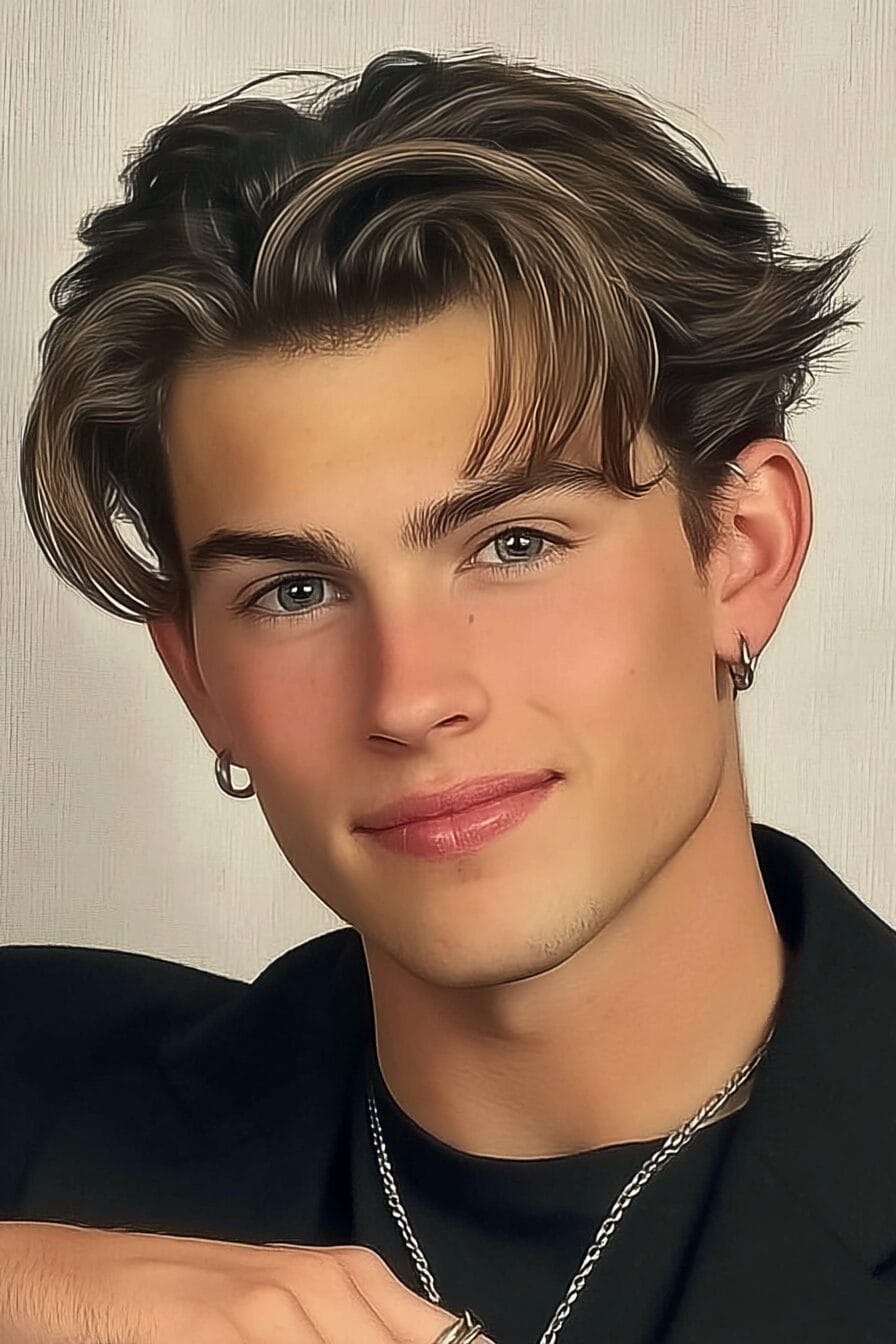
Most guys who sit in my chair asking for a middle part undercut have the same concern — they don’t want it to look like a costume. Here’s what I tell them after cutting hair for 20+ years: the undercut middle part is one of the most naturally flattering combinations because the clean sides let the center part frame your face without competing with it.
These are the 11 variations I recommend most, from subtle fades to dramatic disconnects, plus exactly how to style and maintain each one.
Key Takeaways
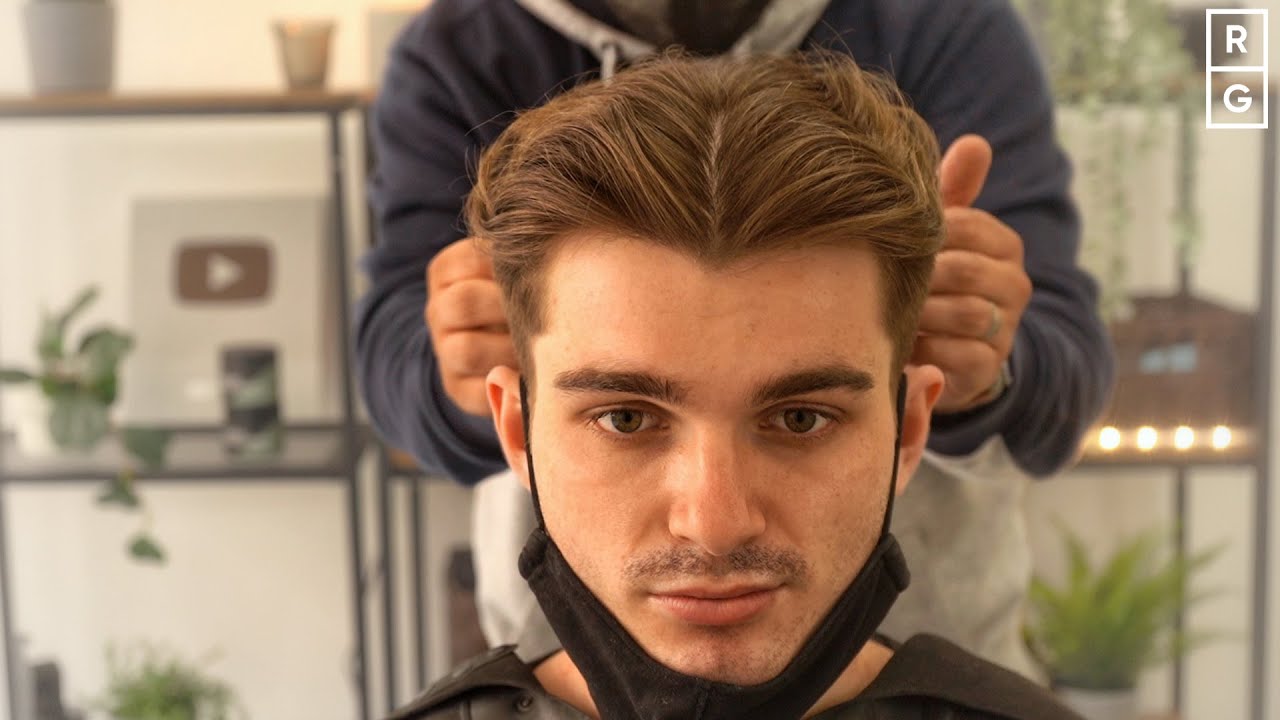
- The undercut middle part pairs buzzed or faded sides with a center-parted top — you need at least 3-4 inches on top to pull it off.
- Choose your variation based on commitment: textured styles need minimal effort, while slicked looks require daily product and blow-drying.
- Blow-dry technique matters more than product — direct heat from back to front to train the natural curtain shape.
- Oval and heart-shaped faces suit almost any variation, while round faces benefit from a disconnected undercut with extra top length.
- Bring a reference photo to your barber and specify fade vs. disconnect, guard number, and whether you want point-cut or blunt-cut ends.
Clean Undercut with Textured Middle Part
This clean undercut features razor-sharp sides contrasted with naturally textured hair on top, split down the center. The precision cut creates a polished frame while the textured middle part adds movement and dimension. Perfect for professionals who want edge without sacrificing sophistication, this style requires minimal daily styling—just run fingers through damp hair and let it fall naturally.

Fade Undercut Middle Part
A fade undercut middle part blends the sides gradually from skin to longer lengths, creating a seamless transition to the parted top section. This variation softens the traditional undercut’s harsh lines while maintaining its modern appeal.
The gradual fade works especially well with medium-length tops, allowing the middle part to flow naturally. Ideal for those seeking a versatile style that adapts from casual to formal settings.

Disconnected Undercut Middle Part
The disconnected undercut middle part creates maximum contrast between ultra-short sides and longer top hair without any blending. This bold line of demarcation emphasizes the middle part’s curtain effect, making it a statement style for confident individuals. The dramatic disconnect works best with 4-6 inches on top, allowing enough length for the part to fall naturally while maintaining the edgy aesthetic.
Short Middle Part Undercut
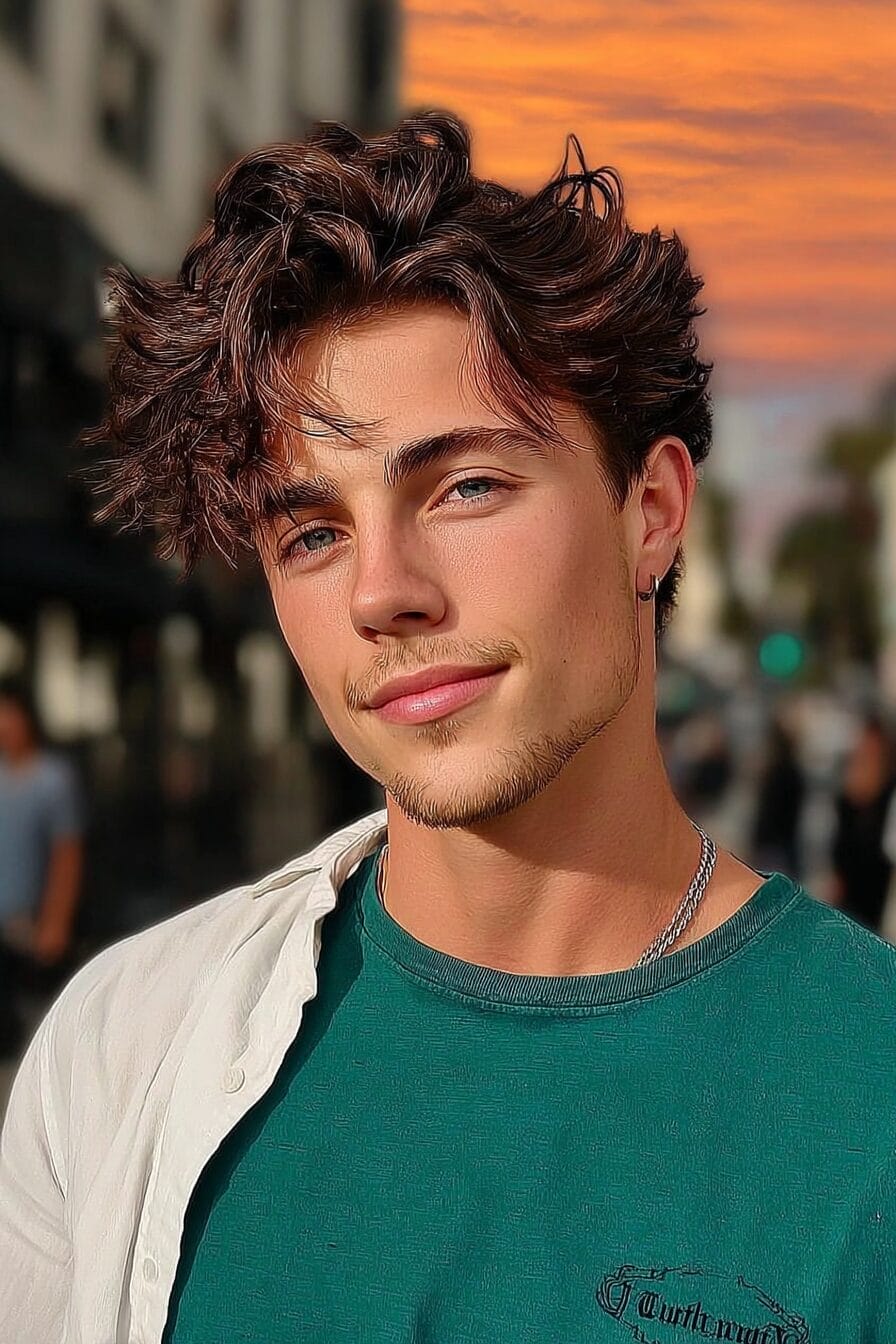
A short middle part undercut keeps things subtle with 2-3 inches on top, perfect for those easing into the middle part trend. The shorter length maintains easy styling while still achieving that coveted curtained look.
This variation suits busy professionals or anyone preferring under five minutes of morning styling. Works particularly well with straight to slightly wavy hair textures.

Medium Length Middle Part
The medium length middle part features 4-5 inches of hair on top, offering optimal styling flexibility without excessive maintenance. This length allows the hair to fall naturally into place while providing enough weight for the part to stay defined.
Currently trending among creative professionals and students, it strikes the perfect balance between statement style and everyday practicality. The medium length adapts easily to both casual and formal occasions.

Long Middle Part Undercut
For maximum drama, the long middle part undercut features 6+ inches on top, creating a striking curtain effect that frames the face. This bold variation requires commitment to maintenance but delivers unmatched versatility in styling options.
The extended length allows for everything from sleek, tucked-behind-ears looks to full, flowing curtains. Popular among artists and fashion-forward individuals who view their hair as a key accessory.

Wavy Middle Part Undercut
Natural waves enhance the middle part undercut by adding texture and movement that straight hair can’t replicate. The waves create effortless volume and help the curtains fall more naturally around the face.
This variation requires minimal product—just a light texturizing cream to define waves without weighing them down. Particularly flattering for oval and rectangular face shapes.
Straight Hair Middle Part
The straight hair middle part delivers a sleek, polished aesthetic that emphasizes precision and symmetry. This variation benefits from regular trims to maintain crisp lines and prevent the ends from looking wispy.
A lightweight pomade or cream helps achieve that glossy finish without stiffness. The clean lines of straight hair make this perfect for minimalists who appreciate understated elegance.

Curly Middle Part Undercut
Embracing natural curl patterns, this variation lets texture take center stage while the undercut keeps sides neat and controlled. The curls add incredible volume and dimension to the middle part, creating a unique silhouette that stands out.
Proper moisture and curl-defining products are essential for maintaining definition without frizz. This style celebrates natural texture while keeping maintenance surprisingly manageable.

Textured Fringe Middle Part
A textured fringe middle part combines choppy layers with the center part for a deliberately undone aesthetic. This modern interpretation features piece-y texture throughout the top, creating movement and preventing the style from looking too perfect.
Not sure what your face shape is? Our Face Shape Detector figures it out in 4 quick questions.
Sea salt spray or texture powder helps achieve that lived-in look. Popular among creatives and younger professionals seeking an approachable yet stylish appearance.

Slicked Middle Part
The slicked middle part uses high-shine products to create a wet-look finish that exudes confidence and sophistication. This variation works best with medium to long hair lengths, allowing the product to distribute evenly while maintaining the defined center part.
Strong-hold gel or pomade keeps every strand in place throughout the day. Perfect for formal events or anyone channeling vintage Hollywood glamour with a modern twist.

How to Style Your Undercut Middle Part
Getting the right cut is only half the equation — you need to know how to style it at home between visits. I walk every client through this routine after their first undercut middle part.
Start with towel-dried hair that’s still damp. Apply a dime-sized amount of lightweight styling cream or sea salt spray and work it through from roots to ends with your fingers. For longer top sections, use a bit more product.
Use a blow dryer on medium heat directed from back to front, training the hair to fall forward into the curtain shape. A round brush at the roots adds volume if your hair runs flat. Once dry, define the center part with your fingers or a wide-tooth comb.
For a textured, lived-in finish, work in a matte clay or texture powder. For a sleeker look, a light pomade gives hold with shine. The key is restraint — you want movement, not a helmet.
How to Ask Your Barber for This Cut
A reference photo is the single best thing you can bring to the chair. But knowing the right terminology gets you a cleaner result every time.
Ask for an undercut with a #1 or #2 guard on the sides — a #1 gives a tighter crop, a #2 leaves a bit more shadow. Specify whether you want a hard disconnect or a blended fade. The disconnect is more dramatic; the fade is more versatile for everyday wear.
Tell your barber you want the top long enough to part down the middle — that means at least 3-4 inches. Mention your hair type too. Thick, coarse hair may need thinning on top to prevent bulk, while fine hair benefits from keeping all the density for volume.
Ask for point-cutting on the ends rather than a blunt cut. It gives the curtain panels a more natural drape instead of a heavy, blocky finish.
Best Face Shape for an Undercut Middle Part
This style works across most face shapes, but small adjustments make a big difference in how polished the result looks.
Oval faces have the easiest time — almost any variation works because the proportions are already balanced. Go with whatever length and texture appeals to you.
Square and rectangular faces benefit from softer, textured variations. Skip the slicked-back look and lean toward wavy or tousled finishes that soften strong jawline angles. A shadow fade on the sides adds subtle dimension without the harsh contrast of a full disconnect.
Round faces need vertical height. Keep 5+ inches on top and go for a disconnected undercut rather than a fade — the sharp contrast draws the eye upward and slims the face.
Heart-shaped faces look best with medium length on top (4-5 inches). Too short emphasizes a wider forehead; too long overwhelms a narrower jaw. A natural, slightly tousled part hits the sweet spot.
FAQs: Undercut Middle Part
How long does hair need to be for a middle part undercut?
You’ll need at least 3-4 inches on top for a basic middle part undercut, though 5-6 inches provides more styling versatility. The hair needs enough length to naturally fall to either side when parted.
Shorter lengths can work but require more product and styling effort to maintain the part throughout the day. Consider your commitment to daily styling when choosing your ideal length.
Does a middle part undercut suit all face shapes?
While the middle part undercut is versatile, it particularly flatters oval, rectangular, and heart-shaped faces. Round faces benefit from keeping more length on top to add vertical dimension.
Square faces should consider softer, textured variations rather than severe, slicked styles. The key is adjusting the top length and styling method to complement your features. Consult your barber for personalized recommendations.
How often should I trim an undercut middle part?
Maintain the undercut sides every 2-3 weeks to keep lines sharp and prevent awkward grow-out phases. The top section needs trimming every 6-8 weeks, depending on your desired length and how quickly your hair grows.
Regular maintenance ensures the style maintains its shape and the middle part stays defined. Budget for more frequent visits than traditional haircuts require.
What products work best for a middle part undercut?
For a textured, natural finish, use a sea salt spray on damp hair followed by a matte clay for hold. For a sleeker look, a lightweight pomade or styling cream gives you control with shine. Avoid heavy waxes or strong-hold gels — they weigh down the curtain panels and kill the natural movement that makes this style work. Start with a small amount and add more as needed.
Can you get a middle part with short hair?
You can pull off a middle part with as little as 2-3 inches on top, but it takes more product and daily effort to keep the part defined. The most versatile range is 4-6 inches, which gives hair enough weight to naturally fall into the center part. If you’re starting from a shorter cut, expect about 2-3 months of growing before you have enough length for a proper curtain effect.
Was this article helpful?
Ready to Find Your Perfect Cut?
You’ve read about the styles. Now find the one that fits YOUR face shape, hair type, and lifestyle.

Khamis Maiouf is a professional barber who graduated from Hinckley College in England with a Level 3 qualification in hairdressing. With over 20 years of experience, he is an award-winning barber who has mentored numerous students and styled thousands of clients. A recognised expert featured on StyleCraze (20M+ readers).
Credentials: Level 3 Hairdressing (Hinckley College, UK) • 20+ Years Professional Experience • Featured Expert on StyleCraze • Founder of Book of Barbering