
— Award-Winning Barber · 20+ Years Experience · Level 3 Qualified
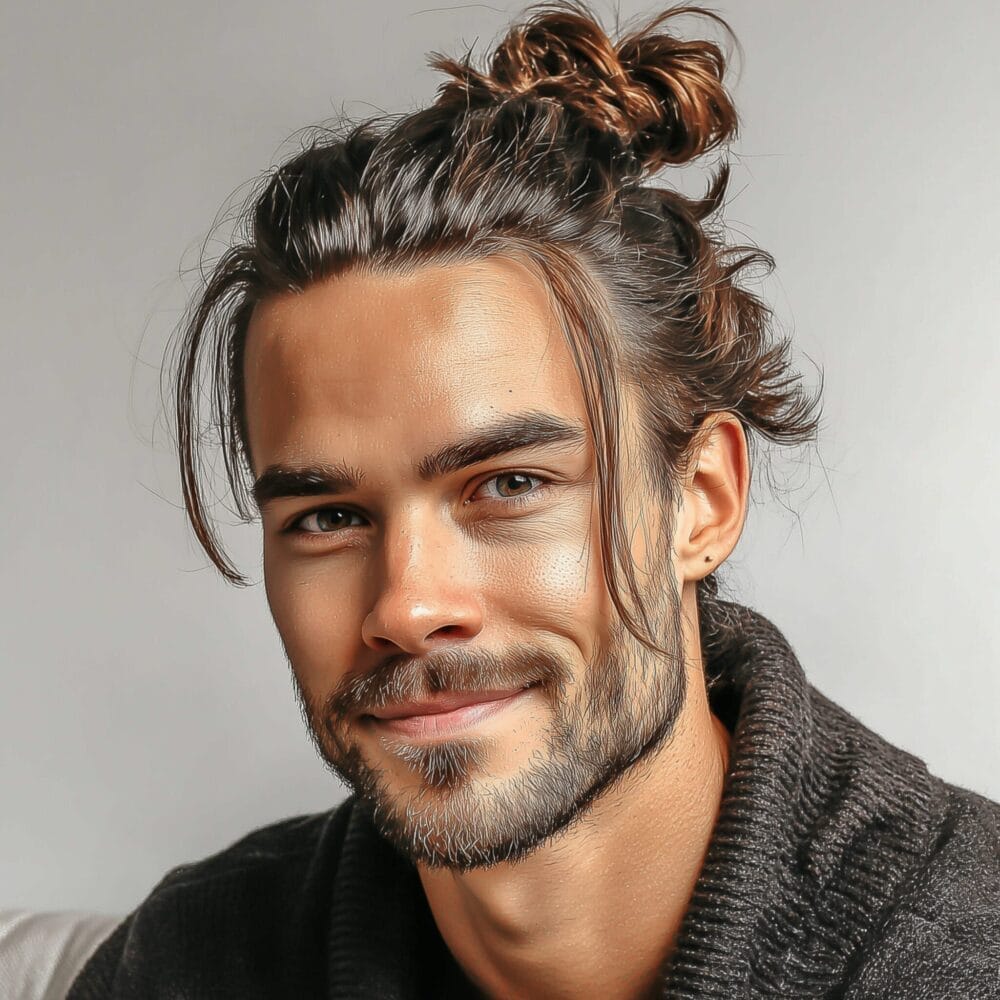
The samurai hairstyle has gone from feudal Japan to one of the most requested men’s looks in my barbershop. Whether you call it a topknot, chonmage, or samurai bun, this style works across hair types and lengths—and it’s far easier to pull off than most guys think. Here’s my breakdown of every samurai hairstyle variation worth trying, plus exactly how to style and maintain each one.
Key Takeaways
- You need at least 6 inches of hair on top to tie a proper samurai knot—medium-length hair works for half-up variations.
- Pair the samurai bun with an undercut or fade for a modern take, or keep the sides long for a traditional warrior aesthetic.
- Samurai hairstyles work with straight, wavy, and curly textures—each creates a different knot shape and vibe.
- Beard pairings transform the look: a full beard adds ruggedness while a clean shave keeps it sleek and minimal.
- Daily maintenance is simple—a quality hair tie and some light product for flyaways are all you need.
The History Behind the Samurai Hairstyle
Understanding the roots of this style gives you a deeper appreciation for what you’re wearing. The original samurai hairstyle, called the chonmage, wasn’t just fashion—it was functional. Samurai warriors shaved the top of their heads and tied the remaining hair into a topknot so their helmets would fit securely during battle. The style became a status symbol during Japan’s Edo period, with the specific shape of the topknot indicating a man’s rank and social class.
When the Meiji government banned the chonmage in 1871 as part of Japan’s modernization, the traditional version largely disappeared. The modern samurai hairstyle flips the script—instead of shaving the crown, we grow the top long and often fade or undercut the sides. It’s an evolution that honors the warrior aesthetic while fitting seamlessly into contemporary style. I’ve seen this historical context resonate with clients who want their hairstyle to carry meaning beyond just looking good.
What Is A Samurai Hairstyle?

The samurai hairstyle traces back to feudal Japan, where warriors wore topknots not only for practicality but as a sign of honor and discipline. Today, it’s evolved into a fusion of traditional culture and modern male grooming, blending heritage with versatile styling. While its core element—the tied knot—remains, the variations now include fades, undercuts, and textured finishes, making it adaptable for different personalities and professional or casual settings.
- Heritage: Rooted in Japanese warrior culture and symbolism.
- Now adapted with modern fades and undercuts.
- Versatile enough for work, leisure, or bold statements.
Classic Samurai Topknot

The classic samurai topknot serves as the foundation for this entire hairstyle family. Traditionally tied at the crown, it was both functional and symbolic. Modern barbers still respect its structure, though they adjust placement and length based on client preference.
This look emphasizes strength and neatness, and works best for men with medium to long hair who want a clear nod to the warrior roots without overly complicating their daily routine.
High Crown Knot

Placed near the top of the head, the high crown knot creates a commanding, warrior-like impression. This version showcases discipline and confidence, working best for men with strong facial features and longer hair.
Because it elongates the face, it’s particularly flattering for round face shapes. It requires secure tying and regular trims on the sides to keep the focus upward, giving it a striking yet balanced presence that feels unmistakably traditional.
Low Samurai Bun

The low samurai bun sits closer to the nape of the neck, offering a relaxed alternative to the high knot. This placement works well for medium hair lengths, especially for men seeking versatility between casual and professional environments.
It carries less intensity but more adaptability, blending in smoothly during office hours while still holding cultural significance. The low bun is easier to manage daily, making it a favorite among men with busy lifestyles.
Samurai Knot With Undercut

This style mixes heritage with modern barbershop precision. The samurai knot with an undercut leaves the top long while the sides are shaved close or completely down to skin.
The contrast highlights the knot and adds a sharp, urban vibe. It’s especially effective for straight or wavy hair, creating a clear separation of textures. For men seeking a bold twist on tradition, this version balances rebellion with respect for samurai roots.
Modern Samurai Hairstyle Variations

Modern interpretations of the samurai hairstyle expand its versatility, offering options that feel current and stylish without losing the spirit of the topknot. These variations often incorporate fades, tapers, or disconnected cuts, giving the hairstyle a sharper edge.
Whether you want a subtle transition or a high-contrast statement, these styles make the samurai knot fit seamlessly into today’s grooming expectations, from the boardroom to weekend nightlife.
Think of modern samurai cuts as the bridge between centuries-old tradition and sharp, contemporary masculinity.
Samurai Fade Cut

The samurai fade cut combines the iconic knot with a graduated fade on the sides and back. This style creates a clean, sculpted appearance while keeping focus on the knot itself.
It’s particularly effective for men with straight hair, where sharp fades shine best. The fade also adapts to different levels—low, mid, or high—allowing personal customization. This blend of warrior tradition and barbershop technique makes it one of the most versatile modern options.
Disconnected Samurai Undercut

The disconnected undercut draws a sharp visual line between the long top and the shaved sides, making the samurai knot pop dramatically. Unlike a fade, there’s no gradual blending here—it’s all contrast.
This look is bold and edgy, appealing to men who want their hairstyle to command attention. Best suited for medium to long hair, it can be paired with defined beards for even stronger impact, delivering a striking mix of precision and attitude.
Samurai Hairstyle With Taper

The tapered version softens the transition between top length and sides, making the samurai knot suitable for more professional settings. Instead of a stark disconnect, the taper eases into shorter lengths gradually, keeping the overall look neat and refined.
Men with oval or square faces benefit most, as the taper balances strong lines. It’s a less aggressive but highly practical take, perfect for those wanting cultural nods without compromising workplace polish.
Samurai Hairstyle For Different Hair Lengths

Hair length plays a crucial role in shaping the samurai hairstyle. Whether your hair is short, medium, or long, each length offers distinct advantages. Short hair emphasizes ease and minimal upkeep, medium length allows versatility, while long hair creates a dramatic homage to tradition.
Understanding how length influences both aesthetics and maintenance ensures that the chosen version matches not just your face shape, but also your lifestyle and grooming habits.
Short Samurai Knot

With short hair, the samurai knot is compact and easy to manage. This minimalist approach suits men who want a nod to the style without committing to long growth.
It requires little maintenance and works well in professional environments. While the knot is smaller and less dramatic, it retains the essence of the samurai look. The style particularly appeals to those balancing active routines with a need for quick, hassle-free grooming each morning.
Medium-Length Samurai Style

Medium length hair offers the best of both worlds: enough to form a visible knot without being cumbersome. This length allows experimentation with fades, tapers, or accessories while still maintaining manageable daily care. It adapts seamlessly from casual to formal, making it highly versatile.
Men who want a balanced expression of heritage and modernity often find medium-length samurai hairstyles the most practical choice, as they provide styling flexibility without overwhelming upkeep demands.
Long Samurai Bun

Long hair elevates the samurai bun into a bold, dramatic statement. The volume and length create presence, honoring the style’s historical roots more closely. This version requires patience and consistent care, as tangles and weight management become factors.
However, for men with thick or straight hair, the payoff is striking.
The long samurai bun signals commitment and strength, and in social settings, it naturally stands out as both cultural and stylishly commanding.
Samurai Hairstyle For Different Hair Textures

Texture influences how a samurai hairstyle looks and feels, from sleek finishes to textured flair. Straight hair emphasizes sharpness and clean lines, wavy hair introduces natural movement, while curly textures add unique dimension and volume. By tailoring the samurai knot to match your natural texture, you enhance both aesthetics and manageability.
This ensures the hairstyle feels authentic to your grooming routine rather than a forced attempt at tradition.
Samurai Style For Straight Hair

Straight hair suits the samurai hairstyle beautifully because it accentuates the precision of the knot and any sharp sidework. The clean fall of straight strands ensures the bun or knot appears tidy and sleek. This finish aligns with the disciplined roots of the style.
With regular trims and proper product use, straight-haired men can maintain a warrior-inspired silhouette that feels deliberate, professional, and striking in both casual and formal settings.
Samurai Hairstyle For Wavy Hair

Wavy hair adds natural body and movement to the samurai knot, giving it texture that straight hair can’t replicate. The waves provide a dynamic look even when tied up, preventing the style from appearing overly rigid.
This natural flow makes it perfect for men seeking a balance of structure and casual flair. The wavy variation adapts well to both relaxed and bold contexts, providing a versatile, slightly unconventional twist on the classic form.
Curly Samurai Knot

Curly hair introduces volume and texture into the samurai style, creating a standout version that feels bold and distinctive. The knot may appear fuller, with defined curls adding dimension around the crown.
Though it requires more attention to manage frizz, the payoff is an eye-catching warrior-inspired look unlike any other. For men comfortable with their natural curls, this style amplifies uniqueness while still respecting the foundational tradition of the samurai hairstyle.
Samurai Hairstyle With Beard Pairings

Facial hair amplifies the samurai hairstyle, enhancing masculinity and creating balance. The choice of beard pairing can dramatically change the vibe, from rugged to refined.
A full beard lends power and dominance, while a goatee sharpens definition. Alternatively, going clean shaven highlights minimalism and modernity. Understanding how your hairstyle and beard work together allows you to craft a cohesive statement, ensuring both elements align with your personal style and setting.
Full Beard With Samurai Bun

A full beard combined with a samurai bun creates a strikingly masculine appearance. This pairing balances the volume of long hair with the density of a thick beard, projecting confidence and presence.
It works especially well for men with angular features or broader jaws, enhancing strength and symmetry. Regular beard grooming ensures the look remains intentional rather than overgrown. Together, they form a bold warrior-inspired aesthetic that stands out in any crowd.
Goatee With Samurai Knot

Pairing a goatee with a samurai knot produces a sharper, more defined profile. The goatee narrows focus to the chin, elongating the face while the knot adds structure above. This combination works particularly well for men with rounder features who want more visual definition.
It’s a style that conveys precision and control, appealing to professionals and creatives alike. The clean lines of the goatee balance perfectly with the top’s structured knot.
Clean Shaven Samurai Look

Going clean shaven with a samurai hairstyle strips the look down to its most minimalist form. The absence of facial hair shifts all focus onto the knot itself, emphasizing its structure and cultural roots. This pairing communicates modern sophistication while still honoring tradition.
It’s especially effective for men with naturally sharp jawlines, as it highlights bone structure. A clean shave paired with a bun or knot creates a fresh, streamlined warrior impression.
Fade Variations In Samurai Hairstyles

Fades offer a modern way to enhance samurai hairstyles by adding contrast and sharpness. The fade’s placement—low, mid, or high—determines how striking the look becomes.
Each version interacts differently with face shape and personality, making it possible to choose subtlety or intensity. Whether you want understated polish or bold distinction, the fade complements the knot’s heritage while giving it a sharper, more contemporary finish suited to modern grooming expectations.
Low Fade Samurai Style

The low fade creates a subtle, refined finish around the ears and neckline, blending seamlessly into the longer top. It suits professional environments or men who prefer understated styles. The knot remains the focal point, while the fade maintains a neat appearance.
This balance is particularly effective for oval or square faces, providing clean edges without overwhelming contrast. For those easing into modern samurai variations, the low fade is an ideal starting point.
Mid Fade Samurai Knot

With the mid fade, the transition begins midway up the head, creating a more noticeable yet still balanced contrast. This option works for most face shapes, making it one of the most universally flattering fade variations. It accentuates the knot while keeping proportions even.
Ideal for men with medium-length hair, the mid fade bridges boldness and subtlety, producing a style that looks sharp but doesn’t feel overly extreme in casual or professional contexts.
High Fade Samurai Bun

The high fade delivers maximum contrast, with sides shaved close up toward the crown. This sharp style emphasizes the knot dramatically, creating a strong warrior vibe.
It’s best suited for men comfortable with bold aesthetics who want their hair to make a statement. While it demands regular upkeep to keep lines crisp, the payoff is a head-turning, aggressive look that highlights confidence and individuality while amplifying the samurai hairstyle’s bold spirit.
Samurai Hairstyle With Braids

Incorporating braids into samurai hairstyles adds an extra layer of creativity and individuality. Braids can soften or intensify the look depending on their placement and design. From subtle side braids to intricate multi-braid designs, this approach infuses warrior tradition with cultural crossover and personal flair.
Braids also enhance hair control, keeping strands tidy while showcasing skill and artistry. This makes the samurai braid combination popular among men seeking standout styling elements.
Side Braided Samurai Knot

Adding a side braid to a samurai knot introduces intricate detail without overwhelming the overall look. It creates an interesting asymmetry that draws attention while still letting the knot dominate.
This variation is ideal for men with medium to long hair who want subtle artistry in their style. The side braid also helps manage stray hairs, offering function along with flair. It’s a refined way to personalize the samurai hairstyle.
Single Braid Samurai Look

The single braid variation keeps things simple yet powerful. One braid runs alongside the knot or bun, offering a streamlined accent.
This works particularly well for men who prefer minimal detailing but still want a twist on tradition. It provides both control and subtle individuality, making the style adaptable across settings.
With its clean, straightforward design, the single braid samurai hairstyle balances boldness and restraint, delivering a striking look without unnecessary complication.
Multiple Braids With Samurai Bun

Multiple braids combined with a samurai bun create a complex, high-impact style. This look works best for men comfortable with attention, as the braids add intricate patterns leading into the knot. It’s perfect for festivals or expressive events, where bold styling shines.
However, it requires patience and maintenance to keep braids tight and clean. This variation blends warrior tradition with artistry, offering a standout hairstyle that’s impossible to overlook in any setting.
Samurai Hairstyle With Accessories

Accessories can add personality and depth to samurai hairstyles, turning a simple knot into a distinctive statement. Whether it’s leather wraps, beads, or metal clips, each choice communicates something about your character and style.
Accessories also provide function, such as securing the knot firmly in place. Selecting the right accent allows you to amplify the warrior aesthetic, creating a hairstyle that feels both personalized and anchored in tradition.
Leather Wrap Samurai Knot

The leather wrap introduces rugged authenticity to the samurai knot. By binding the knot with a strip of leather, the style channels a raw, warrior-like edge. It’s particularly effective for men with long hair, as it provides both control and durability.
The material adds texture and tactile contrast to otherwise smooth hair. This accessory works best in casual or expressive settings, where a rugged, heritage-inspired detail can shine as part of the overall aesthetic.
Beaded Samurai Hairstyle

Beads introduce a decorative yet subtle element into the samurai hairstyle. Threaded into braids or tied around the knot, they offer individuality and cultural crossover.
Depending on bead color or design, they can be understated or bold. This approach suits men who enjoy accessorizing but prefer smaller details rather than dramatic statements. The beaded style works equally well for casual settings or festivals, delivering a personalized flair while maintaining the warrior foundation.
Metal Clip Samurai Bun

Using a metal clip with a samurai bun delivers sharpness and edge. The metallic finish creates contrast against the hair, instantly drawing attention to the knot. Beyond aesthetics, clips provide practical hold, especially for thicker or longer hair.
This accessory works particularly well in bold or formal settings, as the shine of the metal complements sleek styling. It’s a simple but powerful way to add refinement and impact to the samurai look.
Samurai Hairstyle For Professional Settings

Adapting samurai hairstyles to professional settings requires balance between cultural nods and workplace polish.
Low buns, tapered finishes, and side parts keep the style neat and structured without feeling rebellious. These versions emphasize discipline and confidence while aligning with modern office grooming standards. Choosing cleaner lines and less contrast ensures the look translates well in business environments, proving the samurai hairstyle can remain bold yet entirely professional when styled with precision.
Low Bun Samurai Style

A low bun creates a neat, understated variation suitable for offices and formal workplaces. By tying the hair closer to the nape, it minimizes boldness while maintaining structure.
This style works best with medium-length hair and looks refined when paired with trimmed beards or clean shaves. It strikes a balance between tradition and professionalism, making it an excellent choice for men who want to honor heritage while staying aligned with modern workplace expectations.
Tapered Samurai Knot

The tapered knot combines the structure of a samurai hairstyle with the refinement of gradual sides. Unlike sharp fades, the taper keeps everything polished, lending itself to professional contexts.
Men with square or oval faces benefit most, as the taper softens bold features. The knot remains prominent, yet the sides are subtle enough to avoid appearing too extreme. This option offers tradition without distraction, making it ideal for business-oriented environments where neatness matters.
Samurai Hairstyle With Side Part

Integrating a side part into the samurai hairstyle brings a classic grooming touch to the warrior style. The part introduces symmetry and order, complementing the knot’s structure.
This approach works particularly well for men in conservative industries who want subtle individuality without overstepping boundaries. It blends two timeless grooming traditions—the disciplined knot and the structured part—into one. The result is a professional yet culturally rooted look that communicates confidence and intentionality.
Samurai Hairstyle For Casual Looks

Casual samurai hairstyles embrace a relaxed, effortless vibe while retaining cultural influence. Looser knots, messy buns, and half-up variations offer easy-going energy without sacrificing identity.
These versions work well for weekends, social gatherings, or low-maintenance days when precision isn’t a priority. By loosening structure, they highlight personality and approachability. Casual samurai styles still honor tradition but translate it into more laid-back and adaptable forms for modern, everyday wear.
Messy Samurai Bun

The messy bun puts ease at the forefront, requiring minimal grooming or precision. It looks natural and unforced, perfect for casual weekends or creative environments. Loose strands frame the face, softening the overall impression while still tying back enough hair for practicality.
This version works best with medium or long hair, and while it lacks the rigid structure of traditional samurai styles, it captures freedom and personal flair with effortless charm.
Loose Knot Samurai Look

A loose knot balances casual appeal with recognizable structure. The knot is tied but not tightly, giving it a more relaxed presence. This style suits men with medium-length hair who want a laid-back feel without veering into full messiness.
The looseness provides comfort, especially during warm weather or informal settings. It’s ideal for men who value the look’s cultural heritage but prefer a softer, approachable take on the traditional warrior hairstyle.
Half-Up Samurai Hairstyle

The half-up samurai hairstyle combines tied and free-flowing sections, creating balance between structure and natural movement. The upper portion is secured into a knot, while the lower hair hangs loose.
This hybrid approach works particularly well for longer hair, offering versatility and comfort. It’s casual enough for daily wear but carries visual interest that feels intentional. The half-up variation delivers a modern, playful twist on samurai tradition, appealing to men with creative styling preferences.
Samurai Hairstyle For Bold Statements

For men unafraid to stand out, bold samurai hairstyles use color, design, or edgy spikes to push boundaries. These statement versions transform the knot into a canvas for self-expression.
Whether through vibrant dye, shaved patterns, or added texture, they highlight individuality while keeping warrior inspiration intact. Perfect for festivals, nightlife, or creative fields, bold samurai styles prove the hairstyle can evolve beyond tradition into eye-catching modern artistry that commands attention.
Dyed Samurai Knot

Adding color to a samurai knot injects energy and personal flair. From subtle highlights to vivid full-head tones, dye enhances individuality while still respecting structure.
Men with long or medium hair benefit most, as the knot displays the color effectively. Whether choosing natural hues for dimension or bold shades for impact, dye transforms the look into a unique statement. The dyed samurai knot shows tradition and creativity can coexist effortlessly in one hairstyle.
Shaved Design Samurai Bun

Shaved designs carved into faded sides create an artistic spin on the samurai hairstyle. From geometric lines to cultural motifs, the shaved patterns accentuate the knot above. This style suits men who enjoy bold detail and aren’t afraid of maintenance, as designs require regular touch-ups.
Spiked Samurai Hairstyle

The spiked variation adds edgy attitude to the samurai style. By texturizing the top hair into spikes before tying or alongside the knot, the look gains aggressive energy.
This version is ideal for younger men or those seeking a rebellious aesthetic. It works particularly well with shorter to medium hair, where spikes are manageable. The spiked samurai hairstyle feels like a battle-ready update, mixing warrior tradition with punk-inspired defiance for a striking modern twist.
Samurai Hairstyle Maintenance Tips

Maintaining a samurai hairstyle requires consistency to preserve its sharpness and structure. Beyond tying techniques, regular trims, proper grooming tools, and daily routines all play key roles.
Without upkeep, knots can lose definition and sides can grow unruly, undermining the look. By investing in proper care habits, men can ensure their hairstyle continues to look intentional rather than accidental, allowing the samurai-inspired style to remain disciplined and polished over time.
Best Tools For Samurai Styles

Essential tools include quality clippers for fades or tapers, guards for precision, and scissors for trimming longer strands. A solid comb, durable hair ties, and grooming products like pomade or matte clay also help maintain shape.
For longer hair, conditioners and leave-in treatments reduce tangles. Think of these tools as your warrior’s armor—the right kit keeps the samurai hairstyle battle-ready, ensuring sharp lines, smooth textures, and reliable hold day after day.
Daily Care Routine

A consistent routine preserves the samurai look. Washing hair with mild shampoo, conditioning regularly, and applying light styling product ensures knots remain tidy and healthy. Brushing or combing daily prevents tangles, especially for longer hair lengths.
For men with textured hair, moisturizing products reduce frizz and maintain structure. Taking just a few minutes each morning maintains a sharp, disciplined appearance, much like the daily rituals samurai followed to prepare for battle.
Trimming And Upkeep

Regular barber visits keep samurai hairstyles looking sharp. For fades or undercuts, touch-ups every 2–3 weeks maintain clean lines.
Longer top hair requires trimming every 6–8 weeks to avoid split ends and keep knots neat. At home, maintaining beard pairings or accessories also matters. Without upkeep, the hairstyle quickly loses precision.
With consistent attention, however, the samurai-inspired look remains powerful, reflecting discipline and care just as the original warriors intended centuries ago.
Face Shapes And Samurai Hairstyles

Choosing the right samurai hairstyle depends heavily on face shape. Certain variations enhance structure or balance proportions, making the style more flattering. Round faces benefit from added length and sharpness, while square faces align with strong lines.
Oval faces, being versatile, can adapt to almost any version. By matching hairstyle elements to your natural shape, you ensure the samurai look feels harmonious and intentional rather than forced or mismatched.
Round Face Samurai Style

For round faces, samurai styles that add vertical length and definition work best. High knots or variations with fades elongate the appearance, minimizing roundness.
Pairing with a goatee or trimmed beard can also add angles. Avoid overly low buns, as they emphasize width.
By choosing structured styles, men with round faces can balance softness with sharper edges, creating a look that enhances their natural features while staying true to samurai tradition.
Square Face Samurai Knot

Square faces pair naturally with the bold lines of samurai hairstyles. A knot with taper or undercut emphasizes jaw strength without overwhelming balance.
The style highlights angular features while keeping the overall look cohesive. A full beard can soften edges, but even clean shaven, the square face carries samurai knots well. With structured symmetry, this combination delivers confidence, making it one of the most powerful face-shape pairings for the samurai hairstyle family.
Oval Face Samurai Hairstyle

Oval faces have balanced proportions, making them the most versatile for samurai hairstyles. From high knots to low buns, nearly any variation flatters this shape.
Medium-length versions or braided additions offer even more room for experimentation. Men with oval faces can embrace both traditional and bold modern twists without worrying about balance. This adaptability makes oval faces ideal for showcasing the full range of samurai-inspired looks, from subtle to daring, in confidence.
Samurai Hairstyle For Special Occasions

Samurai hairstyles adapt easily to special events, from formal ceremonies to energetic festivals. By adjusting structure, accessories, or creativity, the look can shift to match the occasion.
A sleek bun fits weddings, braided or colored versions shine at festivals, and secure knots suit athletic activities. This adaptability makes the samurai hairstyle not just a daily choice, but also a versatile option for standout moments where personal style meets occasion-specific needs.
Formal Samurai Bun

The formal bun is sleek and polished, ideal for weddings, galas, or upscale events. Hair is tied cleanly, with no loose strands, emphasizing refinement.
Pairing with a suit or traditional attire elevates the look further. This version demonstrates how the samurai style can transition seamlessly from cultural roots to modern elegance. It’s perfect for men wanting a hairstyle that communicates both discipline and sophistication in environments where precision matters most.
Festival Samurai Knot

The festival knot invites creativity and expression, making it ideal for music or cultural gatherings.
Braids, beads, or bright dye often enhance this version, turning the samurai hairstyle into a personal statement. Its looser structure and accessories reflect a celebratory atmosphere.
Unlike formal versions, the festival knot embraces playfulness, proving that tradition can coexist with fun. This approach allows men to showcase individuality while keeping the warrior-inspired spirit alive in lively contexts.
Samurai Hairstyle For Sports

For athletic contexts, the samurai hairstyle offers functionality and control. A tightly secured knot prevents hair from falling into the face during activity, while fades or undercuts reduce heat.
This style works especially well for men with long hair who want both performance and style. It embodies the discipline of warriors while delivering practicality for modern athletes. The sports version ensures focus and movement remain unhindered while maintaining a sharp, structured appearance.
Ready to Find Your Perfect Cut?
You’ve read about the styles. Now find the one that fits YOUR face shape, hair type, and lifestyle.
🎬 Hairstyle Tutorial (Samurai VS Viking) – Viking Hairstyle | Samurai Hairstyle
FAQs

What face shape suits the samurai hairstyle best?

Oval faces adapt to nearly any samurai variation, while square faces pair well with strong knots and fades. Round faces benefit from high or elongated styles that add definition and sharpness.
How do I maintain a samurai hairstyle daily?

Daily maintenance involves washing with mild shampoo, conditioning, and using lightweight styling products. Comb or brush regularly to prevent tangles, and tie knots firmly for a clean finish.
Can the samurai hairstyle work with short hair?

Yes, short hair allows for a compact knot, offering a minimalist version. While less dramatic than long styles, it’s practical, low-maintenance, and still rooted in tradition.
What fade looks best with a samurai knot?

Mid fades are the most universally flattering, offering balance without overpowering. High fades provide bold contrast, while low fades deliver subtle, professional polish around the knot.
Is the samurai hairstyle appropriate for professional settings?

Yes, when adapted with low buns, tapered finishes, or side parts. These versions keep the style neat and structured, making it suitable for workplaces while honoring tradition.
References:
The Samurai hairstyle is a variation of the man bun, and inspired by the skilled, fearsome warriors from Japan. source
Samurai were the hereditary military nobility[1][2][3][4] and officer caste of medieval and early-modern Japan from the late 12th century until their abolition in the late 1870s during the Meiji era. source
What is the traditional samurai hairstyle called?
The traditional samurai hairstyle is called a chonmage. In its original form, the crown of the head was shaved and the remaining side and back hair was oiled, tied into a queue, and folded forward over the shaved area. The modern version skips the crown shaving and instead pulls long top hair into a knot or bun, often paired with faded or undercut sides for a contemporary warrior look.
How long does your hair need to be for a samurai hairstyle?
For a full samurai topknot, you need at least 6 to 8 inches of hair on top. A half-up samurai style can work with as little as 4 to 5 inches. Growing from a short cut typically takes 8 to 14 months depending on your hair growth rate. During the awkward in-between phase, I tell my clients to use headbands or clips to manage the length until it’s long enough to tie back.
What is the difference between a samurai bun and a man bun?
A samurai bun is positioned higher on the crown and typically paired with shaved, faded, or undercut sides for a sharper contrast. A standard man bun sits lower on the head and usually keeps the sides at a natural length. The samurai version draws its inspiration from Japanese warrior culture and tends to look more structured and intentional than the casual man bun.
Was this article helpful?

Khamis Maiouf is a professional barber who graduated from Hinckley College in England with a Level 3 qualification in hairdressing. With over 20 years of experience, he is an award-winning barber who has mentored numerous students and styled thousands of clients. A recognised expert featured on StyleCraze (20M+ readers).
Credentials: Level 3 Hairdressing (Hinckley College, UK) • 20+ Years Professional Experience • Featured Expert on StyleCraze • Founder of Book of Barbering