

— Award-Winning Barber · 20+ Years Experience · Level 3 Qualified
I’ve shaped patchy beards for over 20 years, and most men walk in thinking sparse growth is a dealbreaker. It’s not. Some of my best beard work has been on guys with uneven coverage, because patchy facial hair actually gives you more room to create something distinctive when you know what you’re doing.
Here are 30 patchy beard styles that turn thin spots into intentional design choices, plus the exact trimming techniques and products I use in my chair to make each one work.
Key Takeaways
Want to know which beard style actually works with your face? Take the Beard Style Quiz — 5 questions to find out.
- Patchy beards aren’t a limitation — styles like the Van Dyke, goatee, and strategic stubble are specifically designed to work with uneven growth patterns.
- Let your beard grow at least 4-6 weeks before choosing a style. Longer hairs overlap sparse areas and can make your beard look significantly fuller.
- Sharp, defined edges on cheek and neck lines make sparse growth look intentional rather than unkempt.
- Match your patchy beard style to your face shape — round faces benefit from extended goatees that add length, while angular faces suit short boxed styles.
- Blow-drying on low heat and applying matte beard balm are the two quickest tricks to add visual fullness without any growth products.
Pro Tricks to Make a Patchy Beard Look Fuller
Before choosing a style, there are a few techniques I use on nearly every patchy beard client that instantly improve the appearance of fullness. These aren’t gimmicks — they’re fundamentals that professional barbers rely on daily.
First, grow your beard out longer than you think you should. Most men trim too early and expose every thin spot. Give it at least 4-6 weeks of uninterrupted growth so the longer hairs can cover and overlap the sparse areas. That overlap alone can make a patchy beard look 40% fuller.
Second, use a precision trimmer to create sharp, defined edges around the cheek line and neckline. Clean borders draw the eye to the shape of your beard rather than its density. I always tell clients: defined edges make a sparse beard look intentional, while blurry edges make it look neglected.
Third, try blow-drying your beard on low heat with a round brush. This adds volume and trains the hairs to lay in the same direction, filling visual gaps without adding a single new hair. Finish with a matte beard balm that thickens individual strands. These three steps combined can transform how a patchy beard looks in under five minutes.
What Is A Patchy Beard?
A patchy beard features uneven growth patterns with sparse or bare areas on the cheeks, jawline, or connectors between mustache and beard. These gaps occur due to genetics, age, or hormonal factors affecting follicle density. Common patterns include weak cheek coverage, missing connectors, or scattered bald spots throughout the beard area. Understanding your specific pattern helps choose styles that work with your natural growth.

How To Work With Patchy Facial Hair
Working with patchy facial hair requires strategic grooming techniques that emphasize your strongest growth areas. Keep length shorter to create uniform density—longer hair emphasizes gaps while shorter lengths blend naturally.
Focus on defining edges and maintaining clean lines where growth is fullest. Use beard brushing to train hair direction over sparse areas, and consider growing for 8-12 weeks before determining your true pattern.

Best Products For Patchy Beards
The right products make patchy beards appear fuller and more defined. Quality beard oils stimulate follicles and improve overall hair health, while balms provide hold to style hair over gaps.
Beard fibers temporarily fill sparse areas for special occasions. A boar bristle brush helps distribute natural oils and trains hair direction. Derma rollers may stimulate growth when used consistently over several months.

Stubble Patchy Beard
The stubble patchy beard maintains 1-3mm length for the perfect balance between coverage and concealment. This length creates shadow that masks patchiness while looking intentionally groomed rather than unkempt.
Requires trimming every 2-3 days to maintain optimal length. Works exceptionally well for men with decent density but uneven growth patterns.

Short Patchy Beard Style
A short patchy beard keeps length at 5-10mm, long enough for texture but short enough to minimize gaps. This versatile style suits professional environments while working with natural growth patterns.
The key is maintaining uniform length across all areas—don’t try to grow patches longer to compensate. Regular weekly trimming keeps everything balanced and intentional-looking.

Patchy Goatee
The patchy goatee focuses growth where it’s typically strongest—around the mouth and chin. This classic style eliminates problematic cheek areas entirely, creating a deliberate focal point.
Perfect for men with solid chin coverage but weak cheek growth. Keep edges sharp and well-defined to emphasize the intentional nature of this concentrated style.

Patchy Beard With Mustache
Combining a patchy beard with a prominent mustache draws attention upward, away from sparse areas below. Let the mustache grow fuller and longer while keeping beard areas shorter and neat.
This creates visual hierarchy that makes patchiness appear intentional. Works particularly well when mustache growth is naturally denser than beard growth.

Light Stubble For Patchy Growth
Light stubble at 0.5-1mm creates shadow without revealing individual gaps in coverage. This ultra-short length is ideal for severely patchy growth patterns where longer styles would expose bare skin.
Requires daily or every-other-day maintenance with a quality trimmer. The barely-there look appears effortlessly casual while cleverly disguising uneven density.
Patchy Van Dyke Style
The Van Dyke combines a disconnected goatee and mustache, perfect for patchy growth that lacks connector coverage. This sophisticated style turns the missing connection into a design feature rather than a flaw.
Keep both elements well-groomed with defined edges for maximum impact. Particularly flattering on oval and longer face shapes where it adds definition.

Disconnected Patchy Beard
The disconnected patchy beard intentionally separates mustache from beard, making weak connectors part of the design. This modern style works with natural growth patterns instead of fighting them.
Maintain clean lines where the disconnect occurs to emphasize intentionality. Popular among younger men who embrace the contemporary, styled appearance over traditional full coverage.

Patchy Chin Strap Beard
A patchy chin strap follows the jawline from ear to ear, eliminating problematic cheek areas entirely. This style requires consistent jawline growth but forgives patchy cheeks completely.
Keep the strap narrow and well-defined for best results. Ideal for men with strong jaw growth but minimal upper cheek coverage. Adds definition to round faces while working within growth limitations.

Heavy Stubble Patchy Look
Heavy stubble at 3-5mm length provides maximum coverage for patchy beards without exposing significant gaps. This length creates enough shadow to suggest fullness while remaining short enough to blend uneven areas.
The rugged, masculine appearance works in most settings. Requires trimming twice weekly to maintain the perfect balance between coverage and concealment.

Patchy Circle Beard
The patchy circle beard connects mustache and goatee in a continuous loop around the mouth, avoiding problematic cheek areas. This refined style suits professional environments while working within growth limitations.
The circular shape creates focal interest that draws attention away from what’s missing. Keep edges crisp and symmetrical for the most polished appearance.

Strategic Patchy Beard Fade
A strategic fade gradually decreases length from fuller to patchier areas, creating seamless transitions that disguise gaps. Start with longer length where growth is densest, fading shorter toward problem areas.
This technique requires skilled trimming but delivers professional results. The gradient effect makes patchiness appear intentional rather than genetic.

Patchy Anchor Beard
The anchor beard combines a pointed chin beard with mustache and jaw-following strips, resembling a nautical anchor. This distinctive style works perfectly with patchy growth by focusing on typically stronger areas.
The unique shape draws attention while avoiding problematic zones. Requires precise trimming to maintain the anchor silhouette but delivers maximum impact with minimal coverage.

Natural Patchy Beard
The natural patchy beard embraces authentic growth patterns without attempting to hide them. This confident approach keeps beard at medium length while maintaining healthy, well-groomed appearance through proper care.
Regular oiling and brushing maximize what grows naturally. Perfect for men who prefer authenticity over perfection and want minimal daily maintenance.

Patchy Beard With Sharp Lines
Creating precise edges and lines on a patchy beard shifts focus from density to definition. Sharp cheek lines and clean necklines create structure that makes sparse areas look intentional.
This technique works especially well with shorter lengths where line work stands out. Professional barber touch-ups every 2-3 weeks maintain the crisp appearance.

Textured Patchy Style
The textured patchy style uses varied lengths and layers to create visual interest that camouflages uneven growth. Slightly longer hair in denser areas adds dimension while shorter patches blend naturally.
This artistic approach requires skillful trimming but delivers unique results. Best suited for men with wavy or curly facial hair that naturally creates texture.

Patchy Soul Patch Combo
Combining a soul patch with other facial hair elements creates strategic focal points that work with patchy growth. The soul patch anchors the look while a mustache or chin strip adds balance.
This minimalist approach maximizes impact with minimal coverage. Perfect for younger men wanting edgy style without requiring full beard density.

Balbo Style For Patchy Beards
The Balbo beard features a floating mustache separate from the beard portion, ideal for missing connectors. This sophisticated Italian style includes beard along the jaw and chin without sideburns.
The deliberate disconnection makes patchy growth appear intentional. Requires meticulous grooming to maintain the distinctive shape but delivers refined, mature appearance.

Patchy Beard With Low Trim
Keeping a patchy beard trimmed low at 2-4mm creates uniform appearance across all growth areas. This length provides coverage without highlighting density differences between zones.
The consistently short length looks deliberately maintained rather than sparse. Easy to maintain with weekly trimming sessions and works in all professional settings.

Scruffy Patchy Beard
The scruffy patchy beard embraces an intentionally unkempt aesthetic that naturally disguises uneven growth. Varying lengths and textures create a rugged appearance where patchiness adds character rather than detracting.
Minimal maintenance beyond occasional trimming to prevent excessive length. This relaxed style suits creative professionals and casual environments perfectly.

Patchy Extended Goatee
An extended goatee expands traditional goatee boundaries to include partial jaw coverage, maximizing available growth areas. This style bridges the gap between goatee and full beard for men with decent chin and jaw growth but weak cheeks.
The extended coverage creates more substantial appearance than standard goatee. Define edges carefully to maintain intentional shape.

Designer Stubble For Patchy Areas
Designer stubble uses precision trimming to create artistic patterns that incorporate patchy areas into the overall design. This creative approach might include geometric shapes, fades, or deliberate negative space.
The key is making gaps appear purposeful through careful shaping. Requires professional barber skills or significant practice to execute properly.
Not sure what your face shape is? Our Face Shape Detector figures it out in 4 quick questions.

Patchy Beard With Defined Edges
Creating razor-sharp boundaries on a patchy beard provides structure that compensates for uneven internal density. Clean cheek lines and precise necklines frame the face professionally despite sparse coverage.
This technique draws the eye to deliberate edges rather than natural gaps. Maintain edges twice weekly for consistently polished appearance.

Short Boxed Patchy Beard
The short boxed beard maintains squared-off bottom edges while keeping length minimal to disguise patchiness. This structured style creates masculine angles that distract from density issues.
The boxy shape works particularly well for round faces needing angular definition. Regular trimming every 4-5 days maintains the distinctive geometric silhouette.

Patchy Mustache And Chin Combo
Focusing on mustache and chin hair creates a classic combination that avoids problematic cheek areas entirely. This timeless style works when these two zones have decent density but cheeks remain sparse.
Keep both elements well-groomed and proportional for balanced appearance. The deliberate minimalism suggests confident style choices rather than growth limitations.

Rugged Patchy Style
The rugged patchy style combines medium length growth with intentionally rough edges for outdoorsy appeal. This approach works because the deliberately untamed aesthetic makes patchiness seem natural.
Occasional trimming prevents excessive length while maintaining the wild appearance. Perfect for men whose lifestyle and personality match the adventurous, unpolished look.
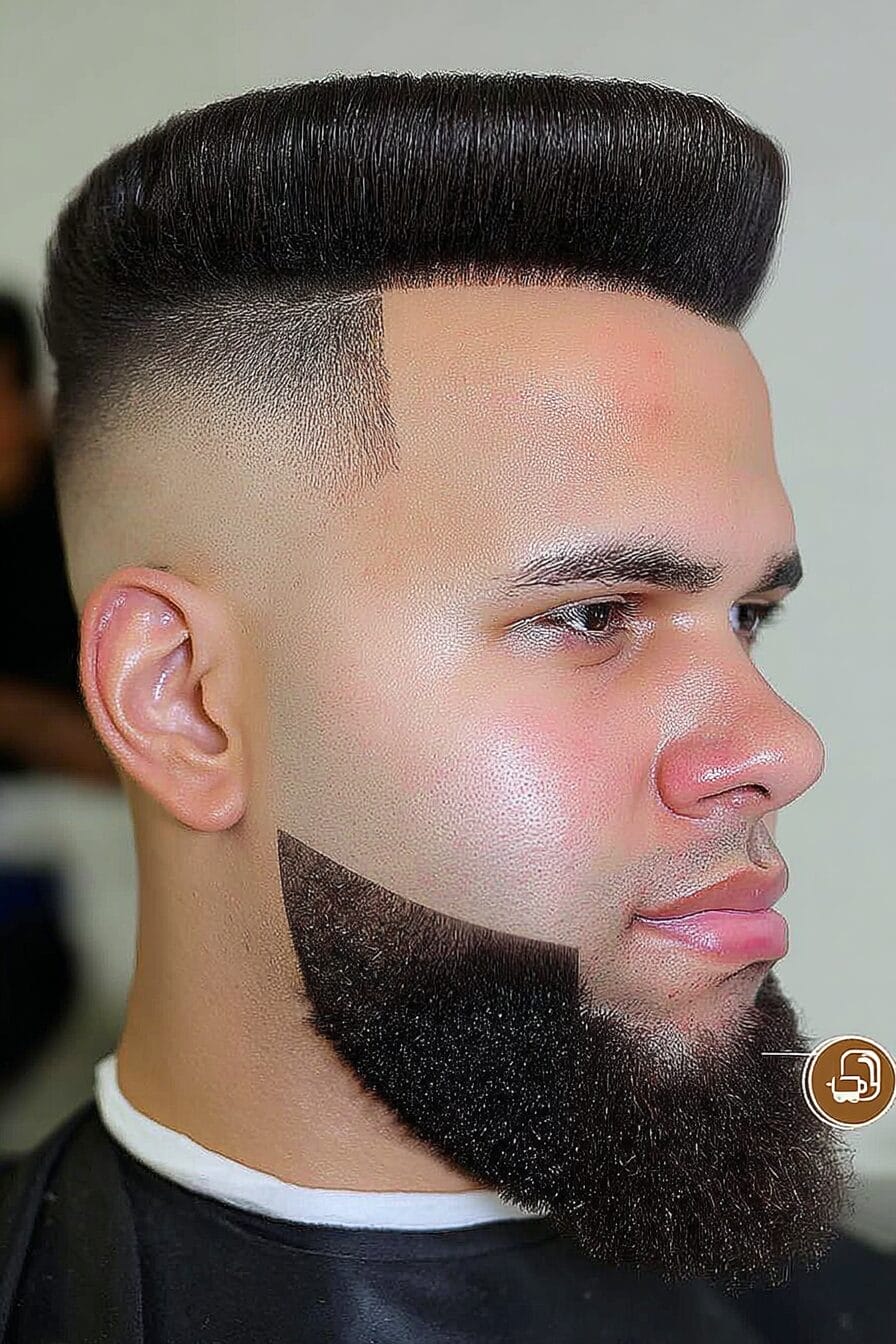
Patchy Beard For Round Face
Round faces benefit from patchy beard styles that elongate facial proportions through strategic length placement. Focus growth on the chin area while keeping sides shorter or eliminated entirely.
This creates vertical lines that slim and lengthen round features. Even patchy growth can achieve this effect when properly shaped and maintained.

Professional Patchy Beard Look
The professional patchy beard maintains corporate-appropriate grooming despite uneven growth patterns. Keep length short and edges immaculate while using quality products for healthy appearance.
This polished approach makes patchiness nearly unnoticeable in business settings. Regular barber visits ensure consistent professional presentation that focuses on grooming quality over natural density.

Patchy Beard With Sideburns
Connecting a patchy beard to fuller sideburns creates continuity that draws attention from sparse areas. Let sideburns grow slightly longer while keeping patchy zones shorter for balanced proportions.
This technique adds structure to the overall style while working within natural growth patterns. Particularly effective when sideburn growth exceeds cheek density.


🎬 How to Deal With a Patchy Beard | Eric Bandholz
FAQs: Patchy Beard Styles
Can I grow a full beard if I have patchy facial hair?
While genetics largely determine beard density, many men see improvement with patience and proper care. Give your beard 3-4 months of uninterrupted growth before assessing—many patches fill in over time.
Proper nutrition, exercise, and beard care products can maximize your genetic potential. Some men never achieve full coverage but discover their patches become less noticeable with length and styling techniques.
How long should I grow out a patchy beard?
Most patchy beards look best kept between 2-10mm length, though this varies by individual growth pattern. Shorter lengths typically disguise patchiness better than longer styles.
Grow for 8-12 weeks initially to understand your pattern, then experiment with lengths. The sweet spot balances coverage with concealment—long enough for style but short enough to minimize obvious gaps.
What products help fill in patchy beard areas?
Several products can improve patchy beard appearance, starting with quality beard oils that promote healthy growth. Beard balms provide hold to style hair over gaps, while beard fibers offer temporary filling for special occasions.
Derma rollers may stimulate follicles when used consistently. Tinted beard products can darken sparse areas, creating illusion of density without looking artificial.
Should I use beard dye on patchy spots?
Beard dye can help patchy areas appear fuller by darkening lighter vellus hairs that might otherwise be invisible. Choose a shade slightly lighter than your natural color to avoid harsh contrast.
Apply carefully to avoid staining skin in sparse areas. While dye won’t create hair where none exists, it maximizes visibility of existing growth for denser appearance.
What’s the best patchy beard style for my face shape?
The best patchy beard style depends on both face shape and growth pattern. Round faces benefit from elongating styles like goatees or chin straps.
Square faces can work with disconnected styles that soften angles. Oval faces have flexibility to try various patchy styles. Assess where your growth is strongest, then choose styles that emphasize those areas while complementing your facial structure.
Is a patchy beard attractive?
Absolutely. In my experience, the attractiveness of a beard comes down to grooming and confidence, not density.
Some of the sharpest-looking beards I’ve shaped have been on men with patchy growth, because we chose styles that highlighted their strong areas. A well-maintained stubble or clean goatee on a patchy grower consistently looks better than a neglected full beard. The key is picking a style that matches your growth pattern and keeping your edges clean.
What causes a patchy beard and can it fill in over time?
Patchy growth is primarily genetic — it’s determined by how your androgen receptors respond to testosterone, not your testosterone levels themselves. Age also plays a significant role: I’ve had plenty of clients whose beards filled in substantially between their mid-20s and early 30s. Nutrition, sleep, and stress management can support healthier growth, but they won’t override your genetics. Focus on working with the coverage you have now rather than waiting for patches to fill in.
Should I use minoxidil on my patchy beard?
Some men have seen results using minoxidil on sparse beard areas, but I always recommend consulting a dermatologist before starting any growth treatment. Results vary widely and take 3-6 months to appear. In the meantime, the styling and grooming techniques in this guide will have a more immediate visual impact. A well-chosen style and proper maintenance can make a patchy beard look fuller right now, without waiting months for a product to work.
Was this article helpful?
Find Your Perfect Beard Style
You’ve seen the options. Now find the one that actually suits YOUR face shape and growth pattern.

Khamis Maiouf is a professional barber who graduated from Hinckley College in England with a Level 3 qualification in hairdressing. With over 20 years of experience, he is an award-winning barber who has mentored numerous students and styled thousands of clients. A recognised expert featured on StyleCraze (20M+ readers).
Credentials: Level 3 Hairdressing (Hinckley College, UK) • 20+ Years Professional Experience • Featured Expert on StyleCraze • Founder of Book of Barbering