

The low fade is the most versatile cut I do in my chair — and I’ve been doing them for over 20 years. It starts just above the ear, blends subtly into the longer hair on top, and works with practically every face shape and hair type. Here’s why most of my clients keep coming back for this exact cut.
- The low fade starts just above the ear and blends gradually — the most subtle and versatile of all fade types
- Works with every face shape, but especially flatters oval and heart-shaped faces
- Pairs naturally with beards — the fade-to-beard transition is a signature look
- Maintenance window is 2-3 weeks between barber visits, longer than high or skin fades
- Choose skin fade for maximum contrast or shadow fade for a softer, low-maintenance blend
Most guys request this cut without understanding why it suits nearly every lifestyle.
The secret lies in where the fade begins—right at that sweet spot above your ears.
Not sure which style suits you best? Our Haircut Finder Quiz matches you with the right cut based on your face shape and hair type — takes 60 seconds.
Your next haircut could transform from basic to brilliant with this one adjustment.
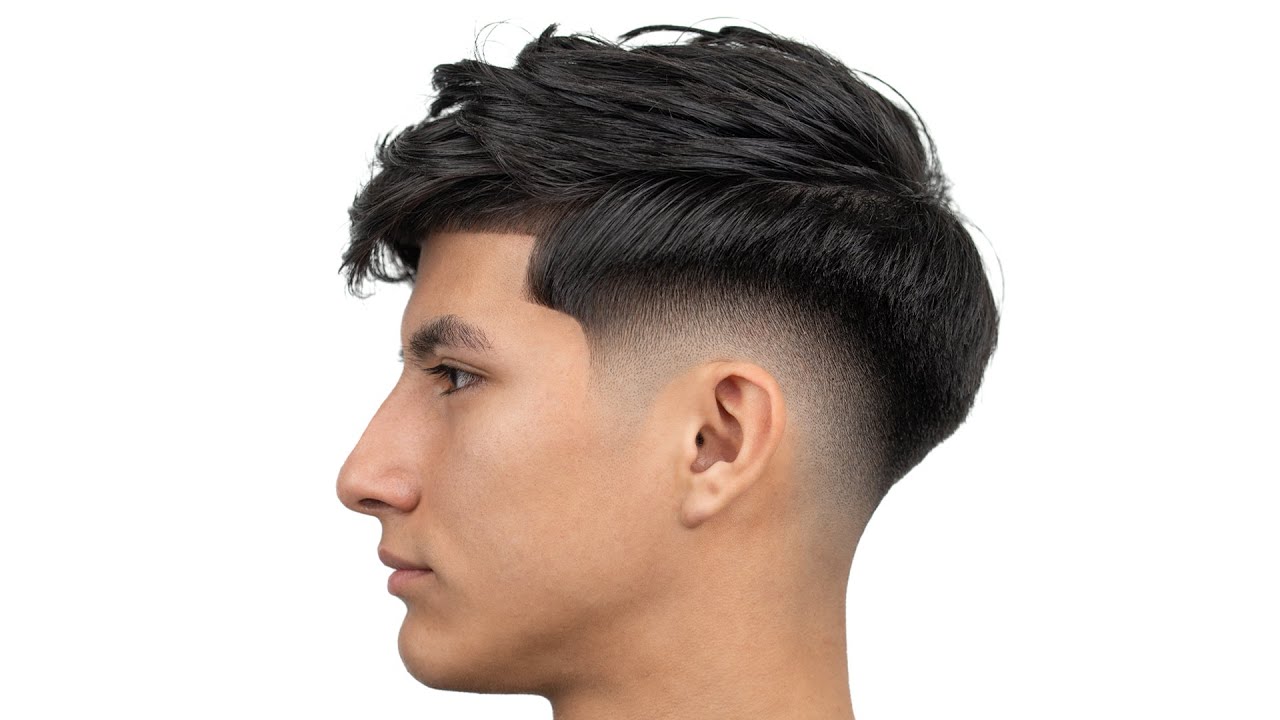
What Is A Low Fade?
A low fade starts its gradual taper just above the ears, typically 0.5 to 1 inch from your natural hairline. The hair transitions smoothly from skin or near-skin length at the bottom to progressively longer lengths moving upward.
This subtle gradient creates a professional appearance that works equally well in boardrooms and barbershops. Unlike higher fades, the low variation keeps more hair on the sides for a conservative, refined look.
- Starting point: Half-inch above the ear
- Blend zone: Gradual transition over 2-3 inches
- Best for: Professional settings and versatile styling
- Maintenance: Touch-ups every 2-3 weeks
 fade haircuts – what is a low fade?” class=”wp-image-53385″/>
Classic Low Fade Variations
Traditional Low Fade
The traditional low fade maintains visible length throughout the transition, starting with a #1 or #2 guard at the bottom. This classic approach creates a gentle gradient that appeals to conservative tastes.
Barbers typically use three different guard sizes to achieve this seamless blend. The result delivers understated sophistication perfect for any age or profession.

Low Skin Fade
A low skin fade takes the hair down to bare skin at the very bottom, creating maximum contrast. The transition from skin to hair begins right at the ear line.
This variation requires precision blade work and expert blending techniques. You’ll notice the crisp definition stays sharp for about 10 days before softening naturally.

Low Bald Fade
The low bald fade uses foil shavers to achieve an even closer cut than standard skin fades. This ultra-clean finish creates a shadow-free base that gradually builds into your chosen length.
Many barbers consider this the most technical variation to execute properly. The payoff comes in that impossibly smooth transition from scalp to hair.
Subtle Low Taper Fade
A subtle low taper fade barely kisses the skin, maintaining length even at its shortest point. The gradient stays conservative, using a #2 guard at minimum throughout the fade.
This option works brilliantly for first-timers or strict workplace environments. You get the fade effect without committing to dramatic contrast or frequent maintenance.

Low Fade With Different Hair Lengths
Low Fade With Long Top
Pairing a low fade with 4-6 inches on top creates dramatic contrast and endless styling options. The short sides emphasize the length above, making your hair appear fuller and more voluminous.
This combination suits guys who want versatility—slick it back Monday, texture it Tuesday. The low fade keeps everything neat while the length provides creative freedom.

Low Fade With Medium Length
Medium length tops (2-3 inches) with low fades offer the ideal balance for most face shapes. You get enough hair for texture and movement without excessive styling time.
This length works with pomades, clays, or natural air-drying. The fade keeps the overall silhouette clean while the medium top stays manageable.
Low Fade With Short Crop
A short crop (1-2 inches) combined with a low fade delivers military precision with modern style. The minimal length difference creates a uniform, polished appearance.
This cut requires minimal product and dries in seconds after showering. Perfect for busy professionals or anyone seeking effortless morning routines.

🧠 Expert Advice
Match your top length to your daily routine—if you have less than 5 minutes for morning styling, keep the top under 2 inches. Longer tops need proper blow-drying and product application to look intentional rather than messy.

Textured Low Fade Styles
The textured crop uses point-cutting techniques to create piece-y, separated strands on top. Combined with a low fade, this style adds visual interest without requiring perfect hair.
Matte clay or texture powder brings out the choppy layers beautifully. This cut actually improves with slightly dirty hair between washes.

Low Fade With Curly Top
Curly tops benefit massively from low fades, which remove weight and prevent triangle-shaped silhouettes. The fade creates structure while curls provide personality and movement.
Curl-defining creams keep coils hydrated and bouncy throughout the day. Diffuse-drying maintains curl integrity better than air-drying for this combination.

Low Fade With Afro Texture
Afro-textured hair gains incredible definition when paired with a precise low fade. The fade creates a frame that showcases your natural texture beautifully.
Moisturizing products and regular conditioning keep the top healthy and defined. Pick out the afro for maximum volume or let it compress for different shapes.

Low Fade With Beard Combinations
Low Fade With Full Beard
A full beard paired with a low fade creates perfect frame balance for your face. The fade prevents the awkward disconnect between sideburns and beard.
Keep beard lines crisp where they meet the fade for seamless flow. This combination adds maturity and masculinity to any face shape.

Low Fade With Stubble
Stubble provides subtle texture that complements the clean lines of a low fade. The short facial hair adds definition without overwhelming the haircut.
Maintain stubble at 2-3mm for the ideal balance with your fade. This pairing works brilliantly for guys wanting edge without full beard commitment.
Low Fade With Goatee
A goatee focuses attention on the chin while the low fade keeps sides streamlined. This combination elongates round faces and adds character to your overall look.
Keep goatee edges sharp to match the precision of your fade. The contrast between clean sides and defined facial hair creates visual interest.

Modern Low Fade Trends
Low Drop Fade
The low drop fade curves down behind the ear, following your head’s natural shape. This creates a more rounded, organic silhouette compared to standard straight fades.
Drop fades particularly suit guys with prominent occipital bones or longer necks. The curved line softens angular features while maintaining clean edges.
Low Burst Fade
A low burst fade radiates outward from behind the ear in a semicircle pattern. This technique leaves more length at the nape while still creating dramatic contrast.
Not sure what your face shape is? Our Face Shape Detector figures it out in 4 quick questions.
Burst fades work exceptionally well with mohawks or faux hawks. The rounded fade shape complements these edgier top styles naturally.

Low Temple Fade
Temple fades focus the shortest point around the temple area while maintaining length elsewhere. This targeted approach creates subtle contouring that flatters most face shapes.
The technique requires precise clipper control to avoid harsh lines. When done correctly, it adds sophistication without obvious fade lines.

Low Shadow Fade
Shadow fades maintain visible stubble throughout rather than going to skin. This creates a softer, more natural transition that grows out gracefully.
This style suits guys with darker hair who want subtlety. The shadow effect adds depth while keeping maintenance requirements reasonable.

Explore More Fade Styles
Fade Haircuts (Complete Guide)
High Fade
Mid Fade
Skin Fade
Drop Fade
Taper Fade
Low Fade for Black Men
Blonde Low Fade
Low Fade Designs
Short Hair + Low Fade
Long Hair + Low Fade
Curly Hair + Low Fade
High Fade for Boys
Asian Low Fade
Buzz Cut
Taper vs Fade
How to Style a Low Fade at Home
Between barber visits, keeping your low fade looking fresh is simpler than most guys think. Here’s my recommended daily routine:
- Towel-dry, don’t blow-dry on high heat — pat your hair until damp, then style while it’s slightly wet for the best hold
- Use a matte clay or pomade for textured tops — a dime-sized amount worked through your fingers gives natural movement without shine
- Edge up your neckline every 5-7 days — a simple trimmer pass along the bottom keeps the fade looking intentional
- Don’t touch the fade line yourself — that’s where most DIY attempts go wrong. Leave the blending to your barber every 2-3 weeks
🎬 HOW TO DO A LOW FADE, BARBER TUTORIAL!
FAQs
How Often Should I Get My Low Fade Touched Up?
Most guys need low fade touch-ups every 2-3 weeks to maintain crisp lines. Your hair growth rate and desired sharpness level determine exact timing.
Faster-growing hair or skin fades require weekly visits for perfection. Subtle fades can stretch to 4 weeks before looking noticeably grown out.
What’s The Difference Between A Low Fade And Mid Fade?
Low fades start just above the ears while mid fades begin at temple height. The starting point creates completely different silhouettes and styling options.
Low fades suit conservative environments and longer face shapes better. Mid fades create more dramatic contrast and work well with shorter tops.
Can I Get A Low Fade With Thinning Hair?
Low fades actually help thinning hair by removing weight from sides. This creates an illusion of fuller, denser hair on top where it matters.
Keep the top length proportional to your density for best results. Shorter styles generally look better with thinning hair than longer attempts.
What Guard Sizes Are Used For A Low Fade?
Standard low fades use guards from 0 to 3, creating gradual transitions. Most barbers start with no guard or #1 at the bottom.
The progression typically goes: 0, 1, 2, 3, then scissors or longer guards. Your barber adjusts these based on your hair texture and desired contrast.
How Much Does A Low Fade Typically Cost?
Low fade prices range from $20-60 depending on location and barber experience. High-end barbershops in major cities charge premium rates for precision work.
Additional services like hot towel shaves or designs increase the total. Consider the cost of regular maintenance when budgeting for this cut.
REFERENCES:
Fades have been around forever and they’re not going anywhere soon, so you might be curious about trying one out for the first time. Source
One of the coolest haircuts of all time. Made famous by Big Daddy Kane and Kid from Kid N’ Play in the late 80’s. source
High Fade Haircut: Explore our specially curated collection focusing on high fade haircuts for men. source
Was this article helpful?
Ready to Find Your Perfect Cut?
You’ve read about the styles. Now find the one that fits YOUR face shape, hair type, and lifestyle.

Khamis Maiouf is a professional barber who graduated from Hinckley College in England with a Level 3 qualification in hairdressing. With over 20 years of experience, he is an award-winning barber who has mentored numerous students and styled thousands of clients. A recognised expert featured on StyleCraze (20M+ readers).
Credentials: Level 3 Hairdressing (Hinckley College, UK) • 20+ Years Professional Experience • Featured Expert on StyleCraze • Founder of Book of Barbering