✓ Written & Reviewed by Khamis Maiouf — Award-Winning Barber · 20+ Years Experience · Level 3 Qualified
The bleached buzz cut is the one style that gets more compliments — and more botched attempts — than any other in my chair. When it’s done right, platinum on a fresh buzz looks absolutely electric. When it’s rushed, you end up with patchy orange and a burned scalp.
I’ve seen both outcomes hundreds of times over 20 years. The difference always comes down to preparation, patience, and knowing when to stop processing. Here’s the honest guide your barber wishes you’d read first.
Key Takeaways
Not sure which style suits you best? Our Haircut Finder Quiz matches you with the right cut based on your face shape and hair type — takes 60 seconds.
Always cut first, then bleach — bleaching before cutting wastes product and exposes fresh ends
Dark hair typically needs two bleaching sessions to reach platinum without damage
A purple toner is essential to eliminate the brassy yellow stage and achieve true platinum
Moisturise your scalp daily after bleaching — short hair means the chemicals sit closer to skin
Expect to touch up roots every 2–3 weeks as regrowth shows fast on a buzz cut
Pre-Bleach Buzz Cut Assessment: Is Your Hair Ready?
Before any bleach touches your buzz cut, examine your scalp for cuts, irritation, or sunburn. Run your fingers across your entire head feeling for tender spots or scabs that could react badly to chemicals.
Schedule your bleaching session at least 48 hours after your last haircut. Fresh clipper lines often leave micro-abrasions that sting intensely when exposed to developer and bleach.
Scalp Health Check Before Chemical Processing
Check for dandruff, psoriasis patches, or any red areas that signal inflammation. These conditions amplify burning sensations and can lead to chemical burns during processing.
Apply coconut oil to your scalp 24 hours before bleaching. This protective barrier reduces irritation without blocking the bleach from lifting your hair color effectively.
Virgin Hair vs. Previously Treated: Bleaching Expectations
Virgin buzz cuts lift 3-4 levels in one session, reaching blonde from dark brown. Previously colored hair requires gentler processing and might need multiple sessions for dramatic changes.
Test a small section near your neckline first. This reveals how your specific hair responds to bleach without risking visible patches if something goes wrong.
⚠️ Common Mistake: Bleaching Without Proper Buzz Length
Attempting to bleach a #1 or #2 guard buzz cut puts chemicals directly on your scalp. The bleach sits too close to skin, causing burns, scabbing, and uneven color patches.
Wait until your buzz reaches #3 guard length minimum. This extra quarter-inch creates crucial distance between chemicals and scalp while maintaining that signature buzz cut shape.
Optimal Guard Sizes for Even Chemical Distribution
A #4 guard provides the sweet spot forfirst-time bleaching—enough hair to absorb product evenly. The bleach spreads through strands rather than pooling on your scalp, preventing hot spots.
Shorter lengths like #2 guards work only with experienced colorists using barrier creams. They apply protective layers before bleaching, but this adds complexity and cost to your service.
Why #3 Guard or Longer Works Best for First-Time Bleaching
The #3 guard length allows bleach to process hair shafts without excessive scalp contact. Your colorist can apply product thoroughly while maintaining safe distance from sensitive skin areas.
This length also shows color results clearly without looking patchy. Shorter cuts reveal every slight variation in lift, while #3 length blends minor inconsistencies naturally.
Professional Bleaching Process for Buzzed Hair
Professional bleaching starts with strand testing to determine exact processing times for your hair. Your colorist mixes fresh bleach powder with developer, adjusting ratios based on your hair’s thickness.
Application happens in sections, working quickly to ensure even timing across your entire head. The short length means faster application but requires precise, methodical coverage to avoid missed spots.
Mixing ratio: 1:2 bleach to developer for buzz cuts
Room temperature: Keep salon at 70-75°F during processing
Check intervals: Every 5 minutes after initial 10
Maximum time: 45 minutes for scalp application
Developer Strength Selection: 20 vs. 30 vs. 40 Volume
20 volume lifts 1-2 levels safely on buzz cuts, perfect for dark blonde goals. This gentler option minimizes scalp irritation while achieving noticeable lightening on brown hair.
30 volume works for medium brown hair targeting platinum, lifting 2-3 levels per session. Most buzz cut bleaching uses this strength, balancing effectiveness with scalp safety.
Application Technique: Avoiding Scalp Burns on Short Hair
Apply bleach using a tinting brush at 45-degree angles, painting rather than rubbing. This technique deposits product on hair strands while minimizing direct scalp contact during initial application.
Work in quadrants, completing each section fully before moving on. Short hair dries quickly, so maintaining consistent saturation prevents uneven lifting and orange patches.
Processing Time Charts by Natural Hair Color
Black hair needs 35-45 minutes to reach orange-yellow stages with 30 volume developer. Dark brown processes in 25-35 minutes, while medium brown lifts adequately in 20-30 minutes.
Light brown buzz cuts reach pale yellow in 15-25 minutes maximum. Blonde hair requiring only toning processes in 10-15 minutes with 20 volume for subtle lifting.
🧠 Expert Advice
Mix Sweet’N Low packets into your bleach mixture—the glycolic acid boosts lifting power without extra developer strength. This baker’s secret helps you achieve platinum results while keeping your scalp comfortable throughout the entire process.
⚠️ Common Mistake
Leaving bleach on “just five more minutes” for lighter results causes chemical burns and breakage. Once hair stops lifting visibly, extra time only damages without lightening—rinse immediately when you’ve reached maximum lift for your session.
💡 Pro Tip: The Two-Session Platinum Method
Split your platinum transformation across two appointments spaced 10-14 days apart for healthier results. First session lifts to golden yellow, second session achieves white-platinum without destroying hair integrity.
This method prevents the extreme damage that comes from pushing hair too far in one sitting. Your scalp recovers between sessions, reducing sensitivity and allowing for comfortable second application.
Why Gradual Lightening Preserves Hair Integrity
Each bleaching session breaks disulfide bonds that give hair its structure and strength. Spacing sessions allows partial bond reformation, maintaining enough integrity for your buzz cut to feel healthy.
Gradual lifting also produces more predictable, even results across your entire head. Rush jobs create hot spots and bands that require extensive correction work later.
Week-Between Sessions: Recovery Protocol
Apply Olaplex No.3 treatment twice during your recovery week to rebuild broken bonds. Deep condition with protein masks on days 3 and 7, focusing on areas that feel rough.
Avoid hot showers, swimming pools, and excessive sun exposure between sessions. These stressors compound existing damage and can cause unexpected color shifts before your next appointment.
Toner Selection for Bleached Buzz Cuts
Toner transforms your lifted buzz cut from brassy yellow to your desired shade of blonde. The short length means toner processes faster, typically needing only 5-10 minutes for full development.
Choose your toner based on the warmth remaining after bleaching. Yellow tones need violet-based formulas, while orange requires blue-based toners for proper neutralization.
Purple vs. Blue vs. Silver: Achieving Your Target Shade
Purple toners create ash blonde results on pale yellow hair, eliminating gold tones completely. These formulas work best when you’ve achieved level 9-10 lifting through proper bleaching.
Blue-based toners target orange undertones in level 7-8 hair, creating beige-blonde results. Silver toners add gray undertones for that trendy steel-blonde look popular with younger clients.
Wella T18 vs. T14: The Buzz Cut Toner Showdown
T18 “White Lady” delivers platinum results on level 10 hair, removing all yellow for icy-white blonde. This cult-favorite toner works perfectly on buzz cuts that lifted to pale yellow.
T14 “Pale Ash Blonde” handles slightly darker bases, neutralizing gold in level 9 hair. Choose T14 when your buzz cut has stubborn warm patches that won’t lift further.
Maintenance Schedule: Keeping Roots Under Control
Bleached buzz cuts show regrowth faster than any other style—expect visible roots within 10 days. Your natural color creates a harsh line against platinum, demanding frequent touch-ups for seamless color.
Plan touch-ups every 3 weeks to maintain that fresh-bleached look without overlap damage. This timeline keeps roots manageable while protecting previously processed hair from unnecessary chemical exposure.
“The shorter the cut, the more obvious the grow-out. Budget for twice-monthly salon visits if you’re committed to maintaining platinum buzz perfection.”
3-Week Touch-Up Timeline for Seamless Color
Week 1 shows minimal regrowth that most people won’t notice from normal conversation distance. Week 2 brings visible shadowing at your hairline and crown, creating subtle dimension.
Week 3 marks the critical point where roots become obviously dark against bleached lengths. Schedule your appointment before hitting this stage to maintain consistent, professional-looking color.
Root Shadow Technique: Making Grow-Out Intentional
Apply semi-permanent color one level lighter than your natural at the roots before bleaching. This creates graduated transition zones that make regrowth look intentional rather than neglected.
Shadow roots extend your touch-up timeline to 4-5 weeks while adding trendy dimension. The technique works especially well on buzz cuts where harsh lines appear more obvious.
When to Buzz Fresh vs. Bleach Regrowth
Buzz completely fresh when overlapping has caused significant damage or uneven texture. Starting clean eliminates built-up damage and ensures even color from root to tip.
Bleach regrowth only when your previous color remains healthy and even. This approach maintains your look efficiently but requires careful application to avoid overlap burns.
🧠 Expert Advice
Schedule touch-ups for Tuesday mornings when salons are slowest—you’ll get your colorist’s full attention for precise root application. This timing strategy ensures better results than rushed Friday afternoon appointments before weekend events.
⚠️ Common Mistake: Using Regular Shampoo on Bleached Hair
Regular shampoo strips toner from bleached buzz cuts within days, revealing brassy yellow undertones. The sulfates in standard formulas aggressively cleanse, removing the delicate pigments that keep your blonde looking fresh.
Switch to purple shampoo immediately after bleaching to maintain your tone between salon visits. These pigmented formulas deposit color while cleansing, counteracting warmth that naturally develops over time.
Purple Shampoo Rotation Schedule for Buzz Cuts
Use purple shampoo every third wash to maintain cool tones without over-depositing pigment. Buzz cuts need less purple shampoo than longer styles since there’s less hair to treat.
Alternate with moisturizing sulfate-free shampoo to prevent purple buildup and dryness. This rotation keeps your blonde balanced while maintaining scalp health and hair softness.
Protein Treatments: Weekly vs. Monthly Needs
Weekly protein treatments rebuild structure in freshly bleached buzz cuts during the first month. ApHogee Two-Minute Reconstructor provides enough strength without causing brittleness on short hair.
Monthly treatments maintain health once your hair stabilizes after initial bleaching trauma. Olaplex No.0 and No.3 system works perfectly for monthly maintenance on processed buzz cuts.
Scalp Care Post-Bleaching: The Hidden Essential
Your scalp needs dedicated recovery after enduring chemical processing on such short hair. The skin remains sensitized for weeks, requiring gentle care to prevent irritation, flaking, and discomfort.
Treat your scalp like a mild chemical burn—soothe, protect, and moisturize consistently. This attention prevents the tight, itchy feeling that makes growing out bleached buzz cuts unbearable.
Not sure what your face shape is? Our Face Shape Detector figures it out in 4 quick questions.
SPF Protection: Why Bleached Scalps Burn Faster
Bleaching temporarily thins the scalp’s protective barrier, making sunburn happen in minutes versus hours. Your newly sensitive skin needs SPF 30+ spray whenever you’re outside, even on cloudy days.
Mineral sunscreen sprays work best on buzz cuts without leaving white residue. Reapply every two hours during extended sun exposure to prevent painful burns and peeling.
Moisturizing Routine to Prevent Flaking
Apply fragrance-free facial moisturizer to your scalp nightly for the first week post-bleaching. This simple step prevents the tight, flaky scalp that develops when chemicals strip natural oils.
Tea tree oil mixed with jojoba oil soothes irritation while maintaining moisture balance. Massage gently into scalp using fingertips, avoiding aggressive scratching that could cause further irritation.
Dealing with Post-Chemical Sensitivity
Cold water rinses calm inflamed scalps better than warm water after chemical processing. The cool temperature constricts blood vessels, reducing redness and that burning sensation some experience.
Avoid wearing hats for 48 hours post-bleaching to let your scalp breathe and recover. Trapped heat and friction from headwear can intensify sensitivity and extend healing time.
💡 Pro Tip: The Fade Integration Technique
Combine bleached tops with natural faded sides for lower maintenance and edgier style. This approach reduces chemical exposure while creating striking contrast that frames your face dynamically.
The technique works especially well for guys wanting platinum without committing to full-head processing. You’ll save money on touch-ups while sporting a genuinely unique look.
Blending Bleached Top with Natural Fade Sides
Start your fade at a #2 guard, transitioning to skin or #0.5 at ears. The graduation creates smooth flow from platinum crown to natural sides without harsh demarcation lines.
Bleach only above the fade line, leaving a half-inch buffer zone for blending. This transition area softens the contrast and allows for minor touch-up variations without visible mistakes.
Apply bleach with varying density from crown to fade line for gradient effects. Heavier application on top gradually decreases toward sides, creating sun-kissed dimension rather than blocks.
Use 20 volume on transition zones and 30 volume on crown for multi-tonal results. This technique produces natural-looking variation that disguises regrowth better than solid color application.
Troubleshooting Orange and Yellow Tones
Orange and yellow tones plague bleached buzz cuts when lifting stops prematurely or toner fades. These warm hues stand out dramatically on short hair where every color variation shows clearly.
Quick fixes exist for minor brassiness, but severe orange requires professional intervention. Knowing when to DIY versus calling your colorist saves money and prevents irreversible damage.
Purple shampoo: Fixes slight yellow in 1-2 washes
Blue shampoo: Neutralizes orange tones over 3-4 washes
Toner refresh: Professional service for persistent warmth
Semi-permanent color for temporary coverage between appointments
Emergency Fixes for Brassiness Between Sessions
Generic purple shampoo mixed with regular conditioner creates a custom toning mask for emergency fixes. Leave on for 5-10 minutes to neutralize sudden brassiness before important events.
Manic Panic Virgin Snow diluted with conditioner offers stronger correction for stubborn orange. This semi-permanent solution lasts 1-2 weeks, buying time until your next salon appointment.
When to Re-Bleach vs. Tone vs. Start Over
Re-bleach only when hair maintains elasticity and your last session was 3+ weeks ago. Stretch tests reveal hair health—if strands snap immediately, toning is your only safe option.
Start over by buzzing to #1 when multiple sessions create irreversible damage or patchwork color. Fresh starts eliminate compounded problems and ensure even results going forward.
🧠 Expert Advice
Test your water’s mineral content with pool test strips—high iron causes persistent orange on bleached hair. Install a shower filter if minerals exceed normal ranges; this $30 investment prevents endless toner applications and frustration.
⚠️ Common Mistake
Panic-bleaching orange hair immediately after a failed session causes severe breakage and chemical burns. Wait minimum 2 weeks between bleaching sessions, using blue-based toners to manage brassiness while your hair recovers properly.
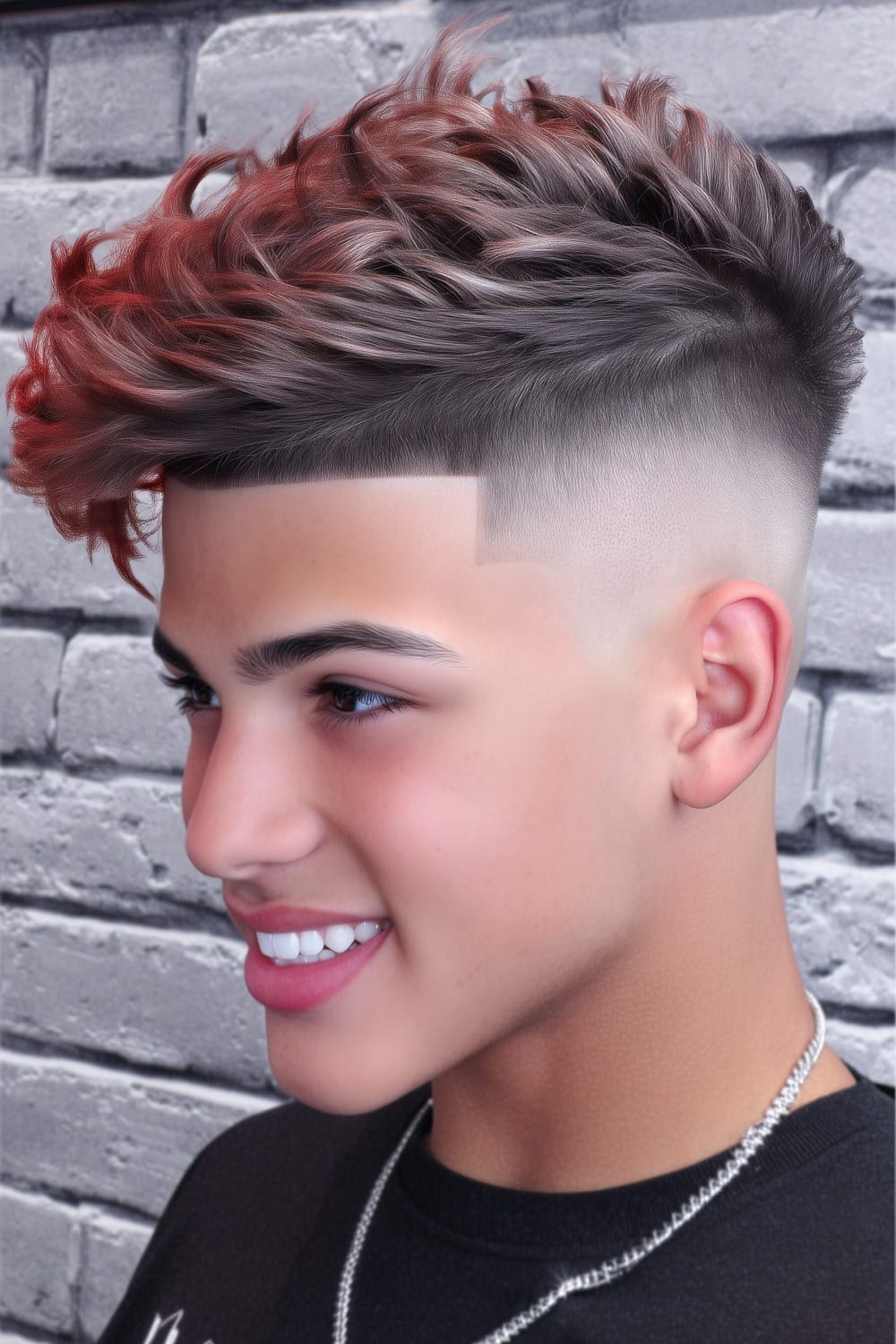
Bold Colours on a Bleached Buzz Cut Base
Once you’ve bleached your buzz cut to platinum, you’ve created a blank canvas for any colour you want. Semi-permanent dyes in bold colours — electric blue, forest green, dusty pink, lavender — can be applied over the bleached base for a completely different look that washes out in 6–12 washes. This is why some of my clients bleach once and then rotate through colours every few weeks. The buzz length means you use minimal product, and the semi-permanent nature means you’re never stuck with a colour you don’t love.
One practical note: red and orange tones are the hardest to wash out completely. If you go fire-engine red, expect a pink tint for weeks after. Blues and greens fade more predictably to lighter versions of themselves.
DIY vs Salon: Cost and Risk Comparison
DIY bleaching a buzz cut costs roughly £10–20 for developer, bleach powder, and toner from a beauty supply store. A salon charges £50–120+ for the same result. The quality difference is real — a salon uses professional-grade products and monitors processing time precisely — but the risk gap is smaller on a buzz cut than on longer hair because there’s simply less to damage.
If you’re bleaching from light brown or dark blonde, DIY is reasonable with careful timing. If you’re going from black to platinum, pay a professional. The two-session processing required for dark hair is where most DIY disasters happen.
🎬 The Bleached Buzz Cut | Quarantine Edition
FAQ
How often should I rebleach my buzz cut roots?
Touch up roots every 3-4 weeks to maintain seamless platinum color on buzz cuts. Waiting longer creates harsh bands requiring overlapping application, which damages previously bleached hair.
Some guys stretch to 5 weeks using root shadow techniques or accepting visible regrowth. Your maintenance frequency depends on natural color contrast and personal tolerance for visible roots.
Can I bleach a #1 guard buzz cut safely?
Technically possible but highly risky—#1 guard puts harsh chemicals directly against your scalp. Professional colorists might attempt it using protective barriers, but most refuse due to burn risk.
Wait until hair reaches #2.5 or #3 guard length for safe DIY bleaching. The extra length provides crucial buffer between chemicals and scalp while still maintaining buzz cut aesthetics.
What’s the total monthly cost for maintaining a bleached buzz?
Budget $150-250 monthly for professional root touch-ups, toner refreshes, and specialty products. Salon services run $60-100 per visit, with 2-3 visits needed monthly for perfect maintenance.
Add $30-50 for purple shampoo, protein treatments, and bond builders for home care. DIY maintenance cuts costs to $50-75 monthly but requires skill and accepts imperfect results.
Should I buzz my hair shorter after bleach damage?
Yes, buzzing shorter removes the most damaged portions while maintaining your overall style. Drop one guard size to eliminate fried ends without starting completely over.
Severe damage requires buzzing to #1 or #2 guard for complete removal. This reset allows healthy regrowth and better results when you bleach again after recovery.
How long until my bleached buzz grows out completely?
Complete grow-out takes 2-3 months for standard buzz cut lengths of #3-4 guard. Hair grows approximately half-inch monthly, meaning 1.5 inches of growth covers most buzz cuts.
Awkward growing phases happen around week 6 when roots dominate the style. Plan strategic trims or embrace the rooted look during this transition period.
Khamis Maiouf is a professional barber who graduated from Hinckley College in England with a Level 3 qualification in hairdressing. With over 20 years of experience, he is an award-winning barber who has mentored numerous students and styled thousands of clients. A recognised expert featured on StyleCraze (20M+ readers).
Credentials: Level 3 Hairdressing (Hinckley College, UK) • 20+ Years Professional Experience • Featured Expert on StyleCraze • Founder of Book of Barbering