
— Award-Winning Barber · 20+ Years Experience · Level 3 Qualified
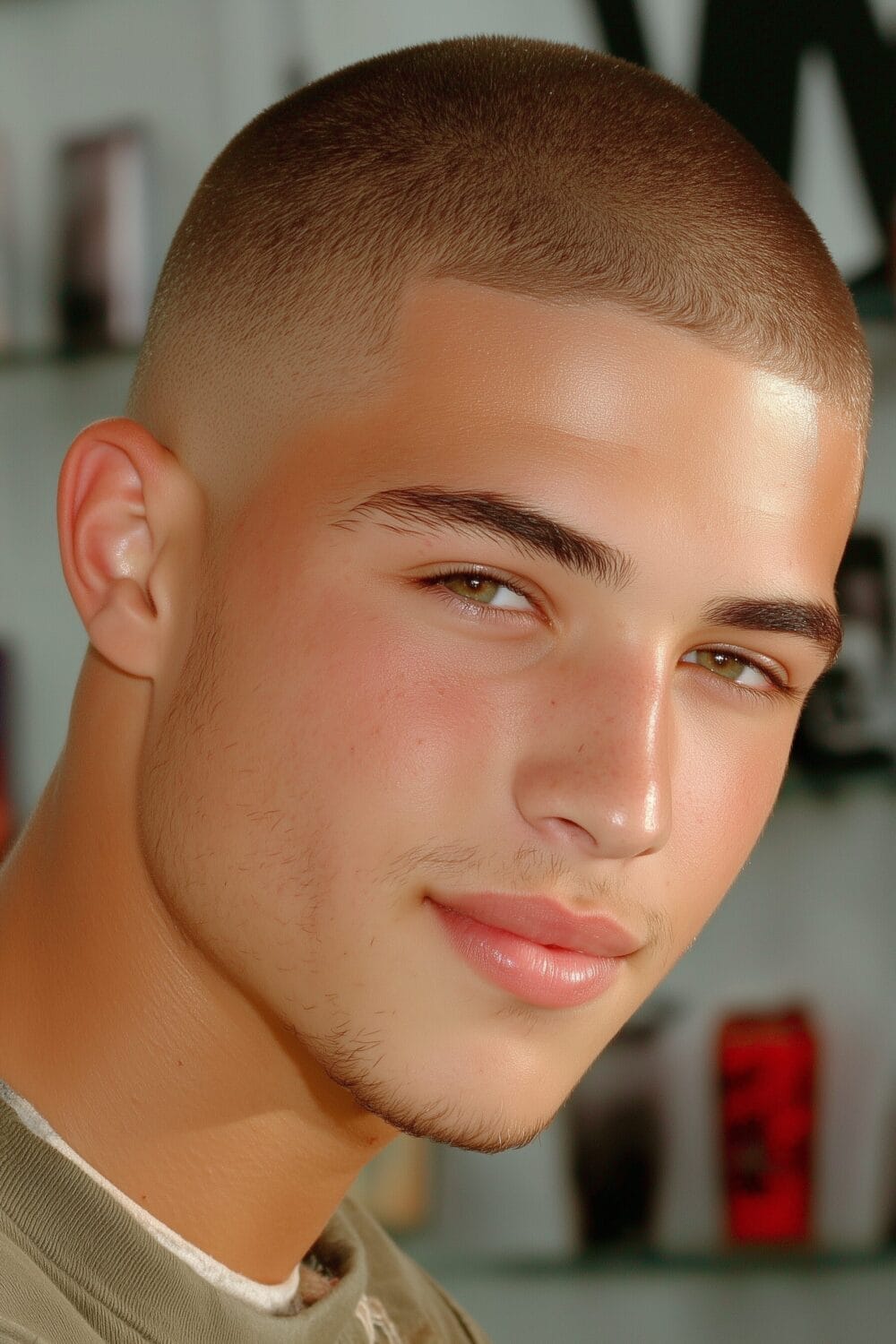
Teenagers are the pickiest clients in my chair — and that’s not a complaint, it’s a fact. They want a buzz cut that looks effortless, impresses their mates, and doesn’t get them sent home from school. That’s a narrow window, but a surprisingly large number of buzz cut styles fit it perfectly. I’ve been cutting teens’ hair for over 20 years, and the trends shift constantly, but the buzz cuts that work always share the same foundation: clean, sharp, and easy to maintain.
Key Takeaways
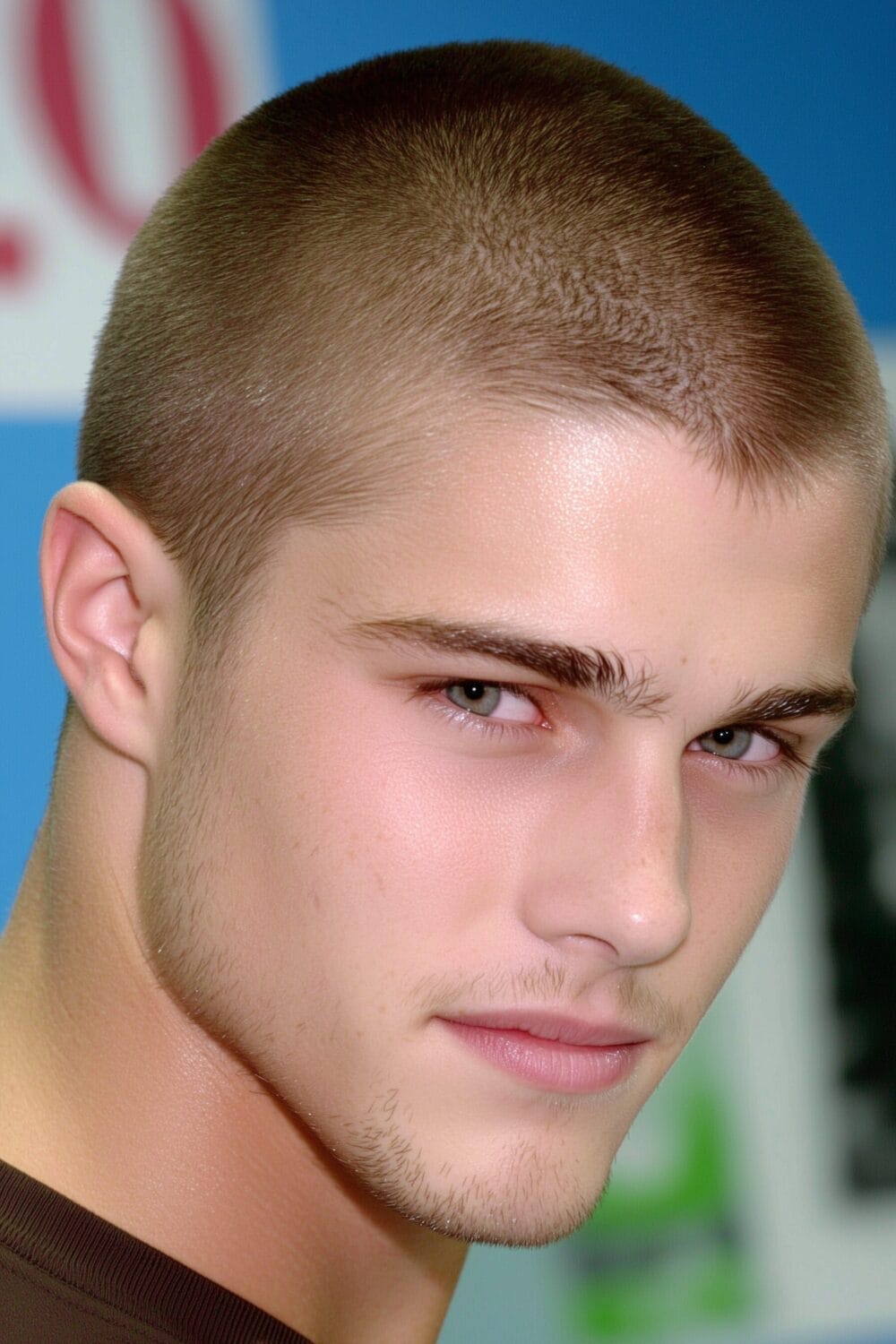
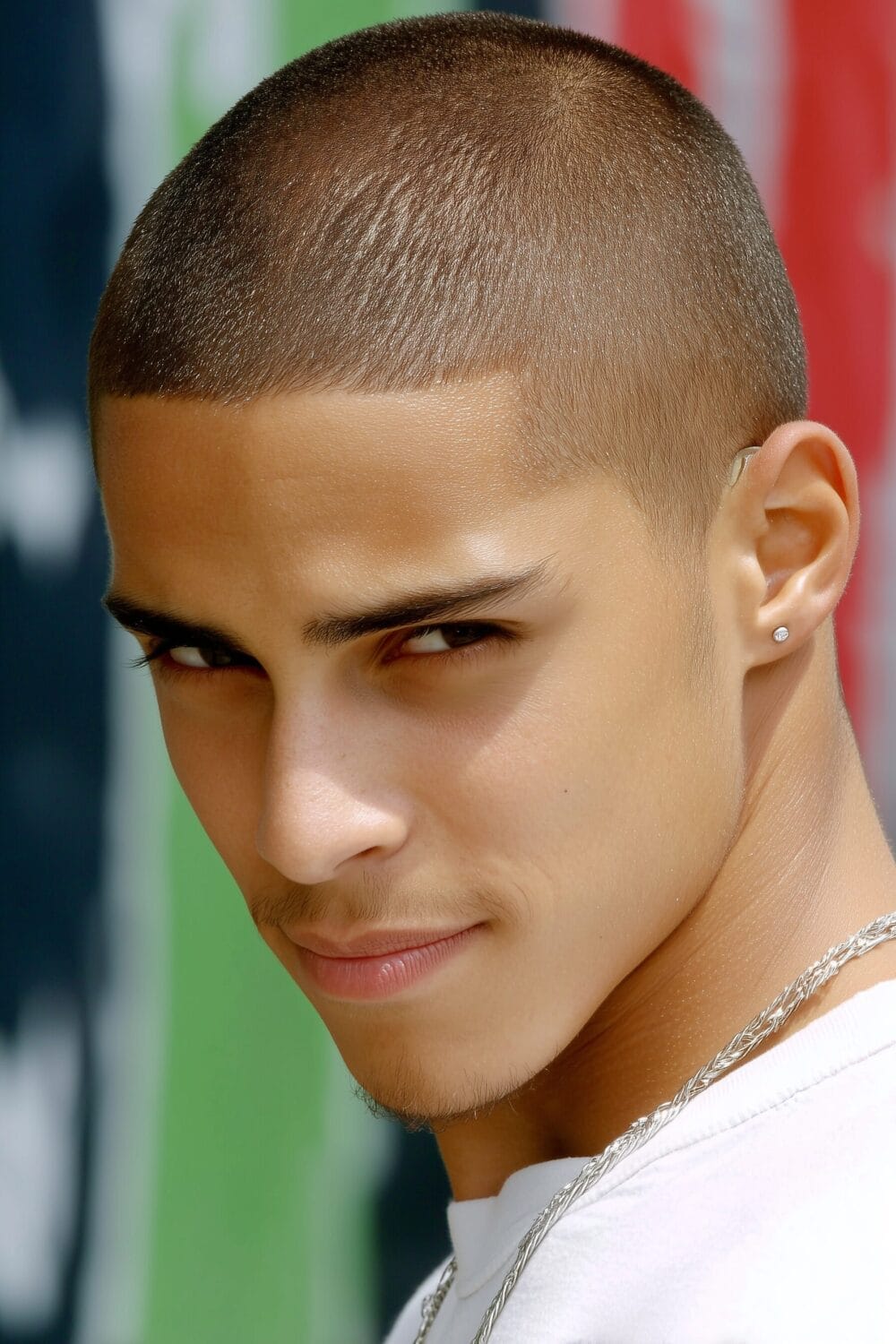
- A number 2–3 with a mid fade is the most versatile teen buzz — sharp for school and sport
- A simple line-up or hard part adds personality without breaking dress codes
- Buzz cuts eliminate morning styling time — a major win for teenagers who sleep until the last minute
- Encourage starting with a number 3–4 — teens who go too short on the first try often regret it
- Faded buzz cuts photograph well, which matters for a generation that lives on social media
Teen Buzz Cut School Standards
School handbooks typically specify minimum lengths around 1/4 inch, which equals a #2 guard. Most administrators approve buzz cuts between #2 and #5 guards as they maintain neat appearances.
Check your specific dress code first since private schools often require longer minimums. Public schools generally accept any buzz cut that doesn’t create patterns or designs.

- Safe zone: #3 or #4 guards pass everywhere
- Check first: Military schools may require #1 guards
- Avoid designs, lines, or shaved patterns
- Keep sideburns even with ear tops
Dress Code Approved Teen Lengths
The #3 guard (3/8 inch) works universally across public and private schools. This length shows scalp slightly but maintains enough coverage to avoid extreme appearance violations.
Athletic departments often prefer #2 guards for wrestling and swimming teams. Regular students find #4 guards offer the perfect balance between low maintenance and acceptable coverage.

Athletic Team Teen Requirements
Wrestling teams mandate #1 or #2 guards to prevent hair pulling during matches. Football players choose #2 guards for helmet comfort without headband requirements.
Swimming teams recommend #1 guards to reduce drag, though it’s not mandatory. Basketball and soccer teams have no specific requirements but many players choose #3 guards.

Private School Teen Rules
Catholic and prep schools typically require minimum #3 guards with natural taper. Military academies enforce #1 or #2 guards with squared necklines and no fade variations.
Conservative private schools ban skin fades, hard parts, and design elements entirely. Most allow standard buzz cuts between #3 and #5 guards with traditional styling only.
🧠 Expert Advice
Start with a #4 guard for your first teen buzz cut since it leaves room for adjustment. You can always go shorter at the next cut, but growing out takes weeks if you go too short initially.
Parent-Approved Teen Buzz Styles
Parents favor the #3 or #4 all-over buzz for its professional appearance and zero styling time. These lengths look intentional rather than rebellious while eliminating daily grooming battles.
The low-maintenance aspect wins over budget-conscious parents who appreciate monthly cuts versus weekly styling products. Clean edges and even length project responsibility and maturity.

Conservative Teen Cuts
The classic #3 all-over buzz with natural edges satisfies conservative parents completely. This length works for family events, job interviews, and school presentations equally well.
Avoid hard parts, designs, or extreme fades that might concern traditional parents. Stick to uniform lengths or subtle tapers that maintain a clean, respectable appearance.

Clean Teen Maintenance
Touch up edges weekly with clippers or schedule barber visits every three weeks. Keep the neckline clean using a #1 guard between professional cuts.
Wash daily with regular shampoo since buzz cuts don’t need conditioner or products. Pat dry with a towel and you’re ready in under thirty seconds every morning.

🎯 Parent Favorites
The #3 buzz with tapered sides ranks as the top parent choice nationwide. This style looks sharp for school photos while requiring minimal upkeep or styling knowledge.
Parents also approve the #4 crew cut variation for teens wanting slightly more length. Both styles eliminate morning arguments about hair while maintaining a respectable appearance.

Teen Buzz Cut Textures
Different hair textures require specific guard lengths for optimal results and appearance. Thick hair handles shorter guards while fine hair needs extra length for coverage.
Understanding your teen’s texture prevents disappointing results and unnecessary grow-out periods. Match the guard to the hair type for the best-looking buzz cut possible.

Your barber can recommend the perfect guard based on your teen’s specific hair density and growth patterns.
Thick Teen Hair Solutions
Thick-haired teens can rock #1 or #2 guards without showing excessive scalp. These shorter lengths reduce bulk while maintaining full coverage across the entire head.
Consider a #2 on top with #1 sides for natural dimension without styling. Thick hair holds its shape better, allowing for shorter lengths that still look full.

Curly Teen Buzz Options
Curly-haired teens need #4 or #5 guards to account for shrinkage and texture. Shorter guards can create uneven patches where curls spring differently across the scalp.
Ask for slightly longer guards than straight-haired friends use for similar looks. The extra length ensures even appearance once natural curl patterns emerge after cutting.

🧠 Expert Advice
Test different guard lengths on a small back section before committing to the full cut. This preview helps teens with unique textures avoid disappointment and gives barbers adjustment room for the perfect length.
Fine Teen Hair Lengths
Fine-haired teens should avoid guards shorter than #3 to prevent see-through spots. The #4 or #5 guards provide better coverage while still offering easy maintenance.
Consider adding a slight fade to create illusion of thickness through graduation. Fine hair benefits from keeping the top slightly longer than the sides.

Popular Teen Buzz Fades
Teen buzz fades combine classic simplicity with modern style elements perfectly. The gradual length change adds dimension without requiring products or daily styling effort.
Most schools accept subtle fades that blend naturally from sides to top. Avoid high-contrast skin fades if your handbook specifies “traditional” or “conservative” hairstyles only.
Low Fade Teen Style
Low fades start just above the ears, blending from #1 to #3 guards. This subtle gradient passes strict dress codes while adding contemporary style to basic cuts.
The low fade works especially well for teens with prominent ears or narrow faces. Keep the fade subtle for school approval and sharper for weekend versatility.

Mid Fade Teen Look
Mid fades begin at temple height, creating more contrast than low variations. Use #1 guards at the bottom, blending to #3 or #4 on top smoothly.
This style suits oval and round teen faces by adding vertical dimension. Most schools accept mid fades unless specifically prohibiting “extreme” or “faded” styles.
⚠️ Common Mistake
Teens often request skin fades without checking school policies first, leading to detention or forced grow-out periods. Always verify your student handbook allows fades before committing, since some schools ban any visible scalp graduation.
📏 Fade Heights
Low fades sit 1-2 inches above the ear, offering maximum dress code compliance. Mid fades reach temple level, while high fades extend above the temple curve.
Match fade height to face shape: low for long faces, high for round faces. Consider your school’s tolerance level when choosing between subtle and dramatic fade heights.

Teen Buzz Cut Budget Reality
Teen buzz cuts cost $15-25 monthly at barbershops versus $0 for DIY maintenance. Factor in touch-ups every 2-3 weeks to maintain clean edges and consistent length.
Home clippers ($30-60) pay for themselves within three cuts maximum. Many families invest in quality clippers for long-term savings on teen grooming.
- Barbershop: $15-25 every 3 weeks
- Home kit: $40 one-time investment
- Touch-ups save $10-15 monthly
- Split costs with siblings for value
Teen Maintenance Costs
Professional cuts average $20 including tip, totaling $240-320 yearly for consistent maintenance. Add edge-ups between cuts and costs reach $400 annually for perfectionist teens.
Compare this to styled cuts requiring products, tools, and frequent trims. Buzz cuts eliminate styling product costs while reducing salon visit frequency significantly.

DIY Teen Touch-Ups
Learn basic edge-up techniques using YouTube tutorials and bathroom mirrors carefully. Start with neckline cleanup using guards one size shorter than your main cut.
Practice on longer guards first to avoid mistakes near the hairline. Most teens master self-maintenance within three attempts, saving hundreds yearly on barber visits.

Teen Barber Frequency
Schedule cuts every 3-4 weeks for consistent appearance throughout the school year. Athletic teens may need biweekly visits during season to meet team standards.
Summer allows 4-5 week intervals since school standards don’t apply then. Winter months might stretch to monthly visits if wearing hats regularly outdoors.

Teen Face Shape Considerations
Teen faces change rapidly during growth spurts, affecting which buzz lengths look best. What works at 14 might need adjustment by 16 as features mature.
Not sure what your face shape is? Our Face Shape Detector figures it out in 4 quick questions.
Consider current face shape but expect changes through high school years. Choose versatile lengths that adapt well to evolving bone structure and proportions.

Round Teen Faces
Round-faced teens benefit from slightly longer tops with shorter sides for elongation. Try #4 on top with #2 sides to create vertical emphasis and angular illusion.
Avoid same-length all over, which emphasizes circular shapes even more. Adding a subtle fade helps create definition where natural angles are minimal.

Long Teen Features
Long-faced teens should keep sides fuller using #3 or #4 guards uniformly. This adds horizontal width to balance vertical features without requiring any styling.
Skip high fades that extend face length further through vertical emphasis. Maintain even lengths or subtle low fades that keep volume around ears.

⚠️ Teen Growth Changes
Jawlines and cheekbones shift dramatically between 13-18, changing ideal buzz proportions completely. What flatters freshman year might emphasize wrong features by senior year, requiring guard adjustments as faces mature.

Teen Buzz Growing Out Process
Growing out takes 6-8 weeks to reach styling length from a #3 buzz. Plan ahead for special events since hair grows approximately half-inch monthly regardless.
The awkward phase hits around week 4 when length becomes uneven but unstyleable. Push through this period with hats or accept the temporary messiness.

🧠 Expert Advice
Schedule a “grow-out trim” at week 5 to shape emerging length without losing progress. Your barber can blend uneven sections while maintaining overall growth, making the transition less awkward-looking for school.
Teen Growth Timeline
Week 1-2 brings stubble texture, week 3-4 creates fuzzy coverage, week 5-6 allows basic styling. Full styling options return around week 8 for most teen hair types.
Curly hair appears to grow slower due to coil compression hiding length. Straight hair shows progress faster but may look messier during middle phases.

Awkward Teen Phases
The worst phase hits weeks 3-5 when hair sticks out without lying flat. This hedgehog stage frustrates teens but passes quickly with patience and hat usage.
Resist re-buzzing during this phase unless absolutely necessary for events. Light pomade or gel helps control wayward sections without damaging growth progress.

⚠️ Common Mistake
Teens often give up during week 4’s awkward phase and re-buzz impulsively, restarting the entire grow-out cycle. Plan your grow-out during summer break or buy styling products beforehand to push through difficult weeks successfully.
Teen Transition Styles
Transform your growing buzz into a textured crop using matte paste around week 6. The messy-on-purpose look disguises uneven growth while maintaining acceptable school appearance.
Consider a French crop or crew cut as intermediate styles before returning to longer hair. These transitions work within school guidelines while breaking up the growing-out monotony.

School Dress Code Navigation
Most school dress codes don’t restrict buzz cuts, but some restrict designs, extreme fades, and unnatural colours. Before your teen gets a bold design or a bleached buzz, check the school’s grooming policy. The safest bet is a clean buzz with a standard fade and no shaved lines — it looks sharp without crossing any administrative lines.
I’ve had parents bring their teen back to “fix” a design that broke school rules, which usually means buzzing it even shorter. Better to know the boundaries first.
First Buzz Cut: Managing Expectations
If your teenager is getting a buzz cut for the first time, start longer than they think they want. A number 4 lets them feel the change without the shock of a near-shaved head. If they love it, go shorter next time. If they’re unsure, a number 4 grows out quickly and is forgiving.
The worst outcome is a teenager who went to a number 1 on impulse and spent the next three weeks wearing a hat. I’ve seen it dozens of times. Start conservative, adjust from there.
Ready to Find Your Perfect Cut?
You’ve read about the styles. Now find the one that fits YOUR face shape, hair type, and lifestyle.
🎬 how to GROW HAIR without the awkward phase?
FAQs
What teen buzz cut works for school?
The #3 or #4 all-over buzz satisfies most school dress codes nationwide. These lengths look intentional and neat without appearing extreme or rebellious to administrators.
Check your specific handbook first, but avoid anything shorter than #2 or designs. Stick to uniform lengths or subtle fades for guaranteed compliance.
How often should teens get buzz cuts?
Schedule cuts every 3-4 weeks to maintain clean edges and consistent length. Athletic teens need biweekly cuts during season, while summer allows 4-5 week intervals.
Learn DIY edge maintenance to extend professional visits to monthly. This saves money while keeping the neckline and sideburns looking fresh between appointments.
Can teens maintain buzz cuts alone?
Most teens successfully learn self-maintenance using quality clippers and online tutorials. Start with neckline touch-ups before attempting full cuts to build confidence gradually.
Invest in adjustable guards and hand mirrors for best results. Practice on longer guards first since mistakes are less noticeable and grow out faster.
Best teen buzz for first time?
Start with a #4 guard for maximum flexibility and minimal shock value. This length allows room to go shorter later while avoiding the drastic change anxiety.
Consider adding a low fade for style without commitment issues. The #4 with fade works for all face shapes and grows out smoothly.

Explore More Buzz Cut Guides
Was this article helpful?

Khamis Maiouf is a professional barber who graduated from Hinckley College in England with a Level 3 qualification in hairdressing. With over 20 years of experience, he is an award-winning barber who has mentored numerous students and styled thousands of clients. A recognised expert featured on StyleCraze (20M+ readers).
Credentials: Level 3 Hairdressing (Hinckley College, UK) • 20+ Years Professional Experience • Featured Expert on StyleCraze • Founder of Book of Barbering