
Most men avoid asymmetrical haircuts for the same reason — they think one wrong move turns it into a mess. The truth is, the cuts that look most intentional come from the clearest brief and a barber who knows exactly what they’re working toward. Here’s what asymmetrical haircuts for men actually look like when they’re done right, which styles suit which face shapes, and exactly what to tell your barber so it doesn’t go sideways — pun intended.
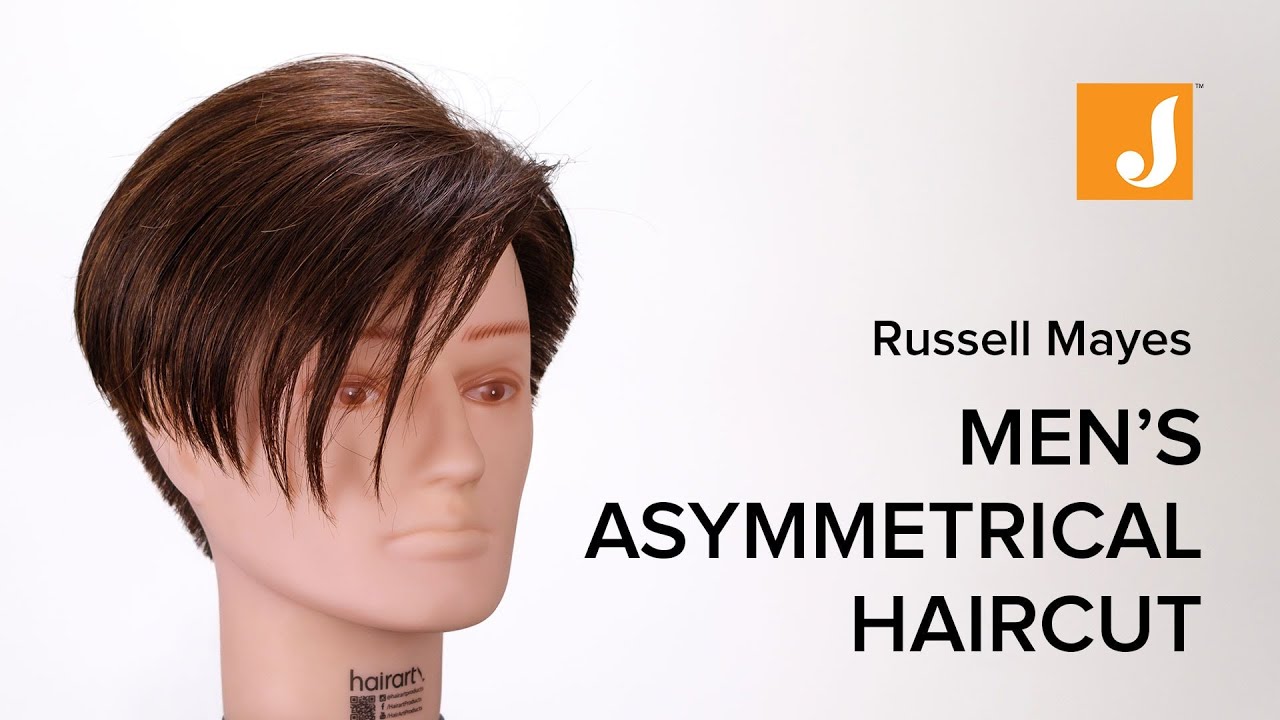
Key Takeaways
- Asymmetrical haircuts don’t require extremes — even a slight variance in length from one side to the other creates a modern, intentional look.
- Face shape matters: round and square faces benefit most from asymmetry; oval faces can carry any variation; long faces should avoid adding even more vertical contrast.
- The difference between looking edgy and looking like a mistake is one thing: a clear brief and a reference photo in the barber’s hand before the clippers start.
- Maintenance is non-negotiable — asymmetrical cuts show grow-out faster than uniform styles. Plan for trims every 3–4 weeks.
- Subtle asymmetry works in professional settings; dramatic imbalance doesn’t. Match the intensity of the cut to where you’re wearing it.
Why Asymmetrical Haircuts Appeal To Men
Many men appreciate these cuts because they immediately stand out in a crowd. The style says you’re confident enough to go against the grain. A well-crafted asymmetry shows intention and coolness, never laziness or disorder.
Another appeal is versatility. You can go subtle for the office or bold for weekends.
Balance levels of asymmetry with personality, maintenance tolerance, and setting. That flexibility makes them attractive for men looking to refresh their hair game.
Choosing The Right Product
Pomades give shine, clays give matte hold, and creams help natural flexibility. Select depending on hair texture and finish desired. It’s about matching tools to needs.
Understanding weight matters too. Heavy products weigh down movement, reducing impact. Lightweight aids maintain flow, enhancing asymmetry clarity properly.

Using A Comb Versus Fingers
A comb produces structured neatness. Fingers create relaxed natural separation.
Each option changes impression instantly. Decide what message you want daily. That tailoring shows intent.
Switching between tools helps versatility. Perfect for work during day, then leisure at night. Adapting easily is part of asymmetry’s charm and power.

Maintenance And Upkeep
An asymmetrical haircut requires attention. Unlike uniform cuts, differences show quicker as hair grows.
Plan consistent barber visits to maintain clean lines. Upkeep defines long-term success.
Elsewhere, at-home routines ensure balance stays purposeful. Knowing adjust techniques prevents longer side from appearing shaggy or unkempt. Careful styling bridges gaps between appointments.

How Often To Trim
On average, visit your barber every three to four weeks. Growth blurs imbalance faster than straight cuts.
Regular shaping preserves intention. Think of it as maintenance not excess.
Leaving too long dulls definition. Frequency ensures both sides harmonize properly, visually consistent and controlled daily. Regular scheduling solves potential imbalance mess.
Best Face Shapes For Asymmetrical Haircuts
Every face shape meets asymmetry differently. The right variation emphasizes balance, strong features, or elongation. Intent matching cuts to bone structure is key for styling mastery.
No universal rule exists, but aligning your profile to strategic imbalance ensures flattering results. Barbers tailor angles accordingly. Choosing right complements appearance and confidence better.
Asymmetry For Round Faces
Adding sharp angles and length tricks the eye into seeing elongation. Fringe shifts or layers define edges more.
Roundness appears slimmer. Asymmetry becomes a sculpting tool, enhancing proportions smartly.
Side parts or angled sweeps excel here. Avoid bulky layers which exaggerate roundness. Intentional imbalance highlights new structure effectively, refining appearance overall stylishly yet simply.
Asymmetry For Square Faces
With strong jawlines, asymmetrical flow softens bluntness. Keeping more length on top or side reduces rigid lines. Style adds smooth movement across edges, reducing blockiness immediately.
Layering works well. Gentle direction of hair distracts from extreme angles. Asymmetry suits square faces uniquely, leveraging imbalance to harmonize sharp foundation cleverly.
Asymmetry For Oval Faces
Oval proportions work with nearly anything. Asymmetry simply plays with style rather than correction.
You can emphasize either side with confidence. More freedom equals experimentation for varied moods.
From subtle parts to extreme contrasts, you’ll rarely miss. The goal here is highlighting variety rather than balance fixes. Experiment wide confidently—oval faces support it easily.
Asymmetrical Haircut Styles Men Actually Request
Asymmetry isn’t one thing — it’s a spectrum. Here are the six most commonly requested variations and what makes each one work.
The asymmetrical undercut. Long textured length on top, with a clean skin fade or close clipper cut on one side only. The other side keeps length.
This is the most dramatic of the group and works best on straight or slightly wavy hair. Round faces should avoid this one — it adds width on the longer side.
The asymmetrical crop. A textured, short top cut with slightly more length pushed to one side. Works on every hair type, low maintenance between visits, and sits at the subtle end of asymmetry.
Clean enough for offices. This is the most versatile option on this list.
The asymmetrical side part. An exaggerated version of the classic side part — more aggressive parting, more volume on one side, the other side tighter to the head. Best on thicker hair with natural lift. Works
Not sure what your face shape is? Our Face Shape Detector figures it out in 4 quick questions.
in professional environments without looking out of place. For full technique on the style, the side part haircut guide covers the full range of variations.
The asymmetrical fade. A taper fade on one side with noticeably more length and weight on the other. The contrast is the feature. Works best when the longer side has some texture or movement — a flat longer side next to a tight fade just looks like an unfinished haircut.
The asymmetrical fringe. All the length sits at the front and is swept decisively to one side, sometimes covering one eyebrow. The back and sides stay relatively tight. This is the style most often requested by men who’ve seen it on someone else and want the dramatic effect without committing to a full shaved side.
The long-side, short-side. The most requested and most misunderstood of the group. One side is left considerably longer — sometimes jaw-length — while the other side is faded tight. The risk her
e is balance: the long side needs to have enough weight and shape to look intentional rather than overgrown. A strong fade underneath that long side is what makes it read as a deliberate choice rather than a mistake.
What To Tell Your Barber for an Asymmetrical Cut
The brief is everything with asymmetrical haircuts. More than almost any other style, the result lives or dies on how clearly you communicate the intent before the clippers come out.
Bring a photo. Not the concept — the actual cut. “Asymmetrical” means something different to every barber. A photo removes that ambiguity completely. Find one where the lighting is clear enough to show the length difference from both sides.
Specify which side gets shorter. Don’t assume the barber will pick the right side based on your face shape or natural parting. Tell them: “Shorter on the left, more length on the right.” This takes two seconds and prevents the most common version of this cut going wrong.
Tell them how dramatic. There’s a difference between “slightly asymmetrical” (think an inch difference in length) and “genuinely asymmetrical” (three to four inches of contrast). Name the specific lengths if you can. If you can’t, describe it: “Subtle — I still want it to look office-appropriate” vs “I want it to be obvious at a distance.”
Mention your lifestyle. The right asymmetrical cut for someone in a creative agency looks different from the right cut for someone in a law firm. Let your barber calibrate accordingly. A good barber will ask — but if they don’t, volunteer it.
Ready to Find Your Perfect Cut?
You’ve read about the styles. Now find the one that fits YOUR face shape, hair type, and lifestyle.
FAQs
Are asymmetrical haircuts hard to maintain for men?
They require regular upkeep, but no harder than many trendy cuts. Scheduled trims every few weeks keep shape intentional.
Home styling ensures polish. The key is consistency, not constant extra work.
Which face shapes suit asymmetrical styles best?
Round and square faces benefit most because asymmetry adds angles or softens edges. Oval faces carry any option easily. Matching features to imbalance ensures maximum impact and flattering proportion.
Can asymmetrical haircuts work in professional settings?
Yes, subtle variations like a soft side part or business casual asymmetry fit offices. Limit extremes for conservative environments. Small, intentional imbalance looks stylish without appearing inappropriate or excessive.
What products help style asymmetrical cuts effectively?
Pomade for sleekness, clay for matte texture, and cream for natural finish all work. Match to hair type and desired appearance. Using lightweight options prevents imbalance from appearing weighed down or unsupported.
What do I tell my barber to get an asymmetrical haircut?
Bring a reference photo and be specific about which side gets shorter. Say “shorter on the left, more length on the right” rather than leaving it to interpretation. Name how dramatic you want the contrast — one inch difference reads very differently from four inches. Tell your barber your lifestyle too, so they can calibrate between a subtle professional version and a more dramatic creative one.
Do asymmetrical haircuts work for curly hair?
Yes, but they require more precision. Curly hair expands when dry, which means the longer side of an asymmetrical cut will look significantly bigger than it does when wet in the chair. A good barber will factor in that expansion and cut the longer side slightly shorter than it needs to be, letting it spring into the right position. For tight coil patterns, the asymmetrical fade works particularly well — the contrast between faded and natural curl texture is the feature.
What is the difference between an asymmetrical haircut and a regular haircut?
A regular haircut aims for balance — the same length, fade, and shape on both sides. An asymmetrical haircut is intentionally uneven: more length, weight, or detail on one side than the other. The key word is intentional. A bad
haircut is accidentally uneven. An asymmetrical haircut is deliberately uneven, where the imbalance itself is the design choice. The difference between the two is whether your barber planned it that way from the start.
Was this article helpful?

Khamis Maiouf is a professional barber who graduated from Hinckley College in England with a Level 3 qualification in hairdressing. With over 20 years of experience, he is an award-winning barber who has mentored numerous students and styled thousands of clients. A recognised expert featured on StyleCraze (20M+ readers).
Credentials: Level 3 Hairdressing (Hinckley College, UK) • 20+ Years Professional Experience • Featured Expert on StyleCraze • Founder of Book of Barbering