

You want a haircut that turns heads without trying too hard—the flat top does exactly that. Bold geometry, sharp edges, and a silhouette you can spot across any room.
After 20 years behind the chair, I’ve cut flat tops on every hair type from pin-straight to tight coils. The key isn’t your texture—it’s finding the right variation and a barber who understands fade transitions and clipper-over-comb precision.
Not sure which style suits you best? Our Haircut Finder Quiz matches you with the right cut based on your face shape and hair type — takes 60 seconds.
✨ Key Takeaways
- Flat tops work on all hair types—coarse and curly hold shape naturally, straight hair needs strong-hold product
- Pair with a high fade for maximum contrast or a mid fade for everyday versatility
- Expect trims every 2–3 weeks to keep edges sharp and the surface level
- Round faces benefit from added height; oval faces suit almost every flat top variation
In Plain English: Flat Top Haircut
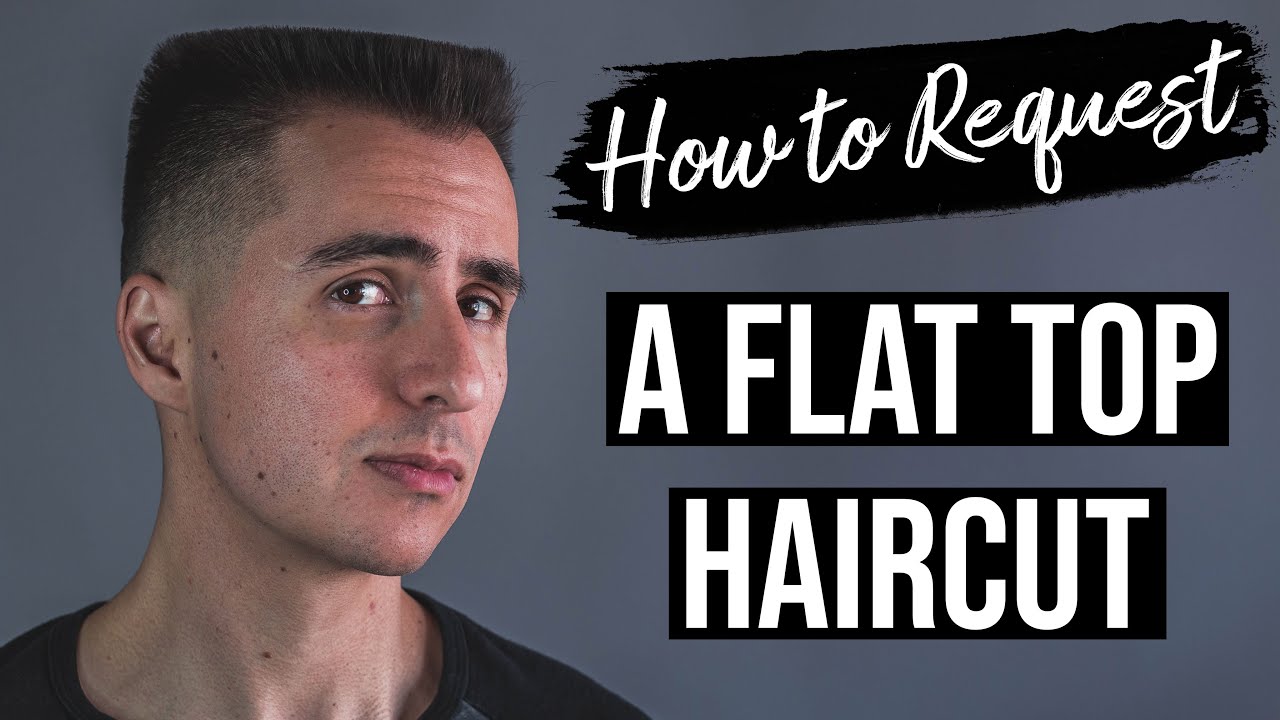
A flat top is instantly recognizable because the hair stands upright, forming a level surface. That squared-off look gives structure and authority. It’s not about blending—it’s about standing out with deliberate shape.
The edges are critical; everything rests on getting them laser-sharp. Messy lines make it fail fast. Think of it as architecture on your head that needs straight angles and consistent height.
Classic Flat Top Foundations
The foundation is the strict yet stylish version first made popular in military settings. Its structure became a template for polished, dependable haircuts. Once in the barbershop, it adapted to civilian life without losing its authority.
The beauty of the foundation is versatility. Master the standard version, then branch into rounded corners or leave it squared. It all starts with clipper precision and symmetry running front to back.
Military-Inspired Flat Top
This version screams discipline, with sides cut aggressively high. The crown surface stays exact and rigid. Every angle projects strength.
It’s especially popular with straight hair types because those strands stand neatly at attention. The overall look feels commanding without needing extra detail or styling creams daily.
Barbershop Standard Flat Top
The standard version is what most everyday clients request when they mention a flat top. Achievable on various hair densities, it doesn’t look overly severe.
This cut also adapts to modest fades or slight texturing, keeping it wearable for different settings. Office-friendly while still maintaining boldness.

Flat Top With Rounded Corners
Softer than the harsh square edge, rounded corners create flow. Clients with angular faces often appreciate the subtle compromise.
The top remains level, but edges ease slightly to reduce sharpness. It’s great for those who want the silhouette without rigid severity.

Modern Flat Top Haircut Styles
Modern versions introduce creativity with fades, added details, and different textures. By breaking symmetry slightly, they produce bold customization.
These looks allow barbers to keep the silhouette recognizable but inject individuality. Younger clients especially tend to favor edgy upgrades over tradition.

Textured Flat Top
Adding texture through clipper-over-comb or point-cutting prevents stiffness. The shape stays flat, but the surface feels natural.
This style gives movement and dimension, ideal for wavy hair or men avoiding that classic “block” effect. It balances regimented edges with freedom.

Flat Top With Hard Part
A hard part etched beside the flat top emphasizes symmetry. That deliberate detail transforms the look with minimal effort.
Popular among clients who enjoy defined lines, it makes maintenance crucial. Even slight regrowth dulls the effect, requiring frequent trips to the barber.

Flat Top Fade Variations
Pairing fades with flat tops keeps sides clean and supports bold geometry up top. The fade sets tone—high for aggressive, low for reserved.
Choosing between skin, mid, or high fade changes the personality entirely. It’s all about balancing lifestyle with desired visual weight.

High Fade Flat Top
The sides vanish quickly, giving all attention to the squared crown. It’s high-drama, ideal for sharp jawlines wanting bold framing.
Because of the steep contrast, upkeep frequency rises. You can’t let sides blur too long before it looks uneven.

Mid Fade Flat Top
This choice strikes harmony by tapering around the temple and ear areas. It doesn’t rush the fade but still feels bold.
Clients often like it for its adaptability. Strong presence but not harshly dramatic like the high fade style.

Skin Fade Flat Top
Nothing contrasts like a bald skin fade under a structured top. The surface seems to float above bare skin.
It screams intensity and demands frequent upkeep. Even minor growth changes the silhouette quickly, making commitment essential.

Flat Top Haircuts By Face Shape
Choosing shape compatibility ensures flatter looks. A mismatch exaggerates features undesirably.
Face proportions guide barbers on whether to build height, soften edges, or shorten length wisely.

Flat Top For Round Faces
Taller surfaces elongate the appearance, countering round fullness. Squared edges refine the lines effectively.
It introduces angular contrast where natural curves dominate. This sharpness flatters round face shapes well.

Flat Top For Oval Faces
Oval faces accept most versions because they’re already balanced. Medium length works exceptionally with ovals.
Not sure what your face shape is? Our Face Shape Detector figures it out in 4 quick questions.
It’s essentially the safest choice for anyone trying this style initially. Versatility is the reason.
Flat Top With Beard Pairings
Beard combinations drastically shift personality. From bold power with full beards to surgical precision with clean shave, each pairing changes mood.
The cut acts as foundation; facial hair layers identity onto that base. Playful or rugged outcomes stem from the pairings chosen.
Flat Top With Full Beard
A dense beard under the blunt top forms authority quickly. Contrast between boxy hair and textured beard unifies strongly.
This rugged-meets-polished pairing turns heads easily. It works incredibly on coarse hair textures especially, anchoring the strong crown above.
Flat Top Styling And Maintenance
Keeping the style immaculate requires clippers, proper styling aids, and routine trims. Without careful upkeep, flatness fades fast.
Frequency is vital: two to three weeks on average keeps edges aligned and prevents floppy regrowth. Daily combing also supports surface uniformity.

Best Clippers For Flat Top
Clippers with flat-top comb attachments ensure straight trimming surfaces. Precision tools shortcut the process.
Durable motors stop pulls or uneven chewing. Investing upfront pays dividends by delivering cleaner lines every session.
Flat Top Styling Products
Pommade or stiff hold gels help hair resist collapse. The goal isn’t shine but upright texture.
Sprays lock everything after styling. Picking product depends on hair type—lighter gels for straight, stronger holds for curls.
Ready to Find Your Perfect Cut?
You’ve read about the styles. Now find the one that fits YOUR face shape, hair type, and lifestyle.
How to Ask Your Barber for a Flat Top
Walk in with a reference photo—it saves both of you ten minutes of guessing. Tell your barber the height you want on top (measured in finger-widths works well), whether you want the corners squared or rounded, and which fade style on the sides.
Ask specifically about the mid fade or skin fade transition—that one detail changes the entire personality of the cut. If you have thinner hair, mention it upfront so your barber can adjust the top length to avoid see-through patches.
Flat Top for Thinning Hair
Thinning hair doesn’t automatically disqualify you from a flat top. The trick is keeping the top shorter—about half an inch—so the surface stays dense rather than showing scalp through longer strands.
A bald taper fade on the sides draws the eye to the shape rather than the density. I’ve had clients in their 50s pull this off by owning the shorter profile and pairing it with a well-groomed full beard for balance.
FAQs
How Long Does A Flat Top Haircut Last Before Needing A Trim?
Typically, the style holds shape for about two to three weeks. Growth starts rounding corners and disrupting lines quickly.
Clients who prefer sharp appearance should book biweekly appointments. Waiting longer causes loss of structure and clean silhouette.
What Hair Types Work Best For A Flat Top Style?
Coarse and curly hair types hold the shape most naturally. Their density helps the surface stand tall.
Straight hair can work but demands product support and precise barbering. Wavy sits comfortably in-between, offering balance.
Can A Flat Top Be Combined With A Beard Or Mustache?
Yes, pairings often amplify the effect of the haircut. Full beards build ruggedness below, while goatees emphasize angularity.
Clean shaves focus maximum attention on crown lines. Choice depends on desired personality projection.
What Tools Do Barbers Use To Achieve A Perfect Flat Top?
Barbers rely on quality clippers, flat-top combs, and leveling mirrors. These tools guide perfect straight edges.
Patience and precise motion are equally vital. Even minor slips alter overall flatness negatively.
Was this article helpful?

Khamis Maiouf is a professional barber who graduated from Hinckley College in England with a Level 3 qualification in hairdressing. With over 20 years of experience, he is an award-winning barber who has mentored numerous students and styled thousands of clients. A recognised expert featured on StyleCraze (20M+ readers).
Credentials: Level 3 Hairdressing (Hinckley College, UK) • 20+ Years Professional Experience • Featured Expert on StyleCraze • Founder of Book of Barbering