

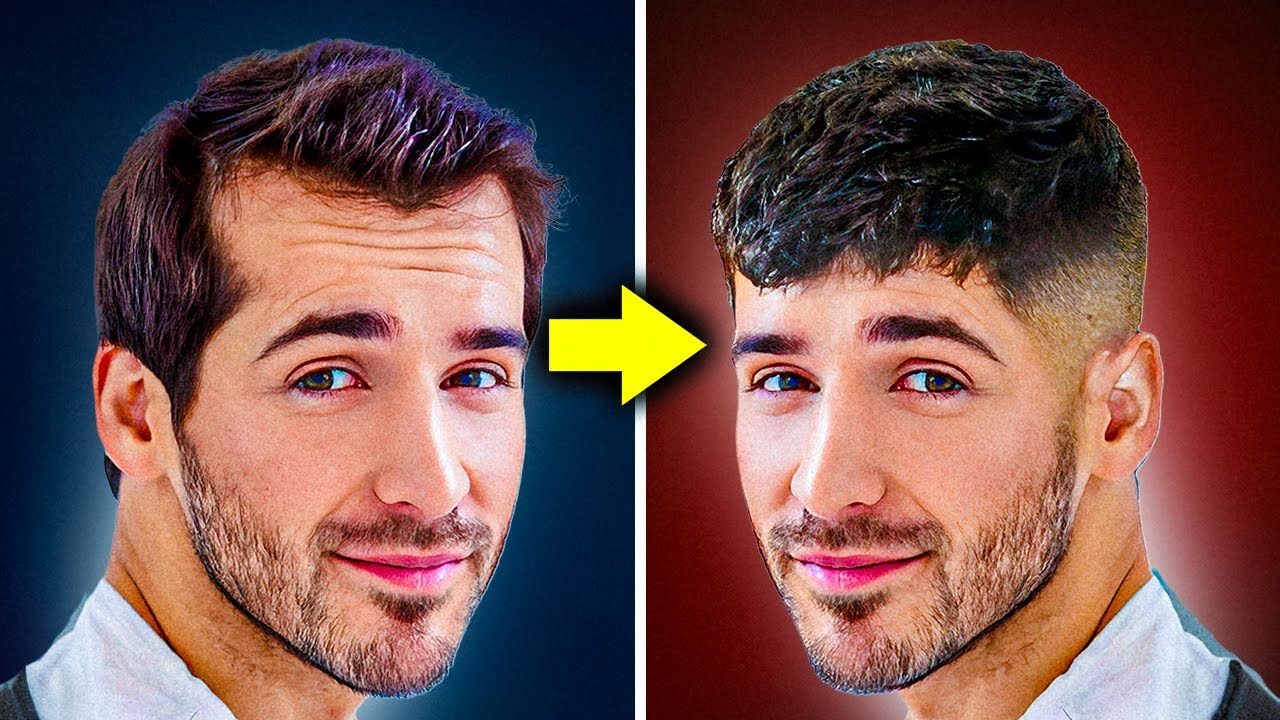
Last week a client sat down in my chair with fine, thin hair and said the same thing I hear every week: “Just don’t make me look balder.” Thin hair isn’t a hair problem — it’s a cutting problem. Get the length, fade, and texture right, and you can create the illusion of fullness within a single visit.
Not sure which cut is right for you? Try our free Haircut Finder tool — answer 5 quick questions and get personalised recommendations with barber instructions.
Smart layering and texturing maximize your existing hair density effectively.
Concerned about thinning? Our Hair Loss Risk Quiz helps you understand where you stand — 8 quick questions, no email needed.
Key Takeaways
- Short, textured cuts are the most reliable — textured crop and buzz cut minimize visible thinness without any extra effort
- Fades on the sides draw the eye away from thin areas on top and create the illusion of density
- Avoid heavy shine products — they make fine hair look wet and flat, acting like a spotlight on the scalp
- Cuts to avoid: long flat middle parts, heavy pompadours that fall flat, and any style that depends on shine
- Every 3–4 weeks is the right trim schedule for thin hair — the shape degrades faster than thick or curly hair
At A Glance: Thin Hair
Thin hair presents unique challenges that skilled barbers address through strategic cutting and styling approaches. The key lies in understanding hair density versus strand thickness.
Professional techniques focus on creating visual volume through layering, texturing, and precise length management. These methods work with your natural growth patterns rather than against them.

Short Volume-Building Cuts
Short haircuts offer the most control over thin hair appearance. Length removal eliminates weight that pulls strands down against the scalp.
These styles require minimal daily maintenance while delivering maximum visual impact. Strategic cutting creates instant texture and movement that mimics natural thickness.
- Texture: Choppy layers add immediate visual interest and body.
- Length: Shorter styles prevent weight from flattening hair.
- Maintenance: Weekly touch-ups maintain optimal shape and volume.
- Styling: Quick morning routine with lightweight products works best.

Textured Crop For Thin Hair
Sharp layering on top creates instant movement while maintaining clean side profiles. The contrast between textured crown and controlled sides draws attention upward.
Point cutting techniques remove bulk without sacrificing coverage. This approach works particularly well for men with fine strands that lack natural body.

Buzz Cut Variations For Thin Hair
Different guard lengths create strategic contrast that minimizes sparse area visibility. Graduated cutting maintains clean appearance while working with natural density patterns.
The key involves matching guard selection to individual thinning patterns. Skilled barbers adjust lengths to complement your specific coverage challenges effectively.

Short Quiff For Fine Strands
Gentle height at the front section creates volume without requiring thick density. The style works by lifting existing strands rather than relying on natural bulk.
Strategic undercutting removes weight from lower sections. This allows remaining hair to achieve better lift and maintain shape throughout the day.

Medium-Length Volume Solutions
Medium-length cuts require careful balance between coverage and weight management. Strategic layering becomes crucial for preventing flat, lifeless appearance.
These styles offer more styling versatility while demanding increased maintenance commitment. Professional cutting techniques create foundation for successful daily styling routines.

Layered Side Part Haircuts
Internal layering removes excess weight while creating natural lift points throughout the crown. The technique maintains length while boosting visual density.
Proper layer placement follows natural growth patterns for optimal results. Strategic cutting angles create movement that mimics the appearance of thicker strands.

Messy Fringe Cuts For Thin Hair
Deliberately tousled front sections disguise sparse coverage while adding contemporary appeal. The technique works by creating intentional irregularity that masks natural thinning.
Texturizing methods prevent uniform appearance that emphasizes density issues. Strategic cutting creates natural separation that suggests fuller coverage than actually exists.

Medium Textured Pompadour
Modern pompadour styling adapts classical techniques for fine hair types. Internal texturizing creates lift potential without requiring naturally thick density.
The approach focuses on strategic undercutting combined with crown texturing. This foundation supports styling techniques that create impressive height and volume.

Angular Fringe Cuts
Asymmetrical front cutting creates visual interest while strategically covering problematic hairline areas. The technique draws attention to design rather than density.
Sharp angles provide contemporary edge that distracts from thinning concerns. Strategic length variation creates natural movement that suggests fuller coverage throughout.
Fade Techniques For Thin Hair
Fade cutting creates dramatic contrast that makes top sections appear substantially thicker. Strategic gradient placement draws attention away from problematic areas.
The technique works by eliminating comparison points that highlight density differences. Clean side execution makes even modest top volume appear more impressive.
- Contrast: Sharp transitions make top sections appear fuller.
- Focus: Clean sides direct attention to textured crown areas.
- Maintenance: Regular fade touch-ups maintain optimal appearance.
- Versatility: Multiple fade heights accommodate different styling preferences.

Textural Cutting Techniques
Advanced cutting methods create internal texture that boosts visual density. These professional techniques work by manipulating how light reflects off individual strands.
Skilled barbers combine multiple texturizing approaches for optimal results. The goal involves creating natural movement that suggests fuller coverage than actually exists.
The 3-Inch Rule for Thin Hair
Keep the top section no longer than 3 inches — that’s the rule I apply to almost every thin-haired client. Beyond that length, fine strands lose the ability to hold volume. They start to flatten against the scalp under their own weight, and no product is strong enough to fight that for more than an hour.
Stay under 3 inches on top and you’re working with gravity, not against it. The shorter the top section, the more lift and separation you can build in with texturizing and product. It’s the single most useful number to remember when you’re in the barber’s chair.
Haircuts to Avoid if Your Hair Is Thin
Most thin-hair guides only show you the good options. Knowing what not to cut is just as important — these styles consistently make thin hair look worse.
Long, flat middle parts. They split the hair down the center, exposing the scalp and creating two flat panels on either side. This is the highest-visibility-of-scalp cut you can get.
Heavy pompadours. A pompadour depends on density to hold its shape. On thin hair, it falls flat within an hour and looks like a failed attempt — worse than just keeping the hair short.
Blunt, long styles with no texture. Blunt cuts make straight, thin hair hang in a flat curtain. Any style going below the ears without layering will emphasize thinness rather than hide it.
Wet-look and shine products. High-shine pomades and gels act like a spotlight on scalp. Stick to matte clays, texture sprays, and volumizing mousses instead.
If thinning also comes with a receding hairline, that combination needs a slightly different approach — the fade placement and length at the temples both change. If you’re leaning towards going much shorter, our guide on buzz cuts for thinning hair covers the best guard lengths for every pattern.
Professional Styling Tips
Expert styling techniques can dramatically improve thin hair appearance between cuts. Professional methods focus on creating lift and separation that mimics natural density.
Proper technique application makes the difference between flat, lifeless styling and impressive volume. These approaches work with fine hair characteristics rather than fighting against them.

Blow Drying For Maximum Volume
Strategic heat application combined with proper brush techniques creates impressive lift at the roots. The key involves lifting hair away from scalp during drying.
Directional airflow patterns boost natural volume while setting shape. Professional technique focuses on root lifting rather than surface smoothing for optimal results.

Root Lifting Techniques
Targeted styling methods create crucial lift where volume matters most for thin hair types. Strategic product application enhances natural lift potential.
Proper technique involves working from underneath sections rather than surface application. This approach creates foundation lift that supports overall volume throughout the day.

Product Application For Fine Strands
Lightweight formulation selection prevents weighing down delicate hair structure. Strategic placement focuses on roots rather than surface application that flattens strands.
Professional technique involves working products through from underneath sections. This method creates lift and separation without compromising natural movement or creating heaviness.
Not sure which style suits you best? Our Haircut Finder Quiz matches you with the right cut based on your face shape and hair type — takes 60 seconds.
Texture Spray Usage
Volumizing products applied correctly create instant thickness illusion through strand separation. The key involves even distribution without oversaturation that causes clumping.
Strategic application timing makes significant difference in results. Professional technique involves applying to damp hair before styling for optimal volume creation.

Professional Cuts For Thin Hair
Workplace-appropriate volume solutions maintain conservative appearance while maximizing thin hair potential. Strategic styling suits business environments without sacrificing professional credibility.
Polished techniques create impressive results within conservative styling parameters. Professional approaches balance volume creation with workplace appearance standards for optimal career compatibility.

Mature Men’s Volume Styles
Sophisticated approaches embrace natural aging while maximizing available hair density effectively. Strategic cutting creates distinguished appearance that suits mature lifestyle needs.
Professional techniques focus on refinement rather than trendy styling approaches. This approach creates timeless appeal while addressing age-related hair thinning with dignity and style.

Athletic Thin Hair Solutions
Low-maintenance approaches accommodate frequent washing and active lifestyle demands. Strategic cutting maintains volume while withstanding sweat and regular shampooing requirements.
Durable styling techniques create lasting results despite challenging maintenance conditions. Professional recommendations focus on cuts that maintain appearance through demanding athletic schedules.

How to Ask Your Barber for the Right Thin Hair Cut
The cut is only half the job. Most men sit down and say “make it look thicker” without giving their barber anything useful to work with. Here’s what to actually say.
Tell them where the thinning is happening — crown, temples, or all over. The cutting approach changes depending on the location. Mention whether you use product in the morning or air-dry and walk out.
Ask specifically for point cutting or texturizing on the top section rather than blunt scissors. And if you want to keep any length at all, ask them to remove interior weight with thinning shears rather than cutting shorter.
A good barber can work with any hair — but the brief matters. The more specific you are, the better the result. If you’re unsure which direction to take, check our guide to haircuts for your face shape before your appointment — it gives you a clear starting point to walk in with.
Check Your Hair Loss Risk
Wondering if what you’re seeing is normal? Get a personalised assessment in under 2 minutes.
FAQs
How Often Should Men With Thin Hair Get Haircuts?
Every 3-4 weeks maintains optimal shape and prevents weight accumulation that flattens thin hair. Regular trimming preserves volume-creating techniques and prevents sparse ends.
Strategic scheduling prevents overgrowth that emphasizes thinning areas. Professional maintenance keeps texturizing work effective while maintaining clean, polished appearance throughout the growing cycle.
What Products Work Best For Adding Volume To Fine Hair?
Lightweight mousses and volumizing sprays create lift without weighing down delicate strands. Root-lifting products applied to damp hair provide foundation for improved styling results.
Strategic product selection focuses on formulations that enhance natural movement rather than creating stiffness. Professional-grade products typically offer better performance while maintaining hair health over time.
Can Certain Haircuts Make Thin Hair Look Thicker?
Strategic layering and texturizing techniques create visual density through improved light reflection and strand separation. Professional cutting angles remove weight while maintaining coverage appearance.
Contrast-based styling like fades makes top sections appear substantially fuller. Strategic length management prevents flat appearance while maximizing existing hair’s volume potential through expert technique.
Should Men With Thin Hair Avoid Certain Cutting Techniques?
Excessive thinning and razor work can remove precious density that thin hair cannot afford to lose. Blunt cutting often emphasizes sparse areas rather than creating flattering movement.
Over-layering creates gaps that make thinning more obvious. Professional consultation identifies individual limitations while focusing on techniques that enhance rather than compromise existing hair density.
How Do I Style Thin Hair To Maximize Volume At Home?
Root-lifting during blow-drying creates foundation volume, followed by strategic product application to damp rather than dry hair. Directional styling techniques lift hair away from scalp.
Strategic sectioning during styling ensures even volume distribution throughout crown areas. Professional technique guidance ensures consistent results while preventing common mistakes that flatten thin hair appearance.
Do buzz cuts work for thin hair?
Yes — the buzz cut is one of the most effective options for thin hair. By keeping all hair at a uniform short length, it eliminates the contrast between thick and thin spots and removes the visual weight of longer hair exposing the scalp. A #2 or #3 guard gives enough length to avoid showing scalp while keeping everything clean. Pair it with a slight fade at the temples for a modern update that draws attention to your face rather than your hair density.
What is the 3-inch hair rule?
The 3-inch rule means keeping the top section no longer than 3 inches. Beyond that length, fine strands lose the ability to hold volume and start lying flat against the scalp under their own weight. Most barbers apply this as an upper limit for thin-haired clients regardless of the style they’re going for.
Should thin hair be long or short for men?
Short is almost always better for thin hair. Short cuts reduce the weight pulling hair flat against the scalp. If you want to keep some length, layering is non-negotiable — a blunt cut with no texture is one of the worst options for thin strands and will emphasize thinning rather than disguise it.
What is the best hairstyle for men over 60 with thin hair?
A textured crop or a short scissor cut with soft layers works well for men over 60 with thin hair. These cuts remove weight while keeping a clean, professional look that suits any setting. A buzz cut is also a strong option if the thinning is more advanced — it creates a consistent, controlled appearance without fighting the hair’s natural density.
Was this article helpful?

Khamis Maiouf is a professional barber who graduated from Hinckley College in England with a Level 3 qualification in hairdressing. With over 20 years of experience, he is an award-winning barber who has mentored numerous students and styled thousands of clients. A recognised expert featured on StyleCraze (20M+ readers).
Credentials: Level 3 Hairdressing (Hinckley College, UK) • 20+ Years Professional Experience • Featured Expert on StyleCraze • Founder of Book of Barbering