

A guy sat in my chair last week and said, “Just give me a regular haircut.” Five words, but they mean something different to every man who says them. After two decades behind the chair, I’ve learned that a regular haircut is actually one of the most versatile categories in barbering—and most men don’t realize how many sharp options fall under that umbrella.
Below, you’ll find the styles I cut most often for clients who want something clean, reliable, and easy to maintain. Each one works across different hair types, face shapes, and lifestyles.
Key Takeaways
Not sure which style suits you best? Our Haircut Finder Quiz matches you with the right cut based on your face shape and hair type — takes 60 seconds.
- A regular haircut covers a wide range of clean, timeless styles from crew cuts to textured quiffs
- Short regular cuts (crew, butch, burr) need almost zero styling and look sharp for weeks
- Medium-length options like the side part and business cut work in both professional and casual settings
- Tell your barber the guard number you want on the sides and how much length to keep on top
- Visit your barber every 3–6 weeks to keep any regular cut looking its best
The Basics: Regular Haircut Styles
A regular haircut style is all about balance. Whether you’re browsing haircuts for men or already know what you want, this cut delivers. It combines neatness with natural shape, making it suitable for almost any occasion while remaining approachable.
Men choose regular haircuts because they adapt to varying densities, textures, and maintenance needs. If you’re exploring different haircut types, the regular cut is the foundation most other styles build on. Whether squared edges or tapered necklines, the style offers adaptability.
Classic Short Regular Haircuts
Short regular haircuts focus on practicality and sharpness. These styles are fast to maintain, universally flattering, and ideal for men with busy routines.
They remain relevant because they’re rooted in tradition while fitting seamlessly into modern life. Not sure which style is right for you? Try our haircut quiz to find out. With minimal product and upkeep, they still look well-groomed every day.

Traditional Crew Cut
Few cuts rival the crew cut for simplicity and masculinity. Its clean edges highlight facial structure without demanding complicated styling techniques.
Most barbers recommend it for clients who value speed and easy upkeep. It requires only occasional trimming and works especially well for straight to wavy hair.

Butch Cut
The butch cut creates even length all over, delivering practical neatness. It’s often favored by men who dislike daily grooming rituals but crave consistency.
This cut works across most hair types, especially for thick, dense hair that’s hard to shape otherwise. It retains uniformity with minimal barber visits required.

Burr Cut
The burr cut takes shortness to another level, clipped with a #1 or #2 guard. It’s essentially a buzz cut taken to its most minimal form. It offers clean structure with no styling involved.
Because of its closeness, it exposes natural head shape. Ideal for men seeking a low-maintenance option that still communicates bold decisiveness while appearing neat.

Medium-Length Regular Haircut Styles
Medium-length regular cuts add styling room without straying from classic foundations. They work well for men who enjoy experimenting but need professional appropriateness.
The balance of clean edges with longer tops provides versatility. You can shift easily between polished business-ready looks and casual weekend variations using simple adjustments.

Classic Side Part
Barbers often recommend the side part for its timeless appeal. It uses a defined line to create structure, complementing rounder face shapes effectively.
Styling takes only pomade and a comb. This makes the look practical for professional offices but flexible enough for dinners or special events during evenings.

Business Cut
The business cut is functional yet stylish, offering a balanced silhouette. It has professional polish ideal for those in corporate environments, requiring little oversight.
Its medium top with shorter sides provides neatness throughout. You can keep it sharp with occasional trims, ensuring consistent performance in work and social circles.

Medium Taper Regular Style
This cut gradually tapers the sides and back while maintaining more length above. It’s versatile, easygoing, yet composed enough for regular work settings.
Clients enjoy it because it provides dimension. A well-blended taper transitions smoothly at the neckline for a natural appearance without exaggerating contrast or harshness.

Regular Haircuts With Fades
A fade integrated into a regular cut adds definition. It contrasts skin tightness against upper length for crisp, modern finishes while maintaining traditional principles.
Different fade placements modify how bold or subtle the effect becomes. Each version gives personal character without losing the uniform neatness of standard regulars.
Textured Regular Haircut Styles
Adding texture brings depth and individuality to a regular cut. It’s accomplished through layering or point-cutting, giving hair more motion and relaxed aesthetic.
Texture is especially helpful for men with thicker hair, reducing heaviness. Alternatively, it can provide body for fine hair that lacks natural lift or density.
Low-Maintenance Regular Haircuts
Low-maintenance cuts fit men seeking constant neatness with minimal input. These options require rare barber sessions and little product for styling or upkeep.
Most rely on simplified lengths, clean lines, or subtle tapers. They work equally well for strict workplace grooming standards or active lifestyles without complication.
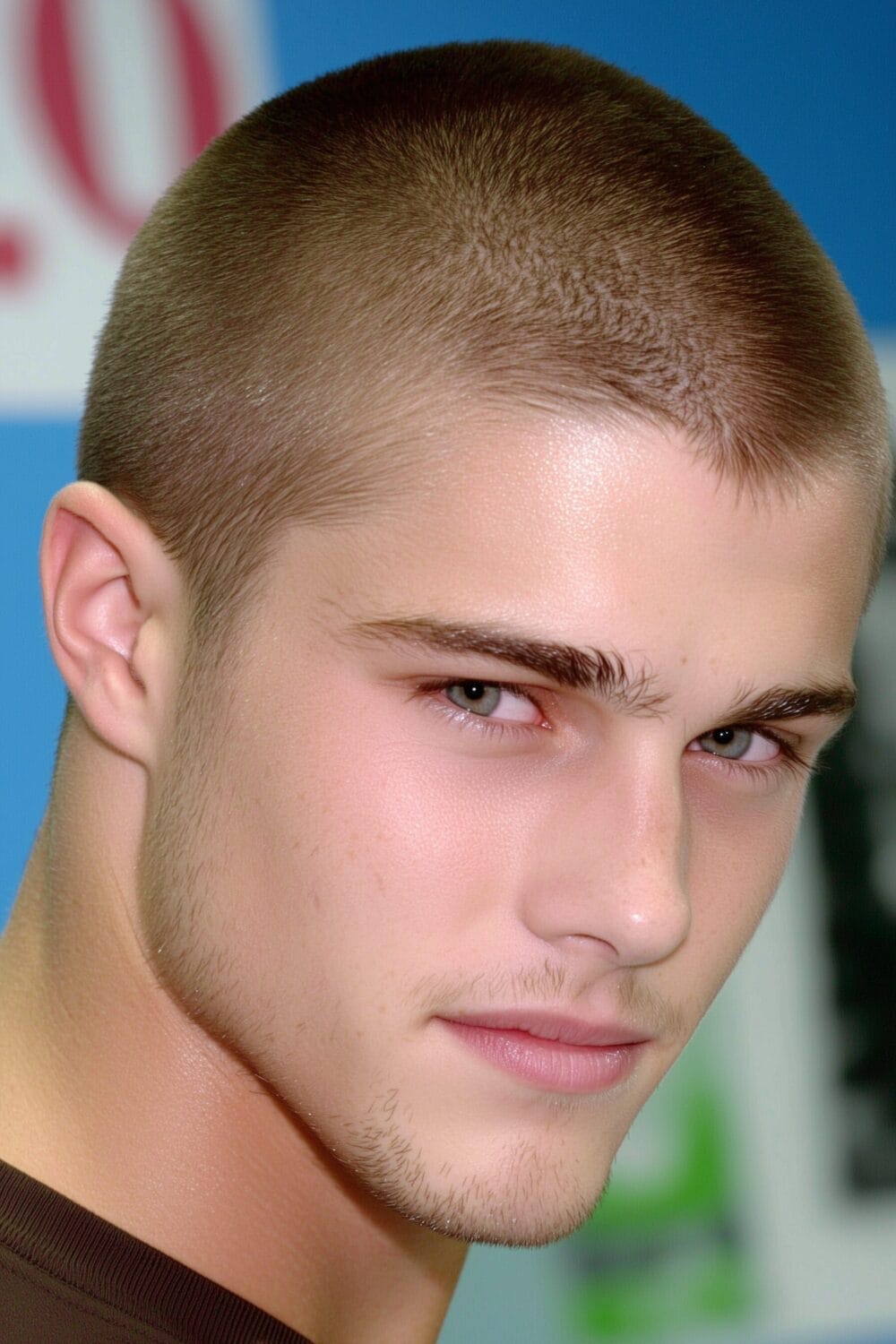
Buzzed Regular Cut
The buzz retains streamlined neatness. Made with short, even guard lengths, it eradicates daily styling needs entirely while keeping consistent sharp boundaries overall.
It’s practical for individuals preferring efficiency and confident effects. Accessible for all hair types, the buzz communicates resilience and discipline through minimalistic design effectively.

Modern Twists On Regular Haircuts
Modern twists keep classics evolving. These fresh takes integrate contrast, disconnection, or added volume, injecting fashion-forward energy while respecting grooming foundations underneath still.
They’re popular among younger professionals and trend-driven clients. By tweaking small components, barbers modernize appearances without erasing tradition, offering stylistic harmony universally attractive today.

Undercut Regular Style
The undercut separates top from closely cropped sides dramatically. This generates a bold layered look combining structured tradition with edgy fashionable divergence nicely.
Clients often wear it slicked or loose. Its sharp difference makes strong impression, while adaptability ensures ongoing relevance. Maintenance every few weeks keeps consistency preserved.

Regular Haircut With Fringe
Adding a fringe transforms silhouette youthful. Forward-moving bangs create relaxed aesthetic contrasted with structured sides, blending approachable energy into traditional haircut framework effectively.
Men often prefer this style seasonally. Its adaptability stretches between casual wear and social outings, portraying relatability while still framed by classic barber foundations confidently.

Textured Quiff Regular Style
The quiff accentuates hair volume at the front. By texturing this area, it becomes a balanced statement: playful yet structured for broader wear effortlessly.
Not sure what your face shape is? Our Face Shape Detector figures it out in 4 quick questions.
Its styling requires clay or wax. Though initially bold, with proper shaping it conveys charm readily, making it popular among men exploring modern classic fusion.

How to Ask Your Barber for a Regular Haircut
Most guys who sit in my chair say “just a regular haircut” and expect me to read their mind. Here’s how to actually get the cut you want every time.
Start with the sides. Tell your barber the clipper guard number you want—a #2 leaves about a quarter inch, a #3 gives you three-eighths of an inch, and a #4 is half an inch. If you want scissors instead of clippers, say “finger length on the sides.”
Next, describe the top. Use inches or references: “leave two inches on top” or “enough to comb to the side.” If you want texture, ask for point cutting or layering. If you want it smooth, say “blunt cut on top.”
Finally, specify the neckline. A tapered neckline blends gradually and grows out cleanly. A blocked neckline gives a squared-off edge that looks sharp but needs more frequent touch-ups. Most regular haircuts look best with a taper.
Which Regular Haircut Suits Your Face Shape
I’ve cut thousands of regular haircuts, and the single biggest factor in whether a guy walks out happy is matching the style to his face shape. Here’s what I recommend.
Oval faces have the easiest time—almost any regular cut works. Crew cuts, side parts, and textured quiffs all complement the balanced proportions of an oval face.
Round faces benefit from height on top and shorter sides. A business cut with a medium taper or a textured quiff adds vertical lines that make the face appear longer and more angular.
Square faces already have strong structure, so softer styles work well. A classic side part or a medium taper with some texture on top keeps things balanced without making the jawline look too heavy.
Oblong faces need width, not height. Avoid tall quiffs. Instead, go for a crew cut or a regular cut with fringe—the forward-moving bangs add horizontal visual weight and balance the length.
Not sure about your face shape? Use our haircut finder to narrow down the best options.
Ready to Find Your Perfect Cut?
You’ve read about the styles. Now find the one that fits YOUR face shape, hair type, and lifestyle.
FAQs
What Is Considered A Regular Haircut Style?
A regular haircut style refers to neat, timeless cuts that avoid extremes. They keep balanced proportions and clean edges, staying versatile for everyday wear.
Barbers design these cuts for adaptability. They support professional, casual, or formal settings while requiring only straightforward trims and modest styling adjustments as needed.
How Often Should I Get A Regular Haircut To Maintain The Look?
Most clients need trims every three to six weeks depending on growth speed. Shorter cuts often require closer intervals to preserve uniform edges effectively.
Medium or longer styles provide flexible timing. However, even with lengthier versions, booking consistent appointments prevents shape loss and keeps style appearances reliable longer.
Which Regular Haircut Works Best For Professional Settings?
Professional settings favor clean, structured options. Styles like side parts, business cuts, or executive regulars carry strong authority while maintaining grooming refinement continuously.
Men can tailor finish using product. Pomade or light hold gel raises polish levels, ensuring their chosen look communicates confidence appropriately in career environments.
Can Regular Haircuts Be Styled Differently For Casual And Formal Events?
Yes, adjust with product and styling modifications. For casual events, matte clays or waxes relax the look, creating texture-driven lightweight movement and playful finishes.
For formal outfits, switch to smoother shine products. Pomade or gel bring sleeker forms, emphasizing symmetry. These quick pivots make one cut extremely versatile.
What Products Work Best For Styling A Regular Haircut?
Pomade suits slick, shiny finishes, clay works for dry textures, gel locks hair firmly, and wax delivers flexible shaping balance. Each modifies results clearly.
Choosing product depends on environment and hair type. Thicker hair benefits from stronger holds, while finer hair requires lighter products to preserve fuller volume.
What Is the Difference Between a Taper and a Fade?
A taper gradually reduces hair length as it moves down the sides and back, leaving some visible length at the bottom. A fade takes that transition further, blending the hair all the way down to the skin. Most regular haircuts use a taper for a cleaner grow-out, while fades create a sharper contrast that needs touch-ups every two to three weeks.
What Do Haircut Numbers Mean?
Haircut numbers refer to clipper guard sizes. A #1 guard leaves one-eighth of an inch, #2 leaves a quarter inch, #3 is three-eighths, and #4 is half an inch. The higher the number, the longer the hair. When asking for a regular haircut, most men request a #2 or #3 on the sides with one to two inches on top cut with scissors.
Was this article helpful?

Khamis Maiouf is a professional barber who graduated from Hinckley College in England with a Level 3 qualification in hairdressing. With over 20 years of experience, he is an award-winning barber who has mentored numerous students and styled thousands of clients. A recognised expert featured on StyleCraze (20M+ readers).
Credentials: Level 3 Hairdressing (Hinckley College, UK) • 20+ Years Professional Experience • Featured Expert on StyleCraze • Founder of Book of Barbering