

Most white guys who sit in my chair asking for a high fade don’t realize how much their hair texture changes the result. I’ve been cutting fades for over 20 years, and straight, wavy, and curly hair each respond completely differently to the same technique.
These 12 styles are the ones I actually recommend to clients—matched to hair type, face shape, and how much time you’re willing to put in each morning.
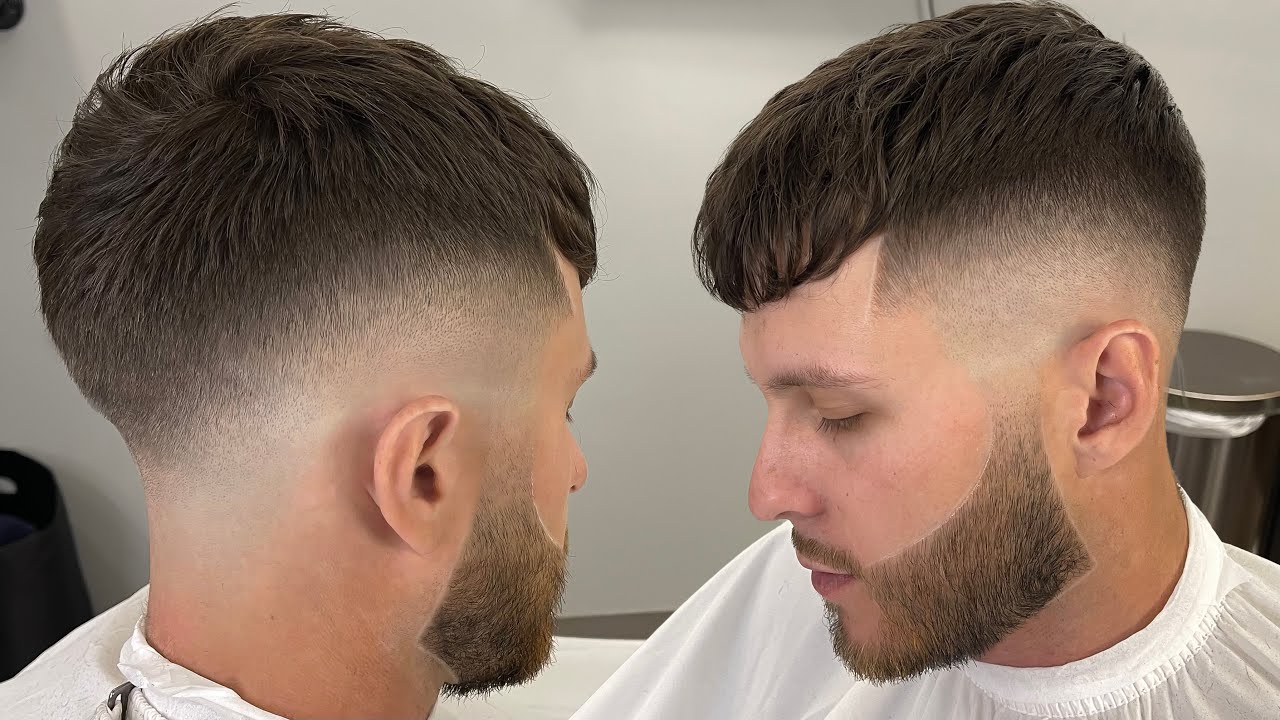
Key Takeaways
- High fades work with straight, wavy, and curly hair—each texture needs a different styling approach
- Your face shape determines whether to go skin fade, shadow fade, or somewhere between
- Short styles (buzz cut, crew cut) need touch-ups every 2–3 weeks; medium and long tops every 3–4
- Always bring a side-view reference photo when asking your barber for a high fade
- Pairing a high fade with a beard creates strong contrast that flatters round and oval faces
White Guy Haircuts Straight Hair
Straight hair showcases the crisp lines and clean geometry of a high fade perfectly. The natural fall of straight strands emphasizes the dramatic contrast between lengths.
These timeless variations suit professional environments while maintaining contemporary edge.
Messy Fringe High Fade
Let your natural waves fall forward into a textured fringe that contrasts beautifully with the tight fade. This relaxed approach suits casual environments and creative professions.
Sea salt spray enhances wave definition while maintaining that perfectly imperfect, tousled aesthetic.

Natural Wave High Fade
Embrace your waves’ organic pattern by keeping 3-4 inches on top for full expression. The high fade creates a frame that highlights your hair’s natural movement.
Light mousse or curl cream defines waves without weighing them down or creating crunchiness.

Curly Top High Fade
Defined curls create striking visual contrast against the clean fade line. Maintain 2-3 inches minimum on top to showcase your curl pattern properly.
Curl-defining cream applied to damp hair followed by air-drying produces optimal curl formation and frizz control.

Short Length High Fade Styles
Short top lengths paired with high fades deliver maximum impact with minimal maintenance. These cuts suit active lifestyles and hot climates perfectly.
Most require touch-ups every 2-3 weeks to maintain their sharp, military-inspired precision.

Buzz Cut High Fade
The buzz cut high fade uses a uniform guard length across the top, typically #3 or #4. This no-nonsense style eliminates daily styling completely.
Perfect for athletes or anyone seeking the ultimate wash-and-go convenience without sacrificing sharp appearance.

Crew Cut High Fade
Slightly longer than a buzz cut, the crew cut maintains 0.5-1 inch on top. The graduated length from front to crown adds subtle dimension.
A fingertip of wax provides optional texture and control for more polished occasions.

Military High Fade
Military regulations inspire this ultra-clean cut with skin-tight fading and minimal top length. The fade line sits at its highest possible position.
Zero maintenance required—just towel dry and you’re ready for inspection or the office.

Induction High Fade
The shortest possible variation uses a #0 or #1 guard throughout the top section. This bold choice makes a confident statement about personal style.
Weekly barber visits keep the fade crisp and the overall length consistent for optimal appearance.

Medium Length High Fade For White Guy
Medium lengths between 2-4 inches on top offer maximum styling versatility. You can adapt these cuts for different occasions with simple product changes.
The high fade keeps maintenance manageable despite the longer top sections.
Quiff High Fade
The quiff’s signature height and volume at the front create dramatic silhouette changes. Build height gradually from crown to hairline for authentic quiff proportions.
Blow-dry upward with a round brush, then lock the height with strong-hold hairspray.
Pompadour High Fade
Classic pompadour volume meets modern fade techniques in this showstopping combination. Maintain 4-5 inches at the front for proper pomp height.
Pre-styling mousse adds volume before blow-drying, while pomade provides the signature shine and hold.

Brushed Up High Fade
Vertical styling creates modern texture without the formality of a pompadour. Use a blow dryer to lift hair upward while maintaining natural movement.
Not sure what your face shape is? Our Face Shape Detector figures it out in 4 quick questions.
Matte clay or fiber provides strong hold without shine for this contemporary professional look.

Long Top High Fade Variations
Long hair on top—5 inches or more—creates maximum contrast against the high fade. These bold styles demand confidence and regular maintenance.
The dramatic length difference makes these cuts true conversation starters.
- Styling time: Plan 10-15 minutes for morning routines
- Product needs: Multiple products for hold, texture, and finish
- Maintenance: Bi-weekly fade touch-ups preserve the contrast

Man Bun High Fade
The man bun requires 6-10 inches of length for secure tie-back options. Your high fade eliminates bulk around ears and nape for cleaner bun placement.
Smoothing serum tames flyaways while elastic bands secure without damaging longer strands.

Disconnected Undercut High Fade
The disconnected version eliminates blending between top and sides completely. This creates an ultra-modern, fashion-forward aesthetic that demands attention.
Style flexibility remains unlimited—slick back, sweep sideways, or wear naturally based on occasion.

Ready to Find Your Perfect Cut?
You’ve read about the styles. Now find the one that fits YOUR face shape, hair type, and lifestyle.
How to Ask Your Barber for a High Fade
I hear “just give me a high fade” at least five times a day, and every single time I need more information. That phrase means something different to every barber and every client.
Here’s exactly what to communicate: tell your barber where you want the fade line to start (temple level, above the temple, or at the crown), whether you want skin showing at the bottom or a shadow fade, and how much length you want on top. Bring a reference photo from the side—front-only photos don’t show the fade.
If you’re not sure what you want, a good barber will assess your head shape and hairline before picking up the clippers. Tell them your lifestyle too—a guy who styles his hair every morning gets a different cut than someone who towel-dries and walks out the door.
Best Beard Pairings With High Fades
A high fade with a beard creates one of the strongest contrasts in men’s grooming. The clean sides draw the eye straight to your facial hair, making even a modest beard look fuller and more intentional.
Short stubble (3–5mm) paired with a skin fade works best for professional settings—clean enough for the office but still sharp. For maximum impact, grow a full beard and keep the cheek line natural while your barber connects the fade into the beard line seamlessly.
Round faces benefit most from this combination. The high fade slims the sides while the beard adds definition to your jawline, creating a more angular silhouette overall.
Maintenance Between Barber Visits
Your high fade starts losing its crisp line around day 10. Here’s what I tell every client to stretch the time between appointments without looking unkempt.
Use a trimmer at home for your neckline and around the ears only—never attempt the fade gradient yourself. Clean up stray hairs below the fade line every 4–5 days. A quick styling routine with the right product keeps the top looking intentional even as it grows out.
Washing daily strips natural oils that give texture its hold. Drop to every other day with a lightweight shampoo, and use dry shampoo on off days if your hair gets oily.
FAQs
How Often Should I Get My High Fade Touched Up?
Every 2-3 weeks maintains optimal freshness for high fades. Faster-growing hair or perfectionist standards might require weekly visits, while slower growth allows 3-4 week intervals.
Book standing appointments to maintain consistency with timing and barber availability.
What’s The Difference Between A High Fade And A Mid Fade?
The fade’s starting point determines classification—high fades begin 2 inches above the ear, mid fades start at ear level. High fades create more dramatic contrast and require more frequent maintenance.
Choose based on face shape and maintenance commitment rather than trends.
Can Thin Hair Work With A High Fade?
Thin hair actually benefits from high fades by removing weight from sides, making top sections appear fuller. Keep the top length shorter to prevent wispy appearance and use volumizing products.
Avoid heavy products that emphasize thinness through separation and clumping.
What Face Shapes Look Best With High Fades?
Oval and square faces handle high fades exceptionally well, while round faces benefit from added height on top. Oblong faces should keep more length on sides or choose mid fades instead.
Your barber can adjust the fade’s angle and height to flatter your specific proportions.
How Do I Style A High Fade At Home?
Start with damp hair and pre-styling product, then blow-dry in your desired direction. Apply finishing product to dry hair for hold and texture, using less than you think you need.
Practice consistency—styling the same way daily trains your hair to cooperate.
What Products Work Best for High Fade Styles?
The best product depends on your top length and desired finish. For short styles like buzz cuts and crew cuts, a fingertip of matte wax or clay adds texture without shine.
Medium lengths benefit from medium-hold pomade or fiber for flexible control. Longer tops need a pre-styling mousse for volume plus a strong-hold finishing spray or pomade to lock everything in place.
Was this article helpful?

Khamis Maiouf is a professional barber who graduated from Hinckley College in England with a Level 3 qualification in hairdressing. With over 20 years of experience, he is an award-winning barber who has mentored numerous students and styled thousands of clients. A recognised expert featured on StyleCraze (20M+ readers).
Credentials: Level 3 Hairdressing (Hinckley College, UK) • 20+ Years Professional Experience • Featured Expert on StyleCraze • Founder of Book of Barbering