✓ Written & Reviewed by Khamis Maiouf — Award-Winning Barber · 20+ Years Experience · Level 3 Qualified
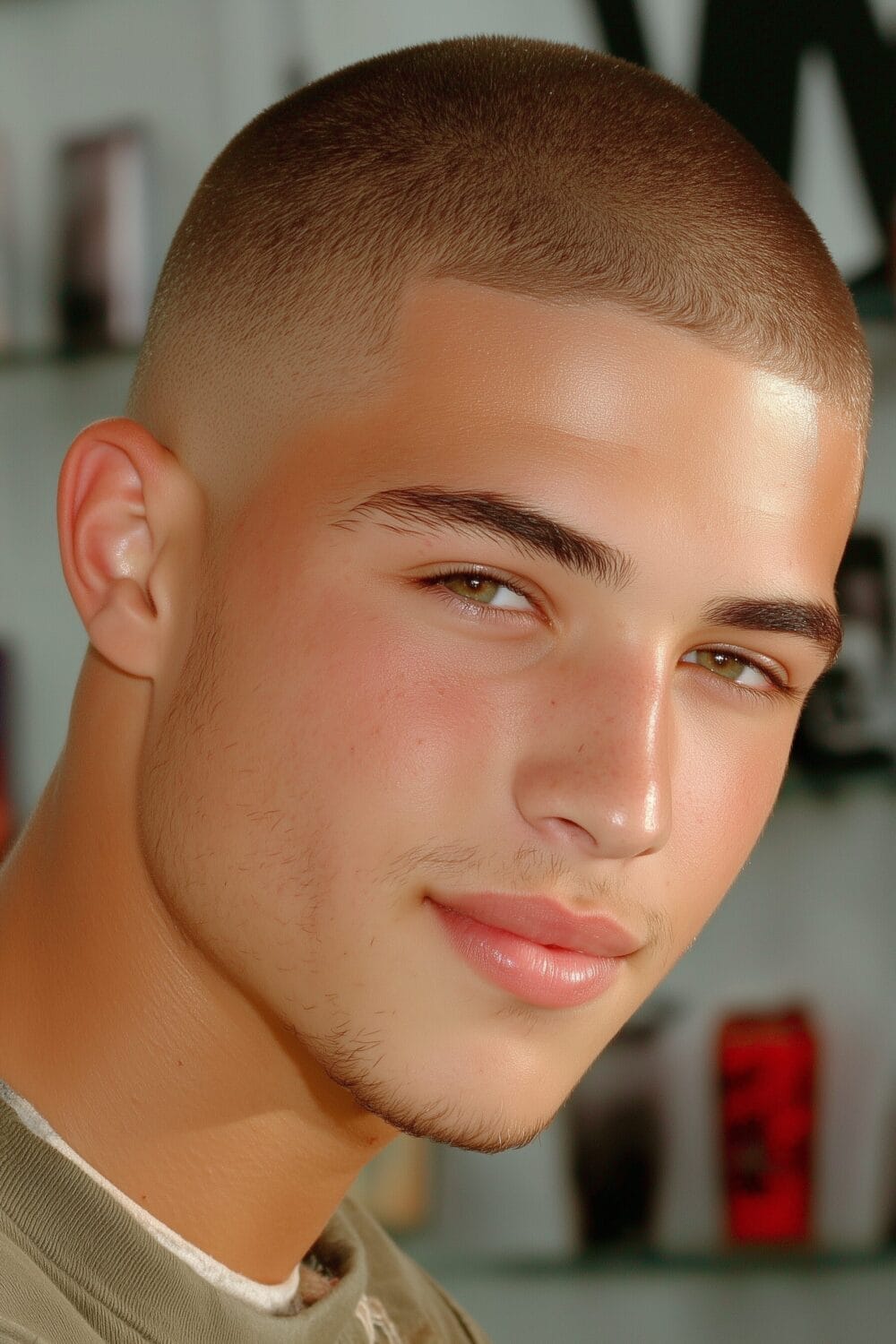
Growing out a buzz cut is an exercise in patience that most guys underestimate. The first two weeks feel fine. Then comes the awkward phase — that frustrating stretch where your hair is too long to look buzzed and too short to style.
I’ve coached hundreds of clients through this exact process, and the ones who make it through without shaving it all off again are the ones who understand what’s coming and have a plan for each stage. Here’s that plan.
Key Takeaways
Not sure which style suits you best? Our Haircut Finder Quiz matches you with the right cut based on your face shape and hair type — takes 60 seconds.
Weeks 1–3: The buzz still looks intentional — enjoy it while it lasts
Weeks 4–8: The awkward phase — hair sticks up, sides puff out, and nothing lies flat
Months 3–4: Enough length to start styling with product and choosing a direction
Strategic trims every 4–6 weeks keep the grow-out looking intentional, not neglected
The sides grow faster than the top — ask your barber to taper the sides while the top catches up
Understanding growth phases prevents panic trimming that sets you back months. Your hair grows approximately half an inch monthly, meaning patience pays dividends.
Each phase brings specific challenges requiring different management strategies. The eight-week mark typically determines whether you’ll successfully transition or restart with clippers.
Week 1-2: Initial Growth
The first fortnight shows minimal visible change—just enough stubble to feel different. Your scalp adjusts to longer strands while maintaining the clean buzz aesthetic.
Morning styling becomes unnecessary since gravity hasn’t affected your hair yet. This honeymoon phase tricks many into thinking the entire process stays this simple.
Week 3-4: First Awkward Phase
Suddenly your hair stands straight up like a tennis ball’s fuzzy surface. The uniform length creates a rounded silhouette that resists most styling attempts.
This velcro-like texture catches lint and requires daily brushing to maintain direction. Most men consider cutting here, but pushing through rewards you with styling options.
Week 5-8: Critical Transition
Hair finally gains enough weight to lay flatter, revealing your natural growth patterns. Cowlicks emerge prominently while sides grow faster than your crown area.
Strategic product use becomes essential for controlling rebellious sections during this phase. Your commitment here determines whether you achieve your target style successfully.
Managing Buzz Cut Growing Out Phases
Each growth stage demands specific solutions rather than generic hair advice. Adapting your approach weekly prevents the disheveled look that derails most attempts.
Smart management focuses on controlling problem areas while encouraging healthy growth patterns.
Fuzzy Stage Solutions
Light pomade applied with fingertips tames the porcupine effect without creating helmet hair. Work product backward from crown to front, training stubborn sections downward.
Sea salt spray adds weight that naturally flattens rebellious patches between washes. Avoid heavy waxes that emphasize the rounded shape you’re trying to minimize.
⚠️ Common Mistake
Over-trimming the sides while growing destroys your length progress and creates mushroom-shaped disasters. You’ll extend the awkward phase by months, constantly restarting from shorter lengths. Instead, let everything grow together for four weeks minimum before any strategic shaping touches.
Uneven Growth Fixes
Crown areas typically lag behind sides by two weeks of growth speed. Texturizing powder disguises thin spots while matte clay evens out visual density.
Strategic combing patterns redirect faster-growing sections to balance your overall shape. Focus product application on problem zones rather than coating everything uniformly.
Buzz Cut Growing Out Maintenance
Maintenance during growth differs completely from maintaining a fresh buzz cut. Your goal shifts from uniformity to strategic shaping that guides future length.
Professional touch-ups every three weeks keep you looking intentional rather than neglected.
Strategic Trim Schedule
Month one requires zero trimming—resist all urges to “clean up” perceived messiness. Month two benefits from neckline cleanup only, preserving precious top length.
Month three allows subtle side tapering that enhances your emerging style direction. Schedule appointments specifically for “grow-out maintenance” so barbers understand your goals.
Edges While Growing Out
Clean edges create polish even when length looks awkward elsewhere on your head. Weekly edge-ups around ears and neckline maintain professional appearance during transition.
Home maintenance between barber visits prevents the caveman look that embarrasses many. Invest in quality trimmers for precise control over these detail areas.
Back and Sides Management
Sides naturally grow outward before gaining enough length to lay flat properly. Light scissor work removes bulk without sacrificing your hard-earned growing progress.
The back requires monthly attention to prevent mullet formation during transition phases. Ask barbers to blend rather than cut, maintaining proportional growth throughout.
Week 4: Neckline cleanup only
Week 6: Subtle side tapering
Week 8: Full shape-up with minimal length removal
Communicate growth goals clearly
🧠 Expert Advice
Book appointments for Tuesday mornings when barbers have fresh energy and patience for detailed work. Bring reference photos showing your target style—not current length—so they understand the vision. This prevents overzealous trimming that ruins months of patient growing.
Styling Your Growing Out Buzz
Product requirements change dramatically as your buzz transforms into workable length. Each millimeter of growth opens new styling possibilities while closing others.
Mastering stage-appropriate techniques prevents the abandoned look during crucial transition weeks.
Product Application Stages
Weeks 1-3 need zero product unless you have particularly unruly growth patterns. Weeks 4-6 benefit from lightweight creams that add control without visible residue.
Beyond week seven, medium-hold products become essential for achieving intentional styles. Graduate from creams to clays as length increases and styling options expand.
🎯 Precision Points
Target cowlicks first with concentrated product application before addressing other areas evenly. The crown typically needs double the product compared to front sections.
Work in dime-sized amounts, building hold gradually rather than overwhelming shorter hair. This precision approach prevents the greasy, overworked appearance ruining many transformations.
Texture Enhancement
Texturizing products transform boring grow-out into intentionally tousled styles worth keeping longer. Sea salt spray creates natural movement that disguises awkward length variations.
Matte paste applied with fingertip twisting adds definition to emerging layers naturally. This technique particularly benefits straight hair that tends toward flatness.
Buzz Cut Growing Into Styles
Planning your target style from day one guides every maintenance decision along the journey. Different destinations require different growth strategies and timeline expectations.
Each style has an optimal transition point where your buzz naturally evolves into something better.
Growing Into Crew Cut
Crew cuts emerge naturally around week six when top length reaches three-quarters inch. Maintain shorter sides while allowing top growth to create classic proportions.
This transition happens fastest since crew cuts share DNA with buzz cuts. Most men achieve wearable crew cuts within eight weeks of committed growing.
Growing Into Textured Crop
Textured crops require ten weeks minimum for adequate fringe length and movement options. Focus growth on top-front sections while keeping sides relatively tight throughout.
Not sure what your face shape is? Our Face Shape Detector figures it out in 4 quick questions.
The awkward phase lasts longer but rewards patience with versatile styling possibilities. Week twelve typically marks the sweet spot for first proper crop styling.
Growing Into Quiff
Quiffs demand three months of dedicated growth for minimum viable height and flow. Train hair upward from week four using blow-drying techniques and volumizing products.
This longest transition challenges patience but creates the most dramatic transformation possible. Success requires religious product use and daily styling commitment throughout growth.
The difference between a bad grow-out and an intentional transition style is simply having a clear destination in mind from the start.
Professional Help During Growing Out
Strategic barber visits accelerate your transition while preventing amateur mistakes that extend timelines. Professional guidance keeps you looking sharp even during challenging growth phases.
Knowing when to seek help versus riding out awkward stages saves money and frustration.
When to See Barber
Schedule visits when sides extend beyond ear tops or necklines become noticeably shaggy. These markers typically appear around weeks four, seven, and ten respectively.
Avoid appointments during weeks two through three when length remains too short. Professional shaping becomes valuable only after establishing some workable length first.
Shape-Up Frequency
Monthly shape-ups maintain polish without sacrificing progress toward your length goals completely. Communicate clearly that you’re growing—not maintaining—to prevent miscommunication disasters.
Budget for more frequent visits during months two and three when shape matters most. These investments prevent giving up during the most challenging transition period.
✅ Success Indicators
Hair laying flat without product signals you’ve conquered the initial fuzzy phase successfully. Visible texture and movement options mean you’re approaching your target style zone.
Compliments replacing concerned looks confirms your transition strategy is working as planned. Most men report breakthrough satisfaction around the ten-week mark consistently.
⚠️ Common Mistake
Switching barbers mid-transition destroys continuity and often results in starting over completely. New barbers lack context about your growth journey and default to standard cuts. Stick with one professional who understands your timeline and documents progress through each visit.
Strategic Trims During the Grow-Out
The biggest mistake guys make when growing out a buzz cut is avoiding the barber entirely. Counterintuitive as it sounds, getting trims during a grow-out is what makes it look intentional instead of neglected.
The sides and back grow faster and puff out before the top has enough length to style. Every 4–6 weeks, ask your barber to taper the sides and neckline while leaving the top alone. This keeps the silhouette clean while the top catches up.
Think of it as sculpting the shape you’re growing toward rather than just letting everything run wild. Most of my grow-out clients see me monthly for exactly this — a 10-minute cleanup that makes the difference between “growing it out” and “needs a haircut.”
Products That Help at Each Stage
You won’t need product for the first month. From weeks 4–8, a matte clay or texture paste helps tame the short hairs that stick up at weird angles. Apply a pea-sized amount to damp hair and work it in with your fingers.
From month 3 onward, you have enough length for a lightweight pomade or cream that gives direction without stiffness. Avoid heavy gels or waxes during the grow-out — they make short, transitional hair look greasy and clumpy. The goal is to add control, not weight.
Ready to Find Your Perfect Cut?
You’ve read about the styles. Now find the one that fits YOUR face shape, hair type, and lifestyle.
Reaching a short textured style typically requires 8-10 weeks of committed growth. Longer styles like quiffs or pompadours need 12-16 weeks minimum for workable length.
Your exact timeline depends on growth rate, target style, and starting buzz length.
Should I trim while growing out buzz?
Strategic trimming maintains shape without sacrificing length—focus only on edges and necklines. Avoid any cutting for the first month, then trim conservatively every 3-4 weeks.
Professional shaping beats DIY attempts that often remove too much hard-earned growth.
Best products for growing out buzz?
Light styling cream works best during weeks 3-6 when hair stands straight up. Graduate to matte clay or paste once hair gains enough length to style.
Sea salt spray helps throughout all phases by adding texture and manageable weight.
Khamis Maiouf is a professional barber who graduated from Hinckley College in England with a Level 3 qualification in hairdressing. With over 20 years of experience, he is an award-winning barber who has mentored numerous students and styled thousands of clients. A recognised expert featured on StyleCraze (20M+ readers).
Credentials: Level 3 Hairdressing (Hinckley College, UK) • 20+ Years Professional Experience • Featured Expert on StyleCraze • Founder of Book of Barbering