

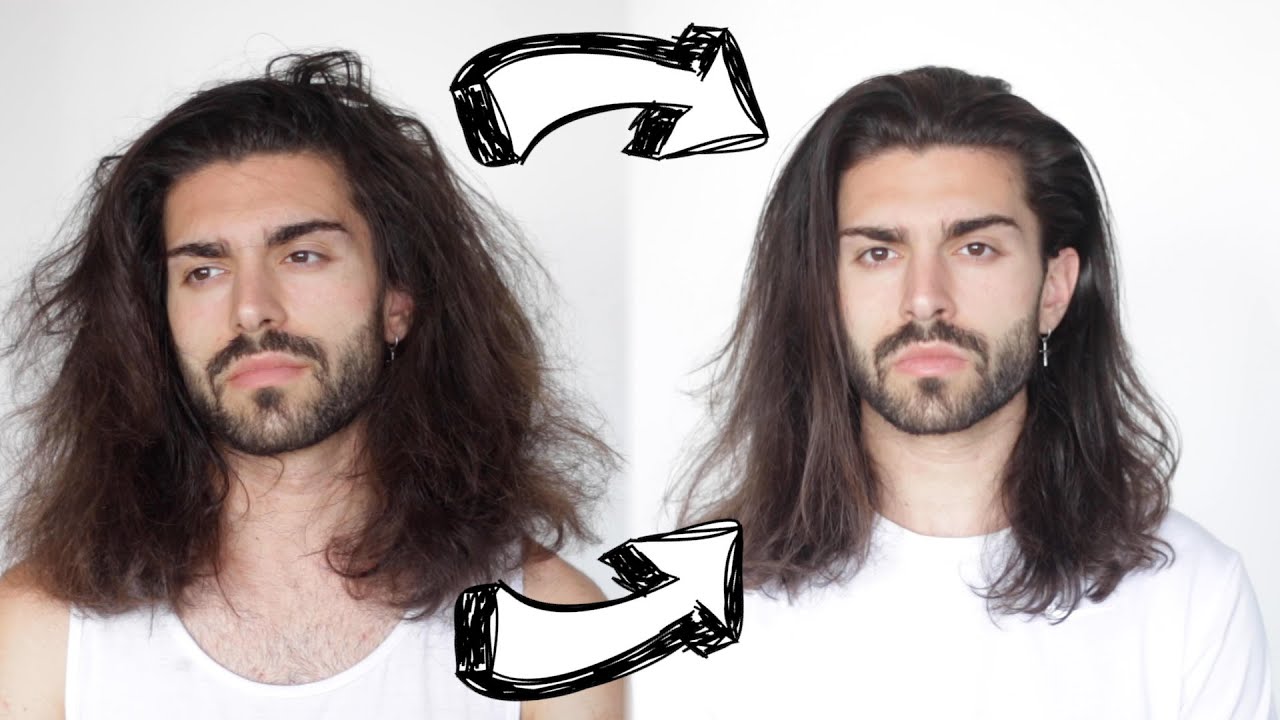
Frizzy hair for men doesn’t have to mean defeat.
Ever walked into work looking like you stuck your finger in an electrical socket?
My client yesterday said his morning routine felt like wrestling an angry cat.
Not sure which style suits you best? Our Haircut Finder Quiz matches you with the right cut based on your face shape and hair type — takes 60 seconds.
The good news: taming frizz takes smart tactics, not magic.
Key Takeaways
- Frizzy hair is caused by open cuticles — humidity, heat damage, and over-washing are the main triggers
- Anti-frizz serums, leave-in conditioners, and natural oils work by sealing the cuticle flat
- Cold water rinses reduce frizz by up to 70% — a simple daily change with zero cost
- Professional treatments like keratin last 3–5 months for lasting smoothness
- Shorter, textured cuts and undercuts make frizz far easier to manage day-to-day
What Is Frizzy Hair?
Think of frizzy hair as strands that rebel against smooth styling — they lift away from your head, creating a fuzzy, uncontrolled texture. It happens when hair cuticles open up, letting moisture in and causing each strand to swell and separate from its neighbors.
Anti-Frizz Serums
Silicone-based serums create an invisible shield around each strand. Apply from mid-length to ends, avoiding roots to prevent greasiness.
Work through hair with fingers spread wide, ensuring even distribution without overloading any single section.

Leave-In Conditioners
These lightweight moisturizers hydrate without the heaviness of regular conditioner. Focus application on your driest areas first.
Spray formulas work best for fine hair, while creams suit thicker textures that need extra moisture control.
Smoothing Creams
Heavier than serums but lighter than pomades, smoothing creams tame flyaways while adding subtle hold. Warm between palms before applying.
Use downward strokes to encourage cuticles to lay flat, sealing in the smooth texture you’re creating.

Natural Oil Treatments
Coconut, argan, and jojoba oils penetrate hair shafts deeply. Apply as overnight masks once weekly for intensive repair.
Avoid olive oil — its molecules are too large to penetrate properly and will just sit on top.
Humidity-Blocking Sprays
These polymer-based sprays form a flexible barrier against moisture. Mist lightly over finished styles, holding bottle 8-10 inches away.
Reapply midday during extreme humidity, focusing on areas that tend to frizz first like your hairline.

What Causes Frizzy Hair in Men?
Most guys assume frizz is just bad luck. It isn’t. After years in the barber chair, I can trace almost every frizzy head to one of five root causes — and knowing which one applies to you changes everything about how you treat it.
Humidity
The biggest culprit for most men. When relative humidity is high, your hair cuticles swell open and absorb moisture from the air. This is especially pronounced in men with naturally porous or curly hair — the more curl pattern you have, the more surface area there is for humidity to attack. Humidity-blocking sprays and anti-frizz serums work by sealing those cuticles before the moisture gets in.
Hair Type and Texture
Coarse, curly, and wavy hair is naturally more prone to frizz than straight hair. The bends in curly strands make it harder for natural scalp oils to travel down the shaft, so the ends stay drier — and drier hair frizzes more. If you want to understand your exact texture and how it affects your routine, our men’s hair type guide breaks it all down.
Heat Damage
Blow dryers, flat irons, and curling wands lift and damage cuticles over time. Men who use high heat daily without a heat protectant are essentially burning their cuticles open — then wondering why their hair frizzes. Drop the heat, or at minimum apply a heat protectant spray before every styling session.
Over-Washing
Washing your hair daily strips the natural oils that seal your cuticle flat. Once those oils are gone, your hair becomes porous — grabbing moisture from the air and frizzing outward. The fix is straightforward: wash every 2–3 days max, and switch to a sulfate-free shampoo that cleans without stripping.
Friction and Rough Handling
Rubbing your hair with a terry cloth towel physically lifts your cuticle in every direction. Same goes for cotton pillowcases overnight. Switch to a microfiber towel and a silk pillowcase — it sounds minor but the difference is immediate and obvious.
Method 2: Washing And Drying Techniques
Your shower routine sets the foundation for frizz control all day. Temperature, products, and technique matter more than you think.
Small changes in how you wash and dry create dramatic improvements in manageability and smoothness.
Cold Water Rinse Benefits
Blast hair with cold water for the final 30 seconds to seal cuticles tight. This simple step reduces frizz by up to 70%.
The temperature shock smooths down lifted cuticles like ironing wrinkled fabric, creating instant shine and control.

Microfiber Towel Drying
Regular terry cloth towels rough up cuticles with their looped texture. Microfiber’s smooth surface glides over hair without disruption.
Pat and squeeze gently rather than rubbing vigorously — treat wet hair like delicate silk fabric.
T-Shirt Drying Technique
Wrap wet hair in a clean cotton t-shirt, twisting gently to absorb excess water. The smooth fabric prevents frizz.
Leave wrapped for 5-10 minutes while you finish getting ready, then remove and style as normal.
Method 3: Professional Treatments
Sometimes home remedies aren’t enough for severe frizz. Professional treatments offer longer-lasting solutions with dramatic results.
These services range from temporary smoothing to semi-permanent restructuring, each targeting different frizz causes.
“After trying everything at home, my keratin treatment finally gave me the control I’d been chasing for years. Worth every penny.” – Marcus, 34

Keratin Treatments
This protein infusion fills damaged spots in your hair structure. Results last 3-5 months with proper maintenance.
Expect pin-straight results for the first few days, then natural texture returns with significantly reduced frizz.
Brazilian Blowouts
Creates a protective protein layer around each strand without eliminating natural texture. Perfect for guys wanting movement.
Want to get more out of your day-to-day styling routine? Our guide on how to style men’s hair covers the techniques that work best with chemically treated hair.
The treatment takes 90 minutes and shows immediate results that improve with each wash over two weeks.

Hot Oil Treatments
Warmed oils penetrate deeply while massage stimulates blood flow to follicles. Choose treatments based on your specific hair type.
Professional application ensures even distribution and proper temperature for maximum absorption without damage or greasiness.

Method 4: Styling Tools And Techniques
The right tools make the difference between fighting your hair and working with it. Quality matters more than quantity.
Invest in a few key pieces rather than cluttering your bathroom with gadgets that promise miracles.

Wide-Tooth Comb Benefits
These combs glide through wet hair without snagging or breaking strands. Start from ends, working up gradually.
The spacing prevents static buildup while distributing natural oils evenly from roots through your entire length.

Method 5: Lifestyle And Maintenance
Frizz control extends beyond your bathroom routine. Daily habits and long-term care create lasting improvements.
Small lifestyle adjustments often produce bigger results than expensive products or treatments ever could achieve.

Sleep On Silk Pillowcases
Cotton pillowcases create friction that roughens cuticles overnight. Silk lets hair glide smoothly without disruption.
You’ll wake with noticeably less bedhead and frizz, plus silk helps prevent facial wrinkles as bonus.
Weekly Hair Masks
Deep conditioning masks repair damage that daily products can’t reach. Apply to clean, damp hair every Sunday.
For a complete breakdown of what your routine should look like from wash day to styling, see our complete men’s hair care guide.
Leave on for 20-30 minutes under a shower cap — the trapped heat increases penetration significantly.

Trim Schedule Importance
Split ends travel upward, creating more frizz over time. Schedule trims every 4-6 weeks for optimal health.
Even micro-trims remove damage before it spreads, maintaining your style while preventing future frizz issues entirely.

Diet And Hydration
Hair reflects internal health directly. Omega-3 fatty acids and biotin improve texture from inside out naturally.
Drink 8-10 glasses of water daily — dehydrated hair seeks moisture externally, increasing frizz dramatically.
Stress Management
Cortisol affects hair quality more than most realize. High stress disrupts natural oil production and hair growth cycles.
Regular exercise and adequate sleep improve hair health while reducing overall frizz and brittleness noticeably.

Best Hairstyles for Men with Frizzy Hair
Some cuts make frizz worse. Others work with your natural texture instead of fighting it. These are the styles I recommend most often in the barber chair for men dealing with persistent frizz.
Buzz Cut or Short Crop
The most effective solution — and often the most liberating one. Keeping hair short eliminates the length frizz needs to develop. A tight fade or buzz cut gives you complete control with zero product required. If you have very coarse or tightly coiled hair, this often produces the cleanest result.
Textured Crop with Taper Fade
For men who want length on top without the bulk, a textured crop with a taper fade removes weight from the sides while keeping enough structure to style. Ask your barber for point cutting on top — it removes mass without creating blunt ends that catch moisture and frizz out. This works especially well for men with thick, frizzy hair.
Natural Curly or Afro-Style
If you have tightly coiled or curly hair, sometimes the smartest move is to embrace the texture rather than fight it. A well-shaped natural cut with a solid moisture routine looks intentional — and that’s the whole game. Use a leave-in conditioner daily and define your curls with a light curl cream rather than trying to force them flat.
Undercut with Longer Top
Short on the sides, length on top — the undercut concentrates your frizz management to one zone. Apply serum or smoothing cream to the top section while the shaved sides stay clean. If you’re working with wavy-frizzy texture, our wavy hairstyles guide has plenty more options worth exploring.
Ready to Find Your Perfect Cut?
You’ve read about the styles. Now find the one that fits YOUR face shape, hair type, and lifestyle.
FAQs
Can Frizzy Hair Be Permanently Fixed?
No treatment permanently eliminates frizz, but consistent care creates long-term improvement. Keratin treatments last 3-5 months, while proper daily maintenance extends results. Focus on preventing damage rather than seeking permanent cures — healthy hair naturally resists frizz better than damaged strands ever could.
What’s The Best Haircut For Frizzy Hair Men?
Shorter cuts generally manage frizz easier than longer styles. Ask your barber for weight removal and texturizing to reduce bulk without creating more frizz. Avoid razor cutting if you have coarse hair — it can increase frizz by creating uneven ends that catch moisture differently.
How Often Should I Wash Frizzy Hair?
Wash every 2-3 days maximum to preserve natural oils that fight frizz. Daily washing strips protective oils, forcing hair to seek moisture externally. Use dry shampoo between washes if needed, focusing on roots only while leaving lengths untouched for best results.
Do Anti-Frizz Products Really Work?
Quality anti-frizz products work when matched to your hair type and applied correctly. Silicone-based serums excel in humidity, while oil-based products suit dry climates better. The key is finding your perfect match through experimentation — what works for others might fail for you.
Why Is My Hair Suddenly Getting Frizzier?
Sudden frizz increases indicate damage, hormonal changes, or product buildup. Evaluate recent chemical treatments, heat styling frequency, and stress levels. Sometimes switching shampoos or entering a new life stage triggers temporary frizz — most cases resolve with adjusted care routines within weeks.
How Can Men Tame Frizzy Curls?
Curly frizz needs moisture above all else. Use a sulfate-free shampoo, apply a curl-specific leave-in conditioner while hair is still dripping wet, and scrunch — don’t rub — with a microfiber towel. Finish with a light curl cream to define strands and seal the cuticle. Avoid touching your hair while it dries or you’ll break up the curl pattern and create more frizz.
What Is the Difference Between Frizzy and Curly Hair?
Curly hair is a hair type — it has a defined, repeating curl pattern. Frizzy hair is a condition — it happens when the cuticle is open and moisture disrupts the strand. You can have curly hair that isn’t frizzy (with proper moisture and technique), and you can have straight hair that is frizzy (usually from damage or humidity). The fix is the same regardless of type: seal the cuticle and control moisture.
Was this article helpful?

Khamis Maiouf is a professional barber who graduated from Hinckley College in England with a Level 3 qualification in hairdressing. With over 20 years of experience, he is an award-winning barber who has mentored numerous students and styled thousands of clients. A recognised expert featured on StyleCraze (20M+ readers).
Credentials: Level 3 Hairdressing (Hinckley College, UK) • 20+ Years Professional Experience • Featured Expert on StyleCraze • Founder of Book of Barbering