

Every week, at least a few guys sit in my chair asking for the same thing — a high fade with dreads that looks intentional, not sloppy. The difference between a clean result and a botched one comes down to where the fade starts, how aggressive the blend is, and whether your barber knows how to work around loc thickness.
After two decades behind the chair, I’ve narrowed down the combinations that actually deliver. Here are 10 high fade dread styles that hold up between appointments — plus exactly how to ask for them.
Not sure which style suits you best? Our Haircut Finder Quiz matches you with the right cut based on your face shape and hair type — takes 60 seconds.
Key Takeaways
- High fades with dreads work best when the fade starts at least two inches above the temple for maximum contrast.
- Skin fades deliver the sharpest look but need touch-ups every 10-14 days — taper fades last 2-3 weeks between visits.
- Oval and square face shapes suit most high fade dread combos; round faces benefit from styles that add vertical height.
- Always bring a reference photo and specify fade type, height, and guard number separately from your dread preferences.
- Maintain your fade and dreads on separate schedules — weekly trimmer touch-ups for edges, retwists every 2-4 weeks for roots.
What Is A High Fade With Dreads?
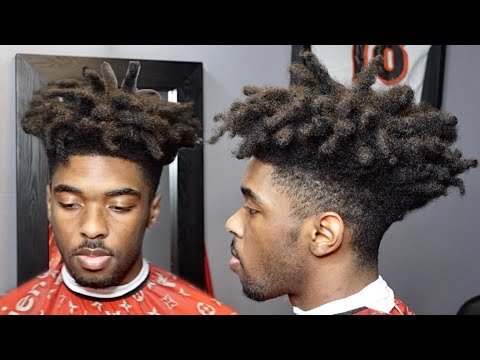
A high fade with dreads features clipper work that starts above your temple area, typically around two inches from your hairline. The fade gradually shortens from a chosen guard length down to skin or near-skin level.
Your dreads remain untouched on top, creating sharp contrast between smooth faded sides and textured locs. This versatile cut works with starter locs, mature dreads, or anything between.

Classic High Skin Fade With Short Dreads
Classic high skin fades take the sides down to bare skin, starting the blend near your crown. Short dreads on top create a balanced proportion that suits most face shapes.
The skin fade requires weekly touch-ups to maintain its crisp appearance. Your barber will use a foil shaver for the cleanest finish around your temples and neckline.
- Best for: Guys wanting maximum contrast and minimal bulk
- Maintenance: Weekly edge-ups keep the look fresh
- Works with 2-6 inch dreads perfectly
Clean Temple Fade With Mini Dreads
Mini dreads paired with a clean temple fade create an entry-level style perfect for dread beginners. The fade starts right at your temple points, blending seamlessly into bare skin.
This combination keeps your overall silhouette tight and controlled. Mini dreads under four inches won’t overwhelm the clean fade lines.

Sharp Skin Fade With Starter Locs
Starter locs need careful styling consideration since they’re still forming their shape and texture. A sharp skin fade provides structure while your locs develop over the first few months.
Still deciding on your loc method? Two-strand twists give a similar textured look and transition naturally into dreads.
The zero-guard finish at skin level creates definition that starter locs sometimes lack. Most barbers recommend this combo for the awkward early loc stages.

Precision High Fade With Twisted Dreads
Twisted dreads require precise fade work to match their neat, uniform appearance. Your barber creates surgical lines using trimmer work after the initial clipper fade.
The twist pattern continues down to where the fade begins, maintaining visual flow. This style demands a skilled barber who understands both fading and dread maintenance.

Ultra-Clean Bald Fade With Fresh Dreads
Bald fades eliminate all hair below the blend line using foil shavers for complete smoothness. Fresh dreads benefit from this extreme contrast, especially when newly retwisted.
The bald fade extends higher than typical skin fades, often reaching your crown area. This aggressive approach works best with confident personalities and well-maintained dreads.

High Drop Fade With Medium Dreads
Drop fades curve down behind your ears instead of following a straight horizontal line. Medium-length dreads benefit from this arc shape, which naturally frames your head.
The dropping motion creates more canvas for gradient work. Your barber can showcase their blending skills through this extended fade area.

Burst Fade At Temples With Thick Dreads
Burst fades create a semicircular pattern around your ears while leaving length at the nape. Thick dreads pair beautifully with this style since the fade doesn’t remove too much weight.
The burst technique focuses attention on your temple area. This localized fading preserves more of your natural hairline than traditional high fades.

🧠 Expert Advice
Request your barber to use a trimmer for final detailing around your burst fade edges. The smaller blade creates crisper curves than standard clippers, especially where the fade meets your dreads. This extra step takes five minutes but dramatically improves the finished look.
High Scissor Fade With Natural Dreads
Scissor fades use shear-over-comb techniques instead of clippers for a softer blend. Natural, freeform dreads complement this organic fading approach perfectly.
The scissor work creates subtle texture variations that echo your dreads’ natural movement. This method takes longer but delivers a more customized result than clipper fades.

Gradual High Fade With Freeform Locs
Gradual fades stretch the blend over a larger area using multiple guard sizes. Freeform locs benefit from this gentle transition since their irregular shape needs softer framing.
Want more height from your locs? Our guide to high top dreads covers vertical styling options that pair well with fades.
Your barber might use four or five different guards to achieve the gradual effect. This patience pays off with a fade that complements rather than competes with your locs.

Bold High Taper Fade Styles
Taper fades maintain more length than skin fades while still creating clear definition. High tapers start the graduation near your temples but never reach bare skin.
These styles offer flexibility for guys who want fade aesthetics without extreme contrast. The remaining hair provides options for texture and movement within the fade itself.

High Taper With Side-Swept Dreads
Side-swept dreads naturally fall across your head, requiring strategic taper placement. The high taper should follow your dreads’ directional flow for visual harmony.
Your barber angles the taper to complement the sweeping motion. This coordination between cut and style creates an intentional, polished appearance.
Not sure what your face shape is? Our Face Shape Detector figures it out in 4 quick questions.

Best Face Shapes for High Fade Dreads
Not every high fade dread combination flatters every face. I’ve seen guys walk in with a reference photo from Instagram only to realize the style doesn’t suit them because their jawline or forehead proportions are completely different from the guy in the picture.
Oval faces have the most flexibility — almost any fade height and dread length works. The balanced proportions mean you can go aggressive with a skin fade or subtle with a taper.
Square faces benefit from high fades that soften the angular jawline. Medium-length dreads add height and draw attention upward, balancing out the strong jaw.
Round faces need height to create the illusion of length. Go for a high skin fade with dreads styled upward or gathered into a top knot. The vertical emphasis counteracts the circular shape.
Diamond and heart-shaped faces work best with high taper fades rather than skin fades. The softer transition complements the narrower chin without making the forehead look too wide.
For a broader look at styles tailored to your features, browse our guide to haircuts for Black men which covers face shape matching across dozens of cuts.
How to Ask Your Barber for a High Fade with Dreads
Walking into a barbershop without knowing how to ask for a haircut is the fastest way to leave disappointed. High fade dreads require clear communication because “high fade” means different things to different barbers.
Start with a reference photo — always. Show your barber exactly where you want the fade to start and how aggressive you want the blend. Saying “high skin fade” versus “high taper fade” makes a massive difference in the final result.
Specify your dread preferences separately from the fade. Your barber needs to know whether you want your locs touched during the appointment or left alone.
Here’s what to tell them:
- Fade height: “Start the fade two inches above my ear” or point to where you want it
- Fade type: Skin fade (down to bare skin), taper fade (keeps some length), or drop fade (curves behind the ear)
- Guard at top of fade: #1 for tight, #2 for standard, #3 for softer blend
- Dread treatment: “Just the fade — don’t touch the dreads” or “retwist the roots while you’re at it”
- Edge work: “Line up the edges” or “keep it natural”
Finding the right barber matters too — choosing the right barber who understands both fading and dread maintenance saves you from a bad experience.
Maintaining Your High Fade with Dreads
The biggest mistake I see is treating the fade and dreads as one maintenance schedule. They’re not — your fade grows out faster than your dreads change, so each needs its own routine.
Weekly fade maintenance: Between barbershop visits, use trimmers to clean up your neckline and temple edges. This adds 7-10 extra days before your fade looks grown out. A quality cordless trimmer with a zero-gap blade is worth the investment.
Dread care every 2-4 weeks: Retwist or palm roll your roots depending on your loc method. Wash dreads with residue-free shampoo — regular shampoo leaves buildup that makes locs look dull and heavy. Let them air dry completely to prevent mildew.
Scalp care: The faded area needs daily moisturizer to prevent ashiness and irritation. Lightweight oils like jojoba or tea tree work well on exposed scalp without blurring your fade lines.
Sleep protection: A satin or silk durag keeps both your fade edges sharp and your dreads from frizzing overnight. This single habit extends the life of every barbershop visit by several days.
Styling Products For High Fade With Dreads
Product selection impacts both your fade’s appearance and your dreads’ health. The right combinations enhance without causing buildup or interference.
Focus on lightweight formulas that won’t migrate from dreads to faded areas. Heavy products can blur fade lines and create unwanted shine.

Best Holding Wax For Dread Roots
Holding wax keeps new growth controlled at dread roots without affecting your fade. Look for clear formulas that won’t leave visible residue on faded areas.
Apply wax only to the first inch of each dread. This targeted approach maintains root neatness while preserving your fade’s clean lines.

Temple Fade Enhancement Creams
Enhancement creams designed for fades add subtle sheen without greasiness. These products highlight the gradient effect while moisturizing exposed skin.
Apply using circular motions to ensure even coverage. The right cream makes your fade appear freshly cut for days longer.

Shine Sprays For Finished Look
Shine sprays provide the final touch for both dreads and fades simultaneously. Choose alcohol-free formulas that won’t dry your scalp or cause irritation.
Spray from adequate distance to avoid oversaturation. Light misting creates professional polish without wet appearance.

Ready to Find Your Perfect Cut?
You’ve read about the styles. Now find the one that fits YOUR face shape, hair type, and lifestyle.
FAQs
How Often Should I Touch Up A High Fade With Dreads?
Most guys need professional touch-ups every 10-14 days to maintain crisp high fade lines. Your hair growth rate and desired sharpness level affect this timeline.
Between appointments, maintain edges yourself using trimmers for temples and neckline. This routine keeps you fresh without the full barbershop cost.
What Guard Size Works Best For High Temple Fades?
Start with a #2 guard (1/4 inch) at the top of your temple fade for smooth blending. Your barber then works down through #1, #0.5 to skin.
Coarser hair textures might need a #3 guard start for better transition. Trust your barber’s recommendation based on your specific hair density.
Can I Get A High Skin Fade With New Dreads?
Yes, high skin fades actually help new dreads look more intentional during awkward growth phases. The clean sides provide structure while your locs develop.
Wait until dreads are at least two inches long before attempting aggressive fades. This length ensures enough contrast between faded sides and loc’d top.
How Much Does A Professional High Fade With Dreads Cost?
Professional high fades with dreads typically cost $30-60 depending on location and complexity. Add $10-20 for designs or extra detailing work.
Some barbers charge separately for dread maintenance and fade work. Clarify pricing beforehand to avoid surprises at checkout.
Which High Fade Style Lasts Longest With Dreads?
High taper fades maintain their appearance longest since they preserve more hair length. The gradual blend grows out more gracefully than aggressive skin fades.
Expect 2-3 weeks between appointments with tapers versus 7-10 days for skin fades. This extended timeline saves money while keeping you consistently groomed.
What Face Shape Is Best for High Fade Dreads?
Oval faces suit almost any high fade dread combination due to their balanced proportions. Square and round faces benefit from high fades that add vertical emphasis, while diamond and heart shapes work best with softer taper fades and longer dreads to balance the jawline.
How Do You Ask Your Barber for a High Fade with Dreads?
Bring a reference photo and specify three things: where the fade starts (above temple or near crown), the fade type (skin, taper, or drop), and the clipper guard number at the top of the blend. Tell your barber separately whether you want your dreads retwisted or left alone during the appointment.
How Do You Maintain Dreads with a Fade?
Maintain your fade and dreads on separate schedules — touch up fade edges weekly with trimmers between barbershop visits every 2-3 weeks. For the dreads, retwist or palm roll roots every 2-4 weeks using residue-free shampoo and protect both styles nightly with a satin durag.
Was this article helpful?

Khamis Maiouf is a professional barber who graduated from Hinckley College in England with a Level 3 qualification in hairdressing. With over 20 years of experience, he is an award-winning barber who has mentored numerous students and styled thousands of clients. A recognised expert featured on StyleCraze (20M+ readers).
Credentials: Level 3 Hairdressing (Hinckley College, UK) • 20+ Years Professional Experience • Featured Expert on StyleCraze • Founder of Book of Barbering