

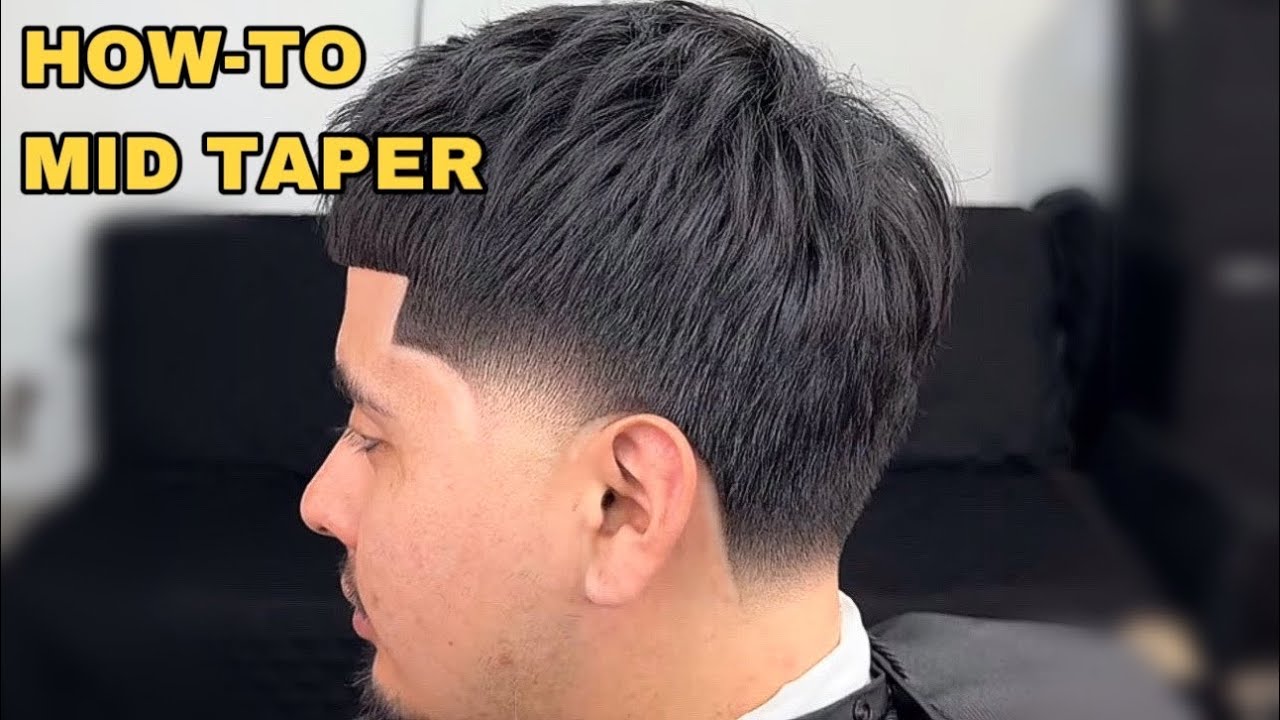
Most men who walk in and say “just a taper” are actually describing this cut. Not a low fade. Not a high skin fade.
A medium taper fade — starting at temple height, blending down to shorter sides while keeping some length in the transition. It’s the most requested cut in my chair, and most clients don’t know its proper name until I show them the before and after.
The medium taper fade starts at or around the temples — balanced between the subtlety of a low taper and the boldness of a high fade. Here’s every variation that works, which face shapes benefit most, and exactly what to tell your barber so you don’t walk out with something different.
Not sure which style suits you best? Our Haircut Finder Quiz matches you with the right cut based on your face shape and hair type — takes 60 seconds.
Key Takeaways
- A medium taper fade starts at temple height — the balanced middle ground between a low taper and a high fade
- Works for all face shapes; round faces benefit most from the added structure, while oval faces can wear any variation
- Suits all hair types — straight, curly, and thick — with minor guard adjustments at the blend point for each
- Book a touch-up every 2–3 weeks — the mid start point means the blend softens faster than a low taper
- Ask for a “medium taper fade” not just “a taper” — bring a reference photo so the blend height is never left to guesswork
What Is A Medium Taper Fade?
A medium taper fade starts at temple level, blending longer top hair gradually into shorter sides. The fade typically begins one to two inches above your ears.
This balanced cut offers versatility without extremes. You get clean edges while maintaining enough length for various styling options throughout the week.

Classic Medium Taper Fade Styles
Classic medium tapers never go out of style. These timeless cuts work perfectly in professional settings.
Each variation offers subtle differences in length and styling. Your barber can adjust the fade height to complement your specific features.

Traditional Business Medium Taper
The business medium taper keeps things conservative with a #3 guard transition. Hair gradually shortens from two inches on top to skin at the neckline.
This cut requires minimal morning styling. A dab of pomade and quick comb-through gets you office-ready in under two minutes daily.

Conservative Gentleman’s Medium Taper
The gentleman’s medium taper maintains longer proportions throughout for a refined appearance. Sides blend from #4 to #2, never reaching skin.
This subtle approach suits formal environments where extreme fades might raise eyebrows. The gradual blend appears natural while still providing sharp, maintained edges around ears.

Modern Textured Medium Taper Fades
Modern texture transforms the traditional medium taper into something fresh. These styles embrace natural movement and deliberate messiness.
Texturizing techniques create piece-y separation on top. Your barber uses thinning shears and point cutting to build layers that style effortlessly.

Messy Crop With Medium Taper Fade
The messy crop pairs perfectly with a medium taper for controlled chaos on top. Short, choppy layers create natural texture that practically styles itself each morning.
Sea salt spray enhances the tousled effect without weighing hair down. Simply scrunch product through damp hair and let it air dry for best results.

Wavy Top Medium Fade Blend
Natural waves shine when paired with a clean medium fade underneath. The contrast between textured top and smooth sides highlights your hair’s natural pattern.
Lightweight curl cream defines waves without crunch. Apply to damp hair and scrunch gently, then air dry or diffuse on low heat.

Tousled French Crop Medium Taper
The French crop gets a modern update with intentionally messy styling and medium fade. Forward-styled fringe sits slightly disheveled rather than perfectly straight.
Texture powder at the roots adds grip and volume. Rub product between palms first, then work through hair from back to front.

Medium Taper Fade With Beard Combinations
Connecting your medium taper to facial hair creates one cohesive look. The fade should flow naturally into your beard’s upper edge.
Proper blending eliminates harsh lines between hair and beard. Your barber needs to consider both elements as one complete style.
- Length matching: Keep beard length proportional to hair length
- Fade connection: Blend sideburns seamlessly into beard line
- Maintenance timing: Trim both hair and beard together
- Use similar products on both for consistent texture

Curly Hair Medium Taper Fade Options
Curly hair is one of my favourite textures to work with on a medium taper. The fade contrast is sharper on curls because natural volume on top already creates separation — the sides and top read as distinct without doing anything aggressive.
The cutting approach changes depending on curl type. For loose waves, standard clipper progression works well. For tighter, defined curls, I cut the top dry so the curl springs back to its natural shape — cut wet and you’ll overshoot the length every time. For coils, lower the guard slightly in the blend zone to keep the transition sharp as the hair grows back.
For product: a curl cream or light leave-in conditioner on damp hair defines the curl pattern before it dries. Skip heavy pomades — they weigh curls down and flatten exactly the volume that makes this cut look sharp. A little moisture on the sides after a fresh cut stops the skin looking dry at the fade line on any curl type.

Length Variations For Medium Taper Fades
Top length dramatically changes how your medium taper fade looks and functions. Finding the right proportion creates balance and suits your lifestyle.
Consider maintenance requirements when choosing length. Longer tops need more styling time but offer greater versatility day-to-day.

Long Top Medium Taper Fade
Keeping four to six inches on top while maintaining a medium fade creates dramatic contrast. This length allows for multiple styling options throughout the week.
Longer hair requires heat protectant before blow-drying. The extra length means more exposure to damaging heat during daily styling routines.

Medium Length All Around Taper
Uniform medium length throughout creates a balanced, proportional appearance. Hair stays around two inches on top with gradual reduction into the fade.
This versatile length works with most hair types and face shapes. Styling takes minimal effort — just add product and finger-style into place.

Medium Taper Fade Finishing Techniques
Finishing techniques determine whether your medium taper looks professional or amateur. These final details separate average cuts from exceptional ones.
Different techniques suit different hair types and desired aesthetics. Discuss options with your barber to find your perfect finish.

Razor Sharp Medium Fade Lines
Razor finishing creates the crispest possible lines around your medium fade. The blade removes every stray hair for surgical precision.
This technique works best on straight, coarse hair. Fine or curly hair may appear too harsh with razor-sharp edges.
Not sure what your face shape is? Our Face Shape Detector figures it out in 4 quick questions.

Natural Blend Medium Taper
Natural blending softens the medium taper‘s transition points for an organic look. Your barber uses clipper-over-comb exclusively, avoiding hard lines.
This approach ages gracefully as hair grows. The soft edges maintain their shape longer than sharp lines between appointments.

Medium Taper Fade for Your Face Shape
The medium taper fade is one of the most face-shape-agnostic cuts I work with — but the variation still matters. Here’s what I see in the chair.
Oval face
Every medium taper variation works. Textured crop, slick back, side part, messy top — the balanced proportions mean nothing clashes. My only consistent advice: keep 2–3 inches on top to maximize the contrast between the fade and the length.
Round face
The medium taper adds structure at a height that actually makes a difference. The temple-level start creates vertical emphasis that makes the face read longer and more defined. Avoid cutting the top too short — height on top is what does the work here. This is one of those face shapes where the “medium” choice is genuinely better than going low.
Square face
Strong jaws look sharp with a medium taper. The clean sides let the jaw structure breathe without amplifying it. Avoid a hard line-up if your jaw is already very defined — it doubles up on sharp angles. A textured or slightly messy top softens the overall shape without looking sloppy.
Heart and diamond face
Heart faces have a wide forehead and narrower chin — the medium taper adds structure below the midpoint, which visually balances the upper-to-lower ratio. Diamond faces (narrow forehead and chin, wide cheekbones) do well with a mid-height taper rather than going low or high, as it avoids drawing attention to the widest point. A textured crop or light pompadour works for both. For a deeper breakdown by face shape, see our men’s haircut face shape guide.
How to Ask for a Medium Taper Fade
The most common confusion I deal with: someone asks for “a taper” and is surprised when they get something different from what they pictured. The terminology alone fixes most of this.
Use the right words
Say “medium taper fade” — not “a taper,” not “a fade,” and not “something on the sides.” The word “medium” tells your barber the blend starts at temple height. “Taper” tells them you want a gradual length transition, not a full skin removal. Those two words together set the expectation before scissors or clippers even touch your head.
Show a reference photo
Even a precise description leaves room for interpretation. A photo removes it entirely. Find an example that shows the exact blend height and contrast you want — Instagram and Google Images both work.
Hand your barber your phone before they start. It takes 10 seconds and prevents the back-and-forth of “that’s a bit higher than I wanted.”
Mention your guard preference if you have one
A typical medium taper fade runs from a #1 or #0.5 at the nape up to a #3 or #4 at the blend point. If you prefer the sides slightly longer or shorter, say so. Most barbers will start conservative anyway — you can always take more off, never add it back.
If it’s your first visit, ask them to go one guard longer than usual and adjust at the next appointment. For a full glossary of what these numbers mean, check our haircut terminology guide.
Ready to Find Your Perfect Cut?
You’ve read about the styles. Now find the one that fits YOUR face shape, hair type, and lifestyle.
FAQs
How Often Should I Get My Medium Taper Fade Refreshed?
Most guys need a refresh every 2-3 weeks to maintain that crisp medium taper fade look. If you’re particular about keeping those lines sharp, every two weeks works better. Your hair growth rate and personal standards determine the ideal schedule — slower growth or a more relaxed attitude means you can stretch to three or even four weeks between cuts.
What Face Shapes Work Best With Medium Taper Fades?
Medium taper fades flatter virtually every face shape because you can adjust the fade height and top length to balance proportions. Round faces benefit from added height on top, square faces look great with textured tops that soften angles, and oval faces can pull off any variation. The key is working with a skilled barber who understands how to customize the cut to enhance your specific features.
Can I Style A Medium Taper Fade Differently For Work And Weekends?
Absolutely — that’s the beauty of a medium taper fade with decent length on top. Slick it back with pomade for Monday morning meetings, then mess it up with texture powder for Saturday night drinks.
The fade stays consistent while your top transforms completely. Keep multiple products on hand: something with strong hold and shine for professional settings, plus a matte clay or paste for casual occasions.
What’s The Difference Between A Medium Taper And A Mid Fade?
While people often use these terms interchangeably, there’s a subtle distinction: a medium taper gradually reduces length all the way down, while a mid fade typically drops to skin. The taper maintains some length throughout (maybe finishing at a #1 guard), whereas the fade goes completely bald at the bottom. Think of it this way — all mid fades are medium tapers, but not all medium tapers are fades.
How do I ask my barber for a medium taper fade?
Say “medium taper fade” — not just “a taper” or “a fade.” The word “medium” tells your barber the blend starts at temple height; “taper” tells them you want a gradual transition, not skin exposure. Show a reference photo to confirm the blend height before they start.
If you have a guard length preference, mention it — a typical medium taper runs from #1 at the nape up to #3 or #4 at the blend point. When in doubt, ask them to go slightly conservative — you can always cut shorter at the next visit.
Does a medium taper fade work with thick or coarse hair?
Yes — thick and coarse hair actually holds a medium taper fade well because there’s more hair for the blend to work with. The gradual transition is easier to execute on dense hair than on fine hair, where the blend can look patchy if the guard sizes are too spread apart. Your barber may use a closer guard at the nape (#0.5 or #1) and work up to a #3 or #4 to avoid a harsh line. The main adjustment with thick hair: the top may need thinning shears to reduce bulk so the fade doesn’t look bottom-heavy.
Was this article helpful?

Khamis Maiouf is a professional barber who graduated from Hinckley College in England with a Level 3 qualification in hairdressing. With over 20 years of experience, he is an award-winning barber who has mentored numerous students and styled thousands of clients. A recognised expert featured on StyleCraze (20M+ readers).
Credentials: Level 3 Hairdressing (Hinckley College, UK) • 20+ Years Professional Experience • Featured Expert on StyleCraze • Founder of Book of Barbering