

— Award-Winning Barber · 20+ Years Experience · Level 3 Qualified
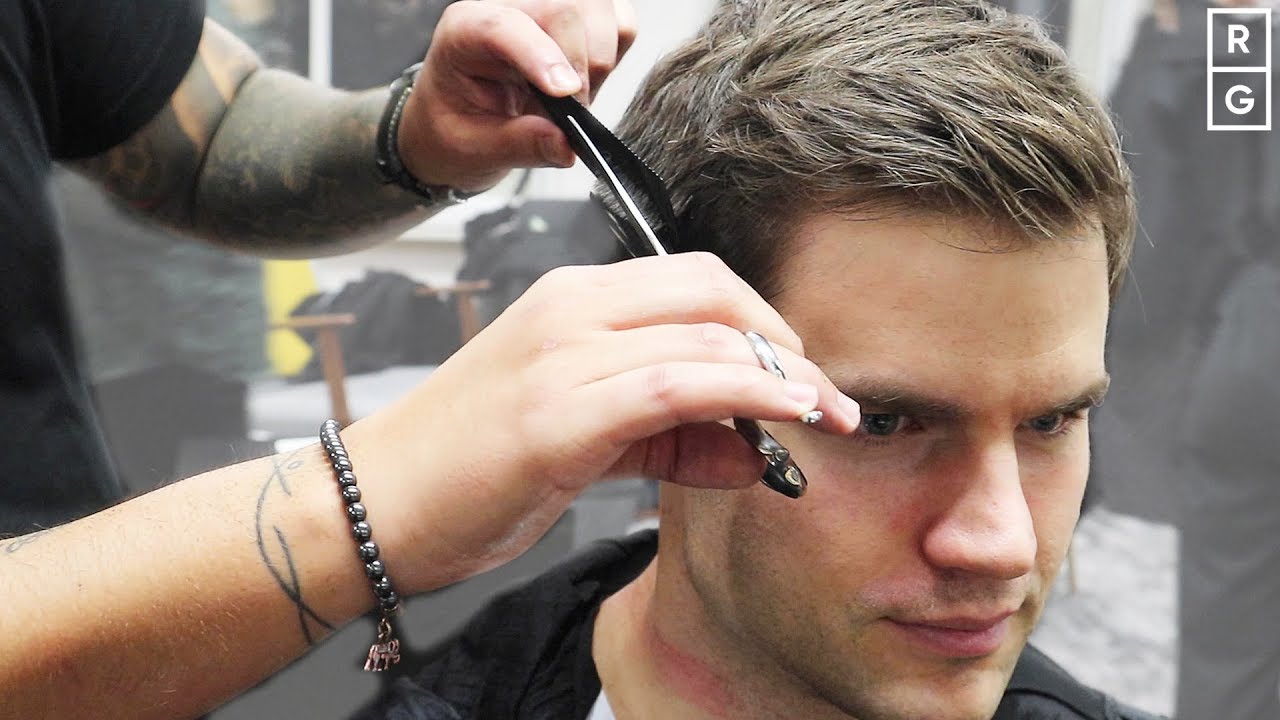
When a client asks me for a scissor cut, they’re usually tired of the sharp, uniform look clippers produce. Scissors give you something clippers can’t — natural movement, soft edges, and texture that looks like it grew that way rather than being machine-cut.
Key Takeaways
- Scissor cuts produce softer, more natural transitions than clippers — ideal for textured and layered styles
- Best suited for medium to long hair where you want movement, not uniformity
- A good scissor cut grows out better than a clipper cut because the blended layers maintain shape longer
- Thick and wavy hair benefits most from scissor work — the barber can remove bulk precisely where needed
- Expect scissor cuts to take longer in the chair (30-45 min vs 15-20 for clippers) but the results last longer between visits
Scissor Cut vs Clipper Cut: When to Choose Each
The biggest difference comes down to the finish. Clippers cut every hair to the exact same length using guard attachments. Scissors cut hair at varying angles and lengths, creating natural graduation and texture.
Choose scissors when: you want a layered, textured look with natural movement. Scissor cuts shine on medium to long styles where you need the hair to flow and blend seamlessly. They’re also better for removing bulk from thick hair without creating harsh lines.
Choose clippers when: you want a fade, buzz cut, or any style that requires precise, uniform length on the back and sides. Clippers are faster and more efficient for short work.
The best cuts use both. I use clippers on the back and sides for clean fading, then switch to scissors for the top where texture and movement matter. The combination gives you the best of both worlds — sharp sides with a natural, flowing top.
In Plain English: Mens Scissor Cut Hairstyles
A scissor cut is all about finesse. Instead of quickly buzzing everything down, the barber purposely sculpts the shape. Each snip respects how your hair falls naturally.
That’s why scissor cuts create more movement and versatility. You’ll notice less “helmet hair” and more texture throughout the day.
Classic Scissor Cut Foundations
Classic scissor cuts remain barbering staples because they highlight balance. They’re about neat lines, even lengths, and calculated detailing rather than aggressive fading.
These styles feel timeless yet fresh, working in business settings or formal occasions without looking outdated. Tradition and precision meet right here.
Traditional Side Part Scissor Cut
This cut delivers a strong side part paired with clean scissor work. It balances the hair by keeping length moderate but outlining sharp edges.
It’s professional without leaning stiff. And that natural scissor finish ensures it looks controlled, not choppy, across the scalp.
Classic Ivy League Scissor Cut
The Ivy League with scissors keeps sides tidy but slightly allows length on top. It’s cut in a way that the hair sweeps neatly yet moves freely.
Where clippers may flatten, scissors maintain flow. It’s collegiate yet sophisticated, fitting both young professionals and seasoned men.
Business Professional Scissor Cut
Barbers trim conservatively, keeping proportions sharp and tidy. This cut is often tapered subtly without stark fades, making it office-ready.
Because it’s scissor-based, the style still retains texture and flexibility. Easy to comb each morning, but smart enough for corporate formality.
Modern Scissor Cut Styles
Modern approaches with scissors lean toward texture and individuality. They’re less about strict conformity and more about controlled disorder.
That means deliberately tousled pieces, bolder lengths, and natural movement. The result feels relaxed but carefully executed.
Messy Textured Scissor Cut
This style layers hair unevenly, strategically enhancing volume. When styled with matte product, it vibes casual but still deliberate.
It’s great for medium density hair, especially if you want a weekend-ready style that avoids rigid sharpness.
Disconnected Scissor Cut
This approach leaves a distinct difference between longer top and shorter sides. Instead of clipper fades, scissors craft the separation smoothly.
The contrast gives attitude without looking artificial. Edgy yet wearable, it appeals to men tired of uniform blending.
Undone Natural Scissor Cut
With this cut, the barber follows natural hair fall instead of imposing strict form. Minimal structure enhances the raw texture.
It suits men chasing low-maintenance styles that don’t demand daily sculpting. Wash, dry, and the look works itself.
Scissor Cuts For Short Hair
Short scissor cuts look sharper because the shears define every edge. Even close trims show subtle texture versus flat clipper surfaces.
They’re favored by men who like clean shapes without losing individuality. Small differences matter most with shorter builds.
Short Crop Scissor Cut
The crop with scissors eliminates bulk tightly yet preserves softness. Unlike harsh clipper crops, it follows natural growth directions.
That attention translates into a sharp, tidy look that stays neat longer while remaining versatile to wear casually.
Short Side Swept Scissor Cut
Sides are trimmed close but balanced, while the top is scissored with directional flow. The result allows an easy side push.
It feels refined in formal settings yet relaxed during leisure. The shape moves with your character, subtle but stylish.
Scissor Cuts For Medium Length Hair
Medium lengths shine under scissors, because layers and flow become more apparent here. Hair sits with intentional balance, not excess weight.
You get movement, choice of styling, and a look that carries either professional or laid-back energy depending on finishing.
Medium Layered Scissor Cut
Layers add controlled volume so the style lifts naturally. The scissors ensure even texture rather than bulky ridges.
It’s a smart cut for men wanting density without heaviness. Products will highlight separation but the cut itself does the work.
Medium Side Part Scissor Cut
This style blends traditional parting with medium flow. Scissors shape enough length to sweep naturally without stiffness.
It can pivot between sleek or relaxed in minutes. Great for men who wear different hats, literally and metaphorically.
Medium Shaggy Scissor Cut
The shag uses scissor layering to create a rocker feel. It’s purposely disheveled with varying lengths that add depth.
Instead of polished control, it leans undone. Freedom in shape makes this style timeless in casual, creative circles.
Scissor Cuts For Long Hair
Long hair benefits from precise layering, because scissors reduce bulk. The goal is shape and flow instead of blunt length.
It’s a method that promotes natural movement, keeping styles from looking heavy. Each section feels lighter yet intentional.
Long Layered Scissor Cut
Graduated sections remove excess weight and introduce definition. Hair looks dynamic, not one-dimensional, even when worn loose.
Barbers cut strategically by sections, making every area complement the next. That gives balanced volume and avoids pyramids.
Not sure what your face shape is? Our Face Shape Detector figures it out in 4 quick questions.
Long Side Swept Scissor Cut
This look guides hair across the forehead elegantly. It can work formal or casual depending on finish.
Length is maintained, flowing naturally without blocky cuts. Ideal for men wanting long looks shaped with finesse.
Textured Scissor Cut Variations
Textured scissor methods break monotony with irregular snips. They create dimension that feels lived-in and personal.
Each variation emphasizes movement differently, offering depth on fine or thick hair. It’s personalization at the hands of blades.
Scissor Cuts With Movement
Movement-based scissor cuts allow hair to flow dynamically. Rather than static forms, they introduce motion into styling.
Strategic layering and texturizing achieve this. It’s about versatility—your hair adapts across directions while looking alive.
Layered Flow Scissor Cut
Longer layers create progression for directional flow. When styled, hair naturally swings with energy.
The difference is visible in how each segment moves. This style has an organic rhythm customized with scissors always.
Scissor Cut Styling Tips
Caring for scissor styles amplifies their staying power. It’s not just about the cut, but how you handle after.
With the right product and technique, each detail remains visible. Here’s how to make every snip count daily.
Using Matte Pomade With Scissor Cuts
Matte pomade defines layers without artificial shine. It enhances texture while keeping the style natural-looking.
Rub small amounts through fingertips, then rake lightly. The result feels relaxed yet deliberate with scissor texture intact.
Blow Drying Scissor Cuts For Shape
Targeted blow-drying sets direction. Heat encourages layers to sit where barber designed them.
Use medium heat and brush to lift volume. Blowing forward, upward, or aside customizes shape afterward reliably. I always dry the crown area first while the hair is still most pliable – once it air-dries even partially, you lose the ability to redirect those natural growth patterns.
Ready to Find Your Perfect Cut?
You’ve read about the styles. Now find the one that fits YOUR face shape, hair type, and lifestyle.
FAQs
What Is The Difference Between A Scissor Cut And A Clipper Cut?
A scissor cut relies only on shears, guiding hair flow naturally. Clippers produce harsher, uniform lengths quickly, often flattening overall texture.
Scissors allow sculpting, layering, and tailoring. That’s why they’re ideal for anyone valuing shape, versatility, and a cut designed around their hair’s unique movement.
How Often Should I Get A Mens Scissor Cut Hairstyle Maintained?
On average, every four to six weeks keeps the edges defined. Because scissor cuts focus on precision lines, irregular growth stands out faster.
Regular trims ensure flow remains balanced. The schedule also depends on your hair density, growth speed, and styling preferences.
Which Face Shapes Suit Scissor Cut Hairstyles Best?
Scissor cuts adapt easily to all face shapes. For rounder faces, longer crowns create elongation.
Strong jawlines benefit from structured sides. Angular faces appreciate softer layers to balance sharpness. Since scissors provide customization, your barber can design a cut specifically flattering to your bone structure.
Do Scissor Cut Hairstyles Work Well With Thick Hair?
Yes, scissors excel on thick hair. They reduce bulk gradually instead of chopping harshly like clippers.
By thinning and layering strategically, they allow dense hair to move naturally. This produces lighter, more comfortable styling. With thick-haired clients, I use point cutting rather than thinning shears – it removes weight without creating those blunt, choppy lines that show up two weeks later as your hair grows out.
How Do I Ask My Barber for a Scissor Cut?
Simply tell them you want the top done with scissors only — no clippers. Specify the length you want on the sides (clippers are fine there for fading). The key phrase is “scissor cut on top with natural texture” — this tells your barber you want layered, blended work rather than a uniform length.
Do Scissor Cuts Cost More Than Clipper Cuts?
Usually yes, because they take longer. A scissor cut requires more skill and time — your barber is making individual cutting decisions for each section rather than running a guard over your head. Expect to pay 20-30% more, but the results grow out better so you can go longer between visits.
How Long Should My Hair Be for a Scissor Cut?
At minimum, you need about 2 inches on top for scissors to work effectively. Below that length, clippers are more practical. The sweet spot for most scissor cut styles is 3-5 inches on top, which gives your barber enough length to create layers, texture, and movement.
Was this article helpful?

Khamis Maiouf is a professional barber who graduated from Hinckley College in England with a Level 3 qualification in hairdressing. With over 20 years of experience, he is an award-winning barber who has mentored numerous students and styled thousands of clients. A recognised expert featured on StyleCraze (20M+ readers).
Credentials: Level 3 Hairdressing (Hinckley College, UK) • 20+ Years Professional Experience • Featured Expert on StyleCraze • Founder of Book of Barbering