

The 1940s military undercut is one of the most technically specific cuts I’m ever asked to recreate. Most clients who want it are chasing the look — what they rarely know is that the original wasn’t a style choice. Army Regulation 600-40 mandated sides clipped to 1/8 inch or shorter. The hard shelf wasn’t a design decision — it was the fastest way to process 50 soldiers through a company barber in a single morning.
Sharp lines defined soldiers’ identities during humanity’s greatest conflict.
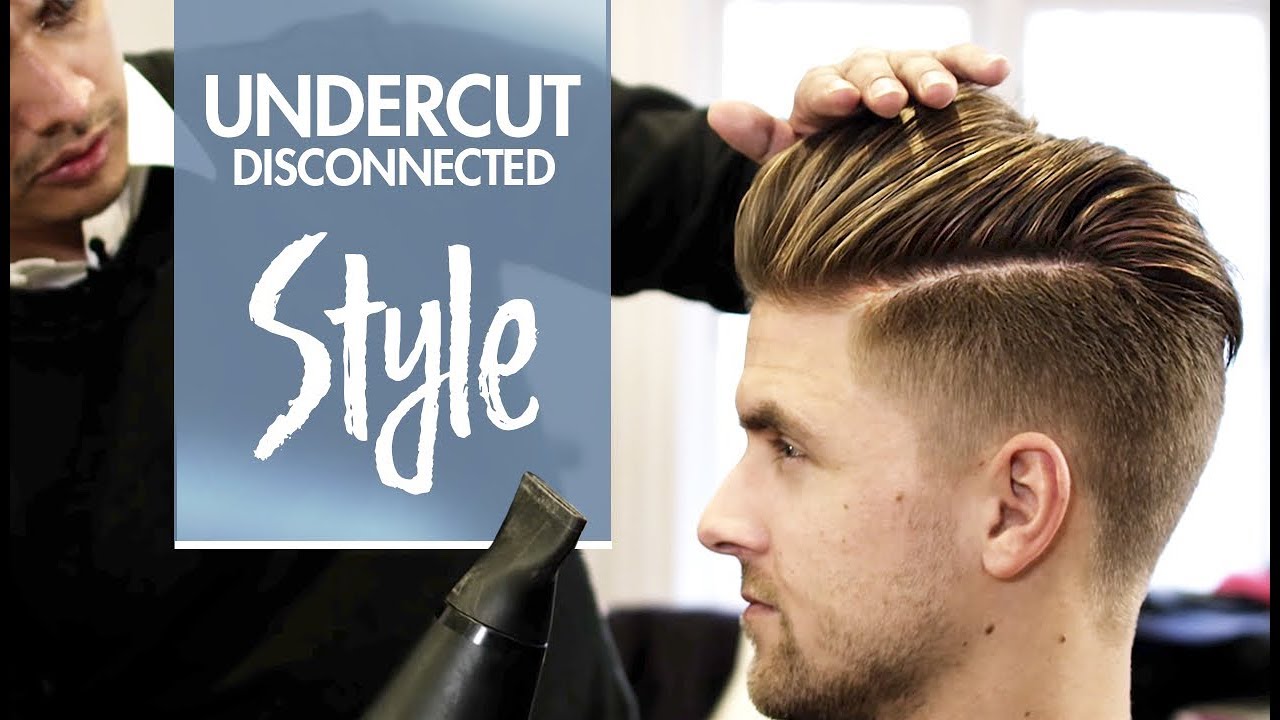
Key Takeaways
Not sure which style suits you best? Our Haircut Finder Quiz matches you with the right cut based on your face shape and hair type — takes 60 seconds.
- The cut was driven by hygiene and helmet-fit regulations, not fashion — lice prevention in trenches made short sides non-negotiable
- Army regulations specified sides at 1/8 inch with a fade line exactly two finger-widths above the ear — precision that modern barbers still reference
- Branch variations existed: Paratroopers went shortest (helmet clearance), tank crews kept slightly longer tops, Pacific forces cut even tighter due to tropical humidity
- The hard “shelf” demarcation is what separates an authentic 1940s cut from a modern undercut — no gradual blending, a distinct line
- High-shine water-based pomade is essential — matte products and texture sprays are the wrong finish for this cut
Authentic 1940s Military Undercut Origins
The 1940s military undercut emerged from practical battlefield necessities rather than fashion trends. Soldiers needed haircuts that prevented lice infestations while maintaining professional military bearing.
American forces popularized the style across Europe and the Pacific — you can trace the full lineage in our men’s hairstyle history guide. Different branches developed distinct variations based on combat conditions and commanding officers’ preferences.
- Hygiene: Prevented parasites in trenches and foxholes
- Helmets: Ensured proper fit of military headgear
- Speed: Company barbers processed 50+ soldiers daily
- Maintained unit cohesion through uniform appearance

World War II Regulation Cuts
Army Regulation 600-40 specified exact hair lengths for enlisted men during World War II. The regulation mandated sides clipped to 1/8 inch or shorter.
Officers received slightly more lenient standards, allowing 1/4 inch on sides. Top lengths couldn’t exceed two inches, measured when hair stood perpendicular to the scalp.
Military Grooming Standards
Military grooming standards demanded weekly haircuts for combat troops. Base barbers operated seven days per week, processing entire battalions before deployment.
Commanding officers inspected haircuts during morning formations. Soldiers failing inspection faced extra duties or restricted privileges until achieving regulation compliance.
1940s Military Undercut Specifications
Authentic 1940s military undercuts follow strict proportional guidelines unchanged since wartime regulations. The fade line sits exactly two fingers above the ear’s highest point.
Back sections terminate at the occipital bone’s midpoint. This creates the characteristic “whitewalled” appearance that defined military professionalism throughout World War II.

Classic Military Fade Heights
Classic military fade heights begin at zero (skin) extending upward 1.5 inches. The transition zone spans only 0.25 inches—creating the era’s signature sharp demarcation.
Temple areas receive special attention with vertical clipper strokes. This technique produces the squared corners that distinguish military cuts from civilian styles.
Sharp 1940s Military Techniques
Sharp 1940s military techniques prioritize speed and uniformity over gradual blending. Barbers completed each haircut in under four minutes using systematic clipper patterns.
The technique starts with establishing the hard part using clippers held perpendicular. This creates the defining line before addressing top and side sections separately.

Military Clipper Methods
Military clipper methods employ upward strokes against hair growth for maximum shortness. Barbers overlap each pass by fifty percent, ensuring complete coverage.
Necklines receive squared treatment using inverted clippers. This technique produces the characteristic military “block” that modern barbers often round incorrectly.

1940s Blending Approach
The 1940s blending approach intentionally avoided gradual transitions between lengths. Barbers created distinct shelves where different clipper lengths met.
This “stacked” appearance required confidence and precision. One misplaced stroke ruined the entire cut, forcing barbers to clipper everything shorter.

1940s Military Undercut Variations
Military undercut variations reflected service branch traditions and combat theater requirements. Pacific forces maintained shorter cuts than European divisions due to tropical humidity. For a broader look at all military cuts across every era, see our guide to military haircuts for men.
Paratroopers developed the shortest variations to prevent helmet interference during jumps. Tank crews kept slightly longer tops, protected inside armored vehicles from field conditions.
The Airborne cut everything to 1/16 inch—we couldn’t risk hair catching when chutes deployed at 500 feet.

Army vs Navy Styles
Army styles emphasized pure functionality with zero ornamentation or personality. Regulations prohibited any styling products or creative interpretation of standard cuts.
Navy specifications permitted subtle variations for shore leave. Sailors could maintain slightly longer tops styled with regulation pomade during port visits.

Officer Military Cuts
Officer military cuts maintained regulation shortness while allowing refined details. The part line could shift slightly left, distinguishing rank without violating standards.
Senior officers often retained natural gray, avoiding dyes that suggested vanity. This silver sidewall effect became synonymous with combat leadership experience.
Modern 1940s Military Adaptation
Modern adaptations soften harsh 1940s lines while preserving military character. Today’s barbers add subtle fades at transition points, preventing the stark shelving effect.
Contemporary versions extend fade heights for improved face framing. This adjustment suits current fashion while maintaining the undercut’s commanding presence.
Contemporary Military Updates
Contemporary military updates include textured tops using point-cutting techniques unknown in the 1940s. This adds movement while maintaining regulation length compliance.
Modern products replace heavy pomades with matte clays. These provide comparable hold without the greasy appearance that marked original military styling.

1940s Military Styling Products
Authentic 1940s military styling relied on petroleum-based pomades that survived field conditions. Modern alternatives provide similar hold without the original’s weight and grease.
Application technique matters more than product selection. Military men applied pomade to damp hair, combing vigorously until achieving mirror shine.
Not sure what your face shape is? Our Face Shape Detector figures it out in 4 quick questions.

War-Era Pomades
War-era pomades contained mineral oil, petrolatum, and fragrance—nothing else. Soldiers received monthly rations of “Brilliantine” in olive-drab tins.
These products never fully dried, allowing field adjustments without water. The perpetual wetness proved practical in combat but uncomfortable in barracks.

Military Hold Techniques
Military hold techniques maximize small product amounts through strategic application. Warm pomade between palms before working backward from the hairline.
The final step involves fine-tooth combing to distribute product evenly. This creates the unified surface that reflects light uniformly across the entire top.

⚠️ Common Mistakes
Overloading hair with product destroys authentic 1940s military appearance instantly. Period soldiers used thumbnail-sized amounts—modern men apply triple what’s necessary, creating helmet-hair instead of controlled shine.

1940s Military Maintenance Schedule
Strict maintenance schedules preserve the military undercut‘s architectural precision. The style deteriorates rapidly without consistent upkeep, losing definition within ten days.
Professional barbers recommend five-day cycles for maintaining authentic 1940s specifications. This frequency prevents visible grow-out while preserving scalp health.

Who Wears the 1940s Military Undercut Today
The cut had a mainstream revival around 2012–15 and never fully disappeared. Peaky Blinders is the most obvious reference point — the show’s costume team based the characters’ cuts directly on wartime British military regulations, which ran parallel to American specifications. That reference alone put the 1940s undercut back in barbershop conversations for a decade.
Beyond the show, the cut works well on oval, square, and diamond face shapes — the hard side contrast draws the eye to the jaw and cheekbones. It doesn’t suit rounder faces as well because the sharp line can emphasize width rather than length. Before booking, check our guide to haircuts for your face shape to confirm this is the right direction.
When you’re in the chair, tell your barber you want the 1940s military undercut specifically — not just an “undercut.” A modern undercut means different things to different barbers. Asking for the hard shelf, no blending at the transition line, and a squared neckline gets you the authentic result.
Ready to Find Your Perfect Cut?
You’ve read about the styles. Now find the one that fits YOUR face shape, hair type, and lifestyle.
FAQs
How high for 1940s military undercut?
Authentic 1940s military undercuts extend exactly two finger-widths above the ear’s top. This translates to approximately 1.5 inches of clippered sidewall.
The fade line runs perfectly horizontal from temple to nape. Any deviation from this straight line breaks military regulations and historical accuracy.
Best military undercut products?
Water-based pomades like Suavecito Firme or Reuzel Blue provide period-appropriate shine with modern washability. These products achieve military hold without petroleum buildup.
Avoid matte clays, sea salt sprays, or texturizing products. The 1940s military aesthetic demands high shine and complete control—never casual texture.
1940s military vs modern undercut?
1940s military undercuts feature zero fade blending while modern versions incorporate gradual transitions. Original cuts created harsh shelves; contemporary styles smooth these lines.
Modern undercuts often disconnect completely; 1940s military maintained slight connection. Today’s versions prioritize style; wartime cuts prioritized regulations and field practicality.
What was the military crew cut in the 1940s?
The 1940s military crew cut was a short, uniform style with the top section cut to approximately 1-2 inches and sides clipped very close. Unlike the undercut, the crew cut had a more gradual transition from top to sides rather than a hard shelf. It was the most common cut across all branches and easier for company barbers to execute quickly on large numbers of soldiers.
What was the most iconic hairstyle in the 1940s?
For men, the side part and pompadour were the most recognisable civilian hairstyles of the 1940s — both worn with Brilliantine or pomade for a high-shine finish. For military men, the regulation undercut and crew cut defined the era. Off-base, many soldiers kept the high-and-tight shape but styled the top back into a civilian pompadour, blending both worlds.
What is the history of the undercut hairstyle?
The undercut traces back to early 20th century Europe, where it appeared in working-class fashion before WW1. The military adopted and standardised it during both World Wars for practical reasons. It declined in the 1950s-60s as longer styles became popular, revived in the 1980s punk scene, and had a major mainstream comeback in the 2010s driven by period dramas and modern barbering culture.
Was this article helpful?

Khamis Maiouf is a professional barber who graduated from Hinckley College in England with a Level 3 qualification in hairdressing. With over 20 years of experience, he is an award-winning barber who has mentored numerous students and styled thousands of clients. A recognised expert featured on StyleCraze (20M+ readers).
Credentials: Level 3 Hairdressing (Hinckley College, UK) • 20+ Years Professional Experience • Featured Expert on StyleCraze • Founder of Book of Barbering